estrogen metabolites: Unlocking Hidden Causes of Hormone-Related Symptoms
Hormones get most of the attention when we face PMS, perimenopause, fertility tests, or hair loss. Yet hidden deep in our bodies, estrogen metabolites shape many of these issues. Your body makes these compounds when it breaks estrogen down. They affect mood, cancer risk, weight, and even hair and skin. You might feel “hormonal” even when blood tests seem normal.
In this article you will learn what estrogen metabolites are, how they work, why they matter for symptoms such as anxiety, headaches, heavy periods, and hair thinning, and how you can support healthier estrogen work—both by simple steps and with medical help.
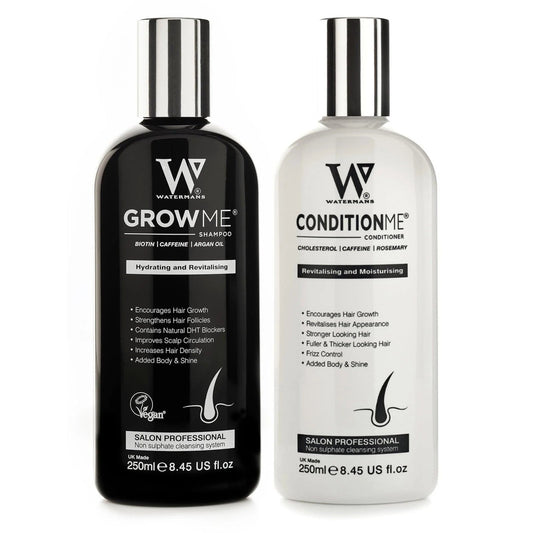
Since hair shows signs of hormone imbalance, we also check how a natural scalp product like Watermans Grow Me Shampoo can support your internal hormone plan.
────────────────────────────
What Are Estrogen Metabolites?
The basics: estrogen vs estrogen metabolites
“Estrogen” is not a single hormone. It is a group of hormones. For example: • Estradiol (E2) stands as the most active form in cycling women. • Estrone (E1) is more common after menopause. • Estriol (E3) plays a key role during pregnancy.
Your liver and other tissues break these hormones into estrogen metabolites. These are not waste; they act on the body. Some help, and some may harm depending on their type.
Phase 1 and Phase 2 estrogen metabolism
Your body works in two steps to process estrogen:
-
Phase 1 metabolism (hydroxylation)
Enzymes in the liver, like CYP450, turn estrogen into three main metabolites: • 2‑hydroxyestrone (2‑OH), seen as a gentler path
• 4‑hydroxyestrone (4‑OH), a reactive form that can harm when in excess
• 16α‑hydroxyestrone (16‑OH), a form that binds strong to receptors and may link to symptoms when dominant -
Phase 2 metabolism (conjugation)
These metabolites are then made more water-soluble for excretion. The body uses: • Methylation • Glucuronidation • Sulfation
If one phase falls short—because of genes, poor nutrients, medications, or lifestyle—some estrogen metabolites can build up. This build-up can cause symptoms even when overall estrogen seems normal.
────────────────────────────
Why Estrogen Metabolites Matter More Than You Think
Hormone tests that "look fine" but you still feel off
Many blood tests measure only total estrogen (often estradiol). In your body you can have:
• Estrogen in a normal range.
• A pattern that favors 4‑OH and 16‑OH over 2‑OH.
• Symptoms such as:
– Heavy or painful periods
– Breast tenderness or fibroids
– Anxiety or irritability near your cycle
– Weight gain around hips and thighs
– Hair shedding or thinning
When a doctor says “your hormones are normal” they might not check estrogen metabolites. This may hide the full picture.
Estrogen metabolites and hormone-sensitive conditions
Research shows the balance between 2‑OH, 4‑OH and 16‑OH matters in:
• Changes in breast tissue
• Growth of the uterus lining (like polyps or hyperplasia)
• Fibroids and endometriosis
• Even prostate issues in men with higher estrogen levels
A better balance usually shows higher 2‑OH and lower 4‑OH/16‑OH.
────────────────────────────
Major Types of Estrogen Metabolites and What They Do
2‑Hydroxyestrone (2‑OH): The "lighter touch" pathway
• This metabolite is less active in tissues like breast and uterus.
• It links with a more balanced profile.
• It is easier for your body to clear.
Many with more 2‑OH report:
• Fewer PMS signs
• Less breast tenderness
• More stable moods
4‑Hydroxyestrone (4‑OH): The reactive pathway
• This part is chemically active.
• It may damage cell DNA if not cleared well.
• High amounts may connect with worse symptoms.
High 4‑OH may link with:
• More intense PMS
• Cycle-related breast pain
• Worsening signs when synthetic hormones are used
16α‑Hydroxyestrone (16‑OH): The "super estrogenic" metabolite
• This metabolite binds strongly to estrogen receptors.
• It can cause more tissue growth than 2‑OH.
• It has been linked to:
– Heavier periods
– Fibroids
– Endometriosis
– Bloating and water retention
People with high 16‑OH may note:
• Heavy, clotted menstrual flow
• Sore breasts prior to periods
• Swelling or extra weight with their cycle
────────────────────────────
How Estrogen Metabolites Affect Everyday Symptoms
1. Mood swings, anxiety, and low mood
Excess 4‑OH and 16‑OH can raise:
• Irritability
• Tearfulness
• A race of nervous feelings near ovulation or before periods
When progesterone drops before your period, the body’s stress system feels these changes more, especially under long-term stress.
2. Headaches and migraines
Hormonal headaches often link to:
• Big changes in estrogen levels
• A pattern that leans toward reactive metabolites
Many women experience headaches:
• Right before their period
• During pill-free days on the contraceptive pill
• In perimenopause when hormones swing
This pattern may make blood vessels more sensitive.
3. Heavy periods, fibroids and endometriosis
When 16‑OH is high, estrogen-sensitive tissues grow more. This means:
• The uterine lining grows more → heavier bleeding
• Fibroids can get larger or cause more signs
• Endometrial lesions may become more active
Supporting more 2‑OH production and proper Phase 2 clearance may help lessen these symptoms when paired with medical care.
4. Weight changes and fat distribution
Estrogen metabolites may affect fat storage:
• High 16‑OH may link to:
– Rounder hips and thighs
– Fluid retention
– Hard-to-lose lower-body fat
• Inefficient clearance can leave the body feeling flooded with estrogen, making fat cells hold more.
5. Skin and hair changes
Skin and hair react to hormone signals: • Higher reactive metabolites can raise skin inflammation and may cause breakouts near the chin or jaw. • In perimenopause, shifts in estrogen metabolism might thin the skin, reduce collagen, and lead to hair shedding.
When metabolites are not in balance, hair follicles can feel stress from low nutrients and other hormones. That is one reason many seek topical support. A product such as Watermans Grow Me Shampoo may help guard and boost hair follicles while you work on hormone support.
This shampoo uses:
• Biotin to support keratin in hair
• Rosemary to pump blood to the scalp
• Caffeine to wake up hair follicles
• Niacinamide to strengthen the scalp layer
• Argan Oil to feed the hair without weighing it down
• Allantoin to calm the scalp
• Lupin Protein to build hair strength and volume
This natural choice may support scalp health as you and your doctor check deeper hormone signs.
────────────────────────────
What Influences Your Estrogen Metabolites?
Genetic factors (COMT, CYP1A1, CYP1B1, GSTs)
Your genes may shape which pathway you use:
• CYP1A1 tends to push 2‑OH production.
• CYP1B1 tends to make more 4‑OH.
• COMT helps add a methyl group to both 2‑OH and 4‑OH.
• GST enzymes aid in clearing reactive compounds.
Variants in these genes might leave you with:
• Higher 4‑OH or 16‑OH levels
• Slower methylation
• More sensitivity to environmental chemicals
DNA testing (via a practitioner) may help, yet daily habits still play a big part.
Nutrient status
Both Phase 1 and Phase 2 need good nutrients. Key supports include:
• B vitamins (B2, B6, B12, and folate)
• Magnesium
• Choline and betaine for methylation
• Sulfur-rich foods (eggs, onions, garlic, meats, legumes)
• Antioxidants like vitamins C, E, selenium, and plant compounds
Not getting these may shift how your body processes estrogen.
Gut health and the estrobolome
Your gut holds the estrobolome, the group of bacteria that process estrogen. When the gut is out of balance: • Some bacteria release beta-glucuronidase. • This enzyme breaks apart estrogen set for elimination. • The result is estrogen recirculating inside your body. This process may worsen signs like bloating, PMS, and heavy periods.
Liver load and detox burden
Your liver mainly processes estrogen. It also works to clear:
• Alcohol
• Medications
• Environmental chemicals
• Food additives
When the liver has too much work, estrogen metabolites may not clear as they should, which can lead to extra reactive forms.
Environmental estrogens (xenoestrogens)
Daily exposures may act like estrogen or change its processing:
• Plastics (BPA, phthalates)
• Artificial fragrances
• Pesticides and herbicides
• Some personal care items
These exposures can push estrogen-sensitive pathways to work harder and skew your metabolite balance.
────────────────────────────
Testing Estrogen Metabolites: How Do You Find Your Pattern?
Types of tests
Advanced tests can now check estrogen metabolites, often in urine:
• Dried urine tests (for example, DUTCH-style panels)
• 24‑hour urine collections processed in labs
They measure:
• Levels of 2‑OH, 4‑OH, and 16‑OH
• Phase 2 methylation of these compounds
• Other hormone and adrenal markers
Who might think about testing?
Testing may be useful if you have:
• Regular breast tenderness or benign breast changes
• Endometriosis, fibroids, or overgrowth of the uterus lining
• A family history of hormone-sensitive cancers (with specialist advice)
• Perimenopause with severe mood swings, sleep loss, or weight gain
• Persistent hair shedding linked to your cycle
Testing is not needed for everyone, yet it may give better insights when cases are hard to sort out.
────────────────────────────
Natural Strategies to Support Healthy Estrogen Metabolites
Food choices that support better estrogen work
Some foods push your body to take a kinder path with estrogen. Pick foods such as:
• Cruciferous vegetables (broccoli, cauliflower, cabbage, kale, Brussels sprouts)
– They have indole-3-carbinol and DIM that help the 2‑OH path.
• High-fibre foods (oats, flaxseeds, legumes, veggies, fruits)
– They assist in binding estrogen in the gut and help with its removal.
• Fermented foods (sauerkraut, kimchi, kefir, yoghurt if you can have it)
– They support a better mix of gut bacteria.
• Protein that brings sulfur (eggs, chickpeas, lentils, meats, fish)
– They help the Phase 2 process.
• Colorful plant foods (berries, leafy greens, herbs, spices)
– These supply antioxidants to calm reactive forms.
Try to build meals that mix protein, color, healthy fats, and fibre.
Lifestyle habits that clear estrogen
• Move every day
– Regular exercise helps insulin, blood flow, and liver work. Try brisk walking, strength work, and yoga.
• Break a sweat
– Saunas, hot baths, or exercise sweats can help your body clear wastes (with enough water and care).
• Keep your bowels moving
– Regular stools help remove estrogen from the gut.
• Keep alcohol low
– Alcohol may slow liver work and shift your metabolite balance.
Reducing extra estrogen-like exposures
You need not hide completely, yet small shifts can help: • Pick glass or stainless steel over plastic for food and drink. • Do not heat food in plastic. • Choose body and home products with natural scents. • Wash new clothes before you wear them to remove chemical traces.
Over time, these shifts may free your body to process estrogen better.
────────────────────────────
Targeted Nutrients and Supplements (With Professional Guidance)
Always ask your doctor before starting any supplements, particularly if you are pregnant, breastfeeding, on medications, or have a history of hormone-sensitive conditions.
1. DIM and indole-3-carbinol
• These come from cruciferous vegetables.
• They help switch the body to the 2‑OH path.
• They are used by some for PMS with breast discomfort, fibroids, or high estrogen signs.
Be aware that too high a dose can work against you; try to get personal guidance.
2. Methylation support
If your methylation is slow, some practitioners may suggest:
• Methylfolate
• B12 (as methylcobalamin or hydroxocobalamin)
• B2 and B6
• Betaine (trimethylglycine)
These help to neutralize 2‑OH and 4‑OH compounds.
3. Antioxidants
Reactive estrogen forms may harm tissues. Antioxidants such as:
• Vitamin C
• Vitamin E
• Selenium
• N‑acetyl cysteine (NAC)
• Plant extracts from green tea, berries, rosemary, or turmeric
may calm this effect when used together in a plan.
4. Liver support
Some herbs and nutrients help the liver work well:
• Milk thistle (silymarin)
• Dandelion root
• Taurine
• Choline and inositol
These do not involve quick cleanses but support the liver day by day.
────────────────────────────
Estrogen Metabolites and Hair Loss: Connecting the Dots
How hormone work affects hair
Hair follicles are small organs that react to hormones, local swelling, and blood flow. Estrogen metabolites can affect hair since:
• A shift in the estrogen to androgen link occurs in perimenopause or after stopping the pill.
• Reactive metabolites bring more inflammation.
• Changes in blood flow may reduce support to the follicle.
Many notice hair changes:
• After childbirth (when estrogen drops abruptly)
• In perimenopause (with wild hormone shifts)
• When stopping hormonal birth control
• In conditions like PCOS that mix estrogen and androgens
A better estrogen work may help hair. Topical care on the scalp can also give quick support while you work on deeper changes.
Why a natural scalp plan makes sense
Some people want to avoid medical hair treatments or wish to add a natural step. A product such as Watermans Grow Me Shampoo fits this step by:
• Caring for the scalp and its follicles
• Boosting blood flow near the hair roots with caffeine, rosemary, and niacinamide
• Strengthening each hair strand with biotin, lupin protein, and argan oil
Hair loss can come from many sources. Working on hormone work inside along with scalp care on top may help more than one method alone.
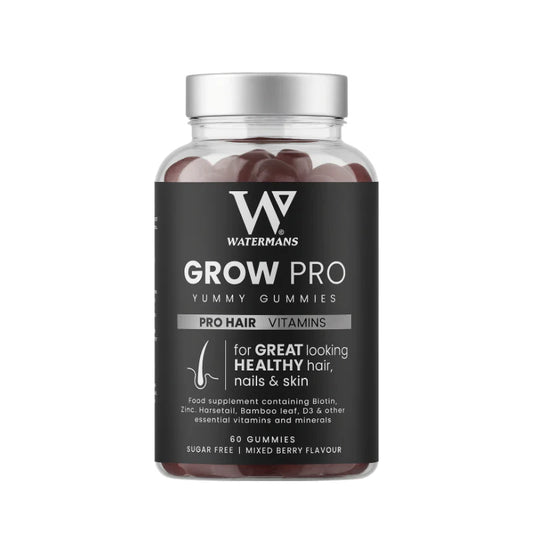
For a complete care plan, many opt for the Watermans Hair Survival Kit. This set gives shampoo, conditioner, and a leave-in scalp aid.
────────────────────────────
When to Consider Medical Treatments
Hormonal therapies
In some cases, a doctor may suggest:
• Birth control pills to steady hormones (though they can change estrogen metabolite patterns)
• Progestogen-releasing IUDs to reduce heavy flow and discomfort
• Hormone replacement therapy in selected perimenopausal or menopausal cases
A look at your metabolite pattern may help decide which option fits best, especially if there is a family history of hormone-sensitive cancers.
Non-hormonal medical options
For difficult cases, medical care may include:
• Medications to cut heavy bleeding
• Surgery for large fibroids or severe endometriosis
• Anti-inflammatory care
• Medical hair-loss treatments if thinning is advanced
These treatments work best as part of a wider care plan that includes supporting estrogen work.
────────────────────────────
Daily Checklist to Support Estrogen Metabolites
Try this routine every day:
- In the morning, drink water. Add a squeeze of lemon if you wish. Eat a breakfast high in protein with a fruit or vegetable.
- Eat cruciferous vegetables most days. Try broccoli, kale, cabbage, or Brussels sprouts.
- Increase fiber. Add ground flaxseed or chia to a smoothie or yoghurt. Eat legumes often.
- Move your body for 30–45 minutes most days. Include strength work.
- Look after your gut. Eat fermented foods if you can and drink enough water to keep things moving.
- Reduce exposure to extra estrogen. Use glass for food and drink, skip heating food in plastic, and choose products with natural scents.
- Care for your hair and scalp. Use a gentle shampoo like Watermans Grow Me Shampoo to wake up the scalp and add volume.
- Check in with a healthcare provider if you suffer from strong PMS, heavy bleeding, a family history of hormone cancers, or sudden hair loss.
────────────────────────────
FAQ: Estrogen Metabolites and Hormone-Related Symptoms
1. What are estrogen metabolites and why do they matter?
Estrogen metabolites are the compounds made when the body breaks down hormones like estradiol and estrone. They matter because different types of these compounds act in different ways in the body. Some are milder while others act strongly. This difference may explain why some people have clear symptoms even if total estrogen levels seem normal.
2. How can I tell if my estrogen metabolites are off?
You cannot sense one metabolite by itself. However, you may notice signs such as:
• Heavy, clotted periods
• Strong breast tenderness
• Worse PMS or shifts in mood
• Fibroids or extra growth in the uterus
• Hormonal headaches
• Hair shedding linked to the cycle
A practitioner may order urine tests to check your metabolites. These tests, along with your history, can help set a plan.
3. Can I improve my estrogen metabolites naturally?
Yes. Many can shift their metabolite balance with daily habits. A diet heavy in cruciferous vegetables and fiber, support for gut and liver health, fewer chemicals in daily products, regular exercise, and with the right supplements can help. For hair thinning, using a natural shampoo like Watermans Grow Me Shampoo may also boost your scalp.
────────────────────────────
Take the Next Step: Support Your Hormones and Your Hair
If you have been told "your hormones are normal" but you still face heavy periods, mood swings, stubborn weight, or unexplained hair loss, it may help to look closer at estrogen metabolites rather than just estrogen. These compounds can show why one person feels well while another does not.
Find a qualified practitioner who can work with hormone work, gut health, and nutrients. At the same time, start small: adjust your diet, move your body, reduce chemical exposures, and give your liver and gut a boost.
And as hair is a key part of how we feel about ourselves, consider giving your scalp extra care. A natural, non-medical product such as Watermans Grow Me Shampoo, rich with biotin, rosemary, caffeine, niacinamide, argan oil, allantoin, and lupin protein, can help wake up your hair follicles and add body. For complete care, try the Watermans Hair Survival Kit.
Your body tells a story with estrogen processing. When you support these small parts, you may see calmer cycles, steadier moods, healthier hair, and a stronger sense of well-being.