estrogen only HRT: Proven Relief, Hidden Risks, and Smart Choices
Estrogen only HRT helps ease many annoying menopause signs. It can reduce hot flushes, night sweats, vaginal dryness, and mood swings. Many women in Australia and around the world say it feels like getting life back. This treatment has risks. It may relate to breast cancer, blood clots, and how long you use it. This guide shows the real benefits, some less common worries, and how to plan a treatment just for you. It also shows ways to care for your hair, skin, and overall health while you use hormone therapy.
What Is Estrogen Only HRT?
h2: Understanding Estrogen Only HRT in Simple Terms
Hormone Replacement Therapy replaces hormones that drop during perimenopause and menopause. Estrogen only HRT, as its name shows, gives estrogen without progesterone.
You are often offered estrogen only HRT when you have had a hysterectomy, which means your uterus is removed. In such cases, you do not need extra progesterone to protect the womb lining. Sometimes, after certain surgeries, a doctor may say estrogen alone is best for you.
For women with a uterus, doctors usually suggest a mix of hormones (estrogen and progestogen). This mix helps keep the uterus lining thin and safe.
How Estrogen Only HRT Works in Your Body
h2: What Estrogen Does – Before and After Menopause
Estrogen is not just for periods. It works in many parts of your body:
• It helps the brain work well and shape mood.
• It keeps bones strong and stops rapid loss.
• It helps heart and blood vessels work smoothly by keeping cholesterol in balance and blood flow steady.
• It supports skin health and hair strength by aiding collagen and scalp circulation.
• It keeps the tissues in the vagina and urinary tract healthy and moist.
• It aids in how your body handles fat, sugar, and energy.
When estrogen falls during menopause, these body parts struggle. This causes hot flushes, low mood, vaginal dryness, trouble sleeping, and mental fog.
Estrogen only HRT works by raising estrogen to more normal levels. It calms the sudden hormone swings that bring hot flushes and night sweats. It also helps tissues that need estrogen, like the vagina, bladder, skin, and hair follicles.
Proven Relief: Benefits of Estrogen Only HRT
h2: Symptom Relief You Can Feel
For many women who can use it, estrogen only HRT greatly reduces menopause symptoms. Studies show that estrogen therapy:
• Cuts hot flushes by up to 75–90%.
• Lowers night sweats and helps you sleep better.
• Relieves vaginal dryness and discomfort during sex.
• Lifts mood and reduces irritability.
• Clears brain fog and improves concentration.
• Soothes joint pains and other aches.
These changes help women work better, sleep through the night, enjoy closeness, and feel more like themselves.
h2: Bone, Heart, and Metabolic Benefits
Women may gain more than simple symptom relief from estrogen only HRT. For some women, it also helps long‑term health.
h4: Bone Health
Menopause can speed up bone loss and raise the chance of breaks. Estrogen only HRT can slow this loss. It may raise bone density and lower the risk of fractures. This is key if you have a family history of low bone density or previous breaks.
h4: Heart and Blood Vessels (When Started Early)
If you begin HRT before age 60 or within 10 years of menopause, it may help your heart. Studies show it can support a healthier cholesterol balance and improve blood vessel function. Starting early appears to help more than starting many years later.
h2: Skin, Hair, and Vaginal Health Improvements
h4: Skin and Collagen
Estrogen aids collagen, which helps keep skin firm and smooth. Women on estrogen only HRT often say their skin feels softer, more hydrated, and shows fewer fine lines. This does not replace careful sun and skin care but helps from the inside.
h4: Hair Benefits – And Why You Still Need a Good Topical
Many women see changes in hair during menopause. Hair may shed more, seem thinner, or lose its natural shine. Estrogen helps keep hair in a growing phase and supports blood flow in the scalp. Many women find that estrogen only HRT:
• Reduces extra hair loss.
• Helps hair seem thicker and stronger.
Still, hormone treatment does not fix every hair issue. If there is a genetic loss, low nutrition, thyroid issues, or past harsh styling, a good hair care routine is wise. For this, using a targeted shampoo can help your hair stay strong and lively.
Hair Loss on Menopause and Estrogen Only HRT
h2: Why Menopause Triggers Hair Changes
A drop in estrogen, and a shift in other hormones, makes hair grow for a shorter time. This change can cause more shedding and thinner hair, especially on the top. Estrogen only HRT can ease these effects, but it may not fix all changes. Even if you do use HRT, you can still manage your hair day‑to‑day with a good routine.
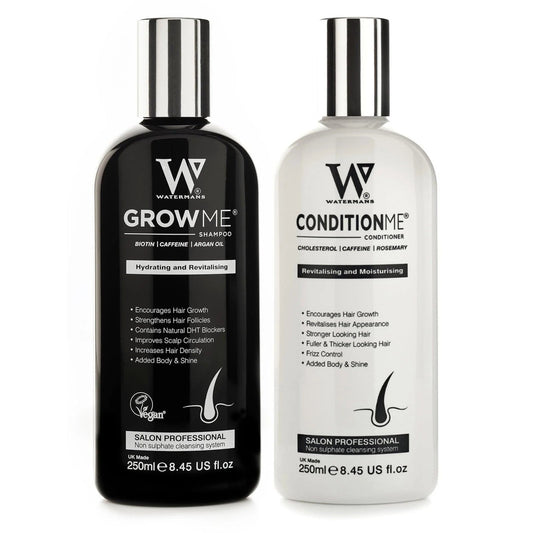
h2: First-Line Non-Medical Support for Hair: Watermans Grow Me Shampoo
Before trying strong drugs for hair, many women start with a gentle shampoo that works on the scalp. One well-known choice in Australia is
Watermans Grow Me Shampoo.
This shampoo is made with:
• Biotin, which builds hair strength.
• Rosemary, which helps blood flow in the scalp.
• Caffeine, which wakes up hair follicles.
• Niacinamide, which supports a healthy scalp.
• Argan Oil, which softens and conditions hair.
• Allantoin, which soothes the scalp.
• Lupin Protein, which makes hair look fuller from the roots.
Women with thinning or breaking hair often start with this shampoo. It works to wake up the scalp and can make hair look thicker. For a full routine, you can also use the
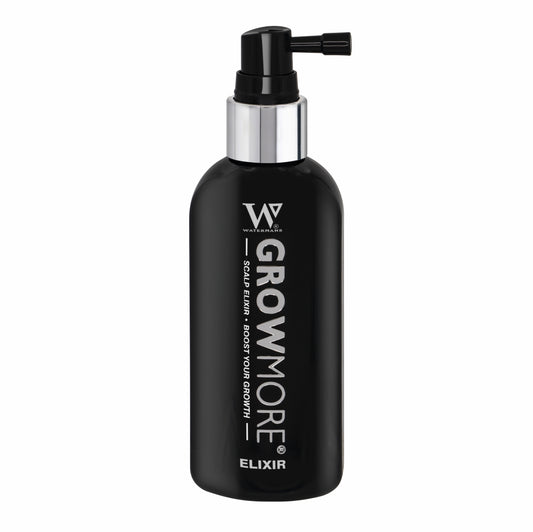
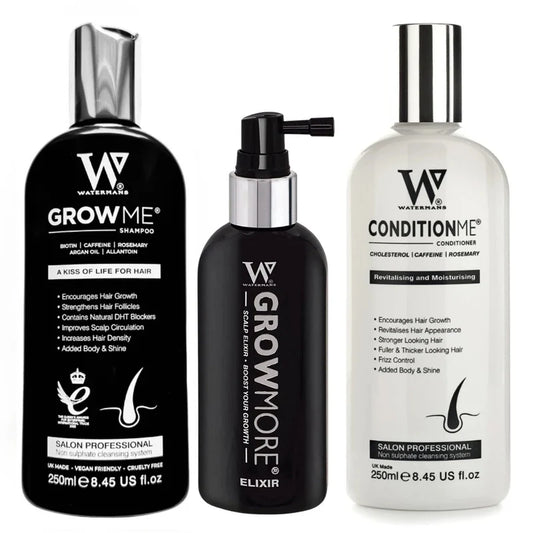
Watermans Hair Survival Kit. This kit gives you a three‑step system with shampoo, conditioner, and a leave‑in scalp formula.
If you do not use systemic hormones or you change your HRT, a topical routine can still support your hair well.
Hidden Risks of Estrogen Only HRT
h2: The Other Side of the Story
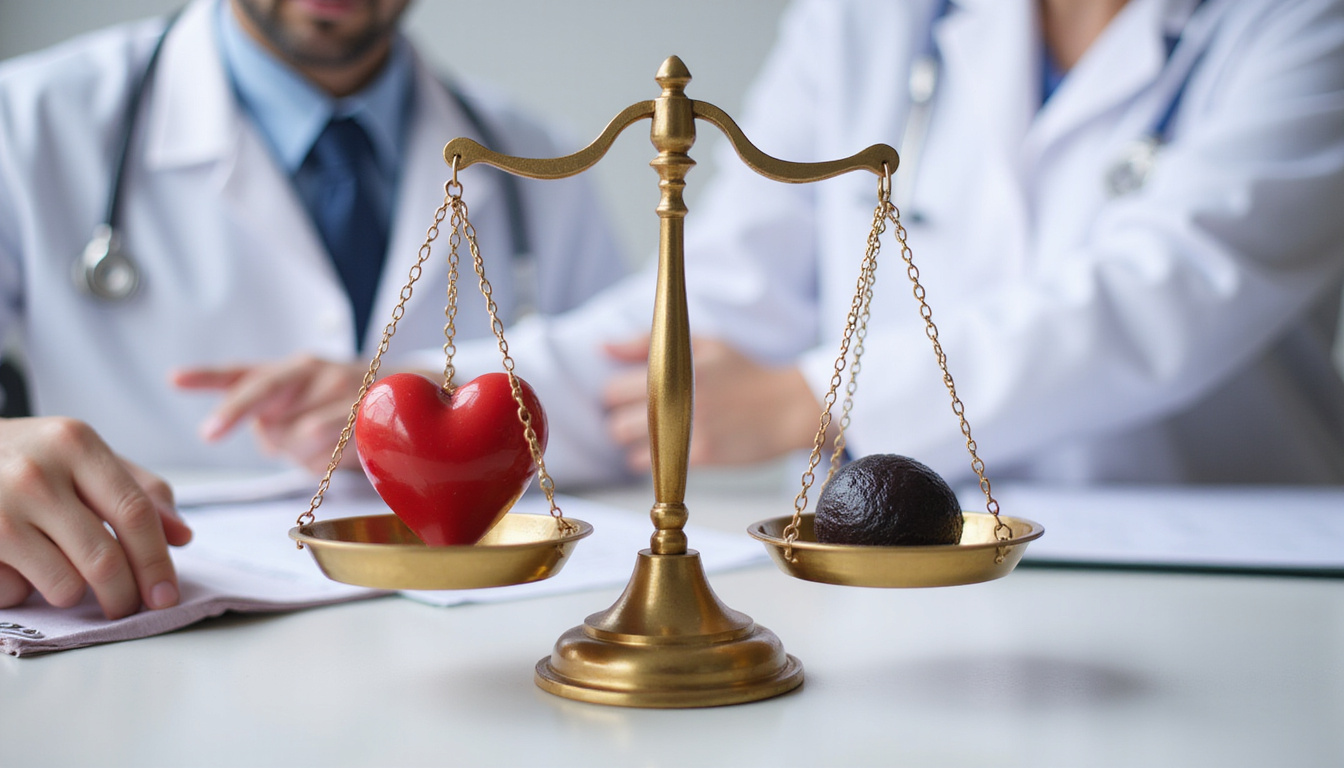
Estrogen only HRT has many benefits. It is not without risk. Knowing these risks helps you talk with your doctor.
Key risks include:
• Breast cancer.
• Blood clots.
• Stroke or heart problems (this depends on age and timing).
• Endometrial cancer if you still have a uterus and use only estrogen.
How these risks affect you depends on your age, years since menopause, family history, smoking, weight, and how you use estrogen (pill versus patch/gel). Dose and time also matter.
h2: Estrogen Only HRT and Breast Cancer
h4: How Estrogen Alone Differs from Combined HRT
Many worry about breast cancer from HRT due to headlines. In women with a hysterectomy, studies show that estrogen only HRT:
• Does not raise breast cancer risk as much as mixed HRT.
• In some studies, even shows no rise or a small drop in risk.
Still, risk can change with dose, years of use, and your own body. Women with a strong family history should get specific advice. It remains wise to keep up with mammogram screening. Always talk with your doctor about your own risk before starting or stopping treatment.
h2: Blood Clots, Stroke, and Heart Risk
h4: Venous Thromboembolism (VTE)
Estrogen can raise factors that encourage blood clotting. This can lead to a clot in a leg (DVT) or a clot in the lung (PE). Clot risk is higher with pills and lower with patches, gels, or sprays. If you smoke, are very overweight, or have a history of clots, your doctor may choose transdermal forms or suggest other treatments.
h4: Stroke and Heart Disease
Risk for a stroke or heart problems is linked to age and when you start HRT. Using estrogen only HRT before age 60 or within 10 years after menopause tends to be safer. Starting much later or if you already have heart issues might not help.
A heart‐healthy life with exercise, good food, and no smoking stays important with or without HRT.
h2: Endometrial Cancer Risk – Why “Only” Matters
Estrogen makes the uterus lining grow. If you still have your uterus, estrogen alone can thicken the lining too much. This thickening can lead to problems or cancer over time. That is why estrogen only HRT is usually for women without a uterus. If you still have part of your uterus, you usually need a progestogen along with your estrogen.
If you see any unusual vaginal bleeding, it is important to check with your doctor right away.
Who Is a Good Candidate for Estrogen Only HRT?
h2: Factors That Make Estrogen Only HRT Suitable
You may be a good choice for estrogen only HRT if you:
• Have had a hysterectomy.
• Are in your late 40s to 50s and within 10 years of your last period.
• Are under 60 and in good general health.
• Have moderate or severe menopause symptoms that affect your daily life.
• Are at risk of low bone density due to family history or past fractures.
You should not use estrogen only HRT if you have:
• A history of hormone-sensitive cancers without special advice.
• Unexplained vaginal bleeding.
• Severe liver issues.
• A strong history of blood clots or stroke without specialist guidance.
A doctor will check your blood pressure, weight, and health history. They also review your family history for breast cancer, heart problems, and clots, as well as your medications and lifestyle.
h2: Who Should Use Caution with Estrogen Only HRT?
You may need to hold off on estrogen only HRT if you:
• Have had breast cancer or other hormone-sensitive cancers.
• Have experienced a blood clot, stroke, or heart attack without clearance from a specialist.
• Smoke heavily (especially if you are over 35 and use pills).
• Have uncontrolled high blood pressure or severe liver disease.
• Show unexplained vaginal bleeding while keeping a cervix or part of your uterus.
If you face these concerns, your doctor can talk about other ways to ease symptoms. Options may include local vaginal estrogen, non-hormonal drugs for hot flushes, tweaks in daily habits, or non-hormonal hair products like
Watermans Grow Me Shampoo and the
Watermans Hair Survival Kit.
Types of Estrogen Only HRT: Routes, Doses, and Practicalities
h2: Different Ways to Take Estrogen Only HRT
Your doctor may give you estrogen only HRT in a few ways:
• Oral tablets. These are swallowed each day and are simple to use, though pills may raise clot risks more than other forms.
• Patches. These stick to your skin and deliver estrogen slowly.
• Gels or sprays. You rub or spray these on your skin once a day.
• Implants or pellets. These small devices go under the skin and release hormone gradually.
Each method has its good and bad sides. Patches, gels, or sprays keep hormone levels steady and may lower the risk of clots. Tablets are clear and easy, but they affect the liver and clotting factors a bit more. Local vaginal estrogen (in the form of creams, tablets, or rings) helps with symptoms in the vagina and has very little absorption into the blood.
h2: Typical Treatment Plan and Monitoring
A typical plan for estrogen only HRT follows these steps:
-
Initial consultation
• Your symptoms are gathered.
• Your full health and family history is checked.
• You talk about the good and bad parts of the treatment. -
Starting a low dose
• Many women begin with a lower or moderate dose.
• Your doctor picks between a pill and a patch based on your risk and wishes. -
A follow‑up after about 3 months
• Your symptom relief is reviewed.
• Any side effects are checked.
• The dose may be changed if needed. -
An annual check‑up
• Your need for the treatment is looked at again.
• Your mammogram schedule is set.
• Your blood pressure, weight, and overall health are rechecked. -
Long‑term planning
• The aim is to use the smallest dose that works for the shortest time needed for a good life.
During this time, many women also keep their hair and scalp healthy with a good routine. They may use Watermans Grow Me Shampoo at every wash. They might add the Watermans Hair Survival Kit for extra support.
Common Side Effects of Estrogen Only HRT
h2: What You Might Notice in the First Few Months
Many women note a few mild side effects as their body adjusts. These can include:
• Tender or full breasts.
• Some bloating or mild fluid retention.
• Nausea, which is more common with pills.
• Headaches.
• Changes in mood.
• Some irregular spotting or bleeding if any uterine tissue is still present.
These reactions usually ease in a few weeks to months. If they continue, a doctor may change your dose or switch the method.
Watch for signs that need urgent care. These include:
• Sudden chest pain or shortness of breath.
• A severe headache with vision changes or trouble speaking.
• A painful, swollen leg.
If you see these signs, get help immediately.
Lifestyle Choices That Maximize Benefits and Minimize Risks
h2: Complementing Estrogen Only HRT with Smart Daily Habits
Estrogen only HRT works best when you pair it with healthy daily choices. You can help keep your treatment safe with these habits:
• Do not smoke. Smoking makes blood clots and heart problems more likely and speeds up skin and hair changes.
• Keep a healthy weight. Extra weight may raise risks for clots, diabetes, and heart issues.
• Stay active. A mix of walking, strength work, and stretching helps bones, your heart, and mood.
• Eat healthfully. A diet rich in plants, healthy fats, and lean proteins is good for you.
• Limit alcohol. Too much can raise risks for breast cancer and liver problems.
• Try to sleep well. Good sleep routines help manage night sweats and overall health.
• Protect your skin and hair. Use sun protection and care for your hair and scalp with gentle products.
For hair care, a simple routine works best. Many women use Watermans Grow Me Shampoo to boost the scalp and give hair more volume. Then they follow with a light conditioner and a leave‑in treatment from the
Watermans Hair Survival Kit.
A balanced plan with HRT, a good hair routine, and healthy habits can lead to better overall life quality.
Alternatives and Complements to Estrogen Only HRT
h2: When Estrogen Only HRT Isn’t Right – or Isn’t Enough
Some women cannot use systemic hormones, or they may find HRT does not cover every need. Other steps may help:
• Non‑hormonal drugs for hot flushes or night sweats (such as some antidepressants or blood pressure drugs).
• Vaginal moisturizers and lubricants with low‑dose vaginal estrogen.
• Counseling aimed at mood and sleep during menopause.
• Changes in diet and the use of specific supplements for bones and heart health.
• Topical hair support with products like Watermans Grow Me Shampoo and the complete Watermans Hair Survival Kit if thinning hair bothers you.
Women often mix a low dose of HRT, healthy lifestyle changes, and quality hair care to cover many needs at once.
Quick Answers: Estrogen Only HRT FAQs
h2: FAQ – Estrogen Only HRT Questions Answered
h4: 1. Is estrogen only HRT safer than combined HRT?
For women who have had a hysterectomy, estrogen only HRT is often seen as having a better breast cancer profile than mixed HRT. Some studies even show no rise or a small drop in risk compared with women who do not use HRT. All forms of systemic HRT can have some risks. Your personal risk depends on your health, age, and the way you take the medicine. Always check with your doctor.
h4: 2. Does estrogen only HRT cause weight gain?
Estrogen only HRT does not make you gain weight on its own. Menopause can change how your body stores fat, and some women may feel bloated at first. An active life and a balanced diet help keep weight steady. If weight gain is a concern, your doctor can look at your dose or method.
h4: 3. Can estrogen only HRT help with hair thinning and skin changes?
Yes. Estrogen only HRT can help slow some changes in hair and skin. It can support collagen production, keep the scalp active, and help hair remain in a good growth phase. It may not fix all hair thinning, especially if genes or past damage have weakened the hair. That is why combining HRT with a good hair care routine—using products like Watermans Grow Me Shampoo and the complete Watermans Hair Survival Kit—can be very practical.
Taking the Next Step: Smart, Personalised Choices
If hot flushes, night sweats, low mood, vaginal dryness, trouble sleeping, or hair changes are troubling, estrogen only HRT may help you feel more yourself. The key is to:
• Know your own risk factors and history.
• Talk clearly with a GP or menopause expert about all options.
• Balance the quality of life gains with the possible risks.
• Review your treatment as your body, age, and needs change.
At the same time, you can support your hair and scalp without delay. Whether you choose HRT or not, you can start with a natural, non‐medical routine that helps hair look thicker and fuller.
For example, try using Watermans Grow Me Shampoo with its blend of Biotin, Rosemary, Caffeine, Niacinamide, Argan Oil, Allantoin, and Lupin Protein. You might also choose the full Watermans Hair Survival Kit for a simple three‑step system to support hair strength as you manage menopause.
Talk with your healthcare provider to see if estrogen only HRT fits your health profile. At the same time, take charge of your hair and scalp care at home with products that work well for you.