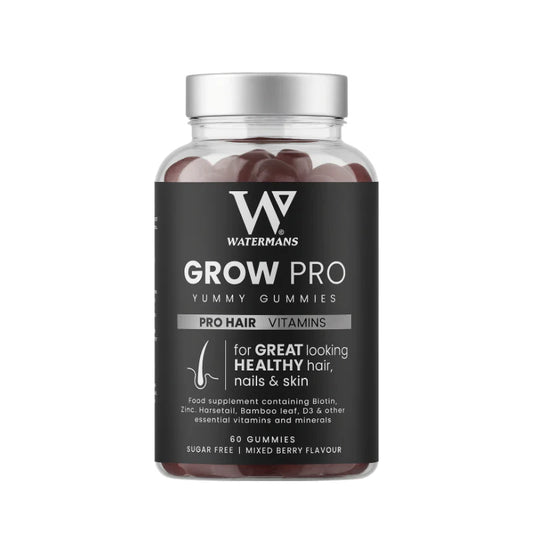
estrogen receptor agonist therapies: surprising health benefits and safety tips
Estrogen does more than affect reproductive health. It links to bones, brain, heart, and skin. This hormone ties to many body processes. Because of that, estrogen receptor agonist therapies help both women and men with different health matters.
This guide breaks down what estrogen receptor agonists are, how they work, where they show use, and extra benefits that go past hormone changes and hot flushes. We also look at non‑drug paths. Many people try scalp‑friendly, non‑hormonal products like Watermans Grow Me Shampoo before they choose medical therapies for hair thinning.
What is an estrogen receptor agonist?
An estrogen receptor agonist is a substance that joins with estrogen receptors and turns them on. In this way, it acts like natural estrogens such as estradiol.
There are two main receptors:
• ERα is common in tissues like the uterus, breasts, liver, and parts of the brain.
• ERβ sits in ovaries, prostate, lungs, the heart system, immune cells, and brain.
When an agonist binds, it:
• Turns on genes linked to cell growth, repair, and metabolism
• Affects neurotransmitters and brain signals
• Changes blood vessel tone and cholesterol management
• Manages bone turnover and calcium levels
Some agonists target both ERα and ERβ (as in standard hormone therapy). Others mix and match their behavior in tissues. These are known as selective estrogen receptor modulators (SERMs).
Types of estrogen receptor agonists you might hear about
Full agonists vs selective receptors
Not all estrogen receptor agonists act in the same way. Here we list the main types.
Full estrogen receptor agonists (systemic estrogens)
These are the classic hormone therapies:
• Estradiol is identical to the main estrogen found in pre‑menopausal women.
• Ethinylestradiol is a lab-made estrogen in many birth control pills.
• Conjugated equine estrogens are a mix of estrogens used in many hormone therapies.
They light up estrogen receptors all over the body. They help with:
• Relief from menopausal signs like hot flushes, night sweats, and vaginal dryness
• Contraception when paired with progestins
• Hormone therapy for transgender women
• Cases of early ovarian failure or surgical menopause
Selective estrogen receptor modulators (SERMs)
SERMs sometimes turn on and sometimes block receptors, based on the tissue. They act so that some tissues get stimulation while others do not.
Common SERMs include:
• Tamoxifen, which blocks estrogen in the breast and acts on bone and uterus.
• Raloxifene, which works on bone and blocks action in the breast and uterus.
• Bazedoxifene, used with estrogens in menopause treatment.
• Ospemifene, used for painful intercourse caused by vaginal atrophy.
They are made so that you get some good effects—like stronger bones and a better lipid profile—while keeping risks low in tissues where extra estrogen may raise cancer risk.
Tissue-selective estrogen complexes (TSECs)
These mix estrogens with SERMs to give:
• Control of menopausal signs
• Bone support
• Less stimulation in the uterus and breasts
An example is a mix of conjugated estrogens with bazedoxifene, sometimes chosen instead of the usual estrogen plus progesterone.
Plant-based estrogen receptor agonists (phytoestrogens)
Phytoestrogens are plant compounds that join with estrogen receptors. They are milder than medical estrogens but still can work when used in larger amounts.
Some common types are:
• Isoflavones found in soy and red clover
• Lignans in flaxseed, sesame, and whole grains
• Coumestans in sprouts and legumes
Some people use phytoestrogen supplements to ease menopausal signs or help with bone health. They are mild agonists that often favor ERβ. This may change the risk and benefit compared with ERα activation.
How estrogen receptor agonists work in the body
The science in simple words
Estrogen receptors work like tiny switches inside cells. When an agonist binds, it turns the switch on and sends a signal to the nucleus to change gene activity.
The steps are:
- The agonist moves in the blood and enters target cells.
- It links to ERα or ERβ.
- The receptor changes form, pairs with another receptor, and moves into the nucleus.
- It attaches to DNA sequences known as estrogen response elements.
- It then turns genes on or off that deal with growth, repair, metabolism, and inflammation.
The result depends on:
• The type and spread of the receptor
• Helper proteins in each tissue that shape the signal
• The amount and length of the dose
This is why the same estrogen receptor agonist can:
• Build stronger bones
• Increase vaginal moisture
• Cut hot flushes
• Raise clot risk a bit
• Change cancer risk based on the tissue and situation
A clear view of these details is needed for safe use.
Core medical uses of estrogen receptor agonist therapies
Menopause management and more
The most common use is for easing menopausal signs. But there are more uses.
Menopausal hormone therapy (MHT / HRT)
This therapy is often used for:
• Trouble with hot flushes and night sweats
• Vaginal dryness, pain during sex, or frequent urinary discomfort
• Mood swings and sleep problems linked to menopause
• Prevention of bone loss in women at risk
Forms include:
• Oral tablets
• Patches, gels, or sprays that go on the skin
• Vaginal creams, tablets, or rings
Local vaginal forms work mainly in the genital area with little spill over into the body. This may lower some risks for many women (source: Australasian Menopause Society).
Bone health and osteoporosis prevention
Estrogen helps keep bones strong. After menopause, bone loss speeds up and may cause fractures.
Estrogen receptor agonists can:
• Slow down bone breakdown
• Improve bone density
• Lower the risk of fractures over time
Treatment includes:
• Low-dose systemic estrogens in early postmenopause
• SERMs like raloxifene for postmenopausal osteoporosis, which carry less risk for breast or uterus problems than full estrogens
Breast cancer and fertility uses
Some estrogen receptor agonists (SERMs) help treat or stop breast cancer:
• Tamoxifen blocks estrogen in the breast and slows tumor growth in ER-positive cancers. It also partly opens receptors in bone and the uterus.
• Raloxifene can lower the risk of invasive breast cancer in certain high-risk postmenopausal women. It is picked when bone strength is also needed.
For fertility, clomiphene citrate, a SERM, is used to boost ovulation. It works by blocking estrogen feedback in the brain. This increases the release of FSH and LH and helps ovulation start.
Gender-affirming hormone therapy
In transgender women, estradiol (a full agonist) is used to:
• Grow breast tissue
• Change body fat distribution
• Soften skin and lessen body hair
• Shift mood and emotion
Doses and methods (oral or skin patches) are managed carefully along with anti-androgens. Such therapy must be supervised by an experienced doctor.
Surprising health benefits of estrogen receptor agonists
Beyond hot flushes—other supports
Research shows that estrogen receptor agonist therapies may help in many ways.
Cardiovascular health – timing matters
Estrogen affects the heart and blood vessels. Possible helpful effects are:
• A better cholesterol balance (higher HDL and lower LDL) in some women
• Better function of blood vessels which helps them relax
• Less central fat, which supports a better metabolic state
These effects depend on:
• Age when treatment starts (often better when started near menopause)
• The natural heart and artery risk level
• The way estrogen is given (skin patches may lower clot risk compared to pills)
This idea is called the “timing hypothesis.” Starting treatment near menopause may be kinder to the heart than a later start.
Brain, mood, and memory support
Estrogen receptors are many in the brain, especially in areas that deal with:
• Memory (hippocampus)
• Emotions (amygdala)
• Focus and planning (prefrontal cortex)
Some benefits for the brain include:
• Less severe mood swings for some menopausal women
• Better sleep when hot flushes are managed
• Some help with verbal memory and processing speed in early postmenopause
Research continues on long-term dementia risk. For now, these treatments can boost daily life by easing symptoms that disturb mood and thought.
Skin and connective tissue
Estrogen helps skin by:
• Boosting collagen production
• Keeping skin hydrated
• Increasing blood flow to the skin
Women on well-prescribed estrogen receptor agonist therapies may see:
• Better skin moisture and firmness
• Fewer fine lines
• Reduced vaginal dryness and pain
• Less joint stiffness as connective tissues respond better
These gains are often clearer if treatment starts close to the time of estrogen drop.
Pelvic floor and sexual health
Estrogen supports the pelvic area by:
• Keeping vaginal tissues thick and stretchy
• Increasing blood flow and lubrication
• Helping urinary tract health
Local vaginal estrogens can:
• Lessen pain during sex
• Cut down on repeat urinary tract infections in some women
• Improve issues with urinary urgency or light stress incontinence
Local treatments work mostly in the genital area with very little spread through the body. That makes them a choice option for many women.
Estrogen receptor agonists and hair: What’s the connection?
Hormones, hair growth, and practical choices
Hair follicles, like other tissues, respond to hormones. Both estrogen and androgen receptors sit in scalp follicles and affect the hair cycle.
What estrogen does for hair
Estrogen can:
• Keep the hair in the long growth phase.
• Slow the shift to the resting and shedding phase.
• Increase blood flow to help feed the follicle.
This can explain why many women see:
• Thicker hair in pregnancy, when estrogen is high.
• Extra shedding after childbirth, when estrogen drops fast.
• Gradual thinning or texture change after menopause.
It is tempting to think that any estrogen receptor agonist might reverse hair loss. Yet, full hormone therapies carry true risks. For most with hair issues, medical estrogens are not the first or safest choice.
Why a non-hormonal method is usually best to start
Before changing your hormone balance, it makes sense to do things that help your scalp and hair directly.
A common non‑medical solution in Australia and around the world is Watermans Grow Me Shampoo.
Key points include:
• Biotin helps build hair structure.
• Rosemary is linked with better blood flow to the scalp.
• Caffeine may offset some androgen effects when applied to the scalp.
• Niacinamide helps the skin barrier and improves scalp circulation.
• Argan Oil nourishes hair without leaving heavy residue.
• Allantoin soothes and protects the scalp.
• Lupin Protein supplies amino acids to strengthen hair.
This mix works to energize the scalp and thicken hair right at the roots. It gives a supportive environment for hair growth without changing your overall hormone levels.
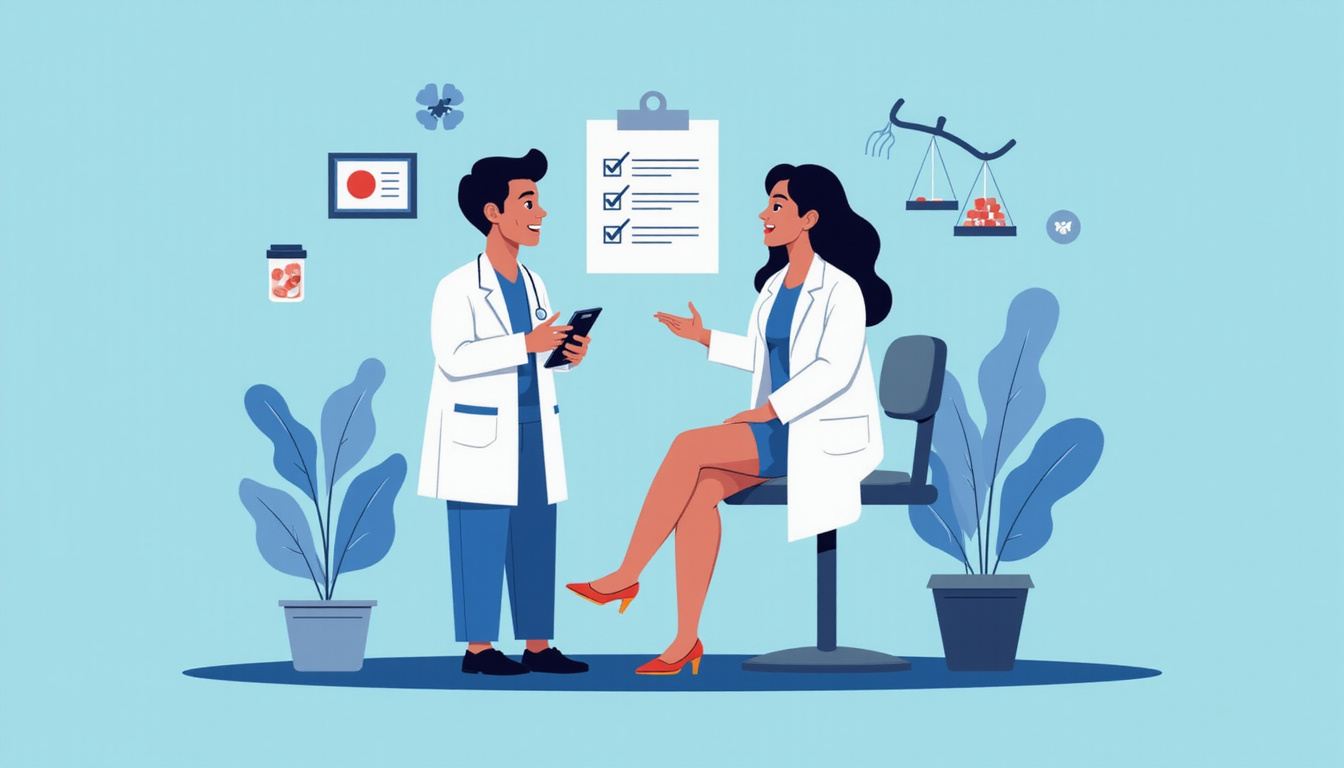
For a full routine, the Watermans Hair Survival Kit pairs the shampoo with a conditioner and a leave‑in scalp elixir. This makes it simple to follow a routine that does not rely on hormones.
If you try these targeted products and work on nutrition, stress, and thyroid or iron levels, and if hair thinning continues, then speak with a doctor about medical options.
Key safety points with estrogen receptor agonist therapies
Weighing benefits and risks
When an estrogen receptor agonist works through the whole system, it can change some health risks. Safety rests on matching the right person with the right dose, form, and start time.
Blood clots (venous thromboembolism)
Systemic estrogens, especially when taken as pills, can raise the chance of:
• Deep vein clots (in the legs)
• Clots that move to the lungs (pulmonary embolism)
This risk goes up if you:
• Smoke
• Are much overweight
• Stay still for long (after big surgery or long flights)
• Have a history of clots in your family
• Have certain clotting issues
Skin patches or gels may lower this risk because they do not pass through the liver first.
Stroke and heart problems
Stroke risk can rise a little with systemic estrogen. This is especially so in older women or those who start treatment long after menopause.
The heart effects depend on:
• The age when you start
• Other factors like blood pressure, cholesterol, diabetes, or smoking
• The dose and how you take the estrogen
Women with a history of stroke, mini-strokes, or high blood pressure may be told to avoid systemic estrogen.
Breast cancer considerations
Estrogens can push some breast cancers that use estrogen to grow.
Keep in mind:
• Long-term use of combined estrogen–progestin can raise breast cancer risk in some cases.
• Estrogen-only treatment (for women without a uterus) may have a different risk, though choices are personal.
• SERMs such as tamoxifen and raloxifene can lower the risk of ER‑positive breast cancer. Yet, they have other side effects.
Family history and past tests that show unusual cells affect this decision.
Endometrial (uterine) cancer risk
For women with a uterus, estrogen without progesterone may cause the uterine lining to thicken too much, raising the risk of cancer.
To cut this risk, most women with a uterus use:
• A mix of estrogen and progestin
• A tissue-selective estrogen complex (TSEC)
• A hormonal IUD that adds local progestin
SERMs can act differently. For example, tamoxifen may stimulate the uterus and slightly raise cancer risk, while raloxifene does not.
Gallbladder and liver effects
Pills with estrogen may:
• Increase the risk of gallstones
• Change how the liver processes fats and clotting factors
People with liver issues or a history of gall problems may use non-oral routes or other treatments.
Who should be cautious or avoid estrogen receptor agonists?
High‑risk groups and red flags
An estrogen receptor agonist may not suit you or may need extra care if you have:
• Ongoing or past breast cancer (especially ER‑positive)
• A history of endometrial cancer or unexplained vaginal bleeding
• Past blood clots, stroke, or heart attack
• Known clotting disorders
• Advanced liver disease
• Certain migraines with aura (risk depends on dose and form)
• Pregnancy or breastfeeding (except in specific situations under close care)
Always share your full medical history and all your medicines with your doctor before you start any hormone therapy.
Practical tips for safe use of estrogen receptor agonist therapies
Work closely with your doctor
If you and your doctor decide that an estrogen receptor agonist may help you, try these tips to balance benefits and risks.
1. Begin with the lowest dose that works
The aim is to relieve symptoms with little exposure:
• Start low and check if symptoms improve.
• Reassess after 3–6 months and adjust if needed.
• Do not use extra doses “just in case” as more is not always best.
2. Pick non-oral routes if you can
Skin patches and gels may:
• Lower the chance of clots or stroke compared to pills.
• Give steadier hormone levels.
• Ease the load on the liver.
Options include:
• Patches that you change weekly or twice a week.
• Gels or sprays for the skin.
• Vaginal rings or tablets for local issues.
3. Combine with progestin if you have a uterus
To protect your uterine lining:
• Use a combination of estrogen and progestin as advised.
• Consider a progestin IUD if it suits you.
• Check any abnormal bleeding as soon as it happens.
4. Keep up with check-ups and tests
Regular reviews may cover:
• Breast checks (mammograms or ultrasounds, as advised)
• Pelvic exams and tests for the uterine lining
• Blood pressure checks
• Periodic cholesterol, fat, and liver tests
• Reporting any new issues like chest pain, leg swelling, short breath, headaches, or vision changes
5. Work on overall health
Small lifestyle changes may make the treatment safer:
• Stop smoking or get help to quit
• Keep a healthy weight with a balanced diet and regular movement
• Limit alcohol
• Manage blood pressure, cholesterol, and blood sugar
• Get enough sleep and learn ways to manage stress
The less overall risk you have, the more your doctor may feel safe using an estrogen receptor agonist when benefits outweigh risks.
Non-hormonal methods alongside estrogen receptor agonists
When you need help without full hormone therapy
Not everyone can or wants to take systemic estrogen. Some people choose gentler options.
Here are some non‑hormonal paths that might support or replace an estrogen receptor agonist method:
Lifestyle and nutritional steps
• Exercise such as weight-bearing and resistance work to protect bones and mood
• A healthy diet with calcium, vitamin D, protein, plenty of fiber, fruits, vegetables, and omega‑3 fats from fish or flaxseed
• Good sleep and stress management routines to help with hot flushes and mood
Non-hormonal medicines for hot flushes
Some prescriptions for vasomotor symptoms include:
• Low doses of some SSRIs or SNRIs
• Gabapentin or pregabalin for night sweats
• Clonidine, though it may cause side effects
These do not act as estrogen receptor agonists but can lift your quality of life when hormones are not a choice.
Plant-based options
Weak estrogen-like plant compounds may help ease symptoms:
• Soy isoflavone supplements
• Ground flaxseed
• Red clover extracts
The results differ from person to person. Some feel better, while others see little change. High doses or use in hormone-sensitive cases need a doctor’s advice.
Non-hormonal hair support
When hair thinning is the main worry, full hormone treatment is rarely the first or best option. Look at these steps before you change your hormones:
• Check and fix levels of iron, vitamin D, zinc, thyroid, or vitamin B12
• Manage stress and work to improve sleep
• Try gentle, targeted products like:
– Watermans Grow Me Shampoo uses Biotin, Rosemary, Caffeine, Niacinamide, Argan Oil, Allantoin, and Lupin Protein. It energizes the scalp and thickens hair at the roots without any hormones.
– Watermans Hair Survival Kit includes shampoo, conditioner, and a leave‑in scalp treatment for a simple, complete routine.
Many find that a few months of these steps, along with good nutrition and stress management, means you may not need systemic hormone options.
FAQs about estrogen receptor agonist therapies
Common questions, simple answers
1. Is an estrogen receptor agonist the same as hormone replacement therapy?
They are not exactly the same, though they share much in common.
An estrogen receptor agonist activates estrogen receptors. Menopausal hormone therapy (HRT) usually uses estradiol (a full agonist) and sometimes progestins to replace lowering hormones. Many HRT products are estrogen receptor agonists, but there are also selective versions and plant-based ones that work more softly.
2. Can men use estrogen receptor agonists?
Yes, men can use them in some cases under a specialist’s care.
Men may get SERMs like clomiphene or raloxifene for issues such as gynecomastia, low testosterone, or infertility. Estradiol is also used in gender‑affirming care for transgender women. However, unsupervised use is risky and should be avoided.
3. Will an estrogen receptor agonist help my hair grow back?
It depends on why you lose hair. Hormone therapy is rarely the first step.
If your hair thins because of low estrogen (as in postmenopause), fixing hormone levels might help. Still, using systemic estrogen comes with risks. For most, the first step is to try non-hormonal options like Watermans Grow Me Shampoo and the Watermans Hair Survival Kit and to check iron, thyroid, and other levels before considering any hormonal treatment.
Your next steps: Balancing hormones, health, and hair
If you think an estrogen receptor agonist might help—be it for menopause, bone strength, gender affirmation, fertility issues, or symptom relief—make a list of your goals. Do you want fewer hot flushes, stronger bones, a steadier mood, or better hair? Then speak with a trusted doctor about if hormone therapy fits your needs, which form and dose is safest, and how long to take it.
If hair loss is your main worry, begin with steps that support your scalp and follicles. A non‑hormonal, targeted product like Watermans Grow Me Shampoo or the full Watermans Hair Survival Kit gives you a practical way to care for your hair without altering your overall hormone balance.
Take time to learn about your options, ask questions, and choose a method that feels right for both your immediate comfort and long‑term health. With good support and steady care, you can move ahead feeling informed, confident, and in control of your wellbeing.