Estrogen Receptor Beta: Unlocking Brain, Heart, and Hormone Health Naturally
Estrogen works in our body. Its function matters for brain health, heart care, hormone balance, and hair growth. At the centre is estrogen receptor beta. This receptor sits close to estrogen. It helps show how estrogen can protect, calm, and reduce inflammation instead of causing harm.
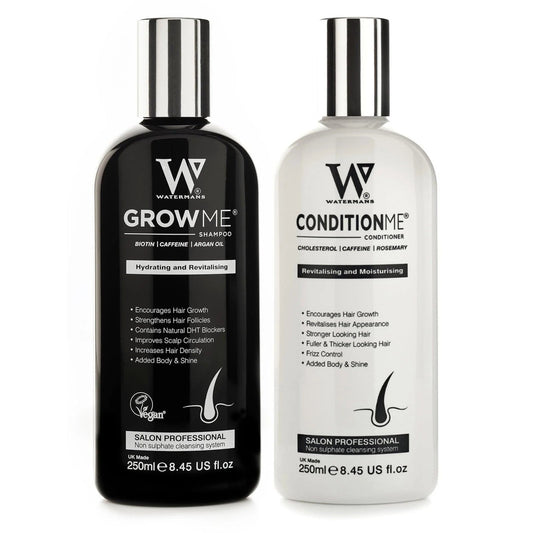
In this guide you will learn what estrogen receptor beta (ERβ) is. You will see how it differs from estrogen receptor alpha. You will also learn its role in menopause, mood, heart care, metabolism, and hair. You will find ways to support healthy estrogen signals. Some scalp care tips include using Watermans Grow Me Shampoo from Australia’s leading hair care brand, Watermans Hair.
What Is Estrogen Receptor Beta (ERβ)?
Estrogen must dock on receptors to act. Estrogen receptor beta (ERβ) is one of two main receptors inside the cell. Its partner is:
- Estrogen receptor alpha (ERα)
- Estrogen receptor beta (ERβ)
Both bind estrogen and then change gene activity. They control cell growth, inflammation, metabolism, and mood. This works by linking nearby words and parts in the cell.
ERα vs ERβ: The Protective Counterbalance
Both receptors bind estrogen but work in different ways.
• ERα links to cell growth and sometimes a higher risk in tissues.
• ERβ links to calming, lower inflammation, less anxiety, and brain care.
You can view ERα as sending a growth signal and ERβ as sending a protect signal. The ratio of these signals decides health results.
Where Is Estrogen Receptor Beta Found in the Body?
ERβ does not spread evenly. It is high in organs key to long-term wellbeing:
- Brain – in areas like the hippocampus and cortex.
- Cardiovascular system – in heart muscle and blood vessel lining.
- Immune cells – to guide inflammation and defense.
- Reproductive organs – in ovaries, testes, and other tissues.
- Bones – to support strength and renewal.
- Lungs and gut – to help local immune roles.
- Skin and hair follicles – to affect hair growth and inflammation.
When estrogen drops, as in menopause or illness, low ERβ signals may affect many systems.
Estrogen Receptor Beta and the Brain: Mood, Memory, and Resilience
The brain has many ERβ receptors. They sit in spots that hold mood and memory.
ERβ and Anxiety, Stress, and Depression
Early studies in animals and people show:
• Active estrogen receptor beta may lower anxiety signs.
• ERβ signals help calm the stress response.
• ERβ helps manage serotonin, GABA, and other mood chemicals.
This may show why mood shifts and anxiety rise during perimenopause when estrogen levels change.
ERβ and Cognitive Function
The hippocampus holds many ERβ receptors. Research shows:
• ERβ helps the brain form new links.
• It may guard neurons against stress and inflammation.
• Lower ERβ signals may heighten age-related memory loss.
Simple lifestyle choices and nutrition can support good estrogen signals in the brain.
Heart and Vessel Protection: ERβ in Cardiovascular Health
Doctors noticed that pre-menopausal women face lower heart risks than men. A part of this is estrogen. Both ERα and ERβ work in blood vessels, but estrogen receptor beta helps most.
How ERβ Supports the Cardiovascular System
ERβ has many roles:
• It helps blood vessels relax.
• It helps the lining of vessels work well.
• It cuts low-level inflammation.
• It guides healthy cholesterol balance.
When estrogen drops at menopause, these signals reduce. This change may raise heart risks.
Why Not All Estrogen Is Equal for the Heart
The way receptors work makes a difference:
• Too much ERα action can hurt.
• Good ERβ action brings many heart gains without over-stimulating tissue.
Some researchers even look for ERβ-focused medicines to protect the heart, brain, and bones while keeping risks low.
Hormone Balance, Perimenopause, and Menopause Through the Lens of ERβ
Menopause is seen as simply low estrogen, but there is more. Changes in receptor types and strength also matter.
What Happens to ERβ Around Menopause?
As women age:
• The ovaries make less estrogen, so ERβ gets less active.
• The balance between ERα and ERβ may shift.
• Some genes change how ERβ works.
These shifts can cause:
• Hot flushes and sweating at night
• Mood swings, anxiety, and stress response changes
• Memory slips
• Bone loss
• Changes in heart markers
• Thinner skin and more hair loss
Keeping ERβ signals strong may help smooth these changes, naturally or with help from a doctor.
Estrogen Receptor Beta and Metabolism: Weight, Inflammation, and Blood Sugar
Estrogen works beyond reproduction. It touches metabolism. ERβ lives in fat, liver, and muscle. It helps control energy storage and use.
ERβ’s Role in Metabolic Health
Some tests show:
• ERβ may bring down inflammation in fat.
• It may aid stable blood sugar by improving insulin use.
• It helps decide where fat stays.
When estrogen falls, some see:
• More belly fat
• Higher blood sugar or insulin
• More inflammation
• Worsening metabolic signs
This is why diet, exercise, sleep, and stress care are key.
Skin, Scalp, and Hair: How Estrogen Receptor Beta May Influence Hair Health
Hair shows early changes in hormones. Estrogen and its receptors, such as estrogen receptor beta, work in hair follicles.
ERβ in Skin and Hair Follicles
The skin and scalp hold both ERα and ERβ. ERβ helps:
• Manage the hair growth cycle (anagen, catagen, telogen)
• Control local inflammation
• Support blood flow around the hair
• Direct oil production
When estrogen drops or the balance changes:
• Hair may thin, dry, or break more
• More hair may enter the shedding phase
• Scalp may feel drier or more irritated
Why a Scalp‑First Strategy Matters
Since hair grows from the scalp, care here is key. Even when overall hormones shift, local care helps:
• Boost scalp blood flow
• Cut scalp irritation
• Keep hair roots fed
A well-tested topical care like Watermans Grow Me Shampoo can work as a first step.
Watermans Grow Me Shampoo: A Natural, Scalp‑Focused Ally
Before strong treatments, start with gentle care. Many people in Australia and beyond choose Watermans Grow Me Shampoo. This salon-grade shampoo works to energize the scalp and give hair volume at the roots.
You can learn more here:
Watermans Grow Me Hair Growth Shampoo – Watermans Hair Australia
Key Active Ingredients and Why They Matter
Watermans Grow Me Shampoo has key ingredients that work together:
• Biotin – a B‑vitamin that helps build hair strength.
• Rosemary – used to boost blood flow in the scalp.
• Caffeine – wakes up hair follicles and may slow hormone-linked shrinkage.
• Niacinamide (Vitamin B3) – helps blood flow and keeps the scalp barrier strong.
• Argan Oil – fills hair with good fats and vitamin E.
• Allantoin – soothes and calms the scalp.
• Lupin Protein – a plant protein that keeps hairs strong and less likely to break.
This mix does not change ERβ directly. It helps the scalp get more blood and the right nutrients. This gives hair follicles a better environment as hormones change.

Why Start With a Non‑Medical Shampoo?
Many people seek to steer clear of strong drugs for hair loss. A shampoo like Watermans Grow Me Shampoo is a gentle, local choice.
• It is a non‑medical choice with a good safety record.
• It acts on the scalp to help hair follicles.
• It fits into your normal hair wash routine.
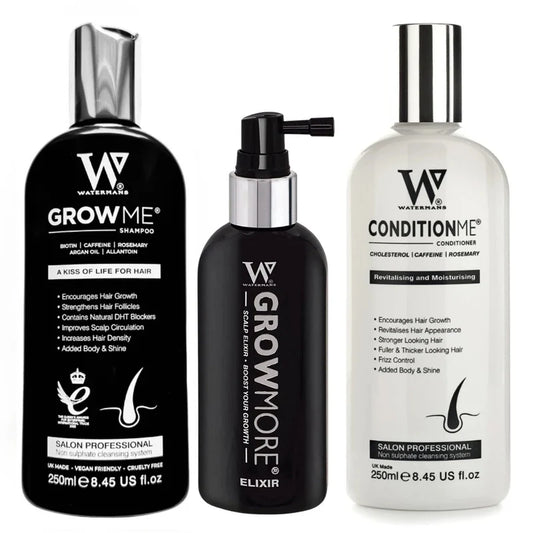
For a full routine, check the Watermans Hair Survival Kit. This kit bundles shampoo, conditioner, and a leave‑in elixir:
This three‑step set can help those who face hair changes in midlife.
Natural Ways to Support Healthy Estrogen Signalling (Including ERβ)
We do not yet have over‑the‑counter products that work only on ERβ. Still, you can help balance estrogen signals with clear lifestyle choices. Here are some ideas to discuss with your healthcare provider.
1. Follow a Whole‑Food, Anti‑Inflammatory Diet
Long-term inflammation can hurt ERβ signals. Try to eat:
• Many vegetables and fruits to add color and natural chemicals.
• Whole grains and legumes for good fiber.
• Good proteins like fish, eggs, lean meat, tofu, or tempeh.
• Healthy fats such as extra virgin olive oil, avocado, nuts, or seeds.
Some plant chemicals in foods like flaxseeds, soy, and legumes may act on estrogen receptors. They work gently unless your doctor advises against them.
2. Keep Your Gut Healthy
The bacteria in your gut help process estrogen. A balanced gut helps:
• Stop estrogen from being reactivated too much.
• Break down estrogen metabolites that may harm you.
• Cut overall inflammation that can affect receptors.
Practical steps:
• Eat foods rich in fiber each day.
• Add fermented foods like yoghurt, kefir, or sauerkraut if you can.
• Cut down on processed foods and high alcohol.
3. Get Good Sleep and Manage Stress
Stress can change sex hormones and their signals. Constant stress can worsen perimenopausal signs, mood, and hair loss.
• Keep a regular sleep routine (aim for 7–9 hours).
• Stop screens 30–60 minutes before sleep.
• Try breathing, yoga, or mindfulness.
These habits help brain areas that hold estrogen receptor beta, which are key for mood and stress.
4. Do Cardio and Strength Exercises
Exercise works well as daily care:
• It helps the heart where ERβ works.
• It improves insulin use and metabolism.
• It raises brain chemicals that aid memory and mood.
Aim for:
• At least 150 minutes of heart-friendly exercise a week.
• Two to three strength sessions per week.
Exercise also helps blood flow in the scalp, which pairs well with a scalp care shampoo like Watermans Grow Me.
5. Cut Down on Harmful Chemicals
Some chemicals can disrupt hormones. Their effect on ERβ is not clear. Cutting them down may help:
• Choose personal care products with low or no added scent.
• Avoid heating food in plastic.
• Air out your home when using cleaning products.
For hair care, focus on products that help hair growth and scalp balance. Avoid too many strong fragrances.
Medical Options and Estrogen Receptor Beta: A Brief Overview
This guide shows natural ways to help your body. It is useful to know where estrogen receptor beta fits in medicine. Always talk with your doctor about your choices.
Menopausal Hormone Therapy (MHT / HRT)
Standard hormone therapy uses estrogen that acts on both ERα and ERβ.
• 17β‑estradiol matches human estrogen and binds in both ways.
• How it works depends on dose, method (pill, patch, or local) and your body.
Some gains like fewer hot flushes and better bones may come from ERβ action. However, treatment must fit your own risks.
Selective Estrogen Receptor Modulators (SERMs) and Future ERβ‑Selective Agents
Drugs like tamoxifen and raloxifene work as SERMs. They have effects that change by the tissue:
• They can act like estrogen on bones.
• They can block estrogen in breast tissue.
Scientists now look for agents that prefer ERβ so as to protect the heart, brain, and bones while keeping breast risks low. These are still in tests and not common in practice.
Practical Daily Routine to Support Brain, Heart, Hormones, and Hair
The following routine shows small steps that support healthy estrogen signals and scalp care.
Morning
• Start with water or herbal tea before coffee.
• Eat a balanced breakfast with protein (eggs, Greek yoghurt, tempeh), healthy fats (avocado, nuts), and fiber (whole grain toast, fruit).
• Wash your hair with Watermans Grow Me Shampoo. Massage gently into your scalp. Rinse and use a matching conditioner or the Watermans Hair Survival Kit.
Midday
• Take a 20–30 minute brisk walk or similar exercise.
• Eat lunch with plenty of vegetables, lean protein, and whole grains.
Afternoon
• If needed, apply a leave‑in scalp product from the Watermans Hair Survival Kit.
• Take a short break for breathing exercises, stretching, or meditation.
Evening
• Have a light, nutrient‑rich dinner with plants, protein, and healthy fats.
• Create a calm routine before sleep with low light and few screens. This helps hormone balance and brain care.
Small, daily choices in food, movement, rest, and hair care build a better setting for ERβ signals.
Frequently Asked Questions About Estrogen Receptor Beta
1. What does estrogen receptor beta do in the brain and body?
Estrogen receptor beta is found in the brain, heart, blood vessels, immune cells, bones, skin, and hair follicles. When estrogen binds to it, ERβ sends calm and protective signals. In the brain, ERβ helps with mood control, memory, and stress. In the heart, ERβ helps keep vessels healthy. In skin and hair, ERβ guides the hair cycle and local calm.
2. How is estrogen receptor beta related to menopause symptoms?
In perimenopause and menopause the ovaries make less estrogen. This means ERβ gets less active in key tissues. Fewer ERβ signals may add to hot flushes, mood swings, sleep problems, brain fog, and changes in heart and bone health. Simple lifestyle steps and, with a doctor’s help, hormone choices may support a better balance.
3. Can supporting estrogen receptor beta help with hair loss or thinning?
ERβ works in skin and hair follicles. It helps guide the hair cycle and calm local inflammation. When estrogen drops and signals shift, hair may thin, dry, or fall out. While no product directly targets ERβ in hair, you can support hair health by balancing hormones, cutting inflammation, and boosting scalp blood flow. A topical care like Watermans Grow Me Shampoo can work on these points and help hair grow with better volume.
Take Charge of Your Brain, Heart, Hormones, and Hair—Starting with Your Scalp
Learning about estrogen receptor beta shows why some estrogen signals protect the brain, heart, and metabolism. It also explains why the midlife change feels so strong. You cannot change every part of your body, but you can guide many signals with clear choices.
You can also act where hair and scalp matter most. Before strong treatments, start with a well-studied, non-medical plan that helps the scalp and hair roots.
If you see changes in your hormones, more hair loss, or if you need a better base for your hair as you age, try:
• Watermans Grow Me Shampoo for a scalp-energizing clean:
Shop Watermans Grow Me Shampoo – Watermans Hair Australia
• For a full routine, check out the Watermans Hair Survival Kit which includes shampoo, conditioner, and a leave‑in elixir:
Discover the Watermans Hair Survival Kit
Paired with solid lifestyle choices, this routine helps you care for your brain, heart, hormones, and hair for many years.