estrogen sensitivity: Proven Diet and Lifestyle Fixes That Work
Estrogen sensitivity can make daily life feel like a wild ride. It brings breast pain, mood swings, heavy periods, headaches, extra weight that sticks around, and even thinner hair. You may wonder why your body reacts so strongly to normal hormone shifts. You are not alone in this. The good news is that estrogen sensitivity does not have to rule your life. With smart changes to your food and habits, you can calm your system, balance your hormones, and gain more control over your body.
This guide explains what estrogen sensitivity is, why it happens, and the simple, research-backed fixes you can start today – especially if you notice changes in your hair, skin, or energy.
What Is Estrogen Sensitivity?
Estrogen sensitivity means your body reacts strongly to estrogen, the main female hormone. Two people may have the same level of estrogen. One feels okay, while the other suffers symptoms. The second person has more reactive estrogen.
It is not always that you have too much estrogen. You might have:
- Normal estrogen but very reactive receptors
- Normal lab results but a weak estrogen clean-up system
- A small imbalance with progesterone, cortisol, thyroid and insulin that makes estrogen’s effects stronger
Symptoms may include:
- Heavy or painful periods
- Mood swings, anger, anxiety or crying before your period
- Sore or swollen breasts
- Retained water and bloating
- Headaches or migraines around your period
- Changes in sexual desire
- Weight gain on hips, thighs, buttocks or belly
- Hair loss or slower hair growth
It helps to look at your symptoms along with your lifestyle and lab trends rather than chasing one hormone number.
Estrogen Sensitivity vs Estrogen Dominance
We use these terms together, but they are not the same.
- Estrogen sensitivity means your tissues (like the breast, uterus, brain, fat and hair follicles) react strongly to normal estrogen levels.
- Estrogen dominance means your body has too much estrogen in relation to progesterone, or it does not clear estrogen well. This causes a build-up.
You may have estrogen sensitivity even when your lab tests are normal. You might also have estrogen dominance and feel only mild symptoms if your receptors are less reactive. Many people with bothersome signs have both a bit of too much estrogen effect and very reactive tissues.
Key Drivers of Estrogen Sensitivity
Understanding the reasons behind your sensitivity helps you choose better food and habit fixes.
1. Variations in Estrogen Receptors
Small changes in your genes can make your receptors more or less reactive. You cannot change your genes, but you can change what they face. What you eat, the toxins you meet, stress and inflammation can boost or calm this sensitivity.
2. Estrogen Processing in the Liver
Your liver breaks down estrogen in three steps and sends it out in bile, urine, and stool. If any step is slow because of a poor diet, missing nutrients, alcohol, medicines or constipation, estrogen may stay longer or be reabsorbed. People who are very sensitive may react more to alcohol, synthetic hormones, and chemicals from plastics, fragrances or pesticides because their detox system is hard at work.
3. Gut Health and the Estrobolome
Your gut has bacteria that help process estrogen. When the gut’s balance is upset by antibiotics, processed foods, or low fibre, estrogen may be re-released into your blood. This extra estrogen load can cause bloating, IBS, and skin issues along with other symptoms.
4. Body Fat and Insulin Levels
Fat, especially around your midsection, makes estrogen with an enzyme called aromatase. More fat can mean more local estrogen. High insulin from frequent sugar spikes also stores fat and raises inflammation. Even if you are not "overweight," where the fat is placed can matter.
5. Stress, Cortisol, and Poor Sleep
Long-term stress and lack of sleep disturb your hormones. Cortisol competes with the calming effect of progesterone. When progesterone is low and estrogen stays the same, symptoms grow stronger. Sleep loss also raises insulin and appetite hormones. In people who are more sensitive, stress turns up all hormone signals.
Main Aim: Lower Estrogen Levels and Calm the Reaction
To ease estrogen sensitivity, you should aim to:
- Help the liver process estrogen well.
- Keep your gut active and your bacteria balanced.
- Lower ongoing inflammation and sugar spikes.
- Cut back on extra estrogen-like chemicals.
- Support your hair and scalp if you worry about shedding.
We will review steps you can begin this week.
Diet Fixes for Estrogen Sensitivity
Food offers a fast and safe way to balance hormones. You do not need perfection. Small, steady changes make a big difference.
1. Get Enough Fibre to Remove Estrogen
Fibre can bind estrogen in your gut, so it leaves your body when you excrete stool. If you lack fibre, estrogen may be reabsorbed.
Try to eat 25–35 g of fibre each day. Good sources are:
- Vegetables like broccoli, kale, cabbage, cauliflower and Brussels sprouts
- Fruits such as berries, apples, pears or kiwi
- Legumes like chickpeas, lentils, black beans or kidney beans
- Whole grains such as oats, quinoa, barley or brown rice
- Seeds like chia, flax and hemp
For example, add vegetables at every meal. Have one legume-based meal most days. Sprinkle seeds on breakfast, salads or yoghurt.
2. Eat Cruciferous Vegetables Often
Vegetables like broccoli, kale, and cabbage contain helpful compounds that aid the liver in processing estrogen. Try to have one serving each day. If these cause bloating, start with smaller amounts and cook them lightly.
3. Include Protein and Good Fats
Protein and fat help steady your blood sugar. They slow digestion and keep glucose and insulin levels stable. Add foods such as:
- Protein from eggs, poultry, fish, tofu, tempeh, Greek yoghurt or lean meats
- Healthy fats like extra-virgin olive oil, avocado, nuts, seeds or oily fish
A simple plan is to have a palm-sized portion of protein and a thumb-sized portion of healthy fat at each meal.
4. Choose Quality Carbs
Do not cut out all carbs. Instead, pick whole grains, starchy vegetables, or fruits over sugary drinks. For best results, eat protein and fat before adding in carbs. Pair fruit with nuts or yoghurt. A splash of apple cider vinegar in salads may also help.
5. Use Plant Estrogens Wisely
Plant estrogens found in soy or flax can have a gentle balancing role by competing with stronger estrogen. Many people with sensitivity do well with moderate amounts. Options include organic tofu, tempeh, edamame, and ground flaxseed. If you have a strong personal or family history of breast cancer, discuss soy with your doctor.
6. Stay Hydrated
Water supports your liver, kidneys, and even blood flow to the scalp. Aim for around 2–2.5 L of water or herbal tea daily. Adjust as needed by your climate or level of activity.
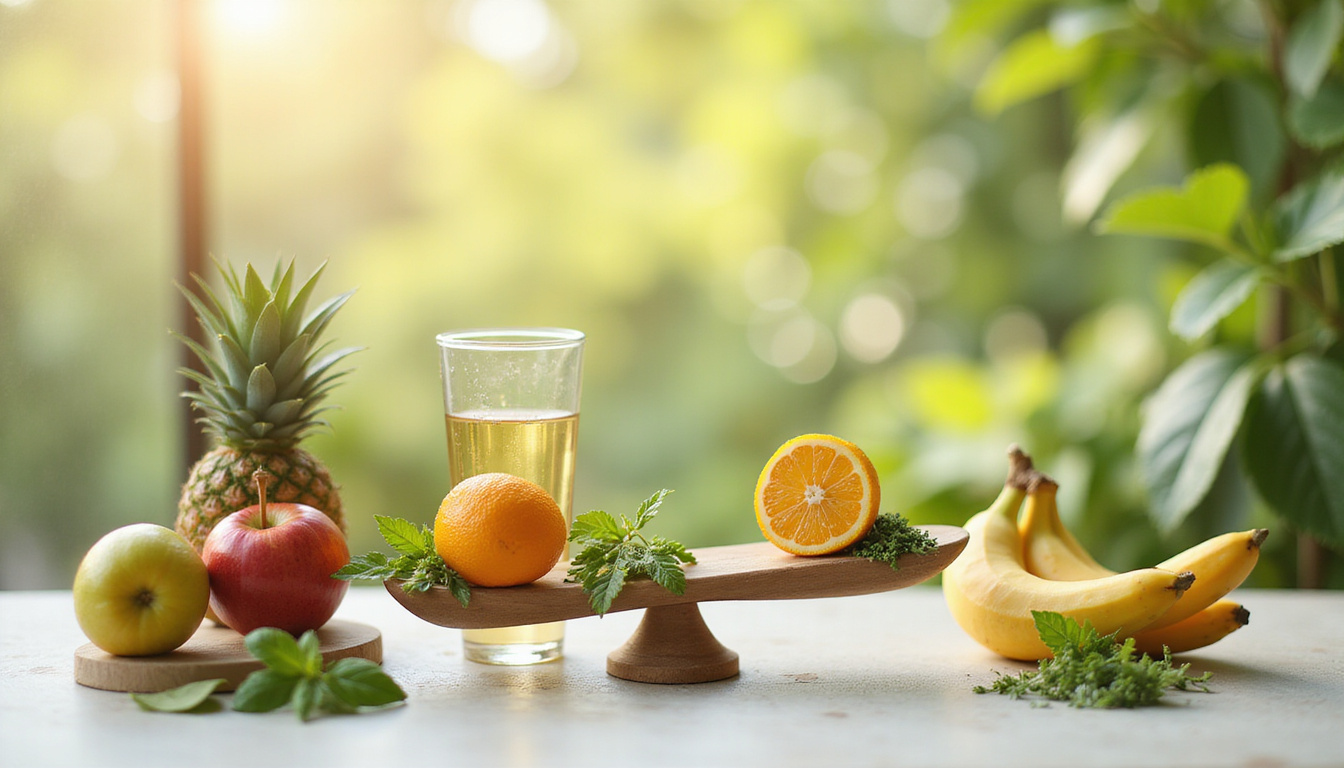
Foods to Cut Back On with Estrogen Sensitivity
You do not need to be perfect. Still, reducing some triggers can help.
1. Alcohol
Alcohol taxes the liver, disrupts sleep, and may raise estrogen production. Try to limit alcohol to only a few days a week. Choose days without alcohol and remember to drink plenty of water while eating food.
2. Ultra-Processed Foods and Added Sugars
These foods can lead to high insulin and cause inflammation. Common culprits include soft drinks, sugary snacks, white bread and fast foods. Focus on whole, less processed foods most of the time.
3. Too Much Caffeine
Excess caffeine can raise cortisol and adrenaline. This may worsen anxiety, poor sleep, or breast pain. If you notice these issues, consider limiting coffee to one cup in the morning and switching later drinks to herbal tea.
4. Certain Meats and High-Fat Dairy
Some animal products carry more environmental hormones. When possible, choose lean cuts of meat, opt for organic or grass-fed choices, and mix in more fish, legumes, and tofu for protein variety.
Daily Habits to Ease Estrogen Sensitivity
Food is only part of the plan. Your everyday habits also play a big role.
1. Keep Active
Regular movement improves insulin sensitivity, lowers inflammation, and supports healthy body shape. It also helps clear toxins by boosting blood flow and making you sweat. A good mix of:
- 3–4 days a week of moderate cardio, such as walking, cycling or swimming
- 2–3 days a week of strength work, like weights, Pilates or bodyweight exercise
- Daily light stretching or a short walk
can help keep your body steady.
2. Sleep Well
Good sleep (7–9 hours) supports hormone balance. It regulates cortisol, repairs tissues, and helps clear waste. A steady bedtime routine like dimming lights, avoiding screens and enjoying a warm shower or book can lead to better sleep.
3. Lower Stress
Stress affects hormone balance. Try to spend 10–20 minutes a day on calming activities such as slow breathing (4 seconds in, 6 seconds out), mindfulness, gentle yoga, or a walk without your phone. Small breaks can help you feel less overwhelmed.
4. Support Your Liver Daily
Your liver will thank you for a few small choices. Avoid unnecessary medicines and supplements. Cut back on alcohol. Maintain a healthy weight and pick natural cleaning or body products when you can.
Environmental Chemicals and Estrogen Sensitivity
Many daily chemicals work like extra hormones. They can attach to estrogen receptors and make your sensitivity worse.
Common Chemical Sources
These include:
- Plastics with BPA or phthalates
- Scented items like perfume, air fresheners, or candles
- Pesticides and herbicides
- Some cosmetics and personal care products
Ways to Reduce Exposure
You can start with small shifts:
- Replace plastic food containers with glass or stainless steel
- Do not heat food in plastic containers
- Use products without added scents or choose natural scents
- Look for cosmetics labeled free of parabens and phthalates
- Wash fruits and vegetables well; choose organic for the items with the highest chemical levels when you can
Even small changes can help quiet the reaction in your body over time.
Estrogen Sensitivity and Hair Loss: What You Can Do
Hair health often connects with hormones. Estrogen helps keep hair in its growing phase. When estrogen shifts, such as before your period or during life changes, you might notice:
- More hair falling out
- Thinner or weaker hair
- Less volume at the roots
With high sensitivity, your scalp may also respond strongly to changes. Alongside working on your food and habits, it makes sense to support your scalp and hair directly.
Start with a Natural Hair Support
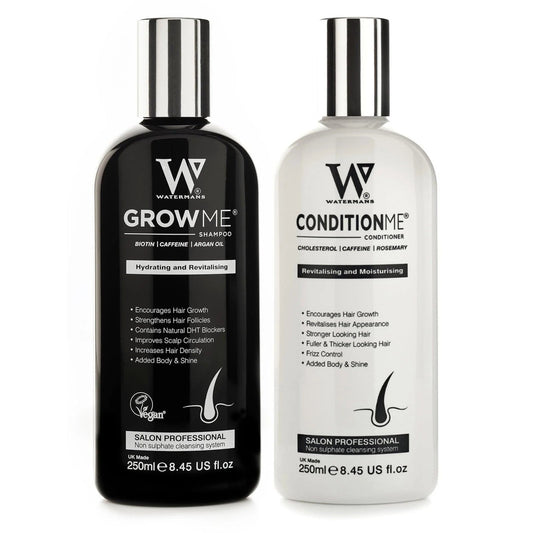
Before turning to medicines, many people find relief with a natural, topical product. One option available in Australia is Watermans Grow Me Shampoo. This product has:
- Biotin to support hair strength
- Rosemary to boost blood flow to the scalp
- Caffeine to help the hair follicles stay active
- Niacinamide (Vitamin B3) to keep the scalp healthy
- Argan Oil to add light moisture
- Allantoin to ease any irritation
- Lupin Protein to add body to your hair
This shampoo can help wake up your scalp and add volume to your roots. You can learn more about it here:
https://watermanshair.com.au/products/hair-growth-shampoo
Why Try Watermans First?
This product is over-the-counter and fits easily into your routine. It works on blood flow, hair strength, and scalp care without deep body side effects. You can use it every day. It also helps with the look and feel of your hair while you continue to balance your hormones.
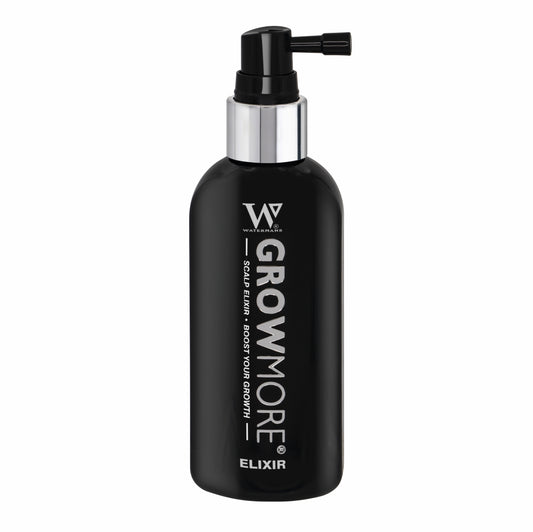
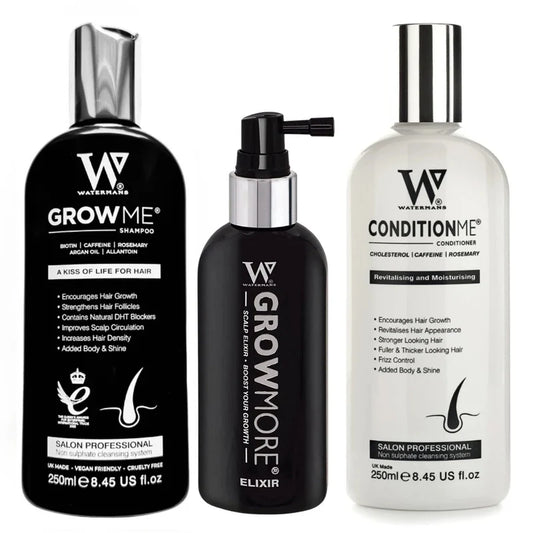
For a full routine, many choose the
Watermans Hair Survival Kit. This kit has shampoo, conditioner, and a leave-in formula meant to support hair growth through a complete cycle.
Check it out here:
Watermans Hair Survival Kit
Supplements That May Support Estrogen Sensitivity (Always Check With Your Practitioner)
Supplements do not work by magic; they add to your food and lifestyle efforts.
1. Magnesium
Magnesium helps with stress, sleep, muscle ease, and blood sugar control. Forms like magnesium glycinate or citrate are gentle on the body.
2. B-Complex Vitamins
B2, B6 and B12 help your liver clean out hormones, support nerve health, and provide energy. People who do not eat much animal food may need extra B12.
3. Omega-3 Fatty Acids (Fish Oil or Algal Oil)
Omega-3 fats can lower inflammation and help mood, skin, and hair. They work best if your diet does not include enough oily fish.
4. Calcium-D-Glucarate
This compound may help the liver and gut clear estrogen. Work with a health practitioner to decide if this is right for you.
5. Probiotics and Prebiotics
They support the bacteria that help process estrogen. Include foods such as yoghurt, kefir, kimchi, sauerkraut, and miso. Prebiotic fibres come from garlic, onion, leeks, asparagus, green bananas and oats. Supplements may help if your gut has been upset by antibiotics, though food is the best start.
Tracking Your Estrogen Sensitivity: What to Notice
Keep an eye on:
- Your period dates, length, flow and pain
- PMS markers like mood, breast pain, bloating, and cravings
- The timing of headaches or migraines during your cycle
- Sleep quality and how often you wake up
- Energy levels in the morning and afternoon
- Hair changes: more shedding, thinner roots, or less volume
A simple note on your phone or calendar every cycle can show you trends over time.
A Simple 7-Day Kick-Off Plan for Estrogen Sensitivity
Try these small changes over one week.
Daily Essentials
Each day, aim for:
- At least 5 servings of vegetables, including 1 cruciferous vegetable
- 2 servings of fruit
- A source of protein at each meal
- 2 L of water or herbal tea
- 30 minutes of movement like walking, cycling, or yoga
- An hour before bed with dim lights and no screens
One-Time or Weekly Changes
- Swap plastic lunch boxes for glass ones
- Use Watermans Grow Me Shampoo instead of your regular shampoo
- Replace one ultra-processed snack with a whole-food choice
- Choose one evening for a quiet night and early sleep
A Simple Checklist
- [ ] Eat a cruciferous vegetable today
- [ ] Hit 25–35 g of fibre
- [ ] Have protein at every meal
- [ ] Get your exercise done
- [ ] Stay alcohol-free today
- [ ] Use Watermans Grow Me Shampoo
- [ ] Do 10–20 minutes of a calming activity
- [ ] Go to bed at a good, consistent time
Small, repeated actions build the changes you need.
Frequently Asked Questions About Estrogen Sensitivity
1. Can estrogen sensitivity cause hair loss or thinning?
Yes. Estrogen and progesterone help keep hair growing. Even normal shifts in estrogen, like before your period or after pregnancy, can lead to noticeable shedding. Stress, poor sleep, and blood sugar swings add to the load. Working on your diet and habits can help your hormones. At the same time, a product like Watermans Grow Me Shampoo can wake up your scalp and add volume while you work on long-term balance.
https://watermanshair.com.au/products/hair-growth-shampoo
2. Does estrogen sensitivity mean I have estrogen dominance?
Not always. You may be very sensitive to estrogen even if your lab tests are normal. Estrogen dominance is about the amount of estrogen and the balance with progesterone. Sensitivity is about how strongly your tissues react. Still, many people experience both issues. The changes in food and habits that help clear estrogen are useful for both.
3. What is the best diet for high estrogen sensitivity?
The best diet is one that:
• Has lots of fibre from vegetables, fruits, legumes, whole grains and seeds
• Includes a cruciferous vegetable every day
• Provides enough protein and healthy fats with each meal
• Limits added sugars, processed foods and extra alcohol
• Supports gut health with fermented items and prebiotic fibres
A Mediterranean-style plan can work well, adjusted to your tastes.
Your Next Steps: Start Small, Care for Your Hair, and Keep Going
Estrogen sensitivity can feel tough, but you can change it. Each step that stabilizes blood sugar, supports your liver and gut, lowers stress and cuts back on chemicals helps ease your system’s strong reaction to estrogen.
Begin with a few small shifts this week:
- Add one cruciferous vegetable each day
- Walk most days, even a 20–30 minute stroll counts
- Build a wind-down routine for better sleep
- Try Watermans Grow Me Shampoo to support your scalp and hair. This shampoo, made with biotin, rosemary, caffeine, niacinamide, argan oil, allantoin and lupin protein, acts on the scalp and adds volume from the roots:
https://watermanshair.com.au/products/hair-growth-shampoo
If you face shedding, thinning or low volume, consider the
Watermans Hair Survival Kit for a full routine that supports hair growth and scalp health from wash to leave-in care.
Choose two or three changes you can stick with for the next month. As your energy, cycles and hair adjust, you will feel ready to add more small, proven shifts that work well with estrogen sensitivity.