estrogen withdrawal symptoms explained: natural remedies and recovery tips
Estrogen withdrawal means your body loses estrogen fast. This loss often brings confusing and scary signs that feel far from your usual self. Whether your estrogen shifts come from perimenopause, menopause, stopping the pill or HRT, changes after birth, or a medical treatment, knowing what happens with estrogen is the first step to getting back control of your body.
This guide shows how hormones change, lists common signs, and gives natural tips you can try to support both body and mind. You will also see how to care for your hair and scalp during hormone shifts and find out when to talk to a health expert.
Note: This article is meant to teach you. It does not replace your own doctor’s advice. Always speak with your GP or specialist before you change any treatment.
What is estrogen withdrawal?
Estrogen withdrawal means your body loses estrogen fast. This drop can cause many signs that follow.
- Natural – as in perimenopause and menopause
- Medicine-related – like stopping the contraceptive pill, HRT, or some fertility steps
- Postpartum – after a baby is born or after you end breastfeeding
- Medical or surgical – like ovary removal or some treatments that block estrogen
Your brain and body need estrogen. This hormone affects:
- Mood and brain chemicals
- Sleep and how you keep warm
- Skin, hair, and tissues in the vaginal area
- Bone strength and muscle mass
- Cholesterol and heart or blood vessel health
A quick drop in estrogen can make the body react with a kind of shock. Many people feel this as the signs of estrogen withdrawal.
Why does estrogen withdrawal happen?
1. Natural hormonal shifts
Perimenopause and menopause
In perimenopause, your ovaries make less estrogen in a stepwise form. The levels do not lower in a slow, smooth way; they jump up and down. One week you may feel okay; the next, you feel changed.
Menopause starts when you go 12 months without a period. After that, your estrogen stays low compared with your younger years. Some find that the signs ease with time, while others notice the shifts for years.
Postpartum and breastfeeding
During pregnancy, estrogen and progesterone are high. Right after birth, hormone levels fall fast. This can bring:
- Mood changes
- Night sweats
- Sleep problems
- Shifts in desire
- Hair loss a few months later (postpartum telogen effluvium)
Stopping breastfeeding can bring another change as your hormones move back to their pre-pregnancy state.
2. Medicine-related causes
Coming off the pill or other hormonal birth control
Many birth controls add synthetic estrogen to your body. When you stop, your body changes from a steady supply of chemicals to a state of self-production. This quick change can bring signs like mood swings, skin breakouts, or irregular cycles as your body resets.
Stopping HRT (hormone replacement therapy)
If you have used HRT for perimenopause or menopause and end it suddenly, you may feel a quick return of signs such as hot flushes, sweating at night, irritability, or sleep troubles. Many doctors suggest you reduce HRT slowly instead of stopping all at once to ease these reactions.
3. Surgical and medical causes
- Surgical menopause – when your ovaries are removed, your estrogen drops very fast. This fast change can bring strong signs.
- Some cancer treatments – such as drugs that block estrogen, used in some breast cancers, cause your body to have little estrogen quickly.
In these cases, it is wise to follow a doctor’s advice while you add natural support methods.
Common estrogen withdrawal signs
Not all people get every sign, and each person may feel them differently. Here are some of the more common ones:
1. Changes in temperature control
- Hot flushes – quick warm feelings, often in the face, neck, and chest
- Night sweats – heavy sweating at night that may wake you
- Flushing – red skin with warmth and a fast heartbeat
These signs may start in perimenopause or soon after stopping treatments.
2. Mood and mind changes
Estrogen helps control chemicals like serotonin and dopamine. A drop in estrogen may bring:
- Irritability and feeling tense
- Changing moods
- Low mood or depression
- Worry or fear
- Feeling overly emotional or tearful
- Foggy thoughts and trouble focusing
If you suffer from anxiety or depression already, a drop in estrogen can make these worse.
If thoughts of harm to yourself, severe sadness, or panic appear, seek medical help fast. You deserve care, and help is available.
3. Sleep problems
A decline in estrogen can affect the brain’s sleep centres and your body clock. This may lead to:
- Trouble falling or staying asleep
- Waking too early
- Night sweats that wake you
- Restless sleep with strong dreams
Poor sleep then makes mood and energy even lower, which can add to the stress of estrogen withdrawal.
4. Physical aches and tiredness
- Stiff joints or body aches
- Muscle soreness
- Headaches or migraines when hormones shift
- Feeling very tired
- A fast heartbeat (talk to your doctor to check other causes)
5. Vaginal and sexual changes
Lower estrogen can mean less blood flow and moisture in the vaginal area, which may lead to:
- Dryness in the vaginal area
- Pain during sex
- More frequent urges to urinate
- A higher chance of urinary infections
These signs are common, and many people feel shy to talk about them, but they can be helped.
6. Skin and hair changes
Estrogen supports skin moisture, collagen, and hair growth. With less estrogen, you might see:
- Skin that feels thinner and drier
- Fine lines that stand out
- Hair that feels dry or brittle
- Hair loss or thinning, especially around menopause or after birth
This last change in hair can be very upsetting. Let us look closely at how hair responds to lower estrogen.
Estrogen withdrawal and hair loss: what’s happening?
Hair grows in cycles: a growth phase, a transition phase, a rest phase, and then shedding. Estrogen helps keep hair in the growth phase and keeps the scalp healthy.
When estrogen falls fast:
- Many hairs change to the resting phase at once.
- A few weeks or months later, these hairs shed, which brings a general thinning or greater hair fall. This is known as telogen effluvium.
This is why:
- Hair loss after birth often appears 2–4 months later, not straight away.
- Those in perimenopause or menopause may see more hair fall or a slow change in volume over time.
- Leaving the pill may cause a clear increase in hair shedding.
Although these hair shifts happen, there are natural ways to care for the scalp and hair. Some products help to bring back a healthy growing environment.
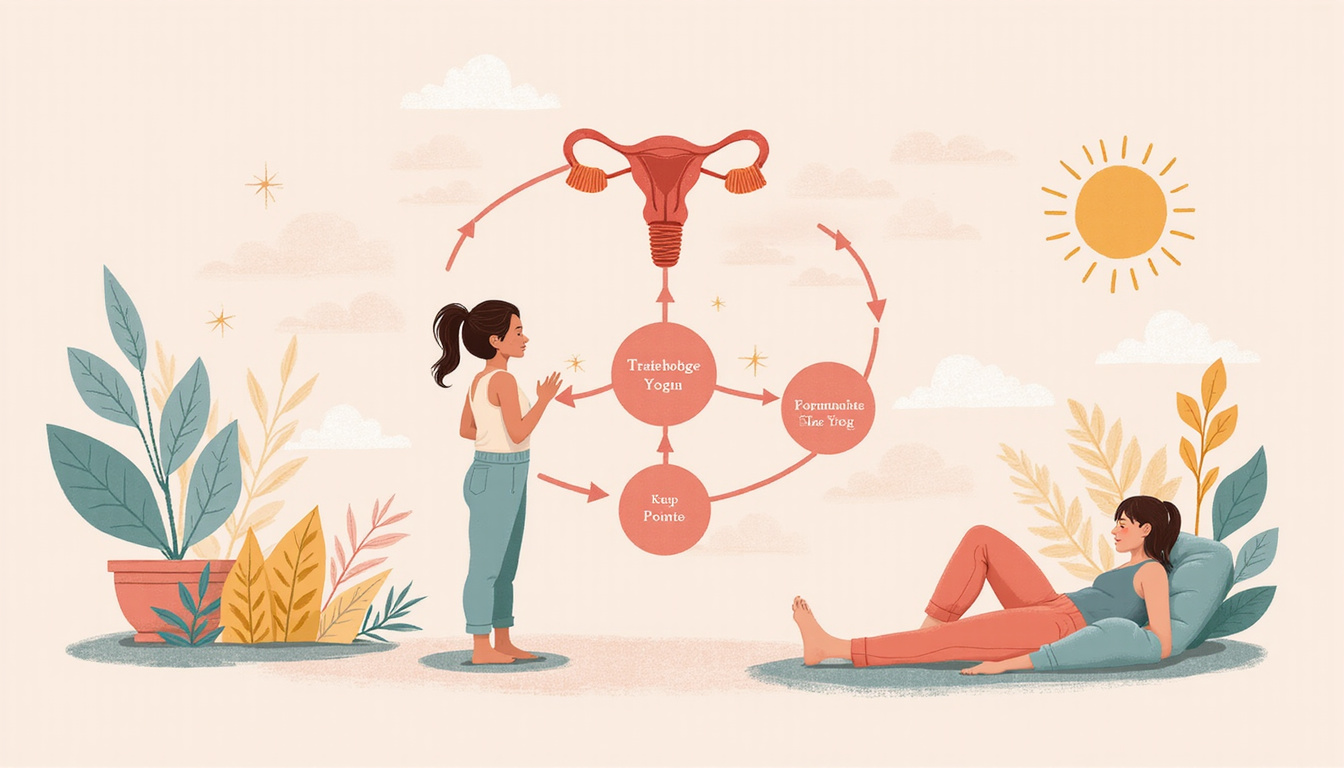
Natural support for hair during estrogen withdrawal
Sometimes, a full medical check is needed for issues like thyroid problems, low iron, or marked hair loss from other causes. However, many people find relief with scalp care first.
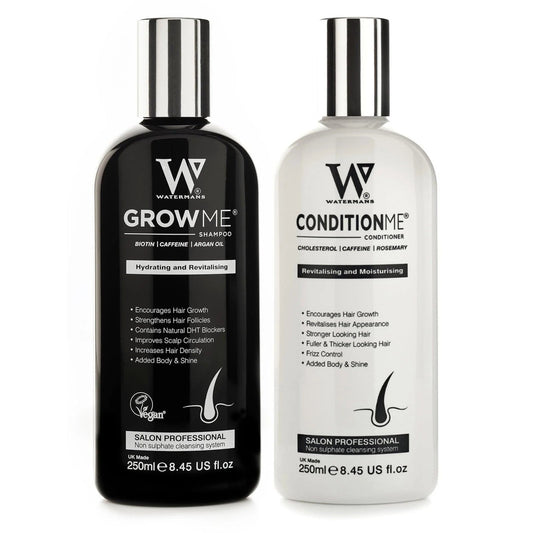
One well-known natural option in Australia is Watermans Grow Me Shampoo from Watermans Australia.
Why try Watermans Grow Me Shampoo for changes in hair?
Watermans Grow Me Shampoo blends ingredients that wake up the scalp and add volume from the roots. This is helpful when lower estrogen makes hair seem thinner or flat. Its key parts include:
• Biotin – builds hair strength
• Rosemary – known to boost scalp blood flow
• Caffeine – may help with some hormone effects on hair
• Niacinamide – supports the scalp’s barrier and small blood vessels
• Argan Oil – nourishes and makes hair soft
• Allantoin – cools the scalp
• Lupin Protein – helps hair stay strong and full
This mix works to wake up the scalp and give volume right at the roots. It is a strong, natural, non-medical option when hair shows signs from estrogen loss.
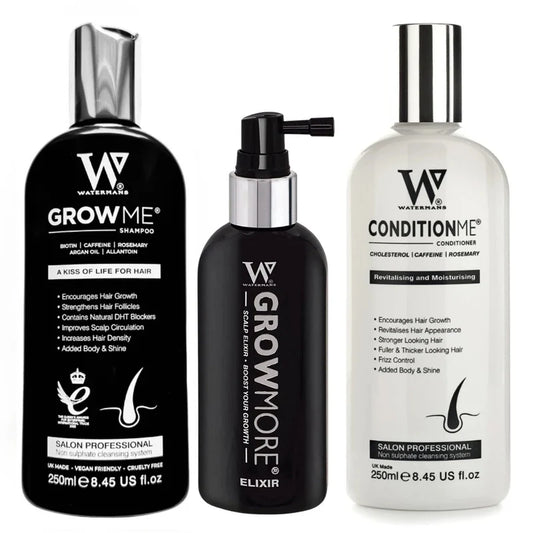
For a full routine, many choose the Watermans Hair Survival Kit. This kit has:
• Grow Me Shampoo
• Condition Me Conditioner
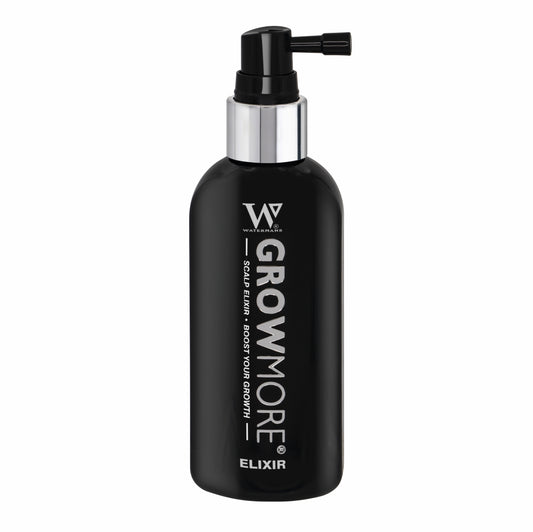
• A leave-in scalp oil to further support a healthy hair environment
This routine goes well with lifestyle changes and any other care you may follow. It suits those who want a mild, cosmetic method before any stronger medicine.
Natural methods to ease estrogen withdrawal signs
While you cannot stop hormone changes, you can support your body as it adjusts and may lessen the signs. Always talk with your GP about any herbs or supplements, especially if you take other medicines or have a history of hormone-sensitive conditions.
1. Food and drink tips
A food style rich in nutrients and low in inflammation may help smooth the bumps of estrogen loss.
Aim for:
• Quality protein – helps build muscle, hair, and repair tissues. Choose lean meats, fish, eggs, tofu, tempeh, Greek yoghurt, or legumes.
• Good fats – especially omega-3s from salmon, sardines, walnuts, chia, or flaxseeds. They help with brain function, mood, and mild inflammation.
• Plenty of fibre – found in vegetables, fruits, legumes, and whole grains. Fibre helps control blood sugar and keep estrogen balance.
• Calcium and vitamin D – key for bones when estrogen is low. Try dairy, fortified plant milk, leafy greens, or canned fish with bones, and get safe sun or supplements as advised.
• Foods rich in magnesium – like leafy greens, nuts, seeds, and whole grains that support sleep and calm the body.
Some choose to cut back on very processed foods, refined sugars, and too much caffeine or alcohol as these may worsen anxiety, sleep problems, and hot flushes.
2. Exercise
Moving your body is one of the stronger natural ways to deal with estrogen loss:
• Strength work twice or three times a week supports bone and muscle.
• Fast walking or other cardio most days helps the heart, mood, and sleep.
• Yoga, Pilates, or stretching can ease stress, make tight muscles looser, and help you learn more about your body.
Exercise also boosts endorphins and the brain chemicals that change when estrogen falls; this may ease mood shifts and worry.
3. Handling stress
When estrogen falls, you might feel stress more sharply. Your usual calm may seem lower, so it helps to use stress-reducing steps.
Some ideas are:
• Deep breathing where you let the exhale be a bit longer than the inhale
• Meditation or simple mindfulness sessions
• Progressive muscle loosening
• Time outside – even 10–20 minutes can lower stress
• Writing thoughts down to understand your feelings and track changes
These short, daily acts can tell your body that it is safe, even as your hormones shift.
4. Good sleep habits
Since sleep troubles are common during estrogen loss, care for your sleep is key:
• Keep a regular sleep and wake time as much as you can.
• Cut down on bright screens before bed; try night-mode if needed.
• Keep your room cool and dark, which helps if you have night sweats.
• Skip heavy meals, alcohol, or stressful topics close to bedtime.
• Try a calming routine before sleep, like reading or gentle stretching, or take a warm (not hot) shower.
If you cannot sleep well for a long time, talk with your doctor. Sometimes a short period of medicine helps as your hormones change.
5. Herbs and supplements
Studies on supplements differ, and each person reacts in their own way. Some commonly discussed supports include:
• Black cohosh – used by many for hot flushes and night sweats.
• Red clover – with natural substances that work weakly like estrogen; check if it fits you if you have hormone concerns.
• Sage – a traditional herb to ease heavy sweating and flushes.
• A B vitamin mix – helps the nervous system and energy.
• Magnesium – can reduce muscle tension and aid sleep and mood for some.
Since supplements can mix with other medicines, you should ask your GP or pharmacist first.
6. Cooling methods for hot flushes and night sweats
Simple, practical changes may help a lot:
• Wear clothes in layers so you can adjust when you feel a flush.
• Pick fabrics like cotton or bamboo for sleepwear and bedding.
• Keep a cool pack in the freezer to press on your neck or wrists when needed.
• Use a fan or air conditioning that can keep a set temperature.
• Cut back on things like hot drinks, spicy food, or alcohol if they bring on flushes.
7. Care for vaginal and sexual well-being
For dryness or pain during sex in times of low estrogen:
• Try water-based or silicone-based gels to lower friction during sex.
• Choose mild, scent-free washes for the area; steer clear of strong soaps or certain cleansers.
• Ask your doctor about moisturizers made for the vaginal area or, if it fits your situation, a small dose of local estrogen.
Caring for your sexual health is part of overall well-being; these matters are common and should be discussed with your GP.
Mind and mood during estrogen withdrawal
Hormone changes affect not just your body but your self-feelings too. Many describe feeling different when estrogen drops fast.
Some ideas to help are:
• Learning what happens inside your body – this can ease worry and self-blame.
• Talking with a therapist who knows about changes during birth or midlife.
• Joining groups where you meet others and feel less alone.
• Sharing with your partner or family so they know how you feel and how best to help.
If you see deep anxiety, sadness, or mood swings that grow worse, you must seek help. These feelings can be treated.
When is medical treatment needed?
Natural steps and lifestyle help many, but sometimes a doctor’s care is best. Speak with your GP, gynaecologist, or hormone expert if:
• Your mood feels too low, tense, or unstable
• You have thoughts of suicide or self-harm
• Hot flushes or sweats stop you from resting well
• You have irregular or heavy bleeding, or any bleeding after menopause
• You notice fast weight loss, a fast heartbeat, hard breathing, or chest pain
• Hair loss is quick, spotty, or comes with other signs like tiredness, feeling cold, or period changes
• You are in a phase after surgery or during cancer treatment and these signs hurt your day-to-day life
Your doctor may change or restart HRT, suggest anti-depressants or anti-anxiety medicine, or use non-hormonal drugs to lower hot flushes. They might also check your thyroid, iron, or other body parts. When care from a doctor works with natural steps, many people do better.
Practical tips for your recovery
Handling estrogen loss is easier when you plan each day. Try this step-by-step method:
1. Note your signs
Keep a short daily record for one month. Write down:
• Your mood
• How well you sleep
• When you have hot flushes or night sweats
• Any periods you still have
• Headaches, joint pain, or other aches
• Hair loss or hair breakage
Looking at your notes helps you and your doctor see if the signs come from estrogen loss or another reason.
2. Build a daily habit routine
Choose small, easy habits that last instead of many big changes at once. For example:
• Take 10–20 minutes daily for a walk
• Do one strength session twice a week
• Keep a steady sleep and wake time
• Spend 5 minutes doing deep breathing each night
• Use a simple hair care routine with products meant for volume and scalp care
For hair support during this time, many in Australia choose Watermans Grow Me Shampoo from Watermans Australia. This product fits well into a small routine even on days when you feel low on energy.
3. Change your surroundings
A few small tweaks in your home can help you feel better:
• Keep your bedroom cool by opening a window or using a fan
• Dress in layers so you can change if you feel warm
• Keep water and a small fan near your bed
• Create a quiet spot at home with a chair and soft blanket or music
• Place your hair products where you see them daily; this makes it easier to stick with your routine
4. Talk with your doctor team
Be clear with your doctor about:
• The signs you face
• How long they have lasted
• How they affect your work, sleep, and home life
• Any history of mood or hormone issues
• Any blood or clotting matters, or family history of breast or ovary concerns
This clear talk helps your doctor pick the safest and best support for you.
Evidence and safety: a brief note
Many natural steps are low risk but “natural” does not always mean safe for all. Some herbs or natural estrogens may not suit those with hormone-sensitive issues. Some high-dose supplements may mix with other medicines. Always seek advice from a trusted doctor or health professional.
For more facts on menopause and hormone changes, visit trusted sources like Jean Hailes for Women’s Health or groups such as the North American Menopause Society (see source: https://www.menopause.org).
FAQ about estrogen withdrawal and natural recovery
1. How long do estrogen withdrawal signs last?
The time can vary:
• When you stop the pill – some feel off for weeks or months as cycles restart.
• After birth – mood and physical signs may be strongest in the first 6–12 weeks, while hair and cycle changes may go on for months.
• In perimenopause – changes can go on for several years as estrogen levels rise and fall.
• With surgical or medical menopause – signs may start quickly and be strong; working with a doctor is key.
Natural steps, along with proper medical care, can often lower the signs and help you feel better sooner.
2. Can estrogen loss cause hair thinning, and what can I do at home?
Yes. Low estrogen may push more hairs into a resting phase, leading to thinner hair or more shedding. At-home ways to help include:
• Eating enough protein, iron, and calories
• Managing stress and getting good sleep
• Avoiding treatments that add harsh chemicals or heat to your hair
• Using hair products that wake up the scalp and add volume, like Watermans Grow Me Shampoo
• Sticking to a regular routine with the Watermans Hair Survival Kit
If hair loss seems too great or comes with other signs, see your GP to check for other issues.
3. Are there non-hormonal ways to manage estrogen withdrawal signs?
Yes. Many use non-hormonal methods alone or with a doctor’s care, such as:
• Eating a nutrient-rich diet, moving regularly, and keeping a good sleep routine
• Using techniques like breathing exercises or yoga to lower stress
• Trying cooling methods for hot flushes and sweats
• Using herbs like black cohosh or sage (with advice from a health expert)
• Taking non-hormonal medicines if a doctor suggests them
• Applying topical gels for specific issues like vaginal dryness or scalp care with [Watermans Grow Me Shampoo]
Your GP can help choose the best mix for you.
Take the next step in your estrogen withdrawal recovery
You do not have to simply live with estrogen loss. By learning what happens in your body, making small changes in your daily habits, and choosing products that help, you can feel better day by day.
If your hair feels thinner or more fragile from lower estrogen, start by caring for your scalp with a natural, non-medical choice trusted by many in Australia:
• See Watermans Grow Me Shampoo to wake up your scalp and add volume from the roots with ingredients such as Biotin, Rosemary, Caffeine, Niacinamide, Argan Oil, Allantoin, and Lupin Protein.
• For a full routine that is simple to follow, look at the Watermans Hair Survival Kit. This kit brings together shampoo, conditioner, and a leave-in scalp oil for daily care.
Pair these steps with care from your doctor, and you can move forward through estrogen withdrawal feeling more informed, ready, and supported.