Estrone hair loss: Science-backed causes, treatments, and regrowth solutions
Hormones drive hair loss, thinning, and receding hairlines. This is especially true for women. Hormones like estrone often hide in the background. It still affects your hair health. If you see more shedding, a wider part, or thinner ponytails, estrone might be involved. This guide shows you what science says, what you can do, and how to help new hair grow safely.
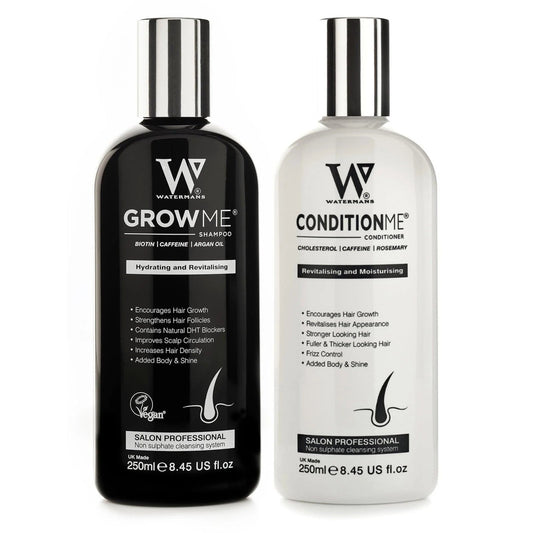
You will read a steady note: start with scalp care. For instance, try Watermans Grow Me Shampoo. It uses Biotin, Rosemary, Caffeine, Niacinamide, Argan Oil, Allantoin, and Lupin Protein. These work at the scalp and root for fuller hair.
What is estrone and how is it linked to hair loss?
h2: Estrone as a type of oestrogen
Estrone (E1) is one of three main forms of oestrogen in the body:
- Estradiol (E2) – the strongest form; it leads in premenopausal women
- Estriol (E3) – peaks during pregnancy
- Estrone (E1) – a weaker form; it takes charge after menopause
Before menopause, estradiol is high. After menopause, the ovaries make less estradiol. The body then makes more estrone in fat cells and the adrenal glands.
h4: Why estrone matters for hair
Hair follicles get signals from hormones. They have receptors for:
- Oestrogens (including estrone)
- Androgens like testosterone and DHT
- Progesterone
- Cortisol (the stress hormone)
- Thyroid hormones
Oestrogens normally make the hair grow longer (the anagen phase). Many women see thicker hair when oestrogen is high, such as in pregnancy. When the hormone drops at menopause or after giving birth, many notice more shedding and thinner hair.
Even though estrone is weaker than estradiol, it does this:
- It attaches to receptors in hair follicles
- It helps enzymes that work on androgens
- It changes blood flow and inflammation on the scalp
Thus, any change in estrone—especially near menopause, during hormone therapy, or with more body fat—can change hair density, texture, and shedding.
The science behind estrone hair loss
h2: Estrone and its link with androgens like DHT
To see estrone hair loss, watch the hormone network. Androgens also play a part.
Key points:
- Estrone comes from fat cells using aromatase. This enzyme changes testosterone into oestrogens.
- Changes in estrone come with shifts in testosterone and DHT.
- Hair follicles that are sensitive to DHT may shrink and grow finer hairs over time.
If the estrone level goes down compared to androgens, or if the hair follicle receptors change, the safe effect of oestrogens drops. This lets androgen-driven thinning show up more.
h4: Estrone, menopause, and hair thinning
During perimenopause and menopause:
- Estradiol falls a lot.
- Estrone becomes the main oestrogen found.
- Total oestrogen signals at the hair follicle drop.
- Androgens may stay the same or drop a bit, but their effect grows in comparison.
This change may:
- Shorten the hair growth phase
- Raise the number of hairs in the resting phase
- Cause thin, even hair on the crown and top of the scalp
Studies link menopause changes (including estrone shifts) to extra daily shedding and female pattern hair loss.
Symptoms and patterns of estrone hair loss
h2: How to see hormone-linked thinning
While you cannot see estrone loss by looking, some signs hint at a hormone cause:
- More hair on your brush, in the shower, or on your pillow
- A wider hair part on top
- Thinner ponytails over 6–18 months
- Diffuse thinning on the crown, while the front hairline stays partly intact
- Hair that feels drier, more brittle, and less bouncy
- Slower growth and a cap on length
These symptoms may appear:
- In perimenopause (mid‑40s to early 50s)
- After surgical menopause (ovary removal)
- After starting or stopping hormone therapy
- With menstrual changes, hot flushes, or night sweats
It is rare for estrone alone to be the only cause. Often, you see a mix of:
- Lower oestrogen (estradiol and estrone)
- A stronger effect of androgens
- Age changes that shrink hair follicles
- Nutrient drops or stress
Key causes of estrone-related hair loss
h2: Hormonal shifts and life phases
h4: Perimenopause and menopause
When oestrogen drops and estrone takes lead:
- The safe effect on hair follicles fades.
- Hair cycles may shrink.
- The scalp can feel drier and more sensitive.
Many women see hair changes two to three years before their final period. This is when cycles get uneven, and hormones move a lot.
h4: Postpartum and estrone shifts
After birth, oestrogen, including estrone, falls fast. This drop may cause hair to shed suddenly, two to four months after delivery. Even if estradiol is the main actor here, estrone is affected.
h4: Surgical menopause and ovary removal
When ovaries are taken out, oestrogen falls quickly. The body must rely on estrone from fat. This fast shift can cause:
- Quick, heavy shedding
- Texture changes within months
- Long-term thinning if not managed
Women in this case usually need strong scalp care and a doctor’s check. A focused hair care routine, like Watermans Grow Me Shampoo, can help early.
h2: Hormone treatments and drugs
h4: HRT (Hormone Replacement Therapy)
Hormone Replacement Therapy may help or hurt hair, based on:
- The kind of oestrogen used
- If progestins are mixed in
- The dose and way it is given (patch, pill, gel)
Some HRT forms:
- Stabilize oestrogen signals and lower shedding
- Shift the ratio of estrone to estradiol
- Affect androgen activity
HRT is complex. Any hair changes on HRT need a talk with your doctor. Do not stop HRT without advice.
h4: Birth control and anti‑androgens
The pill and anti‑androgens (such as spironolactone or cyproterone acetate) change estrone and androgen effects. Starting or stopping these meds can cause a short period of heavy shedding as hair follicles adjust.
h2: Metabolic and lifestyle factors
Estrone is influenced by body fat and overall health:
- More body fat means more estrone.
- Low body fat or quick weight loss means lower oestrogens, including estrone.
- Insulin issues and PCOS change the balance of androgens and oestrogens.
- Long-term stress turns up cortisol and changes estrone and hair cycles.
These aspects can cause estrone hair loss patterns, even for younger women.
Diagnosing estrone hair loss: Tests and assessments
h2: What to ask your doctor
If you think your hair loss is linked to hormones, you will need a full check.
Ask your GP or hormone doctor for tests like:
- A full blood count
- Iron studies (ferritin, transferrin saturation)
- Thyroid tests (TSH, free T4 ± free T3)
- Levels of Vitamin D, B12, and folate
- A sex hormone panel timed with your cycle if you are pre‑menopausal. This panel checks:
- Estradiol (E2)
- Estrone (E1), if the lab gives it
- Progesterone
- Total and free testosterone
- DHEA‑S
- SHBG (sex hormone binding globulin)
A skin or hair doctor may:
- Check your scalp with a dermoscope
- Look for patterns of follicle shrinkage
- Take photos over time
- Sometimes, take a small scalp sample in unclear cases
h4: Why one number does not tell all
Even if the lab shows your estrone in the “normal range,” your hair may be very sensitive to small changes. The trend in your numbers, along with your symptoms, matters more than a single test.
Often, the best plan is to:
- Fix any nutrient gaps
- Get thyroid levels right
- Address extra androgens
- Support hair follicles with careful scalp and lifestyle steps
Treatment options for estrone-related hair loss
h2: Begin with scalp care that does not need a prescription
Before trying drugs or invasive steps, it is wise to improve your shampoo routine. Use products that boost scalp blood flow, feed follicles, and lower breakage.
h4: Watermans Grow Me Shampoo – a top natural fix
For many with estrone hair loss, a key switch is to use Watermans Grow Me Shampoo. It is a non‑medical, natural product for hair loss and growth support in Australia.
The main ingredients are:
- Biotin – builds keratin for stronger hair
- Caffeine – may block local DHT effects and boost scalp blood flow
- Rosemary – used for better blood flow and hair health
- Niacinamide (Vitamin B3) – helps the scalp barrier
- Argan Oil – feeds and protects hair
- Allantoin – soothes the scalp
- Lupin Protein – a plant protein that helps add volume and strength
This shampoo:
- Fires up the scalp when hormone support is low
- Adds volume at the roots to hide thinning
- Acts on many paths—blood, hair environment, and fiber strength
Since it is non‑hormonal and over the counter, it can go with other treatments your doctor may suggest.
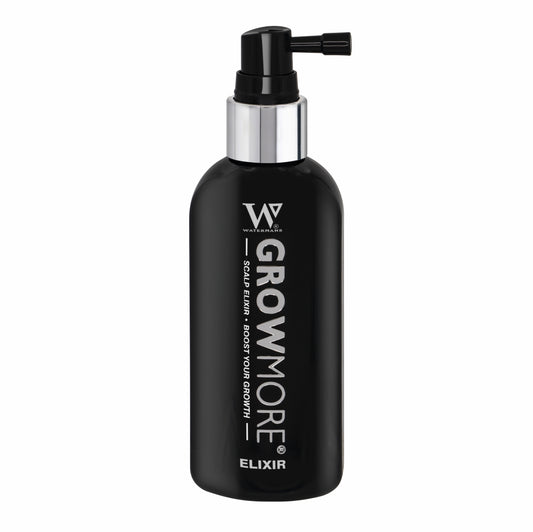
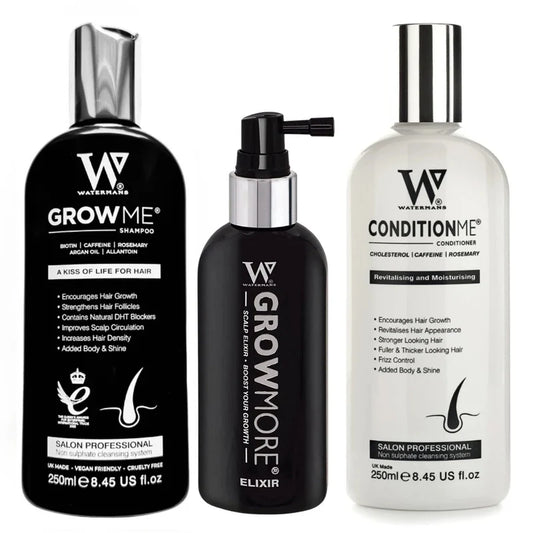
For a full routine at home, many in Australia use the Watermans Hair Survival Kit. This kit offers shampoo, conditioner, and a leave‑in scalp serum for support both morning and night.
h2: Medical treatments that work with scalp care
Always speak with a health expert before trying these.
h4: Topical minoxidil
Minoxidil (2% or 5%) is well studied for pattern hair loss, including loss at menopause. It works by:
- Lengthening the hair growth phase
- Increasing blood flow around follicles
- Helping small follicles grow larger
It does not change estrone. Still, it helps lessen the effects of a hormone imbalance by supporting the follicles. Many experts now suggest to pair minoxidil with a good growth shampoo like Watermans Grow Me for the best effect.
h4: Anti‑androgen treatments
When estrone hair loss shows signs of extra androgens (such as acne, extra hair growth on the skin, and clear pattern thinning), a doctor might suggest:
- Spironolactone – lowers the effect of androgens on hair follicles
- Cyproterone acetate – used in some cases under expert care
- Finasteride or dutasteride – often used in men but sometimes off‑label in postmenopausal women
These drugs change the balance between androgens and oestrogens. They require a prescription and regular checkups.
h4: Changes in HRT
If you already use HRT and see hair loss, your doctor may adjust the dose or type.
- Skin patches or gels may act differently than pills.
- Some women see better hair with steady oestrogen. Others may need a new plan.
Never change your hormone medicine on your own. Instead, talk with your doctor and keep up your scalp care with products like Watermans Grow Me or the Hair Survival Kit. This way, you work on both internal and surface support.
Nutritional and lifestyle strategies for estrone balance
h2: A diet for hair and hormone balance
A good diet alone will not fix estrone hair loss. Still, it helps build a good base for hormones and hair follicles.
Focus on these foods:
- Protein – aim for 1.0–1.2 g per kg of body weight each day. This gives the amino acids for hair keratin.
- Iron-rich foods – such as lean red meat, lentils, or spinach. Low iron links to more shedding.
- Healthy fats – olive oil, avocado, nuts, seeds, and oily fish help form hormones.
- A mix of vegetables and fruit – these supply antioxidants to fight stress on hair follicles.
- Zinc and selenium – found in seafood, eggs, and nuts help hair and thyroid function.
Avoid:
- Very low-calorie diets
- Crash diets
- Ultra‑processed, high‑sugar meals that upset insulin
h4: Weight changes and estrone
Since fat makes estrone:
- Extra fat may raise estrone and change your hormone mix.
- Very low fat or quick weight loss may lower oestrogens and start a period of extra shedding.
It is best to lose weight slowly with enough protein if this is needed.
h2: Stress, sleep, and cortisol
Long-term stress raises cortisol and may:
- Disturb the hair cycle
- Change oestrogen handling
- Increase scalp irritation
Help your hair with a calm routine:
- Get 7–9 hours of sleep a night and keep a regular sleep time.
- Include light exercise—like walking, yoga, or gentle strength work.
- Practice stress relief, such as slow breathing, meditation, writing your thoughts down, or spending time in nature.
Over months, these steps help lower shedding and improve hair quality as you use scalp products.
Daily care routine for estrone hair loss
h2: A simple, hormone-friendly plan
You do not need a complex routine. You need steady care and a focus on the scalp.
Many in Australia follow these steps:
-
Wash your hair with Watermans Grow Me Shampoo.
- Do so 3–5 times a week, based on your scalp’s oil.
- Gently massage for 2–3 minutes to boost blood flow.
- Rinse well.
-
Use a conditioner.
- With the Watermans Hair Survival Kit, use the conditioner on mid-lengths and ends only.
-
Apply a leave‑in scalp serum.
- The kit’s elixir works between washes.
- Rub on thinning spots like the crown or part line.
-
Cut down on hair damage.
- Use a wide‑tooth comb when the hair is wet.
- Do not tie hair too tight.
- Avoid high heat, and always use a heat protectant when you style.
-
Watch your hair over time.
- Take photos of your scalp every month in the same light.
- Note if shedding slows and if the roots seem fuller.
This routine works to help your hair follicles while you and your doctor work on hormone balance.
Common myths about estrone hair loss
h2: Sorting out fact and false ideas
h4: “Only high estrone causes hair loss”
The truth is both high and low estrone, compared to other hormones, can affect hair. What matters is the overall mix with other hormones like androgens, thyroid, and nutrients.
h4: “Menopause always leads to total baldness”
Many women see only thinning, not full bald patches. With early support using careful scalp care and sometimes drugs, hair density can be kept or partly improved.
h4: “Hormonal hair loss means shampoo does not help”
Hormones are a strong force, but the scalp environment matters too. Good blood flow and hair strength can make a difference. Shampoos like Watermans Grow Me and kits like the Hair Survival Kit build a strong first defense, even as you work with your doctor.
Who is at risk of estrone hair loss?
h2: Groups and red signals
Your risk for estrone-linked thinning rises if you:
- Are in your 40s–60s, especially near menopause
- Have had surgical menopause or chemotherapy that affects the ovaries
- Have a family history of female pattern hair loss
- Recently started, changed, or stopped HRT or the pill
- Live with PCOS, insulin issues, or obesity
- Have lost weight quickly or had intense diets
Watch out if you see:
- A sudden, heavy loss over 1–3 months
- Bald spots or patchy loss
- A red, itchy, painful, or scaly scalp
- Symptoms like irregular periods, great tiredness, or weight changes
Practical tips to protect hair while managing estrone levels
h2: Small steps that help
To support your hair now while you work on hormone balance:
- Switch to Watermans Grow Me Shampoo as your main cleanser.
- Use the Watermans Hair Survival Kit for a fuller routine with conditioner and leave‑in serum.
- Avoid tight ponytails, heavy extensions, and very strong chemical treatments.
- Get regular trims to lower split ends and breakage.
- Make sure you eat enough protein and key vitamins.
- Keep a simple record of hair shedding and any new signs to share with your doctor.
These steps do not require a prescription. They give your hair follicles a better space to recover and regrow.
FAQ: Estrone hair loss – your top questions answered
h2: Frequently asked questions
h4: 1. Can estrone hair loss be reversed?
Many times, yes – at least in part. If hair follicles are still live, fixing estrone balance, caring for the scalp, and fixing gaps in nutrition can:
- Cut down extra shedding
- Thicken hair
- Boost overall fullness
Changes may take 3–6 months of steady care with a scalp routine like Watermans Grow Me Shampoo and lifestyle changes.
h4: 2. How is estrone-related hair thinning different from other hormone hair loss?
Estrone-linked thinning usually shows up:
- Around menopause or big hormone changes
- As even thinning over the crown and part line rather than clear temple recession
- With other signs like hot flushes, dryness, or cycle moves
Postpartum shedding tends to be more sudden and strong but can settle on its own in 6–12 months. Yet, it still needs scalp care.
h4: 3. What is the best shampoo for estrone-related hair loss?
For most people with estrone hair loss, the first choice is a multi-task shampoo that supports blood flow, follicle work, and hair strength. In Australia, Watermans Grow Me Shampoo stands out. It blends:
- Biotin for strength
- Caffeine and Rosemary to fire up the scalp
- Niacinamide, Argan Oil, Allantoin, and Lupin Protein to feed, add volume, and calm the scalp
Used often—with the Watermans Hair Survival Kit for more care—it gives a strong start while you and your doctor work on internal balance.
Take action now to support estrone-related hair loss
Estrone hair loss can feel hard, especially with other midlife changes. The good news is that you can take steps to help. Knowing how estrone ties to androgens, stress, nutrition, and age gives you several paths to try.
You do not need every lab result in hand to make a change. Start today by switching to a scalp-first routine built for thinning hair, centered on Watermans Grow Me Shampoo. If you want a fuller system, add the Watermans Hair Survival Kit. At the same time, meet your GP or hormone doctor. Discuss estrone and other hormone tests, and work on better nutrition, lower stress, and steady sleep.
Early, steady work on many levels gives your hair the best chance to slow, get stronger, and grow anew. This way, your hair reflects how you feel, not just what your hormones do.