finasteride women: Expert Guide to Hair Regrowth, Risks, Alternatives
Hair thinning can stress you a lot. Many people search for “finasteride women” to get clear, safe, and current facts. Finasteride is known to treat male pattern baldness. Its use for women is more complex and hard to understand. This guide shows what the science says, who might get a prescription, the risks, and the evidence-based choices you should try first. Some non‑drug options include Watermans Grow Me Shampoo.
What Is Finasteride and How Does It Work?
Finasteride is a prescription drug. It was first grown to treat prostate growth in men. Later, doctors used lower doses for male hair loss.
How finasteride works in the body
Finasteride stops the enzyme 5‑alpha reductase. This enzyme changes testosterone into dihydrotestosterone (DHT). High DHT in people who are at risk can:
• Shrink hair roots
• Cut short the hair growth phase
• Weaken strands so they shed
By stopping this change, finasteride lowers DHT in the scalp. This drop can slow or reverse hair loss caused by androgens.
Why this matters for women
Some women get androgenetic alopecia, known as female pattern hair loss. Women with polycystic ovary syndrome (PCOS) face hair thinning too. Androgens in these cases add to the loss. Some doctors try finasteride off‑label in these cases. Yet, many countries do not approve it for women.
Is Finasteride Approved for Women?
This topic is very key for finasteride women.
Regulatory status
• In Australia, the UK, the USA and other places:
– Finasteride is not approved for hair loss in women.
– Any use in women is off‑label and depends on the doctor.
• The drug must not be used during pregnancy. It may hurt a male foetus.
Because most study and approval target men, the knowledge for women is limited. Doctors also stay cautious while working with women.
When Do Doctors Consider Finasteride for Women?
Skin and hormone experts may try finasteride with very few women. They only do this after testing safer choices.
Typical situations where it may be used
• Post‑menopausal women with:
– Female pattern hair loss
– Signs that hair roots are sensitive to hormones
• Women with extra androgens such as seen in PCOS when:
– Hair loss stays long term
– Other choices do not work well
You will not be offered finasteride if you are:
• Pregnant or may become pregnant without strong birth control
• Under 18
• Losing hair suddenly without proper checks
Doctors will check your past health and examine your scalp. They might also do blood tests to check for iron shortage, thyroid problems, or a hormone imbalance. They may use a trichoscopy or a small scalp tissue sample when needed.
How Effective Is Finasteride for Women?
Evidence for finasteride in women is not as strong as in men. Some studies in select groups show benefits.
What research suggests
Some studies use higher doses (2.5–5 mg per day) in post‑menopausal women with pattern hair loss. In these cases, studies note:
• Less shedding
• Thicker hair strands
• More hair in some areas
Other studies show only a small gain or just stopping further loss. Most studies are small. Experts say finasteride may help a few chosen patients but it is not a cure-all.
Timeframe for results
Women who respond may see changes as follows:
• 3–6 months: early signs of less shedding
• 6–12 months: more clear changes in thickness
• Over 12 months: steady support or slow improvement
If you stop treatment, any gains may slowly disappear over time.
Risks and Side Effects of Finasteride in Women
Women face risks with finasteride. The risk is high with pregnancy and when hormones change.
Major warning: Pregnancy and birth defects
Finasteride can change a male foetus if a pregnant woman uses it or touches crushed pills. Because of this risk:
• Women who are or may be pregnant must not take finasteride.
• Women who may get pregnant must use strong birth control and sign consent forms.
These risks make many doctors avoid finasteride in women who have a chance to become pregnant.
Other reported side effects
Many women take the drug without problems. Some possible side effects are:
• Changes in sex drive or function
• Breast pain or size increase
• Irregular periods in women of child‑bearing age
• Mood changes, like low mood or anxiety
• Headaches or dizziness
• Rare allergic reactions
Some men report changes that last even after stopping, sometimes called post‑finasteride syndrome. Data in women are rare. This issue makes both patients and doctors cautious.
Why Non‑Medical and Topical Options Should Come First
Because finasteride women is a hard subject, many skin experts suggest starting with low‑risk choices.
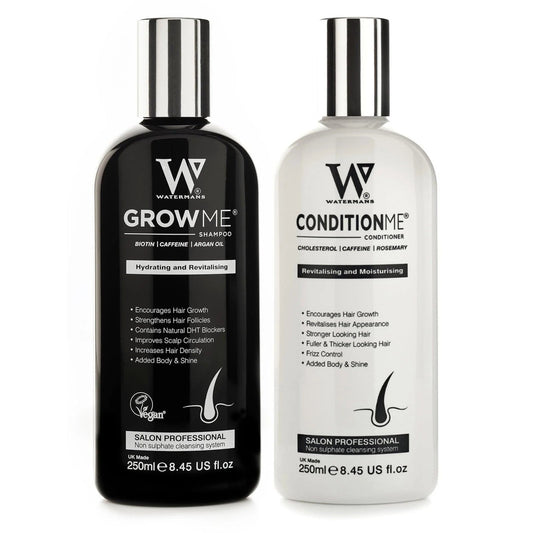
Watermans Grow Me Shampoo – a strong first step
Before you try finasteride, you can test a non‑drug product that works on the scalp. In Australia, one good choice is Watermans Grow Me Shampoo. This salon-grade shampoo works to support hair strength and density.
It is made with ingredients that help the scalp and hair:
• Biotin helps build keratin so strands grow strong.
• Rosemary is known to boost blood flow to the scalp.
• Caffeine may wake up hair roots.
• Niacinamide (Vitamin B3) helps the scalp’s barrier and blood flow.
• Argan oil conditions deeply without leaving heavy residue.
• Allantoin soothes the scalp.
• Lupin protein adds volume and supports elasticity.
This shampoo does not contain prescription drugs. It is a safe everyday choice. Many users report better scalp health, less breakage, and more volume. This routine may restore your confidence before any drug treatments.
You can check it at:
Watermans Grow Me Shampoo – https://watermanshair.com.au/products/hair-growth-shampoo
How Watermans Compares to Finasteride for Women
It is wise to see the clear differences between a shampoo and a pill.
Key differences at a glance
• Mechanism
– Finasteride works inside the body to lower DHT.
– Watermans Grow Me works on the scalp to support the hair roots.
• Risk Profile
– Finasteride has strict warnings for pregnancy, and it can affect mood and sex drive.
– Watermans is a cosmetic product that stays on the scalp. It does not change hormones.
• Suitability
– Finasteride fits only very selected cases under expert supervision.
– Watermans is good for many who see early thinning or more breakage.
• Usage Pattern
– Finasteride is a daily pill. Its effect stops when you quit.
– Watermans needs regular use. It works as long as you keep your routine.
For many women who see early signs of thinning, a high‑performance shampoo like Watermans can help before trying strong drugs. Pairing it with a good lifestyle and healthy food may stop the loss and ease worry about new medications.
Other Medical Alternatives to Finasteride in Women
If hair thinning grows or looks androgen‑driven, doctors may try other treatments.
1. Topical Minoxidil
Minoxidil is the first treatment for female pattern hair loss.
• It comes as foam or liquid (usually 2–5% for women)
• It goes directly on the scalp
• It can lengthen the hair growth phase and add density
• The main side effects are scalp irritation or a few stray hairs on the face
Because minoxidil does not change hormones much, many doctors think it is a safer alternative. Still, birth control and breastfeeding issues need discussion in some cases.
2. Oral Minoxidil (low doses)
Some skin experts use low‑dose oral minoxidil in hard cases.
• It works for even spread hair thinning.
• Side effects may include extra body hair, ankle swelling, or blood pressure change.
• Close follow‑up is needed.
3. Spironolactone
Spironolactone blocks the effect of androgens on the hair.
• It helps when women show signs of too many androgens.
• It is used when hair loss links to PCOS or extra androgens.
• It needs birth control and blood test checks.
4. Combined Oral Contraceptive Pills
Some birth control pills have anti‑androgen effects that can help the hair.
• They keep hormones steady.
• They lower androgen action at the hair root.
They are not made just for hair loss but may help in a broader treatment plan.
5. PRP (Platelet‑Rich Plasma) Therapy
PRP means you get your own platelets injected into the scalp.
• Studies show that PRP can improve hair thickness.
• It needs several sessions.
• It costs more and is not for everyone.
These choices are often the first step before doctors think of finasteride for women. They are a good risk choice if you are not yet post‑menopausal.
Non‑Drug Strategies Every Woman With Thinning Hair Should Use
Even if you never try finasteride, basic hair care matters.
1. Scalp Care Routine
A healthy scalp makes strong hair. You may:
• Wash with a shampoo that cares for the scalp, like Watermans Grow Me Shampoo.
• Lightly massage your scalp during washing to boost blood flow.
• Steer clear of harsh chemicals and too much heat styling.
2. Nutritional Support
Hair needs protein and minerals. Try to get:
• Enough protein
• Iron, vitamin D, zinc, and B‑vitamins (including biotin)
• A balanced, low‑inflammation diet
If you suspect a shortage, ask your doctor for a blood test.
3. Stress and Sleep
Too much stress and little sleep can harm your hair. You can:
• Get enough sleep
• Build routines that reduce stress with exercise or hobbies
• Ask a doctor if you face ongoing stress or burnout
4. Gentle Styling Practices
Your styling habits can help or hurt your hair:
• Do not wear very tight hair or heavy extensions
• Limit tools that use high heat or use protection when you do
• Use a wide‑toothed comb on wet hair
• Pat your hair dry instead of rubbing hard
When to See a Doctor or Dermatologist
Even with a good shampoo like Watermans Grow Me, some cases need a doctor.
See a doctor if you notice:
• Fast or patchy hair loss
• Loss with acne, extra body hair, or irregular periods
• Bald spots, broken strands, or skin scars
• An itchy, flaky, or sore scalp
• Hair loss after a crash diet, illness, birth, or surgery
A doctor can check if you have thyroid issues, anemia, or other health problems. They can tell if your hair loss is due to pattern loss, diffuse change, or other causes. A specialist can discuss if treatments like minoxidil, spironolactone, or in key cases, finasteride may help.
Building a Holistic Hair Regrowth Plan (Without Rushing to Finasteride)
Finasteride for women is a sensitive topic. It is best to treat hair loss in steps.
A Sensible Phased Approach
-
Foundation Phase (This step works for everyone)
• Improve scalp health with a shampoo like Watermans Grow Me Shampoo.
• Eat well to fix any shortages.
• Avoid styling that hurts your hair.
• Take photos every one to two months to check progress. -
First‑Line Medical Phase
• If hair loss continues, talk with your skin doctor about topical minoxidil.
• Consider low‑dose oral minoxidil or check for hormone problems if needed. -
Hormonal/Anti‑androgen Phase
• For women with clear signs of androgen‑driven hair loss, check options like spironolactone or certain birth control pills.
• Get help from a specialist. -
Specialist‑Only and High‑Caution Phase (Finasteride)
• This choice is for selected women, often after menopause.
• A skin or hormone expert must carefully guide the process.
• Consent, strong birth control, and close checks are a must.
At every step, keep using gentle, non‑drug support for your scalp and hair.
Enhancing Your Routine: Watermans Hair Survival Kit
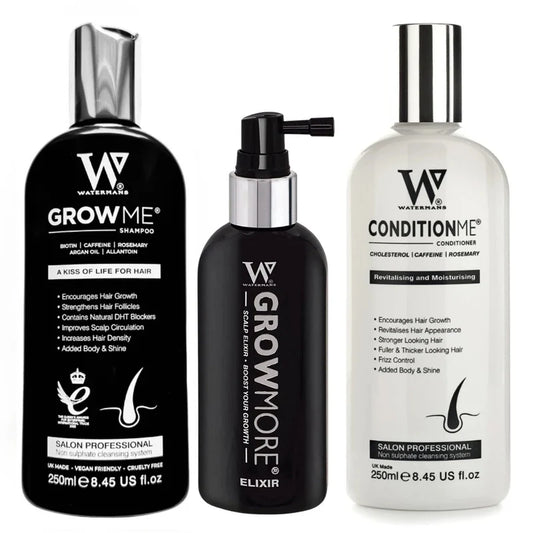
If you wish to manage thinning hair without drugs for a while, a structured, topical system can help. For example, the Watermans Hair Survival Kit works well.
This kit usually brings together:
• Grow Me Shampoo – to clean and wake the scalp
• Condition Me Conditioner – to smooth and protect your strands
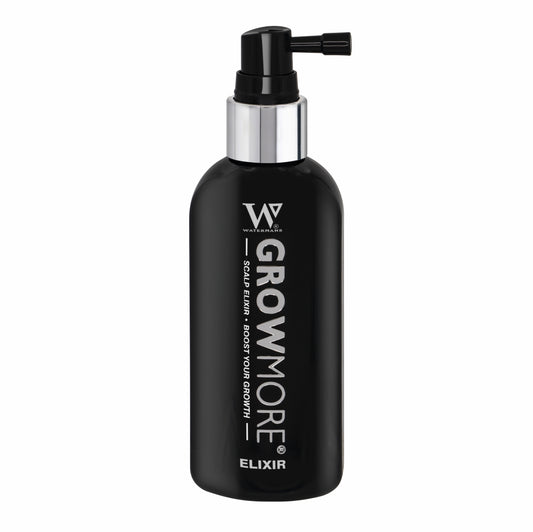
• A leave‑in scalp elixir – to help your scalp in between washes
A set like this makes every wash day a chance to support thicker and stronger hair. This system works gently as you care for your hair every day.
You can review the kit here:
Watermans Hair Survival Kit – https://watermanshair.com.au/products/shampoo-and-conditioner-set-with-elixir-boosting-leave-in-scalp-formula
Practical Tips if You’re Considering Finasteride as a Woman
If you think finasteride may be right for you, take careful steps.
Steps to Follow
-
Consult a skin doctor or hormone expert
• Check the type of hair loss you have.
• Review your health and current medicines.
• Talk about pregnancy plans, birth control, and your mood history. -
Ask clear questions
• Why choose finasteride over other options?
• What dose and treatment length are suggested?
• What side effects might you see and what is the plan if they occur? -
Record Your Starting Point
• Take clear photos in the same light and angle before you begin.
• Write down details about shedding, hair density, and your hairline. -
Keep Expectations Real
• Know that changes, if they come, may need six to twelve months.
• Understand that stopping the medicine will slowly remove the benefits. -
Maintain Your Topical and Lifestyle Routine
• Continue using supportive products like Watermans Grow Me Shampoo.
• Keep on with good nutrition, stress management, and gentle hair care.
Quick Reference: Pros and Cons of Finasteride in Women
Here is a short list to help you think over:
Potential advantages:
• May help some women who suffer from hormone-related hair loss, especially after menopause.
• Comes as a daily pill that many find easy to take.
• Might partly reverse the shrinking of hair roots in some users.
Key disadvantages and concerns:
• Not approved for women in many countries.
• Must be avoided in pregnancy, with strong birth control needed for women who might conceive.
• May cause changes in sexual function, breast changes, and mood issues.
• Research in women is limited and mixed on benefits.
• Long‑term effects in women remain unclear.
Many women and their doctors prefer to try non‑drug, nutritional, and gentle choices before strong drugs.
FAQ – finasteride women and Safer Hair Regrowth Strategies
1. Can women take finasteride for hair loss?
Some skin specialists do give finasteride off‑label for women who are chosen carefully. They usually try it with post‑menopausal women or when tests show hair loss linked to hormones. Many countries do not approve it for women and it is unsafe in pregnancy. Most experts advise starting with non‑drug options like Watermans Grow Me Shampoo. Later, options like minoxidil or hormone blockers may be tried before finasteride is considered.
2. What is the safest finasteride dosage for women?
There is no set “safe” dose for women because its use is off‑label. Studies have tried doses from 1 mg to 5 mg daily. A specialist will decide your dose by looking at your health, risk factors, and chances of pregnancy. No matter the dose, strong birth control and clear consent are needed.
3. What are the best alternatives to finasteride for women’s hair loss?
For most women, safer and often strong alternatives include:
• Topical minoxidil, which is usually the first treatment for pattern hair loss.
• Low‑dose oral minoxidil for more stubborn cases.
• Androgen blockers like spironolactone or some birth control pills if hormones are a factor.
• PRP therapy, which uses your own platelets to boost the scalp.
• A strong non‑drug routine that uses scalp‑friendly items like Watermans Grow Me Shampoo, and a full set like the Watermans Hair Survival Kit, along with good nutrition, stress care, and gentle styling.
These methods carry fewer body risks and are usually tried first.
Take Control of Your Hair Regrowth Journey
You do not have to choose a drug that changes your hormones to start caring for your hair. Finasteride for women stays an option for a few select cases after careful study. Nearly every woman can gain from a strong scalp routine and a healthy lifestyle.
A smart start is to use Watermans Grow Me Shampoo. This non‑drug formula works to clean the scalp, add volume at the roots, and strengthen each strand using ingredients like biotin, caffeine, rosemary, niacinamide, argan oil, allantoin, and lupin protein. For a full routine, the Watermans Hair Survival Kit adds matching conditioner and a leave‑in formula that works hand‑in‑hand with your daily scheme.
If your hair loss continues, it is a good time to meet a skin doctor. You can then discuss options like minoxidil or hormone blockers. Only after careful advice should finasteride be thought of. Start today with a system that cares for your scalp and hair. This way, your future choices about medications are clear and based on solid care.