Follicle stem cells: The surprising secret to permanent hair regrowth
If you have ever asked why some hold on to thick hair for years while others face thinning and bald spots, the answer lies in a small yet strong source: follicle stem cells. These tiny cells rest in the scalp. They hold the power to restart hair growth when cared for, fed, and turned on.
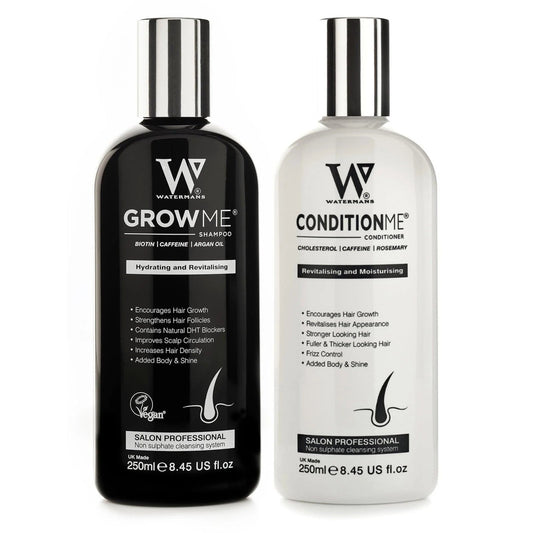
Before you pick a medical or surgical fix, get to know how follicle stem cells work, support them naturally, and learn your choices if they have been hurt. One of the simplest steps Australians can take is to care for the scalp with a growth-focused shampoo like Watermans Grow Me Shampoo. Its mix of Biotin, Rosemary, Caffeine, Niacinamide, Argan Oil, Allantoin, and Lupin Protein helps wake up the scalp and boost hair from the roots.
h2 What are follicle stem cells?
Follicle stem cells sit inside the hair follicle. They live near a spot called the bulge region, just below the sebaceous gland. Think of them as a backup team for your hair. They can make more of themselves. They split into other cells to build the hair shaft and its support. They help fix the follicle after injury or inflammation.
h4 Why they matter more than the hair you see
The hair you see above the skin is dead keratin. The living hair follicle controls:
- If a hair will grow
- The thickness of the hair
- The length it can reach before it falls out
- If the follicle shrinks over time
Healthy, active follicle stem cells let the follicle move through growth, rest, and shedding in a regular way. If these cells are tired, hurt, or quiet, the follicle can stop working for good.
h2 How follicle stem cells drive the hair growth cycle
To see the hope of long-lasting hair regrowth, know the normal hair growth cycle and the part follicle stem cells play in it.
h4 The phases of hair growth
Each hair follicle goes through a cycle:
- Anagen (growth phase) – The hair grows actively. This phase can last for many years on the scalp.
- Catagen (transition phase) – Growth slows as the follicle shrinks and loses its blood supply.
- Telogen (resting phase) – The hair sits still in the follicle.
- Exogen (shedding phase) – The old hair falls out to let a new one form.
h4 Where follicle stem cells fit in
At the end of the resting phase, follicle stem cells wake up. Once they are active, they split and form "progenitor" cells. These new cells move down to rebuild the hair bulb that makes a new hair fiber.
They help:
- Start new hair growth each cycle
- Fix small damage from styling, sun, or irritation
- Answer signals from hormones and the environment that can change the length of growth
If the stem cells do not work, the follicle can stick in a long resting phase or shrink so much that it only makes a fine hair.
h2 What happens to follicle stem cells in hair loss?
Different hair loss types affect follicle stem cells in different ways. In some cases, the stem cells remain but lie quiet. In other cases, the immune system may attack them or they may slowly vanish.
h4 Androgenetic alopecia (male and female pattern hair loss)
Androgenetic alopecia (AGA) is a common kind of hair loss. It comes from a reaction to dihydrotestosterone (DHT), a hormone from testosterone. DHT starts a change that makes the follicle small. In AGA:
- Many follicle stem cells stay in the bulge
- Fewer progenitor cells form to make strong hairs
- The result is a replacement of thick, pigmented hair with thin, light hair
This shows that if the stem cells remain, hair can still regrow if the surroundings help wake them up.
h4 Telogen effluvium and stress-related shedding
In telogen effluvium, a sudden stress (like an illness, surgery, crash diet, childbirth, or a shock) makes many hairs end up in the resting phase.
- The follicle stem cells usually work
- Once the stress is gone, they often start the cycle again
- A gentle scalp routine and good diet can help them recover
h4 Scarring alopecia and permanent follicle damage
In scarring alopecia, some inflammation destroys the whole hair follicle, including its stem cells. This damage does not grow back. In autoimmune cases such as lichen planopilaris or frontal fibrosing alopecia:
- The home for stem cells is lost
- Regrowth may not happen without new, experimental methods
- The focus is often on stopping further damage and saving the remaining follicles
h2 Can follicle stem cells really enable permanent hair regrowth?
The idea of permanent hair regrowth depends on one main point: Do viable follicle stem cells still exist in the problem area?
h4 When permanent regrowth is more realistic
Long-term regrowth is most likely when:
- The hair loss comes from short-term stress, illness, or a medicine
- There is non-scarring androgenetic alopecia, where stem cells stay
- Follicles are small but not gone
- The scalp feels calm and shows low inflammation
In these cases, caring for follicle stem cells with natural care and, if needed, medical help can let thicker, longer hair grow and last over time.
h4 When permanent regrowth is much harder
It is hard to get long-lasting regrowth when:
- There is scarring and the follicle structure is lost
- Hair loss has been present for many years, leaving a shiny, bare scalp
- End-stage AGA has replaced follicles with fibrotic tissue
In these cases, even treatments like hair transplantation may not work well because there are few living follicles to move or the scalp feels unstable.
This is why early steps to protect follicle stem cells are so smart.
h2 Natural ways to support follicle stem cells and hair regrowth
Before you try medicines or invasive tricks, focus on creating a good spot for your follicle stem cells. This care comes from what you put on your scalp, your everyday choices, and your food.
h4 Start with your scalp: the stem cell "soil"
Follicle stem cells live in a small area called the stem cell niche. This area is shaped by:
- Local blood flow
- Irritation and oxidative stress
- Hormones and signals
- Oil levels and the mix of scalp bacteria
A scalp full of build-up, long-term irritation, or poor moisture can harm follicle stem cells.
One non-medical step Australians can take is to use a shampoo that cares for scalp health.
h4 Why Watermans Grow Me Shampoo is a smart first step
Before chasing complex fixes, try improving your daily routine with Watermans Grow Me Shampoo. It is one of the best natural options for hair growth support.
Its key ingredients work well with follicle stem cells:
- Biotin helps build keratin in the hair shaft.
- Caffeine can reduce some harm from DHT and boost blood flow to follicles.
- Rosemary has long been a choice for scalp care; some research talks of rosemary oil helping hair count similar to minoxidil.
- Niacinamide (Vitamin B3) helps the scalp barrier work well and improves blood flow.
- Argan Oil supplies fatty acids and antioxidants that keep the scalp safe from oxidative stress.
- Allantoin calms irritation and helps skin repair.
- Lupin Protein, a plant protein, may strengthen hair from the root up.
By waking up the scalp and boosting hair from the roots, Watermans Grow Me Shampoo gives follicle stem cells a friendlier home. For many people, especially early in thinning, this steady, gentle care can show a real change in density and feel.

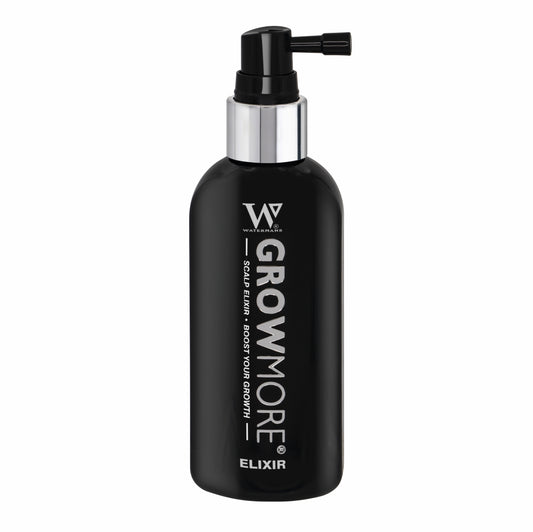
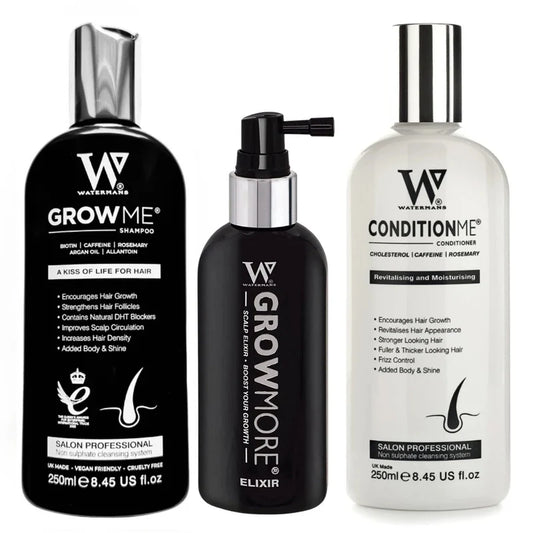
For a fuller routine, try the Watermans Hair Survival Kit. It works as a set with shampoo, conditioner, and a leave-in scalp formula that keeps the follicle area fed all day.
h2 Lifestyle factors that influence follicle stem cells
Your follicle stem cells are not alone. They answer to signals from your whole body. What you do can change how well they work.
h4 Nutrition for stem cell support
Some nutrients help hair follicles:
- Protein builds hair. Low protein can push the follicle into rest.
- Iron shortage can lead to more shedding, especially in women.
- Zinc helps cells divide and repair in the follicle.
- Vitamin D helps with the hair cycle and low levels may tie with some hair loss.
- B vitamins (such as Biotin, B12, and Folate) help give energy to cells and build keratin.
- Omega-3 fatty acids help quiet inflammation and keep the scalp well.
A diet full of lean proteins, colorful vegetables, nuts, seeds, and good fats supports the inner health of your follicle stem cells.
h4 Stress, sleep, and systemic inflammation
Long-term stress affects more than your mood:
- It raises cortisol and upsets the hair cycle.
- It adds inflammation that can hurt the stem cell area.
- It may lead to poor sleep, which slows cell repair.
To help your follicle stem cells, work on:
- Sleep – Aim for 7–9 regular hours so your cells can fix themselves.
- Stress – Daily walks, meditation, or yoga can help set hormone levels right.
- Exercise – Regular movement gives your scalp more blood flow.
h2 Medical and advanced therapies targeting follicle stem cells
If you face much thinning or bald patches, especially with a history of pattern loss, it may be time to think about medical choices. New treatments try to protect or wake up follicle stem cells.
h4 Topical and oral medications
Talk with a doctor or dermatologist before using these. Common options include:
- Minoxidil – A liquid or foam that may extend the growth phase and boost blood flow to the follicle. It does not work on stem cells directly but helps their result.
- DHT blockers like Finasteride – Mainly used by men to reduce DHT. They slow the shrinkage of follicles and keep the stem cell home safe.
- Low-dose oral minoxidil – This off-label option is sometimes used for widespread thinning under a specialist’s watch.
Even while using these, a scalp care routine with Watermans Grow Me Shampoo can work well with the treatment.
h4 Platelet-rich plasma (PRP)
In PRP therapy, a small amount of your blood is drawn. It is then concentrated, and the platelets are injected into thin areas of the scalp.
- Platelets send growth signals to nearby cells, including follicle stem cells.
- Some studies talk of PRP raising hair density and thickness in AGA.
- Several sessions are needed, and follow-ups help keep up the gains.
h4 Stem cell-based and regenerative approaches
This field is new. Some methods include:
- Adipose-derived stem cells – Stem cells taken from fat that may release signals good for hair follicles.
- Follicular stem cell transplantation – Moving or growing follicle stem cells from one side of the head to another.
- Exosome therapy – Tiny vesicles from cells that carry signals. Some clinics offer treatments to wake up follicle stem cells.
These methods are still new, can cost much, and vary in evidence. Always choose a trusted provider and be aware of big promises.
h4 Hair transplantation and follicle stem cells
Traditional hair transplantation does not make new follicle stem cells. Instead, it:
- Moves working follicles with stem cells from a donor spot, usually the back or sides.
- Places them in thin or bald spots.
This gives lasting regrowth in the moved areas because the donor stem cells tolerate DHT well.
However:
- It does not stop hair loss elsewhere.
- The donor supply is limited.
- Good scalp health remains key for stem cells to work well.
A supportive regimen like Watermans Grow Me Shampoo after your doctor’s advice can help keep remaining hair and safeguard transplanted follicles.
h2 Everyday habits that protect follicle stem cells
Everyday choices can help or hurt your follicle stem cells.
h4 Styling and grooming
- Limit high-heat styling. Excess heat can harm hair and irritate the scalp.
- Do not use tight hairstyles. Tight ponytails, braids, or extensions can hurt the follicles.
- Brush gently. Rough brushing harms the hair and can stress the follicles.
h4 Chemical exposure
Frequent harsh colouring, bleaching, or straightening can:
- Raise scalp irritation.
- Start inflammatory signals around the follicle.
- Harm the long-term health of stem cells.
If you colour or treat your hair, keep a routine that helps the scalp recover. Use longer gaps between treatments, seek professional help, and use a nourishing shampoo and conditioner, such as those in the Watermans Hair Survival Kit.
h4 Sun and environmental exposure
UV rays can:
- Hurt scalp skin.
- Make free radicals that can damage follicle stem cells.
- Speed up scalp aging.
Guard your scalp by:
- Wearing hats under the strong Australian sun.
- Using hair products that protect from UV rays.
- Avoiding long periods in the sun on thin spots.
h2 Recognising when your follicle stem cells need help
Early signs can shift the outcome. Follicle stem cells cope under pressure for a while but work best with early care.
h4 Red flags to watch for
- A widening part in women
- A receding hairline or thinning at the temples
- A thinner ponytail
- Extra hair on your pillow, in the shower, or on your brush
- Spots where hair is thin or missing
- Scalp issues like burning, itching, heavy flaking, or redness
These signs suggest that your follicles and their stem cells are under pressure.
h4 First-line actions at home
If you see early changes:
- Upgrade your shampoo and scalp routine by switching to Watermans Grow Me Shampoo for better scalp circulation and follicle work.
- Check your diet and daily habits. Make sure you get enough protein and iron. Manage stress and get enough sleep. Ask your doctor about blood tests for iron, vitamin D, or thyroid levels.
- Keep a record of changes. Take regular photos and note any extra shedding or new treatments.
If the thinning goes on or speeds up despite these steps, see a professional for a closer look.
h2 How to talk to your doctor about follicle stem cells and hair loss
Many feel rushed during doctor visits. They may not ask the key questions: Are my follicle stem cells still working, and what can I do to keep them safe?
h4 Questions worth asking
- What kind of hair loss do I have?
- Do you see working follicle stem cells or has scarring occurred?
- Which treatments work to keep my current follicles, and which try to regrow lost hair?
- Would you suggest any blood tests for nutrition or hormones?
- How long should I try each treatment before we check for results?
By arriving with a clear home-care plan – like using Watermans Grow Me Shampoo – you show you are involved. This may help your doctor focus on specific next steps.
h2 Frequently asked questions about follicle stem cells and hair regrowth
h4 Are follicle stem cells still present in thinning hair?
In many cases of pattern hair loss, yes. Studies show that follicle stem cells stay in the bulge area. However, the progenitor cells may be fewer or not work as well. This means hair can still regrow if the local area improves and treatments that wake these cells are used. A practical step is to support the scalp with Watermans Grow Me Shampoo.
h4 Can damaged follicle stem cells be regenerated?
If follicle stem cells are completely lost, as in advanced scarring alopecia, current treatments cannot bring them back. But if they are simply quiet or under stress, a good scalp routine, reduced irritation, better nutrition, and sometimes medicine can help them wake up again. A full plan with daily care and, when needed, medical help shows the best chance.
h4 How long does it take to see results from supporting follicle stem cells?
Hair cycles are long. Most people need at least 3–6 months of steady care before any change is clear. A full check can take a year or more. A routine with products like the Watermans Hair Survival Kit, combined with a good lifestyle and any needed medicines, gives follicle stem cells steady chances to form stronger, thicker hairs.
h2 Take action: support your follicle stem cells today
Follicle stem cells guard your hair’s future. They decide if new hairs form, how strong they become, and how long they last. While new science studies these cells, you can start protecting them right now.
Begin with what you can do:
- Create a healthier scalp with a growth-focused shampoo like Watermans Grow Me Shampoo. Its mix of Biotin, Rosemary, Caffeine, Niacinamide, Argan Oil, Allantoin, and Lupin Protein helps wake up the scalp and boost hair at the roots.
- Consider the full Watermans Hair Survival Kit for a complete routine that works day and night.
- Help your stem cells from within by eating well, cutting down on stress, and getting good sleep.
- If thinning gets worse or happens fast, talk with a trusted professional about ways to help.
Your follicle stem cells hold much power. The sooner you care for them, the better your chances to enjoy thicker, fuller, and lasting hair.