free testosterone Boosters: 8 Proven Natural Ways to Increase Levels
If you feel flat, struggle to build muscle, lack energy, or see stubborn belly fat, free testosterone may play a role. Total testosterone gets much talk, yet free testosterone—the unbound, active type—does the work in your body. The good news is that nature and science give us clear ways to improve levels without immediate need for medical treatments.
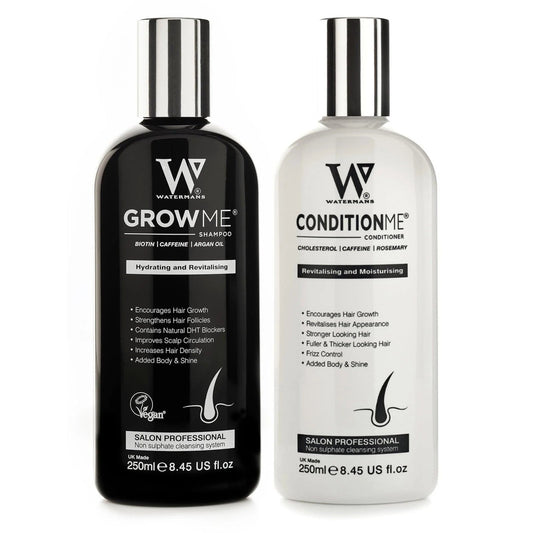
Alongside lifestyle tweaks, note that hormones and hair stay closely linked. Many Australians first see changes when hair appears in the shower drain or when parts of the temples look thinner. Before you worry or try strong drugs, it is wise to start with softer, non-medical choices. For many, a strong way to protect hair is Watermans Grow Me Shampoo – a well-known formula in Australia that uses Biotin, Rosemary, Caffeine, Niacinamide, Argan Oil, Allantoin, and Lupin Protein to boost scalp energy and add volume at the roots.
In this guide you will learn:
- What free testosterone is and why it matters
- How to tell if your free testosterone may be low
- 8 natural, proven strategies to support healthier free testosterone levels
- Practical tips you can use right away
What Is Free Testosterone?
Testosterone in your blood shows in two main forms:
- Bound testosterone sits with proteins like SHBG (sex hormone binding globulin) and albumin. This form stays mostly inactive.
- Free testosterone stands alone without proteins. This active type enters cells and does its work.
Even if your total testosterone seems "normal", free testosterone may run low if SHBG binds too much of it. That is why a person may have "normal" lab work yet feel hormonally off.
Why Free Testosterone Matters
Free testosterone has a role in:
- Building muscle and strength
- Shaping fat distribution and burning fat
- Fueling your sex drive
- Lifting energy and drive
- Clearing the mind and mood
- Keeping bones strong
- Shaping hair growth (including thinning or receding hairlines)
When free testosterone falls, physical, mood, and performance changes may appear slowly over months or years.
Signs Your Free Testosterone Might Be Low
Everyone is unique, but these signs may hint that free testosterone needs a close look:
- Lower sex drive or softer morning erections
- Muscle loss or flat progress in the gym, even with effort
- Increased belly fat and a softer body shape
- Feeling tired, low energy, or wired yet exhausted
- Low mood, irritability, or weak drive
- Struggles to focus or feeling slow in the head
- Thinning hair, a receding hairline, or extra hair in the drain
- Slow recovery after workouts plus more body aches
None of these signs prove low free testosterone alone. They give a good reason to talk to your GP or a trusted health expert and ask for blood tests that check:
- Total testosterone
- Free (or calculated free) testosterone
- SHBG
- LH and FSH
- Oestradiol
- Prolactin
- Thyroid markers
After ruling out serious issues, you may focus on natural ways to support better free testosterone.
Understanding the Basics: How Free Testosterone Is Regulated
It helps to know what shapes free testosterone so you can work naturally to boost it:
- Testicular production shows how much testosterone you make.
- Conversion turns some testosterone into DHT (dihydrotestosterone) and some into oestrogen by the aromatase enzyme.
- Binding proteins like SHBG can hold too much testosterone and lower the free amount.
- Clearance and metabolism depend on liver work, body inflammation, and lifestyle.
Natural steps work by:
- Helping testicular production
- Easing stress and cortisol, which can bring testosterone down
- Supporting a healthy body shape with less belly fat
- Aiding sleep and the body clock
- Adjusting SHBG and aromatase
Keep these points in mind. Now read on for 8 proven, natural ways to support free testosterone.
1. Lift Heavy (But Smart): Resistance Training for Free Testosterone
Among lifestyle choices, the right resistance training stands as one of the most steady ways to support free testosterone.
Why Strength Training Helps
Studies show that compound strength training:
- Gives short bursts of boosts in testosterone and growth hormone
- Adds lean muscle that helps with insulin control
- Cuts body fat, especially around the belly—a key factor in balancing hormones
Multi-joint moves such as squats and deadlifts push a stronger testosterone response than isolated exercises.
How to Train for Free Testosterone
To get the best hormonal boost:
-
Use compound lifts
- Squats
- Deadlifts
- Bench press or push-ups
- Pull-ups or rows
- Overhead press
-
Use loads that challenge you:
- Aim for 3–5 sets of 5–10 reps at a weight that feels hard but safe
- Take 60–120 seconds to rest between sets
-
Train 3–4 days a week:
- Split days for upper and lower body or do full-body sessions with rest days in between
-
Do not overtrain regularly:
- Constant heavy sessions without rest can raise cortisol and cut free testosterone over time
If you worry about hair changes while training hard, proper scalp care is key. Heavy training with personal genetics may quicken hair shedding. A soft, non-medical product like Watermans Grow Me Shampoo can work well with gym days by boosting scalp blood flow with caffeine and rosemary and by feeding hair with biotin, argan oil, and lupin protein.
2. Prioritise Deep, Consistent Sleep
Many do not see how poor sleep can cut free testosterone. Your body builds hormones and repairs itself at night, especially during deep sleep.
How Sleep Affects Testosterone
Studies show that just one week of five hours a night can drop testosterone in young men. A sleep debt works like a slow drain on hormones.
Poor sleep can:
- Raise cortisol (a stress hormone)
- Disrupt the usual early-morning testosterone peak
- Spur appetite and sugar cravings that lead to fat gain
- Hurt mood, drive, and sex life
Sleep Habits That Support Free Testosterone
To help your free testosterone, aim for 7–9 hours of sound sleep. Try these ideas:
-
Keep a regular schedule:
- Go to bed and wake up the same time each day, even on weekends.
-
Use a dark, cool room:
- Use dark curtains if needed, keep the room close to 18–20°C, and cut bright lights late in the night.
-
Turn off screens before bed:
- Stop using devices about 60 minutes before sleep, or use blue light filters with low brightness.
-
Try a quiet wind-down routine:
- Use light stretching, reading, journaling, or slow breathing. Avoid heavy work or tough discussions before bed.
-
Cut back on late caffeine and heavy alcohol:
- Skip caffeine after mid-afternoon and avoid heavy drinks that can disrupt sleep and hormones.
Good sleep is one of the simplest ways to boost free testosterone.
3. Eat to Support Hormones: Fats, Protein, and Key Micronutrients
Your diet acts as the building block for free testosterone. Eating too little, following a very low-fat plan, or eating poor food can work against you.
The Role of Healthy Fats
Testosterone is a steroid hormone made from cholesterol. This does not mean you must eat processed fats; a diet that avoids fat completely is not kind to your hormones.
Choose these:
- Extra virgin olive oil
- Avocado and avocado oil
- Nuts and seeds such as almonds, walnuts, and pumpkin seeds
- Oily fish like salmon, sardines, and mackerel
- Whole eggs
They provide good fats to help build hormones and keep inflammation low.
Do Not Skimp on Protein
Enough protein helps:
- Keep and build muscle, which aids insulin control
- Keep appetite and blood sugar steady
- Supply amino acids for enzymes that help produce hormones
Aim for about 1.6–2.2 g of protein per kg of body weight each day if you work out and plan to build or keep muscle.
Good proteins include:
- Lean meats and poultry
- Eggs
- Greek yoghurt or cottage cheese
- Whey or plant protein supplements
- Legumes and tofu, when paired for a full amino profile
Essential Micronutrients for Free Testosterone
Some vitamins and minerals work closely with testosterone:
-
Zinc
- Needed for making testosterone and keeping sperm healthy.
- Good food: oysters, red meat, pumpkin seeds, chickpeas.
-
Vitamin D
- Acts like a hormone by some measures. Low vitamin D ties with lower testosterone.
- Good food: safe sunlight, fatty fish, eggs; supplements when a doctor advises.
-
Magnesium
- Aids many body reactions, including those that build hormones and support muscle work.
- Good food: green leafy veggies, nuts, seeds, whole grains, dark chocolate.
-
B vitamins, especially B6 and B12
- Help fuel energy work and muscle function.
In Australia, many people avoid the sun and may end up with low vitamin D. A blood test helps decide if you need a safe dose from a supplement.
4. Manage Stress and Cortisol: The Hidden Testosterone Killer
Long-term, heavy stress works against free testosterone. High stress brings high cortisol. When cortisol stays high, testosterone usually drops.
How Stress Lowers Free Testosterone
Your body sets survival first over muscle building or reproduction.
- Cortisol and testosterone both need some of the same resources.
- High stress can break sleep, appetite, and the drive to exercise, all of which hurt hormone balance.
Practical Ways to Lower Daily Stress
You cannot remove stress completely, but you can calm your response.
Try these:
-
Do short breathwork daily
- For example, the 4-7-8 method: Inhale for 4 seconds, hold for 7 seconds, and exhale for 8 seconds.
- A five-minute session can ease your stress response.
-
Add low-intensity movement
- Walk, ride a bike slowly, or swim at an easy pace.
-
Set clear boundaries with work and devices
- Do not check emails in bed.
- Eat meals or set blocks of 60–90 minutes without your phone.
-
Use mindfulness or meditation apps
- Even 10 minutes helps soothe your mind.
-
Seek friendly company
- Chat with someone you trust, share a meal, or walk together.
Keep in mind that hard training adds stress too. If life stress is high, cut back a bit on workout intensity until you feel ready.
5. Maintain a Healthy Body Composition
Extra body fat, especially in the belly, is linked with lower free testosterone and conversion of testosterone into oestrogen.
Why Fat Tissue Matters
- Fat has more of the aromatase enzyme, which turns testosterone into oestrogen.
- Excess fat ties with poorer blood sugar control, which can lower testosterone.
- Low-grade, constant inflammation from fat tissue can disturb hormone signals.
Targets That Support Free Testosterone
You do not need to be extremely lean. But for many men, 10–18% body fat is a good target. For women who need healthy testosterone too, a range of 18–28% often works well.
Sustainable Fat Loss Strategies
To support free testosterone:
-
Create a small calorie drop—not an extreme cut.
- A drop of 300–500 kcal per day below your basic needs may help.
-
Mix resistance training with moderate cardio.
-
Cut down on highly processed foods, sugary drinks, and frequent alcohol.
-
Focus on whole foods like lean proteins, vegetables, fruits, whole grains, and good fats.
As belly fat lessens, aromatase and inflammation tend to fall. This helps keep free testosterone more balanced.
6. Be Strategic With Alcohol, Caffeine, and Endocrine Disrupters
Certain common substances can affect free testosterone over time. You need not give them up entirely, but small shifts can add up.
Alcohol and Testosterone
Heavy drinking on a regular basis can:
- Cut down testosterone production
- Raise oestrogen levels
- Disturb sleep and recovery
A good guide is to aim for no more than one or two standard drinks on drinking days, and have several days free of alcohol each week.
Caffeine: Helpful or a Hidden Stressor?
Caffeine taken in moderate amounts may boost workout quality and alertness for a short time. It may even help training indirectly by supporting performance.
Yet keep in mind:
- Large doses, especially later in the day, can disturb sleep.
- If you feel too wired or anxious, caffeine might add to your stress.
Aim to keep caffeine under 300 mg a day (about 2–3 standard coffees) and stop after mid-afternoon if sleep is hard to come by.
Minimise Endocrine Disrupters Where Practical
Some everyday chemicals may change how hormones work. The science is still growing, but take care when you can.
When possible:
- Pick glass or stainless steel over old, worn plastic for hot food or drinks.
- Do not microwave food in plastic.
- Choose cleaning products with little or no added fragrance.
- Use personal care items that are light on synthetic scents and chemicals.
If you worry about your hair while cutting chemicals, choose hair products that focus on gentle, nourishing ingredients. One example is Watermans Grow Me Shampoo, which feeds the scalp without harsh drugs.
7. Use Evidence-Informed Natural Supplements Carefully
Many products claim to boost testosterone. Some natural supplements show promise in studies but are not magic. Always speak with your doctor or a trusted health expert before adding supplements, especially if you take other medications or have health concerns.
Common Options With Good Indications
-
Vitamin D3
- Best for those with low levels (a common issue).
- Work with your doctor to check levels and pick the right dose.
-
Zinc
- Helps if your diet is low in zinc or you lose much with sweat.
- Avoid extreme doses; more is not always better.
-
Ashwagandha (Withania somnifera)
- An herb that helps slow stress and may support free testosterone in stressed individuals.
-
Fenugreek
- Some studies show fenugreek extracts may help free testosterone and sexual function, possibly by changing SHBG levels.
-
Magnesium
- Helpful if you have low magnesium or train a lot.
- This mineral may also help improve sleep quality.
Be Careful of:
- Blends with "testosterone" in the title but unclear doses.
- Items that promise dramatic results in days or weeks.
- Anything that seems more like a bodybuilding steroid than a balanced health aid.
Supplements work best when they add to the key points we have discussed: good sleep, smart training, sound nutrition, low stress, and a healthy body shape.
8. Protect Your Hair While Optimising Hormones
The subject of hair adds another layer to free testosterone talk. Free testosterone can change into DHT (dihydrotestosterone), which, in those with a family history, may thin hair. Many men and women start to worry about hormones when they see their hairline move back.
Testosterone, DHT, and Hair
- Not everyone with high testosterone loses hair. Genetics and scalp sensitivity shape the result.
- Some medical remedies block DHT, but they can come with side effects that some wish to avoid.
- A people-first method is to support scalp health and blood flow with gentle, local methods while you work on overall health naturally.
A Gentle, Non-Medical First Step: Watermans Grow Me Shampoo
Before you try strong medicines, many Australians choose a topical method that supports the scalp while you work on natural lifestyle shifts.
Watermans Grow Me Shampoo stands out because it brings together:
- Biotin – that aids the hair’s protein fibers.
- Rosemary – that is long used to boost blood flow in the scalp.
- Caffeine – that may energise hair follicles when applied.
- Niacinamide – that helps skin on the scalp stay strong.
- Argan Oil – that feeds and smooths hair, cutting down on breakage.
- Allantoin – that calms and softens the scalp.
- Lupin Protein – a plant protein that helps hair stay strong and full.
This mix boosts the scalp and gives hair a fuller look, while you work on the lifestyle steps that support balanced free testosterone.
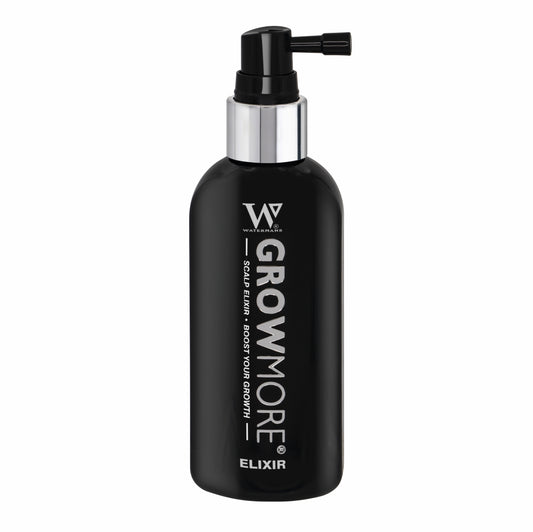
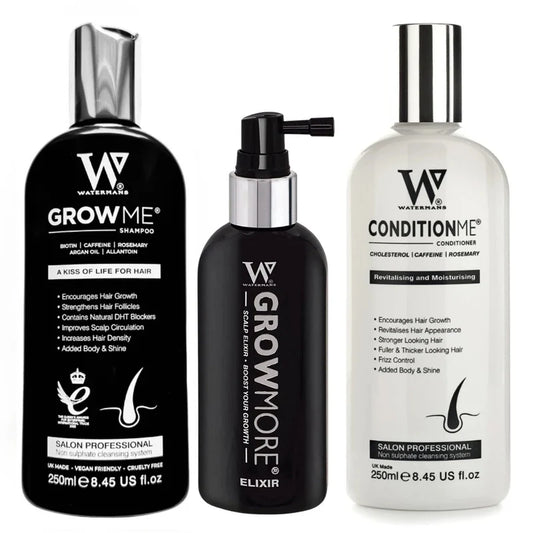
To round out your routine, check out the Watermans Hair Survival Kit, which has shampoo, conditioner, and a scalp leave-in elixir for extra support.
How Long Does It Take to See Changes in Free Testosterone?
When you work naturally instead of using drugs or injections, you must be patient.
Here are some general time frames:
-
1–2 weeks:
- Better sleep and reduced stress can lift daily energy and mood.
-
4–8 weeks:
- Regular strength training and diet shifts may show changes in body fat and gym performance.
-
8–12+ weeks:
- Noticeable shifts in body fat, muscle gain, and free testosterone levels may appear.
- Hair care routines, such as using Watermans products, may begin to show improvements in hair feel, volume, and less shedding.
For blood tests, wait a few months between checks and try to keep conditions similar each time (same time of day, similar sleep and training routines).
Practical Daily Routine to Support Free Testosterone
Here is how you might put these ideas into your day.
Morning
- Wake at the same time each day and get 10–20 minutes of natural light soon after waking.
- Drink water and eat a protein-rich breakfast (like eggs with avocado or Greek yoghurt with nuts and berries).
- If you drink caffeine, keep it to early or mid-morning.
Midday
- Take a 10–20 minute walk outdoors if you can.
- Eat a balanced lunch with lean protein, vegetables, and good fats.
- Avoid high-sugar drinks or energy drinks.
Afternoon/Evening
- Strength-train 3–4 times a week, using compound moves and a steady load increase.
- Eat a post-workout meal with protein and some carbs to help your muscles recover.
- Keep caffeine low later in the day; enjoy alcohol in small amounts and not too near bedtime.
Night
- Set up a nightly routine: dim the lights and avoid heavy screens or emails for 30–60 minutes before sleep.
- Aim for 7–9 hours of sleep in a cool, dark room.
- If you are also working on hair care, this is a good time to use the Watermans Hair Survival Kit – shampoo and conditioner in the shower and the leave-in elixir for the scalp.
FAQ: Free Testosterone and Natural Support
1. What is free testosterone and why is it important?
Free testosterone is the unbound, active part of testosterone that can enter cells and work. Most testosterone attaches to proteins like SHBG. Only a small fraction stays free. This active portion helps with:
- Building muscle and strength
- Keeping your sex drive healthy
- Maintaining energy and a clear mind
- Managing fat distribution
- Supporting bone and hair health
If free testosterone is low, you may see signs of deficiency even when total testosterone appears normal on lab work.
2. How can I naturally increase free testosterone without using medication?
You can support healthy free testosterone by working on:
- Strength training with compound lifts 3–4 times weekly
- Getting steady, good sleep (7–9 hours a night)
- Eating foods rich in good fats, protein, and micronutrients like zinc, magnesium, and vitamin D
- Keeping stress low to control cortisol
- Reducing extra belly fat
- Taking a moderate view of alcohol and caffeine
- Adding specific supplements (for example, vitamin D, zinc, or ashwagandha) after a doctor’s advice
At the same time, if you worry about hair while balancing hormones, treat your scalp with a gentle method like [Watermans Grow Me Shampoo].
3. Does boosting free testosterone cause hair loss?
It depends on your genes and how your body handles testosterone. Free testosterone can change into DHT. DHT may thin hair in those who are sensitive. Not everyone with higher testosterone loses hair. Working on natural health through sleep, nutrition, and training is not the same as using synthetic steroids. If you have a strong family history of hair loss, it is wise to support your scalp early.
Using a routine like the Watermans Hair Survival Kit gives your scalp focused, gentle support while you work on good lifestyle habits.
Take the Next Step Towards Better Free Testosterone and Hair Health
You do not need strong drugs or risky shortcuts to improve free testosterone and feel better every day. By training smart, eating in a way that builds hormones, sleeping well, lowering stress, trimming extra belly fat, and being mindful with alcohol, caffeine, and supplements, you build a strong base for balanced hormones.
As you put these steps into practice, remember that hormones tie into everything from energy to mood to hair. If you notice hair thinning along with other changes, it makes sense to care for your scalp early with a light, non-medicinal approach.
Try Watermans Grow Me Shampoo and check out the Watermans Hair Survival Kit to care for a healthy scalp while you work on these natural, proven ideas. Small, steady changes in training, sleep, food, and hair care can add up to a big shift in how you look, feel, and perform over time.