Hair Follicle Cycling Secrets: Boost Growth and Stop Thinning Naturally
Understanding hair follicle cycling roots our approach to boosting growth and slowing thinning without harsh medicines. When you grasp each stage of what your follicles do, you can care for them with smart routines, gentle products, and natural ingredients that help more hairs stay in growth longer.
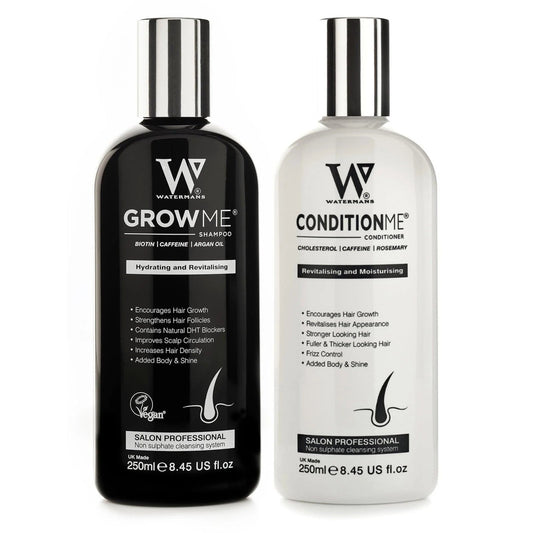
In this guide we break down the hair cycle in plain English, tell you why it sometimes fails, and show how to support healthier growth naturally. You will see why many people in Australia and beyond often try Watermans Grow Me Shampoo. This salon-grade, non-medical shampoo mixes caffeine, biotin, rosemary, niacinamide, argan oil, allantoin, and lupin protein to support healthy follicle cycling.
What Is Hair Follicle Cycling? (And Why It Matters)
Hair follicle cycling follows a natural, repeating path. Each hair grows, rests, and sheds in its own way. The cycle works best when:
- Many hairs grow actively (anagen).
- Few hairs rest or shed (telogen).
- Your hair appears fuller over time.
The cycle suffers when:
- The growth phase shortens.
- The rest phase lengthens.
- You see thinning and patchy hair.
The good news is that small changes in how you care for yourself and your scalp can help bring the cycle back to balance. Gentle care with a stimulating shampoo may improve hair look and feel.
The 4 Key Phases of Hair Follicle Cycling
Learning each stage helps you support growth naturally.
1. Anagen – The Active Growth Phase
Anagen is the phase when your hair grows.
• It lasts 2–7 years on scalp hairs.
• At the root, cells split fast and push hair out.
• The longer hair stays here, the longer and thicker it gets.
In a healthy scalp, 85–90% of hairs live in anagen. Many natural methods work to keep more hairs growing in this phase.
Products like Watermans Grow Me Shampoo mix caffeine, rosemary, and niacinamide to create a good scalp setting that supports strong anagen growth.
2. Catagen – The Transition Phase
Catagen is a short phase that links growth with rest.
• It lasts 2–3 weeks.
• Hair stops growing and the follicle shrinks a little.
• A quick exit from anagen means fewer hairs grow.
This phase rarely causes trouble. Yet, stress or strong styling can push hairs here too soon.
3. Telogen – The Resting Phase
Telogen is the pause phase.
• It lasts 2–4 months.
• The follicle stops growing, and the hair sits but does not grow.
• Normally, 10–15% of hairs are in telogen.
• When too many hairs rest, shedding becomes clear.
If your ponytail looks thinner or you see more hair in the shower after stress or illness, many hairs may be in telogen before they let go.
4. Exogen – The Shedding Phase
Exogen marks when old hairs fall out.
• It lasts weeks to months.
• The resting hair lifts and falls, often while a new hair starts growing below.
• Losing about 50–100 hairs a day is normal.
Healthy exogen means old hairs are replaced by new ones. With strong new growth, you see little shedding; weak growth makes loss stand out.
What Disrupts Normal Hair Follicle Cycling?
Many factors can upset the hair cycle. They often mix inside and outside triggers.
Genetics and Hormones
Genes shape how your follicles deal with hormones like DHT. In pattern thinning:
• Follicles shrink over time.
• The growth phase shortens.
• More hairs move into the rest phases.
• New hairs grow finer and shorter.
Even if your genes make you vulnerable, good scalp care, proper nutrition, and mild topicals can help support healthy-looking hair.
Stress and Telogen Effluvium
Both physical and emotional stress can shift many hairs into telogen. Triggers include:
• Illness or surgery
• High fever or heavy life stress
• Rapid weight loss
• Postpartum changes
In 3–6 months, many resting hairs fall out. A caring scalp routine with a massaging shampoo helps new hairs stay in growth.
Nutritional Deficiencies
Hair is not a vital body organ. Your body puts the brain and heart first. When you lack nutrients, hair often suffers first.
Common issues are:
• Low protein
• Iron shortage, common in women
• Low vitamin D
• Inadequate B vitamins and biotin
• Zinc shortage
A balanced meal plan and, sometimes, supplements under advice can give follicles the energy and material they need.
Scalp Inflammation and Build-Up
A scalp that feels tight or is inflamed does not help hair grow well. Conditions such as:
• Dandruff or flaky skin
• Excess oil and product residue
• Tight styles that pull on roots
• Harsh chemicals or strong treatments
create a strain around the follicle. That is why a careful, scalp-focused routine with a shampoo that cleans yet supports the scalp is needed.
Shampoos like Watermans Grow Me Shampoo help by cleaning build-up and releasing actives like niacinamide, rosemary, and caffeine to wake up the scalp gently.
How Hair Follicle Cycling Changes with Age
The hair cycle shifts as you age.
Childhood and Teenage Years
• Anagen lasts long.
• Hairs are thick and strong.
• Many follicles work well.
Young scalps show many active hairs.
20s and 30s
• The cycle still works well.
• Early thinning may start.
• Stress or diet problems may show.
This time helps to set up a good scalp-care habit.
40s, 50s and Beyond
• Anagen shortens.
• Some hairs become finer or rest longer.
• Hormonal shifts can speed up changes.
While age shifts skin and hair, caring well for your scalp and using proper products can help your hair look its best.
Natural Ways to Support Healthy Hair Follicle Cycling
You do not need strong medicines to help your hair cycle. A steady, gentle, and whole-body approach may bring more density and shine over time.
Below are simple, research-backed methods to try before more intense measures.
1. Focus on a Scalp Routine
Think of your scalp as soil. Your hair, like a plant, needs good soil. A scalp routine should include:
• Cleaning to remove residue, sweat, and extra oil.
• Occasional gentle exfoliation if your scalp can handle it.
• Topicals that help blood flow to the follicles.
A product like Watermans Grow Me Shampoo works well here. It brings in:
• Caffeine to work against DHT effects.
• Biotin to support hair strength.
• Rosemary to wake up the scalp.
• Niacinamide to boost blood flow.
• Argan oil for moisture and protection.
• Allantoin to calm the skin.
• Lupin protein to strengthen hair.
Because it is mild and works on the scalp and roots, many use Grow Me Shampoo as the start to their natural hair care.

2. Enjoy a Scalp Massage
A scalp massage can help:
• Bring more blood to hair roots.
• Calm stress that tightens the scalp.
• Help actives absorb better.
Try massaging your scalp for 5–10 minutes daily with just your fingertips using small, soft circles.
3. Feed Your Follicles
A good diet supports hair cycling. Focus on:
• Protein – hair is built with keratin, a protein. Eat eggs, fish, legumes, lean meat, or tofu.
• Iron – get it from red meat, lentils, leafy greens, or fortified cereals.
• Omega-3 fats – find these in fatty fish, flax, chia, or walnuts.
• Vitamin D – get safe sun and fish.
• Zinc and selenium – support cell repair and act as antioxidants.
If you worry you lack these, speak with your GP or dietitian and check with a blood test.
4. Control Stress
Long-term stress may push hairs to rest too soon. Ease stress with:
• Daily walks, yoga, or light exercise.
• Enough sleep—7 to 9 hours per night.
• A few minutes of mindful breathing or quiet time.
Good stress management helps keep more hairs in the growth phase.
5. Treat Styling and Treatments with Care
Heavy styling can irritate the scalp and hurt hair. Try to:
• Avoid very tight hair styles that pull at roots.
• Use low heat and a protectant with styling tools.
• Space out chemical treatments like bleach or perms.
• Use a soft towel or t-shirt to dry hair gently.
This care helps keep the hair strong and avoids breakage that may look like thinning.
6. Choose a Complete Haircare Set
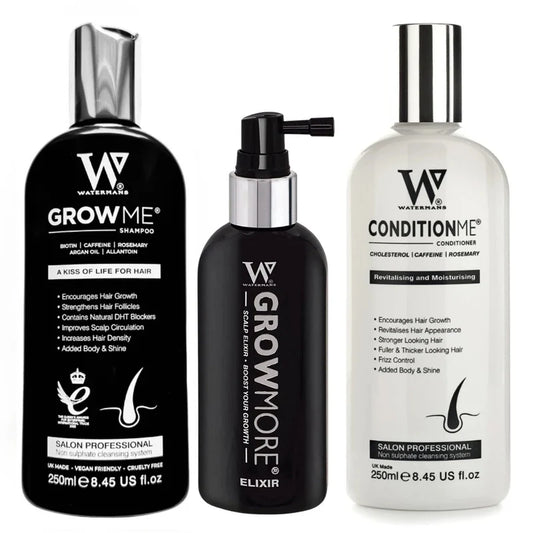
If you wish to support your hair cycle naturally, a full care set can work well together. The Watermans Hair Survival Kit often includes:
• Grow Me Shampoo to awaken the scalp.
• A conditioner that feeds the hair.
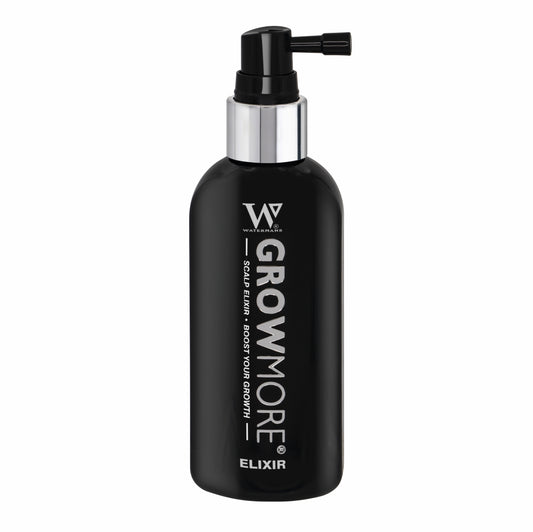
• A leave-in product to keep the scalp active.
Using a matching set makes sure each product plays its role for strong hair cycling.
How Long Does It Take to See Changes in Hair Follicle Cycling?
Hair cycling runs on weeks and months. This means natural care needs patience and regular effort.
Time frames may be: • In 4–8 weeks:
- Your scalp feels better and less itchy.
- Hair styling feels easier and with more volume. • In 3–6 months:
- You may see less hair fall if the tall resting phase ends.
- Hair around your hairline might seem denser. • In 6–12+ months:
- You notice fuller density.
- Hair length shows the benefit of stronger growth.
Each hair has its own timing, so changes come slowly. That slow shift shows your follicles work in a more balanced way.
Medical vs. Natural Approaches: Where Does Hair Follicle Cycling Fit In?
It is key to note the difference between helping normal hair cycling and treating a condition. Natural care works to support the hair you have. It is not a fix for every kind of hair loss.
When Natural Approaches Work Best
Gentle, non-medical methods usually help when:
• Shedding is light or moderate.
• Early thinning is seen.
• Stress, diet, or scalp build-up seem to affect hair.
• You choose to avoid strong medicines for now.
For those in this group, using a scalp shampoo like Watermans Grow Me Shampoo along with lifestyle care can change how your hair looks and feels.
When to Ask a Professional
Talk to a GP, dermatologist, or hair expert if you see:
• A sudden and heavy loss of hair.
• Clear bald spots or rounds of missing hair.
• Redness, pain, or sores on the scalp.
• Hair loss with signs like tiredness, weight change, or hormone issues.
A professional looks for reasons (such as thyroid issues or nutrient lack) and can suggest medical care. In many cases, you can keep using gentle, supportive products at the same time.
Everyday Habits That Support Better Hair Follicle Cycling
Here are daily and weekly habits to support healthy cycling in a simple way.
Daily Habits
• Eat a breakfast rich in protein such as eggs, Greek yoghurt, or scrambled tofu.
• Drink water so your scalp stays healthy.
• Give your scalp a 3–5 minute massage each day.
• Ease stress with a brief walk, breathing exercise, or stretch.
• Do not use tight hair ties or brush too roughly.
Wash Day Habits
• Rinse with lukewarm water instead of very hot water.
• Use a scalp shampoo like Grow Me Shampoo. Work it into your scalp slowly for 2–3 minutes.
• Apply a nourishing conditioner to the lengths.
• Finish with a cool rinse to smooth hair cuticles.
• Dry hair gently by blotting with a soft towel.
Weekly/Monthly Habits
• Track your hair fall over months rather than days.
• Make time for longer relaxation to ease chronic stress.
• If your scalp allows, use a gentle exfoliation to remove build-up.
• Review your meals for enough protein, iron, and healthy fats.
These small habits come together to support balanced hair follicle cycling without harsh methods.
Quick-Reference Checklist to Support Hair Follicle Cycling Naturally
Use this list to guide your routine:
- ✔ I use a scalp shampoo that wakes up my follicles (for example, Watermans Grow Me Shampoo).
- ✔ I massage my scalp for a few minutes most days.
- ✔ I eat enough protein and keep an eye on my iron and vitamin D.
- ✔ I work on stress with simple and realistic tools.
- ✔ I avoid very tight hairstyles and heavy heat styling.
- ✔ I stay patient and watch progress over 3–6 months.
FAQ: Hair Follicle Cycling and Natural Hair Growth
1. How can I improve hair follicle cycling naturally at home?
Improve cycling by caring for your scalp, eating well, and easing stress. Use a mild, stimulating shampoo like Watermans Grow Me Shampoo to set a good stage for follicles. A daily scalp massage, a nutrient-rich diet, and avoiding tight styles also help.
2. How long does it take for hair follicle cycling to normalise after shedding?
When shedding comes from a short stress or illness, the cycle can normalise in 3–6 months. New hairs need more months to grow long enough for you to see denser hair. Supporting your scalp with gentle care helps the change.
3. Can hair follicle cycling be restored if thinning has been long-term?
Long-term thinning often results from genes and a shortened growth phase. While not every follicle will return to full strength, you can help the ones you have by supporting the cycle naturally. A targeted shampoo system such as the Watermans Hair Survival Kit, better nutrition, and less damage can improve your hair’s appearance. For long-standing issues, get professional advice while keeping gentle use.
Take the Next Step: Support Your Hair Follicle Cycling Today
If you find more hair in the drain, a thinner ponytail, or a slow hairline, know that each follicle is busy beneath your skin. With steady care focused on your scalp and hair, you may keep more hairs in the growth phase for longer.
Before trying strong treatments, try a careful routine with a shampoo like Watermans Grow Me Shampoo that uses caffeine, biotin, rosemary, niacinamide, argan oil, allantoin, and lupin protein. For a full care path, the Watermans Hair Survival Kit covers wash, condition, and leave-in steps.
Your follicles work right now. The sooner you care for them with clear habits and gentle, growth-focused products, the more likely you will see fuller, stronger hair in the coming months.