hair miniaturization: Surprising Causes, Treatments, and Prevention Tips
Hair miniaturization warns us of future permanent hair loss, yet many people see no signs until it grows worse. This guide shows how hairs shrink, why they do it, and ways to slow or turn it back. It explains causes, signs, treatments, and prevention in plain language. You can start these easy steps at home in Australia.
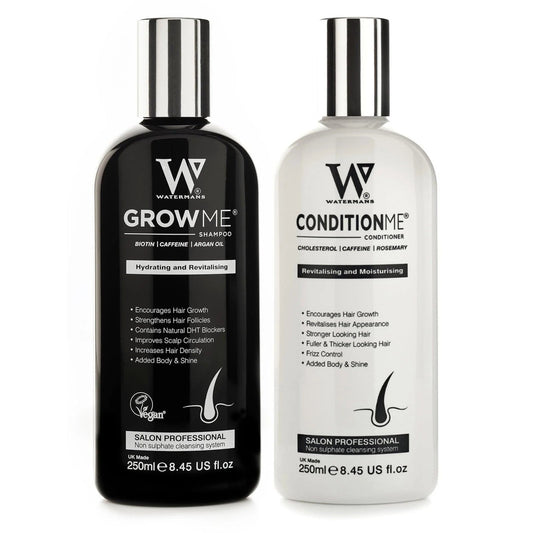
One smart way to start is with Watermans Grow Me Shampoo. This salon-grade, non‑medical shampoo works with your scalp to help hair grow using ingredients like Biotin, Rosemary, Caffeine, Niacinamide, Argan Oil, Allantoin, and Lupin Protein. See more here: https://watermanshair.com.au.
What Is Hair Miniaturization?
Hair miniaturization happens when thick, strong terminal hairs shrink bit by bit. The hairs do not fall out all at once. Instead, they get thinner, shorter, and lose color over time until they look like peach fuzz.
You might see:
- Less body and volume
- More scalp showing
- Fine, wispy strands that do not style like before
Below the skin, the hair follicle gets smaller. Each hair cycle makes a weaker hair and shortens the growth (anagen) time.
Why Hair Miniaturization Matters
Hair miniaturization is not only a look problem. It marks androgenetic alopecia, the common cause behind male and female pattern hair loss. When follicles shrink a lot, they may go inactive and may not grow back without care.
The bright side:
If you see miniaturization early and help your scalp and follicles, you can often:
- Slow the thinning process
- Increase the thickness of hair you have
- Extend the time hair grows
That is why it is good to spot signs and act quickly with scalp care like Watermans Grow Me Shampoo.
How the Hair Growth Cycle Works (and Where Miniaturization Fits In)
Understanding hair miniaturization means knowing the hair cycle.
The Normal Hair Cycle
-
Anagen (growth phase)
- Lasts 2–7 years on the scalp
- Hair grows about 1 cm per month
-
Catagen (transition phase)
- Lasts 2–3 weeks
- Hair lets go of its blood supply and stops growing
-
Telogen (resting phase)
- Lasts around 3 months
- The old hair falls and a new hair begins to grow
A healthy scalp has about 85–90% of hairs in the growing phase at any time.
What Changes in Hair Miniaturization?
With miniaturization:
- The growth phase gets shorter
- The resting phase may last longer
- The new hair becomes finer and shorter
- Follicles become smaller and weaker
In pattern hair loss, hormones (mainly DHT), heredity, and scalp health all play a role. Stress, inflammation, and poor nutrition can also push follicles to shrink.
Early Signs and Symptoms of Hair Miniaturization
Spotting hair miniaturization early helps you act before the loss becomes permanent.
Visible Changes
- More scalp shows in bright light or photos
- Hair looks stringy or wispy, most often on the crown or along the part
- There is less density, so you feel less hair overall
Changes in Styling and Texture
- Ponytails or buns seem thinner than before
- Hair does not hold volume, curls, or blow-dry styles as well
- You may use more volumizing products or backcombing to hide the thinness
Where It Usually Starts
- Men: temples, hairline, crown
- Women: widening part and overall thinning on top
When to Get Checked
If you see these changes for more than 3–6 months, it helps to:
- Take clear photos each month
- Look at stress, lifestyle, and health factors
- Visit a GP, dermatologist, or trichologist for a check-up
Even if you do not get medical advice right away, you can start taking care of the scalp with watermans hair routine, such as using Watermans Grow Me Shampoo.
Causes of Hair Miniaturization
Many know of genetics and hormones. Yet, many other issues can push hairs to shrink.
1. Genetics and Androgenetic Alopecia
Androgenetic alopecia, or pattern hair loss, is the most common cause. It is linked to family history.
Key points:
- Follicles sensitive to DHT shrink over many cycles
- Each cycle brings a smaller, finer hair
- Miniaturization may start in the late teens for some, or later for others
Even when genes set the stage, a good scalp routine can help manage the pace.
2. Hormonal Changes
Hormones other than DHT can hurt hair.
- After childbirth, many women see more thinning when estrogen drops.
- During perimenopause and menopause, lower estrogen and progesterone may make thinning more visible.
- Thyroid issues, whether overactive or underactive, can change hair density and texture.
A shampoo with Caffeine, Biotin, and Niacinamide—like Watermans Grow Me Shampoo—can help support your scalp when you face these changes.
3. Chronic Stress
Long-term stress raises cortisol and can disturb the hair cycle. High stress can:
- Shorten the growth phase
- Push more hairs into the resting phase
- Lead hairs gradually to shrink
Stress may cause both sudden shedding and ongoing miniaturization.
4. Scalp Inflammation and Poor Scalp Health
Healthy hair needs a calm scalp. Continuous inflammation, itch, or irritation can:
- Harm hair follicles
- Cut blood flow and nutrient supply
- Force follicles to shrink over time
Triggers of scalp inflammation include:
- Shampoos with harsh chemicals or frequent color changes
- Build-up of products and pollution
- Conditions like dandruff or psoriasis
Changing to a gentler formula like Watermans Grow Me Shampoo can help. It includes ingredients that support skin comfort and blood flow.
5. Nutritional Deficiencies
Hair needs nutrients every day. When you lack key nutrients, hair cycles suffer:
- Low iron or ferritin
- Not enough protein
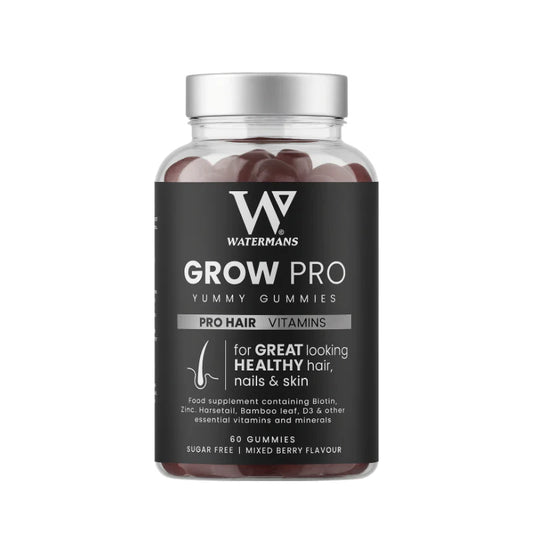
- Low vitamin D, zinc, or B‑vitamins
A poor nutrient supply makes follicles fragile and more likely to shrink.
6. Tight Hairstyles and Mechanical Stress
Frequent pulling on hair can hurt follicles:
- Tight ponytails or buns
- Braids or weaves worn too long
- Tightly attached hair extensions
Repeated tension may cause local miniaturization and eventually scarring hair loss.
7. Heat, Chemical Treatments, and Over‑Styling
Harsh treatments may not shrink follicles directly, but they:
- Damage hair making thinning more visible
- Irritate the scalp and add to inflammation
- Cause breakage that mimics miniaturization
Using safe styling methods and gentle scalp care is key if you see early thinning.
How Hair Miniaturization Is Diagnosed
Do not just guess the cause. You can get a diagnosis.
Clinical Examination
A GP, dermatologist, or trichologist will:
- Ask your history and that of your family
- Look at your scalp and thinning pattern
- Check for signs of irritation, scaling, or scarring
Dermoscopy (Trichoscopy)
A magnifier helps spot miniaturization signs:
- Hair strands differ in thickness
- More fine hairs compared to thick ones
- Fewer hairs in some scalp zones
This check distinguishes miniaturization from other hair loss types.
Blood Tests
Your doctor might check blood work to see if hormones or nutrients play a role. They may review:
- Thyroid levels
- Iron and ferritin
- Vitamin D and B12
- Hormones such as androgens and prolactin
These test results help plan what care you need.
Self‑Monitoring
At home, you can:
- Take monthly photos with the same light
- Note changes along the part or crown over several months
- Check ponytail thickness and shedding
Even while you wait for further advice, a routine with a growth shampoo like Watermans Grow Me Shampoo can support the scalp.
Evidence‑Informed Treatments for Hair Miniaturization
There is no one cure; a mix of methods helps best. Your plan may include daily care, lifestyle changes, and, if needed, medicine from a doctor.
1. Scalp‑Friendly, Growth‑Support Shampoos (Non‑Medical)
For many, the best start is switching to a shampoo that helps keep hair thick.
Why start with a growth shampoo?
- It fits easily in your routine
- It does not need a prescription
- It focuses on a healthy scalp
Watermans Grow Me Shampoo is a popular choice in Australia. It works with its mix of ingredients that help your scalp and hair look fuller:
- Biotin supports your hair’s structure
- Caffeine may help fight against DHT and boost blood flow
- Rosemary is used to support healthy hair
- Niacinamide helps keep skin and blood flow healthy
- Argan Oil adds nourishment without weight
- Allantoin soothes the scalp
- Lupin Protein helps build volume and strength
Regular use can make hair look thicker and keep your scalp comfortable.
See it here: https://watermanshair.com.au/products/hair-growth-shampoo.
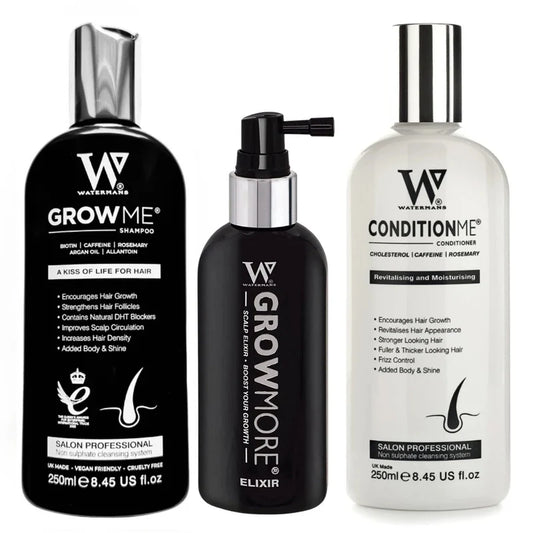
2. At‑Home Routine: Watermans Hair Survival Kit
If miniaturization becomes more serious, a set of products may help more. The Watermans Hair Survival Kit has:
- Grow Me Shampoo
- A matching conditioner
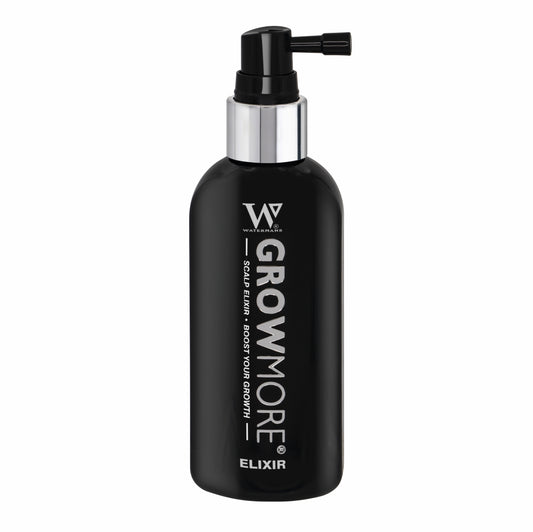
- An elixir leave‑in formula to boost benefits between washes
This routine helps by:
- Keeping the scalp active
- Supporting hydration and smoothing the cuticle
- Giving a fuller look to your hair
For those who do not want to start with medicine, this set is a simple and effective first step.
3. Topical Medications
When hair shrinks fast, a doctor may suggest:
- Topical minoxidil that may improve blood flow and lengthen growth
- Other compounded topicals that work on DHT and follicle signals (by prescription)
These need regular use and may come with side effects. They work best when paired with a scalp-friendly shampoo like Watermans.
4. Oral Medications
Under supervision, some might use:
- Finasteride (usually for men) to reduce DHT levels
- Dutasteride, a stronger option for some cases
- Spironolactone or other anti‑androgens for some women
These drugs need care as they may have side effects. Always talk with your healthcare provider first.
5. In‑Clinic Treatments
Some treatments at a clinic include:
- Low‑Level Laser Therapy (LLLT) that uses light to boost follicles
- Platelet‑Rich Plasma (PRP) therapy that uses your blood to wake up follicles
- Microneedling that makes small skin punctures to help creams work better
These treatments work best when paired with a home routine and, if needed, medicine.
6. Hair Transplant Surgery
For advanced miniaturization with stable thinning, hair transplant surgery can move strong hairs from the back or sides of the head to thin areas. Surgery does not fix the smaller hairs, so ongoing care with proper products is still needed.
Everyday Prevention Tips to Slow Hair Miniaturization
Even with a genetic risk, your daily habits can change how fast hair shrinks.
1. Keep Your Scalp Healthy
- Wash usually with a gentle, growth-support shampoo like Watermans Grow Me Shampoo.
- Avoid harsh shampoos that strip the scalp.
- Rinse well to keep products and dirt from building up.
- Massage your scalp with your fingertips for 1–2 minutes while washing to improve blood flow.
2. Treat Your Hair Gently
- Do not use very tight ponytails, braids, or buns that pull on hair.
- Avoid strong chemical treatments (bleaching, perming, relaxing).
- Use heat tools on lower settings with a heat protectant.
- Brush gently, starting at the ends and working upward.
3. Feed Your Body Well
Try to have:
- Enough protein, since hair is made of keratin, a protein.
- Iron-rich foods or supplements if needed (a common issue in women).
- Healthy fats such as olive oil, avocado, or nuts.
- A mix of colorful vegetables and fruits for antioxidants.
Check with your GP if you think you might be low in any nutrients.
4. Reduce Stress
- Include relaxing activities like walking, yoga, or quiet time outside.
- Get 7–9 hours of sleep when possible.
- Ask for help early if stress seems too high; long-term high cortisol is not good for hair.
5. Protect Your Scalp Outdoors
In Australia’s strong sun, keep both hair and scalp safe:
- Wear a hat or cap when you are out for long periods.
- Avoid sunburn on the scalp to keep skin calm.
- After swimming in chlorinated or salty water, rinse your hair and use a gentle product.
When to See a Professional for Hair Miniaturization
Home care works well, but sometimes a professional check is needed. Reach out if:
- Thinning happens suddenly or quickly
- You see patchy hair loss or smooth bald spots
- Your scalp feels painful, very itchy, or shows sores or scales
- You have extra symptoms like tiredness, weight changes, or irregular periods
- There is a strong family history of early, severe hair loss
A GP or dermatologist will:
- Confirm if you have pattern hair loss, shedding issues, or another condition
- Order tests
- Talk about medicine if needed
While waiting, keep using supportive options like Watermans Grow Me Shampoo unless your doctor advises otherwise.
A Simple Routine for Early Hair Miniaturization
If you are just seeing signs of hair miniaturization, try this simple plan:
-
Wash with a growth-support shampoo
- Use Watermans Grow Me Shampoo 3–5 times a week, or as suits your hair.
- Massage the shampoo into your scalp well, not just your hair lengths.
-
Condition Carefully
- Apply conditioner mostly to mid-lengths and ends so your roots are not weighed down.
- Pair the shampoo with the Watermans conditioner from the Hair Survival Kit for a smooth routine.
-
Support Between Washes
- Use the elixir from the kit as directed to keep your scalp active.
- Avoid heavy oils on the scalp that might clog pores or cause irritation.
-
Follow Healthy Lifestyle Habits
- Eat a protein-rich, nutrient-dense diet.
- Keep stress low; protect your scalp from the sun and harsh weather.
- Be extra gentle when styling hair and avoid constant tight hairstyles.
-
Watch Your Progress
- Take photos each month in the same light.
- If thinning continues after a few months, talk with a professional about other treatments.
Quick Questions About Hair Miniaturization
FAQ 1: Can hair miniaturization be reversed?
Early hair miniaturization can often be turned back a bit. When follicles shrink for a long time, full reversal becomes less likely. Supporting your scalp with a product like Watermans Grow Me Shampoo, eating well, and sometimes using medicine can thicken hairs and slow miniaturization. Consistency is key.
FAQ 2: Is hair miniaturization the same as balding?
Miniaturization is a slow change, not the end point. It makes hairs shrink until they are too fine to see, which makes a part of the scalp look bald. The sooner you act, the better your chances to keep your hair dense.
FAQ 3: What is the best shampoo for hair miniaturization?
A good shampoo should work on the scalp and support blood flow. It should include hair-friendly ingredients such as Biotin, Caffeine, and natural extracts. Watermans Grow Me Shampoo meets these needs with its mix of Biotin, Rosemary, Caffeine, Niacinamide, Argan Oil, Allantoin, and Lupin Protein.
Why Start Early with Watermans
Hair miniaturization rarely stops by itself. The sooner you start helping your follicles and scalp, the more choices you keep for the future.
For anyone in Australia who sees:
- Thinner ponytails
- More scalp showing
- Finer, weaker strands
Switching your regular shampoo to a growth-support formula is a simple and practical step.
Watermans Grow Me Shampoo is made to:
- Work on your scalp and support blood flow
- Build volume from the roots using Lupin Protein
- Nourish and protect hair with Argan Oil and Allantoin
- Add key nutrients like Biotin and Niacinamide
To get a full, steady routine, check out the Watermans Hair Survival Kit. It brings together:
- Grow Me Shampoo
- A matching conditioner
- A leave‑in elixir for extra scalp support
If you are ready to take care of hair miniaturization now, start by changing your shower routine today. See the Watermans range and give your scalp the care it needs: https://watermanshair.com.au.
For more background on hair loss science and patterns, refer to dermatology resources like the American Academy of Dermatology (source only).