hair pull test: How to Interpret Results and Stop Shedding
Noticing more hairs on your brush or in your drain can unsettle you. Many people try the hair pull test at home or at the doctor’s office. When you do it right, this test helps you see if your hair shedding stays normal or if it may signal early hair loss or a scalp problem.
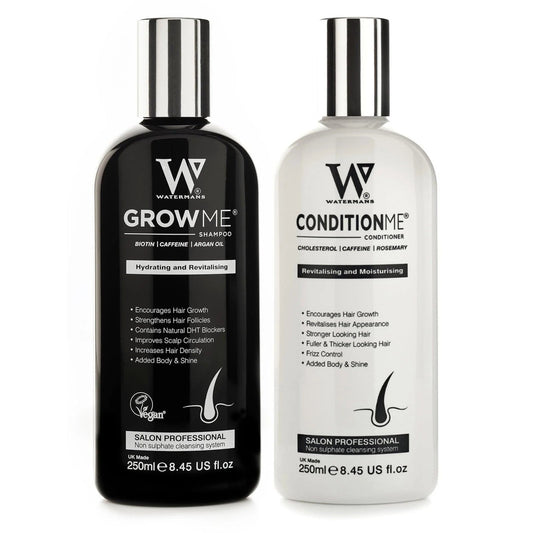
In this guide you will learn how the hair pull test works, how to read your results, what to do if you “fail” the test, and practical ways to lower shedding. You can start with non‐medical methods, such as using the Watermans Grow Me Shampoo. This shampoo is a natural way to support hair growth and scalp health in Australia.
What Is the Hair Pull Test?
The hair pull test is a quick, low‑tech check used to see if you lose more hair than usual. You hold a small bundle of hairs and pull gently to see how many fall from your scalp.
Doctors use this test when a person shows signs like:
- A sudden rise in shedding
- Thinning in patches or all over
- Itchy, burning, or sore scalp
- Changes after an illness, stress, or new medicine
The test cannot name the cause of hair loss. It shows if your shedding is:
- Within the normal range
- A little above normal
- Quite abnormal and in need of a closer look
How Much Hair Shedding Is Normal?
Before you try the hair pull test, know what “normal” shedding means.
Most people lose about 50–100 hairs each day as part of the natural cycle (source: American Academy of Dermatology). This count may change by:
- Hair type and density
- Washing and brushing routines
- Hairstyle tension
- Seasonal shifts
A few hairs on your pillow or in the shower do not mean something is wrong. The hair pull test gives you a measured look at hair loss at that time.
How the Hair Growth Cycle Affects the Hair Pull Test
The hair growth cycle helps you understand the test results:
- Anagen (growth phase): 80–90% of hairs grow actively for several years.
- Catagen (transition phase): About 1% of hairs pass through this short stage lasting a few weeks.
- Telogen (resting/shedding phase): 10–15% of hairs rest for 2–3 months before they fall.
When more hairs move to the telogen phase, a condition called telogen effluvium, the test will show more hairs falling out.
This test may be very useful after events like:
- A major stress
- Illness or surgery
- Crash dieting
- Childbirth
- Changes in some medicines
How to Perform a Hair Pull Test at Home
You can do a simple version of the hair pull test at home. The test is safe, fast, and does not hurt when done right.
Step-by-step hair pull test instructions
-
Start with dry, clean hair
Do not test right after washing or heavy brushing. This can cause extra loose hairs. -
Choose several places on your scalp
To get a fair idea of overall shedding, check these areas:- Front hairline
- Temples
- Crown (top of the head)
- Back of the scalp
-
Grasp a small strand bundle
- Use your thumb, index, and middle fingers.
- Hold about 40–60 hairs, similar in thickness to a drinking straw.
-
Gently but firmly pull
- Pull slowly and steadily from your scalp.
- Do not yank or pull hard. It should feel like a firm comb-through.
-
Count the falling hairs
- Look at your fingers and count the hairs.
- Repeat in 4–5 spots and record the numbers.
-
Get your result
- Add the total hairs from each test.
- Divide by the number of pulls to find the average per pull.
This routine gives you a rough look at how much hair you are shedding.
How to Interpret Hair Pull Test Results
Many doctors use this general idea when reading the hair pull test.
Typical interpretation ranges
-
0–2 hairs per pull (negative test)
This is seen as normal. Your hair loss likely stays within the usual range. -
3–5 hairs per pull (borderline or mild positive)
This can mean a slight increase in shedding. It is wise to watch this, especially if you also see thinning. -
6 or more hairs per pull (positive test)
This indicates abnormal shedding. You should get a check-up if:- It continues for several weeks
- You see clear thinning or widening of your part
- You feel itch, redness, scaling, or pain
Note that this test only shows that shedding is high. It does not explain why it happens.
Common Causes of a Positive Hair Pull Test
A positive hair pull test means you should look into what may drive the shedding. Many reasons can be involved.
1. Telogen Effluvium (Stress-Related Shedding)
Telogen effluvium is one common cause of a positive test. It happens when many hairs go into the telogen (shedding) phase too soon.
Common triggers include:
- Strong emotional stress
- High fever or serious illness
- Surgery or hospital stays
- Crash dieting or sudden weight loss
- Iron shortage or other nutrient gaps
- Thyroid troubles
- Some medicines like certain antidepressants, blood pressure drugs, or retinoids
The shedding usually starts 2–3 months after the trigger, making the cause less clear.
2. Androgenetic Alopecia (Genetic Hair Thinning)
Genetic hair loss (also called male or female pattern thinning) may show as:
- Slow thinning on the crown
- Widening of the part in women
- A receding hairline in men
Early on, the hair pull test may show a weak positive. Over time, hairs shrink and you see less volume.
3. Traction Alopecia (Hairstyle-Related)
If you often wear:
- Tight ponytails or buns
- Braids or cornrows
- Extensions or weaves
The constant pull can stress your hair. The hair pull test may turn positive, especially near the hairline or areas under tension.
4. Scalp Conditions and Inflammation
Some scalp issues can make hair easier to pull out:
- Seborrheic dermatitis (dandruff-related irritation)
- Psoriasis on the scalp
- Folliculitis (swollen hair follicles)
- Some types of scarring hair loss
If you feel itch, burning, or see flaking with a positive test, get a scalp check.
5. Hormonal Shifts
Hormone changes can affect the hair cycle, pushing more hairs to shed:
- After childbirth
- When starting or stopping hormonal pills
- Menopause
- Thyroid issues
Checking your hormone balance can help in these cases.
What a Negative Hair Pull Test Means
If your hair pull test is negative (0–2 hairs per pull) and you still worry about hair loss, keep in mind:
- You may be within the normal range, only more aware
- Thinning can happen slowly without many hairs falling out
- Early genetic thinning may be subtle
- Broken hairs (from chemical or heat damage) look like shedding, but the root stays in the scalp
A negative test does not rule out early thinning. It simply shows you are not shedding an excess at that moment.
When to See a Doctor or Dermatologist
While the hair pull test can help, you should see a doctor in Australia if:
- The test stays positive in several areas for more than 4–6 weeks
- You notice:
- Fast thinning
- Patchy loss of hair
- Scarring, scaling, or bumps
- You have recently had:
- A major illness
- New medicines
- Hormone treatments
- There is a strong family history of early hair loss
- You feel scalp pain, burning, or strong itch
A dermatologist or hair specialist can do more tests, such as:
- Scalp imaging with a special tool
- Blood tests for iron, thyroid, vitamin D, and hormones
- In-office pull tests or tug tests
- Sometimes a scalp sample for close study
First-Line, Non-Medical Ways to Reduce Hair Shedding
If the test shows extra shedding but there are no alarming signs, many people choose to start with non‑medical methods that care for the scalp and hair.
Try a proven growth-support shampoo
Before medicines, it may feel smart to change your wash routine with a growth-support shampoo like Watermans Grow Me Shampoo.
This UK-made shampoo, available in Australia, is known for its blend of ingredients that care for hair:
- Biotin – Helps build hair structure and strength.
- Rosemary – Used to awake the scalp and boost blood flow.
- Caffeine – Acts on the scalp and may reduce some unwanted effects at the follicle.
- Niacinamide – A form of vitamin B3 that supports the scalp’s skin layer and blood flow.
- Argan Oil – Nourishes hair and reduces breakage to create a fuller look.
- Allantoin – Soothes and smooths the scalp.
- Lupin Protein – A plant protein that adds body and supports the hair shaft.
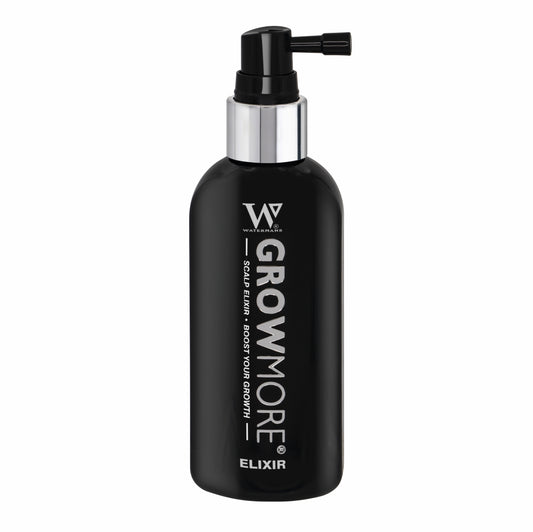
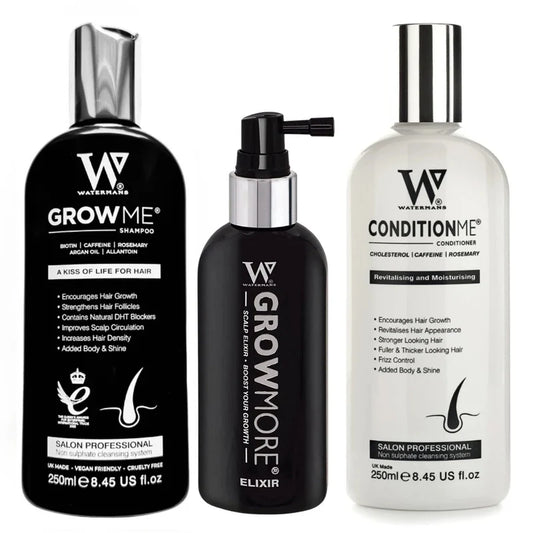
Watermans Grow Me Shampoo works to wake the scalp and add volume from the roots. For a full routine, you can add the Watermans Hair Survival Kit. This kit brings together shampoo, conditioner, and a leave‑in product that works from the roots to the tips.
Daily Habits That Can Improve Hair Pull Test Results Over Time
Beyond the products you use, daily choices affect how many hairs come out in a hair pull test.
1. Be gentle with your hair and avoid too much tension
Regular strain can cause hairs to fall or break.
- Change up your hairstyles often. Skip styles that pull tightly every day.
- Use soft elastics rather than hard ones.
- If you use extensions or tight styles, give your scalp some rest when it hurts.
2. Cut down on heat and chemical damage
Strands that are over‑processed break easily and mimic shedding.
- Use lower heat on styling tools.
- Always add a product to protect hair before heat.
- Space out treatments like bleaching, coloring, or chemical straightening.
- Ask your stylist about gentler methods.
3. Keep your scalp in good shape
A calm and clean scalp helps hair to hold on tight.
- Wash often enough to stop buildup and irritation.
- Pick formulas that are kind to your scalp, such as Watermans Grow Me Shampoo.
- If you see flaking or redness, start treatment early or check with a specialist.
4. Eat well to support hair health
Lack of nutrients can push more hairs into the resting phase. Focus on a diet with:
- Protein – Found in fish, eggs, lean meats, legumes, and tofu
- Iron – Found in red meat, spinach, lentils, and cereals
- Zinc – Present in nuts, seeds, shellfish, and whole grains
- Omega‑3 fats – Found in oily fish, flaxseeds, and walnuts
- B vitamins – Found in whole grains, leafy greens, and eggs
If your diet is limited or you lose a lot of blood during heavy periods, check your iron and other key nutrients with your GP.
5. Ease stress when you can
Ongoing stress can push more hairs to shed.
- Stay active with regular exercise
- Practice mindfulness or deep breathing
- Get enough sleep on a regular schedule
- Set limits and keep your work in check
Better stress habits may lead to fewer hairs falling out over several months.
How Long Before You See Improvement in a Hair Pull Test?
Hair grows slowly. The time for change depends on why you shed, but here are some ideas:
- After a short trigger like an illness, shedding may peak and then fall over 3–6 months.
- With care, such as changing to Watermans Grow Me Shampoo and eating well, many notice:
- Fewer hairs in the shower after several weeks
- A calmer scalp and thicker feel in 3–4 months
- Small new hairs along the hairline in 4–6 months if the follicles are strong
Try the hair pull test once every 4–6 weeks. This helps you see trends without checking every day.
Using the Hair Pull Test to Monitor Treatment or Routine Changes
The hair pull test can also help you see if changes in your routine work:
- Do a test before you change something and note the numbers from each scalp area.
- Change only one major item at a time. For example:
- Switch to Watermans Grow Me Shampoo
- Add the Watermans Hair Survival Kit
- Cut back on heat styling
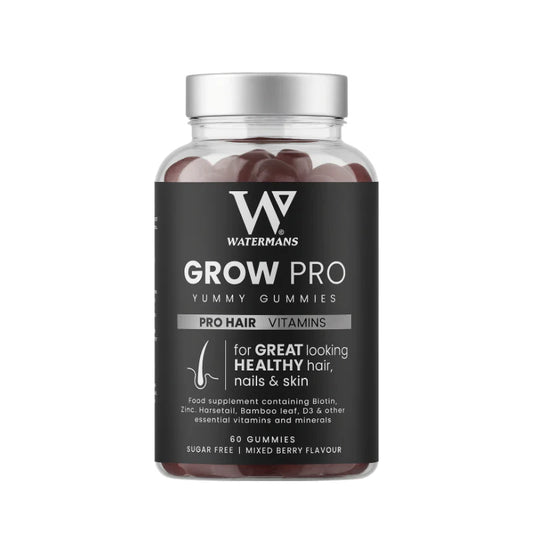
- Change your diet or take supplements as your doctor suggests
- Test again after 6–8 weeks and compare:
- Do you see fewer hairs per pull?
- Does the scalp feel less sore?
- Is the hair fuller or smoother?
This method helps you decide which change benefits your hair.
Limitations of the Hair Pull Test
The test has its limits:
- It is a single moment in time. When you last washed or brushed can change the count.
- It cannot tell if a hair fell because of shedding or breakage unless you see the root.
- It does not pinpoint the exact cause of loss.
- It can change with how you do it each time.
Use the hair pull test as a guide. If you feel that something is wrong, especially if there is visible thinning, seek a professional opinion.
Step-by-Step Action Plan If You “Fail” the Hair Pull Test
If you see more hairs falling than expected in the test, here is a simple plan:
-
Write down what you see
- Record the number of hairs per pull and note where you tested.
- Take clear photos of your part and hairline in good light.
-
Switch to a growth-support hair care routine
- Start using Watermans Grow Me Shampoo as your main cleanser.
- For a full routine, add the Watermans Hair Survival Kit.
-
Reduce hair stress
- Wear looser styles, take breaks from extensions, and use soft elastics.
- Set your heat tools to a lower level and add a protectant before use.
-
Check your health and habits
- Look back over the past 2–3 months for stress, illness, or diet changes.
- If shedding is high, discuss iron, thyroid, vitamin D, and other tests with your GP.
-
Test every 4–6 weeks
- Do the hair pull test in the same way each time.
- Compare your results to see if the shedding drops.
If your test stays strongly positive or you notice clear thinning, it is a good time to see a dermatologist or hair specialist in your area.
Frequently Asked Questions About the Hair Pull Test
1. Is the hair pull test accurate for diagnosing hair loss?
The hair pull test is a good screening tool. It shows if shedding is above normal at that time, but it cannot name the exact cause. For a full diagnosis, especially if the test stays positive, you need a full evaluation from a professional using scalp checks, blood tests, or even a small scalp sample.
2. Can I improve a positive hair pull test with natural products?
Many choose to start with non‑medical methods. Gentle products that care for the scalp and hair may help lower extra shedding over time. A popular choice is Watermans Grow Me Shampoo. It blends caffeine, biotin, rosemary, niacinamide, argan oil, allantoin, and lupin protein to wake your scalp and add volume from the roots. Regular use, along with good habits, may lower extra shedding in the right cases.
3. How often should I repeat the hair pull test?
Most people repeat the test every 4–6 weeks. This interval is long enough to see changes and helps avoid worry over daily differences. Keep the test conditions similar each time. Use the numbers along with how your hair feels and looks to decide if your routine works.
Take Back Control of Your Shedding Today
If your recent hair pull test leaves you worried, you can act without jumping to strong treatments. Begin by caring for your scalp and hair with a steady routine anchored by Watermans Grow Me Shampoo. This shampoo is a well-known natural choice for those who want to support hair growth and keep a healthy scalp.
For a full care routine, try the Watermans Hair Survival Kit. This kit combines shampoo, conditioner, and a leave‑in treatment to work from the roots to the tips.
Use the hair pull test as a guide. With careful care, better daily habits, and help from a professional when needed, many people see their shedding slow down and their hair grow stronger. If your hair sends a signal, listen and take a small step forward.