Hair Shaft Diameter Reveals Surprising Clues About Hair Health
Understanding hair shaft diameter gives you a clear look at your hair’s health, strength, and growth potential. It shows more than you see at first glance. When your ponytail seems thinner, your curls lose their bounce, or your scalp grows more visible, the width of each hair strand can share useful clues.
In this guide we break down the meaning of hair shaft diameter, how it is measured, why it may change over time, and what you can do to support thicker, stronger strands. We start with focused scalp care and support from ingredients backed by studies. You also learn why many people in Australia first choose Watermans Grow Me Shampoo. It is a top non-medical, natural option for better hair density and scalp health.
──────────────────────────── What Is Hair Shaft Diameter?
The basic idea
Hair shaft diameter is the width of one hair strand. It is measured in micrometres (µm). In short, it is the hair’s "thickness."
• Fine hair is usually under about 50 µm.
• Medium hair is around 50–70 µm.
• Coarse hair is often above 70 µm.
You cannot tell this by looking alone. Hair that seems thick may be made of fine fibres and packed close together; the reverse can also be true.
Why this measure matters
A change in hair shaft diameter may tell you about:
• Early thinning from hair loss.
• Hormone, age, or stress effects.
• Nutrient or scalp problems.
• Damage from chemicals or heat.
Watching how hair shaft diameter changes gives you an early clue when something is not right.
──────────────────────────── How Hair Shaft Diameter Is Measured
Clinical methods
Doctors and hair experts use special tools to get a good measure. They use:
• Trichoscopy or dermoscopy to image the scalp and hair at high magnification.
• A digital phototrichogram to study photos by software and measure average width and density.
• Micrometry with a microscope and a scale.
• Cross-sectional trichometry that measures the cross-sectional area of hair bundles.
These tools help in spotting hair loss from conditions like pattern hair loss, telogen effluvium, and structural hair problems.
At home ideas
You cannot match clinical tools at home, but you can get a rough idea by:
• The touch test. Fine hair feels silky and nearly smooth between your fingers, while coarse hair feels strong and wire-like.
• A comparison test. Hold one strand next to a piece of sewing thread; if it is much thinner, your hair is likely fine.
• Looking at density. If hair appears almost see-through in bright light or if tangles occur easily, your strands may be fine.
If you worry about fast thinning or patchy loss, a professional such as a dermatologist can help.
──────────────────────────── The Science of Hair Structure and Thickness
The hair fibre layers
A hair strand has three main layers. They are connected in a chain:
- The cuticle is the outer protective layer.
- The cortex is the main core that has keratin and pigments.
- The medulla is a central canal found in some hair types, more so in coarse hair.
Most of the width comes from the cortex. If the cortex is damaged, the hair may lose strength and width.
Genes and the world around you
Genes set a base width for hair. Some people start with fine hair, others with thicker hair. Still, many factors matter:
• Hormones.
• Nutrient levels.
• Blood flow to the scalp.
• Signs of inflammation.
• Chemical and heat treatments.
Each factor has its own link to how hair strands reach their full width and how they hold it.
──────────────────────────── What Shapes Hair Shaft Diameter Through Time?
- Hormones and ageing
Hormones and age change hair width. In many cases:
• Androgens like DHT send signals that shrink hair follicles in people with pattern hair loss. This leads to new hairs that are thinner over time.
• Oestrogen helps hair grow well. Lower levels after childbirth or around menopause may bring thinner hair.
• With age, more follicles rest while active ones may produce narrower strands.
This is why many say their hair feels finer with age, even if it does not fall out in patches.
- Nutritional status
Hair grows fast. It needs nutrients to do so. Not enough protein, iron, zinc, biotin, or healthy fats may lower hair diameter and lead to more shedding.
Remember to discuss any supplements with a health professional, but a good diet helps hair stay thick and strong over time.
- Scalp health and blood flow
A hair follicle that gets enough air and blood makes strong growth. If your scalp has ongoing problems, this may hurt hair growth. Problems include:
• Ongoing dandruff or dermatitis.
• Psoriasis on the scalp.
• Buildup from harsh styling products.
• Low-grade inflammation around follicles.
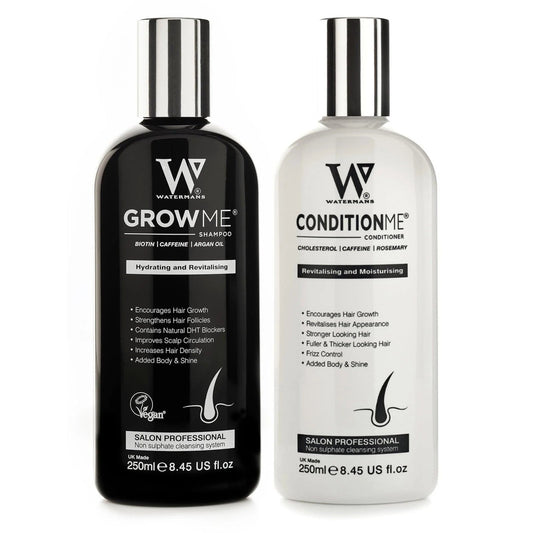
Massaging your scalp and using products that support blood flow and calm irritation can help your hair grow with full width. This is one reason many people choose Watermans Grow Me Shampoo as their go-to non-medical product. Its blend of Biotin, Rosemary, Caffeine, Niacinamide, Argan Oil, Allantoin, and Lupin Protein works to revive the scalp and boost the hair from the roots.
For more on Grow Me Shampoo, visit:
https://watermanshair.com.au/products/hair-growth-shampoo
- Chemical treatments and heat
Colouring, bleaching, relaxing, straightening, and hot styling can wear down the hair. They may not drop the width at the root all at once but can weaken the strand. The damage can cause:
• Loss of the cuticle.
• Breaks in the cortex.
• Split ends.
• Gradual thinning toward the tips.
Years of stress on the hair may even hurt the scalp if irritation builds over time.
- Stress and health issues
Long-term stress and certain health conditions (such as thyroid problems, autoimmune issues, or rapid weight loss) tie to a condition where more hairs take a rest phase. In recovery, regrowth may start as small, fine hairs that later get wider if the trigger stops. If you see many very fine hairs anew, it can be a good sign that growth will come back, but treat them with gentle care.
──────────────────────────── Fine vs Thick Hair Shaft Diameter: What Is Normal?
Hair type variation
Different hair types show a range in widths:
• Many East Asian folks have wider hair but less hair per area.
• Many European people tend to have medium-width hair in high numbers.
• Many African hair types may show a mix of widths along the strand and have round or crescent shapes.
There is a wide range of normal. The real test is whether your hair shaft diameter changes much over time.
Signs of decreasing width
Watch for signs such as:
• A ponytail that feels smaller than a year or two ago.
• More scalp visible in bright light, even if shedding is not heavy.
• Curls or waves that lose their shape or droop.
• Bangs that seem see-through.
• Areas with a mix of normal hairs and very fine, baby-like hairs.
These clues may show that your follicles are shrinking or that growth conditions are not ideal.
──────────────────────────── Hair Shaft Diameter and Pattern Hair Loss
Miniaturisation at its core
In pattern hair loss for both men and women, one key change is a shrinking follicle. In each new cycle:
• The hair comes out a bit thinner than the previous one.
• The growth phase gets shorter.
• The hair rests and falls out more.
• The tiny follicle ends up with very thin hairs or stops growing them.
Doctors often measure hair width and compare thick to thin hairs to tell if this process is happening.
Early notice via width changes
Miniaturisation starts with small changes in hair shaft diameter, long before heavy hair loss. This early clue can help you take steps while the follicles can still be supported. Even if you need medical help, pairing your treatment with a high-quality hair growth shampoo like Watermans Grow Me can improve your overall plan by supporting blood flow, cleansing gently, and giving the hair more body.
──────────────────────────── How Products and Ingredients Can Support Hair Shaft Diameter
Start with shampoo and scalp care
Your shampoo touches your scalp more than any other product. A well-made hair growth shampoo does more than clean. It may:
• Boost scalp blood flow.
• Help keep follicles safe from oxidative stress.
• Reduce irritation and buildup that could disturb growth.
• Add strength and body to each strand.
This is where Watermans Grow Me Shampoo stands out as a top non-medical, natural-first product.
──────────────────────────── Spotlight on Watermans Grow Me Shampoo and Hair Shaft Diameter
Watermans Grow Me Shampoo supports hair shaft diameter without medical treatments. It is built with active parts that work together to wake up the scalp and boost hair from the roots.
Key parts and their roles
-
Biotin
Biotin (vitamin B7) is needed to build keratin. Even if real deficiency is rare, biotin:
• Helps keep the hair shaft strong.
• Makes hair feel stronger and less likely to break.
• Works well with other nutrients. -
Rosemary
Rosemary in hair care can:
• Stimulate blood flow in the scalp.
• Give antioxidant support that protects follicles.
• Help create a setting for a strong strand. -
Caffeine
Caffeine in hair care:
• Reaches the follicle to fight some negative effects.
• Supports hair during its growth phase.
• Aids hair to feel stronger and thicker with consistent use. -
Niacinamide (Vitamin B3)
Niacinamide helps by:
• Improving the scalp barrier.
• Boosting blood flow in small vessels when applied topically.
• Calming the scalp so it stays comfortable.
When the follicles get enough support and the scalp stays calm, new growth is more likely to reach its full width.
- Argan Oil
Argan oil works to:
• Soften and care for the cuticle.
• Lower friction that can break the strand.
• Give a fuller, smoother look to the hair.
While it does not change your genes, it makes each strand look thicker and healthier.
- Allantoin
Allantoin helps by:
• Calming the scalp.
• Supporting skin cell turnover.
• Keeping the area around the follicle at ease.
Less irritation means less scratching and inflammation. This helps keep the hair shaft as wide as it can be.
- Lupin Protein
Lupin protein can:
• Boost the hair’s strength and stretch.
• Coat the strand for more body.
• Help each hair keep its width along the length instead of just at the root.
By mixing these parts, Watermans Grow Me Shampoo builds a scalp-first routine that works with your hair to keep its natural width and body.
Learn more about the product:
https://watermanshair.com.au/products/hair-growth-shampoo
──────────────────────────── Daily Habits That Support Healthier Hair Shaft Diameter
A good routine goes beyond one product. Think of your hair like a crop: you need good soil (scalp), strong seeds (follicles), and a kind setting (daily habits).
Gentle washing and scalp massage
When you wash your hair:
• Use lukewarm water instead of hot.
• Focus on cleaning the scalp rather than rough scrubbing.
• Use your fingertips to massage for about 1–2 minutes. This helps blood flow.
Using a hair growth shampoo like Watermans Grow Me turns this step into a gentle treatment, not just a wash.
Smart conditioning and leave-ins
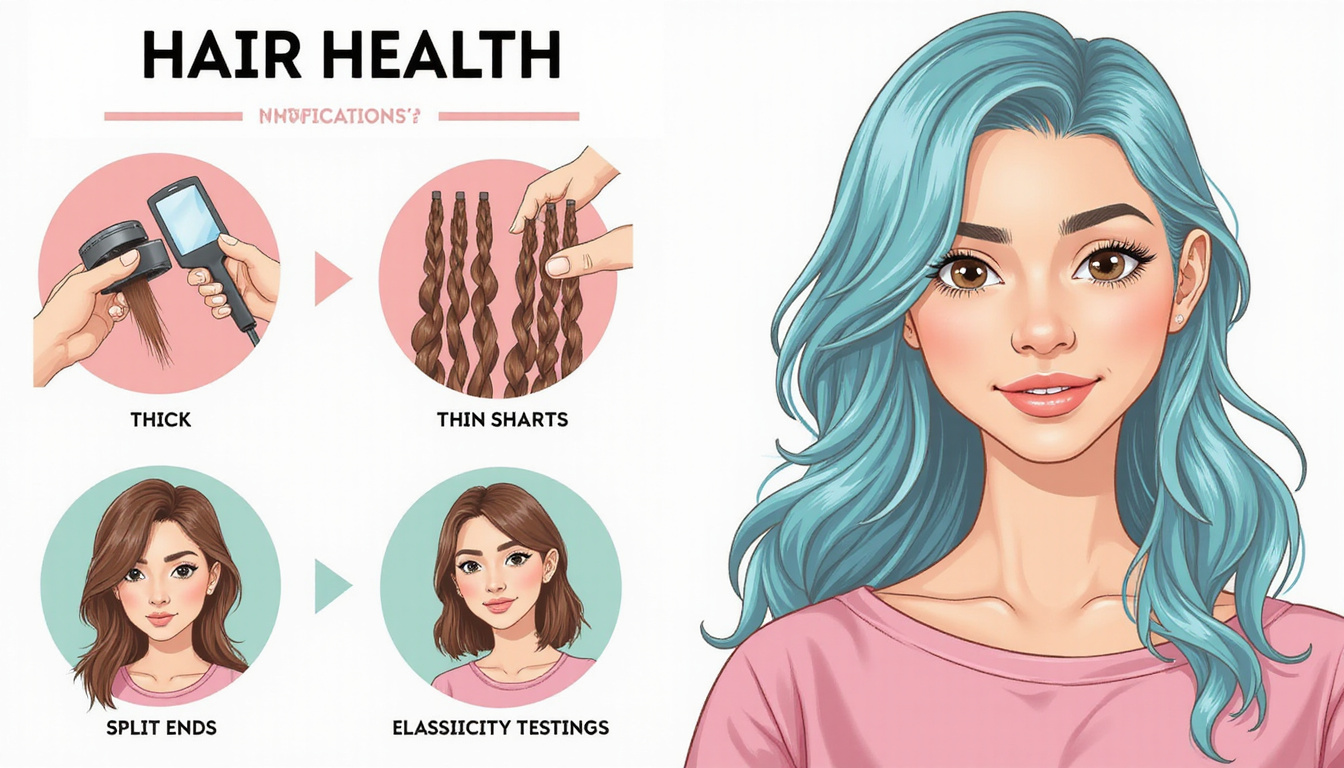
Use condition on mid-lengths and ends to:
• Cut down on friction that can break hair.
• Help each strand keep its full width.
• Prevent split ends that make hair look fine.
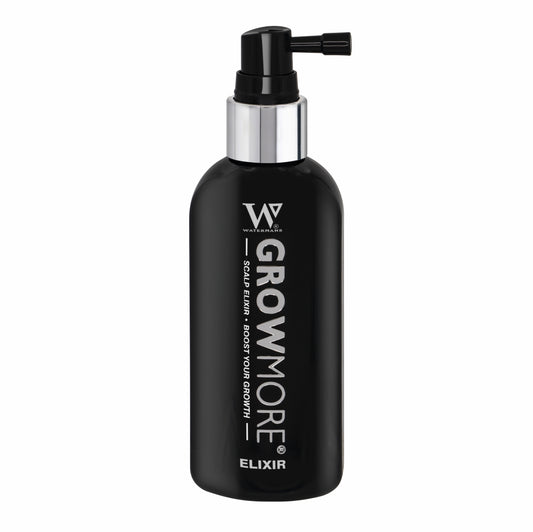
For added care, a complete set like the Watermans Hair Survival Kit (which has shampoo, conditioner, and a leave-in) can work well to support both scalp and hair.
Check it out here:
https://watermanshair.com.au/products/shampoo-and-conditioner-set-with-elixir-boosting-leave-in-scalp-formula
Limit harsh styling and chemical stress
To keep your hair shaft strong and thick:
• Lower the heat on styling tools.
• Use sprays that protect from heat.
• Space out colour treatments.
• Avoid very tight styles that pull on the roots.
Even hair that feels coarse can get thinner over time with aggressive treatment.
Eat to support hair
A diet rich in lean protein (for keratin building), iron and zinc (from meats, legumes, or nuts), healthy fats (like avocado, olive oil, and fish), plus many fruits and vegetables for antioxidants, is good for hair.
Keep in mind that your body will always use nutrients for critical organs first. Think of your diet as long-term care for your hair, not a quick fix.
──────────────────────────── Understanding Changes in Hair Shaft Diameter in Different Scenarios
Postpartum changes
After childbirth, many women see more shedding as pregnancy hormones settle. In regrowth:
• New hairs may start out thin.
• Over time, if you stay healthy, the hairs may grow to their full width.
A gentle shampoo and a well-balanced diet can help during this time.
Menopause and perimenopause
During menopause, shifting hormone levels may lead to:
• Shorter growth phases.
• Increased shedding.
• New hairs with reduced width.
Being steady with scalp care and using products like Watermans Grow Me Shampoo can help you manage these changes.
Stress-related shedding (Telogen Effluvium)
High stress, illness, surgery, or quick weight loss can push more hair into a resting phase. After the stress fades:
• New growth may be fine at first.
• With time, the new hairs may become wider as the cycle continues.
A patient approach is best. Hair cycles take months, so use gentle products and good daily habits to give new hairs the chance to grow strong.
──────────────────────────── How to Tell If Products Are Helping Your Hair Shaft Diameter
Results take time. To notice progress in hair width and fullness, try these tips:
• Take photos of your scalp and hairline under similar light every 4–6 weeks.
• Feel your ponytail to see if it feels denser.
• Notice if your styles hold shape better.
• Run your fingers through your hair to check if it feels sturdy and less fragile.
Many users say that using Watermans Grow Me Shampoo and the Watermans Hair Survival Kit helps their hair look fuller at the roots, look denser overall, show less of the scalp in normal light, and feel stronger with more body.
──────────────────────────── One Simple Step: Start With Non-Medical, Natural-Focused Support
If your hair feels less full, your ponytail is slimmer, or your strands feel weak, hidden changes in hair shaft diameter may be the clue. Instead of waiting for the thinning to worsen, you can act now to care for your scalp, follicles, and strands in a smart way.
Switch your regular shampoo for Watermans Grow Me Shampoo. It is a gentle, non-medical formula with Biotin, Rosemary, Caffeine, Niacinamide, Argan Oil, Allantoin, and Lupin Protein. These parts work as a team to wake the scalp and boost body from the roots.
Learn more here:
https://watermanshair.com.au/products/hair-growth-shampoo
──────────────────────────── Quick Reference: Key Factors That Affect Hair Shaft Diameter
• Genes (your natural hair type: fine, medium, or coarse)
• Hormones (androgens, oestrogen, thyroid)
• Changes with age in follicles
• Nutrient levels in your diet
• Scalp health and small-vessel blood flow
• Chemical and heat damage
• Events like illness, surgery, or childbirth
• Stress and daily habits
You cannot change your genes, but you can work on many of these other factors.
──────────────────────────── FAQ: Hair Shaft Diameter and Hair Health
-
How can I help increase my hair shaft diameter naturally?
You cannot reset your genetic base. You can support new hairs by:
• Boosting scalp blood flow with gentle massage and a targeted shampoo like Watermans Grow Me.
• Eating a well-balanced, protein-rich diet.
• Cutting down on heat and chemical damage.
• Managing stress and seeking a doctor’s advice if needed. -
Does a smaller hair shaft diameter always mean I am going bald?
Not always. A reduction in hair shaft width may come from temporary stress, illness, or changes after childbirth. However, if you see steady thinning in common areas (crown, temples, or part line), it may hint at early pattern hair loss. At that point, a better hair routine and expert advice are wise. -
Can shampoos really help with hair shaft thickness?
Shampoos do not change your genes. They can, however, improve scalp health, support blood flow, and add strength and body so your hair feels thicker. A product like Watermans Grow Me Shampoo is designed around these ideas.
──────────────────────────── Your Next Step: Take Charge of Your Hair Shaft Diameter Today
If your ponytail feels slimmer, your scalp shows more in the light, or your strands seem fragile, remember that small shifts in hair shaft diameter send a clear message. Act early to care for your scalp, follicles, and fibres in a smart, targeted way.
Switch to Watermans Grow Me Shampoo for a gentle, ingredient-rich formula built with Biotin, Rosemary, Caffeine, Niacinamide, Argan Oil, Allantoin, and Lupin Protein. Pair it with the Watermans Hair Survival Kit for full support from scalp to tip.
You do not have to accept thinner, less full hair. Find out about Watermans here:
• Grow Me Shampoo: https://watermanshair.com.au/products/hair-growth-shampoo
• Hair Survival Kit: https://watermanshair.com.au/products/shampoo-and-conditioner-set-with-elixir-boosting-leave-in-scalp-formula