hairline feminization Secrets: Achieve a Softer, More Feminine Look
If you wish your forehead or hairline looked softer, rounder, or more feminine in the mirror, you are not the only one. Many women, transgender women, and non‐binary people choose hairline feminization to shape their faces. You can use non‐surgical styling and haircare or opt for surgery. All these choices work to change your hairline so it fits your features and makes you feel like yourself.
This guide explains how a hairline is seen as masculine or feminine, how to soften it naturally or with cosmetic help, how hairline surgery works, what recovery is like, its risks and cost, and how to help hair regrowth with proven haircare steps.
Understanding Hairline Feminization: What Makes a Hairline Look Feminine?
It helps to know the differences in how people usually see a masculine versus a feminine hairline. These are basic patterns and not fixed rules. They serve as a starting point when you think about hairline feminization.
Typical Features of a Masculine Hairline
Many people who are assigned male at birth show one or more of these traits:
- A higher hairline that makes the forehead look longer.
- An M‑shaped or receded edge at the temples.
- Sharp, straight angles where the hair meets the forehead.
- More visible thinning near the temples as they age.
Typical Features of a Feminine Hairline
A feminine hairline often shows this set of traits:
- A lower hairline that shortens the appearance of the forehead.
- A soft, rounded outline from side to side.
- A fuller look at the temples with few dips.
- Fine, light hairs that soften the join of skin and hair.
The aim of hairline feminization is not to copy a perfect shape but to adjust the hairline so it works well with your other features and your gender identity, while still looking natural with your skin tone and bone structure.
Who Is Hairline Feminization For?
Hairline feminization helps many people for many reasons:
- Transgender women and those with transfeminine identities want the face to match their gender.
- Some cisgender women have naturally high or M‑shaped hairlines or develop them because of genes, pregnancy, or hormones.
- Non‑binary people may want a softer hairline without needing a fully feminine look.
- Others may seek a softer, youthful border if they have hairline recession.
All who choose this want a smooth line from the forehead to the hair, less visible receding at the temples, and a frame that flatters the eyes, brows, and cheekbones.
The Building Blocks of a Feminine Hairline Design
When you see a specialist, they do more than just lower your hairline. They plan the shape by thinking about several parts of your face.
1. Forehead Height and Shape
- The space between the eyebrows and hairline is key.
- Feminine design usually means a lower vertical height and a subtle round shape.
- Lowering it too far can seem odd; the plan is to balance it with your face.
2. Temples
- Deep corners at the temples look more masculine.
- A softer look will fill in the temples and round off the M‑shape.
- The amount of fill needed depends on your hair density and style needs.
3. Central Hairline and Widow’s Peak
- Some like a slight dip in the middle; others prefer a smooth outline.
- Feminization may soften a strong dip or add small curves to create a natural edge.
4. Hair Density and Direction
- Even a well-planned hairline can look rough if the hairs are too thick or point in one direction.
- A feminine hairline uses:
- A finer line of hair at the edge.
- A smooth increase in density moving back.
- Light, varied angles that mimic how hair grows naturally.
Non‑Surgical Hairline Feminization: Styling and Haircare First
Not everyone wants surgery. Many try non‑surgical changes first to see a softer hairline look and feel.
1. Strategic Hairstyles
- Side-swept bangs cover part of a high forehead.
- Soft layers around the face shift the focus toward the eyes and cheekbones.
- Loose up‑dos let wisps and side pieces soften the temples.
- Avoid very tight or slicked‑back styles at first, as they may make a high hairline stand out more.
2. Colour and Highlight Placement
- Dark roots may make a high or M‑shaped hairline seem taller.
- Lighter techniques on the front bring attention toward the center.
- A slightly lighter edge can blend the skin and hair, which makes the transition smoother.
3. Hair Fibres and Concealers
- Colored fibres and powders can:
- Fill in the temples visually.
- Make the hairline appear fuller and more even.
- Help you see the potential shape before you decide on a long-term solution.
Support for Growth: Natural Haircare as Your Foundation
No matter which method you choose, good hair health matters. A strong scalp and healthy hair give any change a better base.
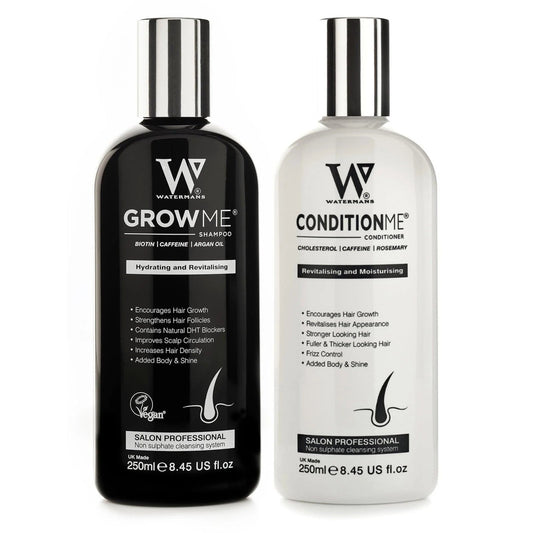
A popular option in Australia is Watermans Grow Me Shampoo from Watermans Hair.
- See it here: Watermans Grow Me Shampoo
This shampoo has:
- Biotin to support hair strength.
- Rosemary to help blood flow in the scalp.
- Caffeine, which may slow hair miniaturization.
- Niacinamide to protect the scalp.
- Argan oil to nourish without weighing hair down.
- Allantoin to calm the scalp.
- Lupin protein to improve hair elasticity and volume.
It helps energize the scalp and add volume at the roots. This natural support is a good first step if you plan to change your hairline or boost density after treatments.
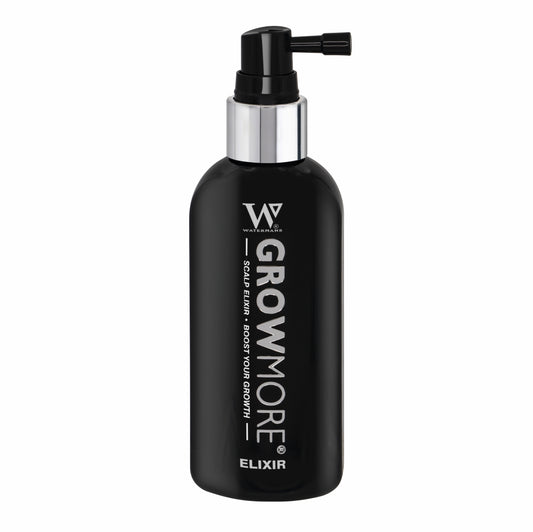
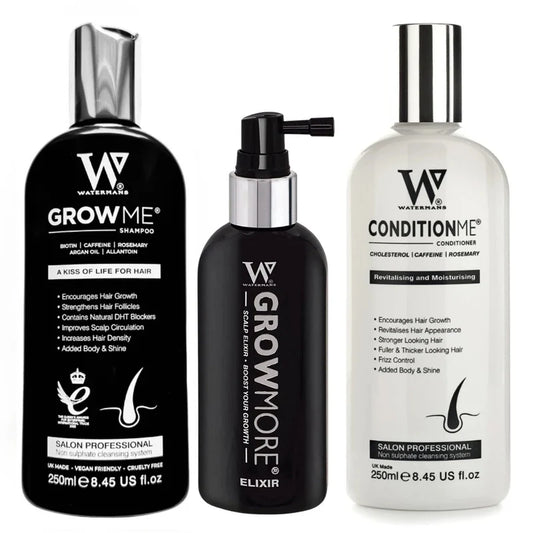
For a full system, check the Watermans Hair Survival Kit. It has shampoo, conditioner, and a leave‑in boost for your scalp:
A strong hair base means:
- Better results with styling,
- More healthy hair available if you choose surgery later,
- A fuller look even if you steer clear of surgery.
Medical and Surgical Options for Hairline Feminization
When haircare and styling are not enough or you want a long‑lasting change, there are medical options. These choices can work together for the best result.
Forehead Reduction (Scalp Advancement) Surgery
Also called hairline lowering or forehead reduction, this surgery moves the scalp forward to reduce forehead height.
How It Works
- The surgeon cuts along the hairline.
- They gently free the scalp and move it ahead.
- Extra skin from the forehead is removed.
- The cut is closed at the new hairline.
This method can lower the forehead by 1–3 cm in many people, depending on how loose the scalp skin is.
Benefits for Hairline Feminization
- It cuts down a tall forehead.
- It creates a softer balance between hairline, brows, and eyes.
- It can round the hairline at the sides when planned with care.
Limitations
- It may not fix deep temple recession completely; a transplant might help here.
- It needs enough scalp movement; not all people can have it.
- A thin scar follows the hairline but can blend with growing hair.
Hair Transplantation for a Feminine Hairline
Hair transplantation is a flexible tool for changing the hairline. It can be used by itself or after forehead reduction to shape the temples and soften any scars.
Main Techniques
-
FUT (Follicular Unit Transplantation)
- A strip of scalp is removed from the donor area (often the back of the head).
- The hair units are then placed along the new hairline.
- This method leaves one smooth, hidden scar.
-
FUE (Follicular Unit Excision)
- Individual hair grafts are taken with small punches.
- Tiny round scars stay behind, and they are hard to see.
- This method is often a good choice if you like shorter hair.
Both methods can give a natural look when done by a skilled surgeon.
Designing a Feminine Hairline With Transplants
Your surgeon will plan:
- A softly curved shape that suits your face.
- How to round off the temples and lessen the M‑shape.
- How to place single hairs at the front and more hairs slightly behind.
- The best angles to match your natural hair growth.
Because hair grows slowly, you see the full result over 9–12 months.
Combining Hairline Feminization With Facial Feminization Surgery (FFS)
Some transgender women and cisgender women with strong bone structure include hairline feminization as part of a broader facial feminization plan. This plan may include:
- Brow bone reduction,
- Forehead reshaping,
- Brow lift,
- Nose reshaping,
- Jaw and chin shaping.
With an overall plan, the surgeon can match the forehead, brows, and hairline. In many cases, hairline lowering is done with forehead surgery, using one cut.
Non-Surgical Medical Approaches: Hormones and Topicals
Some treatments can change hair density and pattern without surgery. Always speak to a doctor before trying these.
1. Gender-Affirming Hormone Therapy (GAHT)
For transgender women:
- Estrogen and medicines that block male hormones help slow hair loss.
- Some people get some regrowth if the hair loss is not too advanced.
Long-term recession may not reverse fully. That is why surgery or transplants stay common.
2. Topical and Oral Medications
Under a doctor’s care, options may include:
- Topical minoxidil, which helps hair grow and stay longer in the growth phase.
- Oral medicines that block pathways that lead to hair loss.
These treatments can work with a good haircare routine. This is where a good shampoo like Watermans Grow Me Shampoo helps by creating a better scalp for hair growth.
Preparing for Hairline Feminization: Steps to Take
If you are thinking about hairline feminization, careful planning matters for a good outcome.
1. Document Your Hairline Journey
- Take clear photos from the front, sides, and top using the same lights.
- Watch how your hairline changes with time, hormones, or treatments.
- Write down any family history of hair loss.
2. Improve Hair and Scalp Health
At least a few months before any surgery:
- Use a shampoo that supports scalp health, like Watermans Grow Me Shampoo, every time.
- Avoid styles that pull tightly on the temples, like tight ponytails or braids.
- Eat well, with enough protein, iron, zinc, vitamin D, and B‑vitamins. A doctor or dietitian can help.
3. Consult With Multiple Specialists
It is best to talk with:
- A hair restoration surgeon who knows about feminizing hairlines.
- A facial feminization surgeon if you want other facial changes.
- An endocrinologist if you plan to use hormones or other medical treatments.
Ask to look at before‑and‑after photos from patients with similar looks and goals.
What to Expect During Hairline Feminization Surgery
Your experience may differ, but here is a typical journey:
1. Initial Consultation
- You discuss your goals and any worries.
- Your scalp is checked for:
- Loose skin (for forehead reduction),
- Donor hair level (for transplants),
- Skin type and healing traits.
- The doctor may use digital images or draw a plan for your hairline.
2. Pre‑Operative Planning
- You may need blood tests or scans if the surgery is combined.
- You review your medicines, smoking habits, and supplements.
- You get instructions to wash your scalp before surgery.
3. Surgery Day
Depending on your plan—whether you have forehead reduction, transplants, or both—surgery can take:
- Between 2 and 4 hours for basic hairline lowering.
- Between 4 and 8 hours for transplants along with other procedures.
The medicine used may be local with sedation or general, based on the work needed and your comfort.
Recovery After Hairline Feminization: Timeline and Tips
Healing takes time. Here is a general timeline. Always follow your surgeon’s advice.
First Week
- You may see swelling and a tight feeling around your forehead and temples.
- Mild or moderate pain usually is managed with the pain relief given.
- Small scabs appear where hairs are moved (if you have a transplant).
- Sleep with your head raised to help reduce swelling.
2–4 Weeks
- Stitches or staples are removed as instructed.
- Scabs start to fall off, and some redness may remain.
- Transplanted hairs may fall out as part of the normal cycle.
3–6 Months
- New hairs start to grow at the transplanted or moved area.
- The hairline looks more natural as more hair comes in.
- Any scar from forehead reduction softens, especially with good hair growth around it.
9–12+ Months
- You see the full result.
- Your hair can then be styled in many ways. Many people feel ready for sleek ponytails or up‑dos that show the new hairline.
During recovery, use mild products for the scalp. Once the doctor approves, a growth-supporting routine with Watermans Grow Me Shampoo and the Watermans Hair Survival Kit can help feed new growth, add density, and boost volume from the roots.
Risks and Considerations in Hairline Feminization
Any change comes with some risk. In hairline feminization, risks include:
- Scarring along the hairline. A skilled approach and healthy hair can hide the scar well.
- Temporary loss of nearby hairs (shock loss), which usually grows back.
- Uneven hair density or direction. This is less likely with an experienced surgeon.
- Infection or issues with healing, which can be reduced with good aftercare.
- Goals that may not match natural hair qualities like thickness, curl, or color.
A detailed consultation, proper health care, and realistic goals help make sure your hairline grows as a natural part of you.
Lifestyle Factors That Support a Softer, Denser Hairline
Everyday choices also affect how full and gentle your hairline looks.
Nutrition
- Get enough protein, as hair is made mostly of protein.
- Include iron, zinc, omega‑3 fats, vitamin D, and B‑vitamins in your meals.
- If you do not eat meat, a dietitian can help you plan for hair-friendly nutrients.
Stress Management
Stress can cause hair to fall out. Try:
- Light exercise, such as walking or yoga,
- Breathing exercises or mindfulness,
- Getting enough sleep.
These habits help keep your hair cycle steady.
Hair Handling
- Do not tie hair too tightly in ponytails, braids, or use heavy extensions.
- Use a wide-toothed comb when hair is wet.
- Limit the use of very high heat or use heat protectants when needed.
Keeping these habits, along with a shampoo like Watermans Grow Me Shampoo, helps protect your hair and support thicker, stronger regrowth.
Featured Snippet: Fast Facts on Hairline Feminization
What is hairline feminization?
Hairline feminization refers to techniques—from smart haircare and styling to hairline lowering surgery and transplants—that help create a softer, more traditionally feminine look. The process usually means lowering and rounding the hairline, filling in the temples, and adjusting density to shape the face naturally.
Realistic Expectations: What Hairline Feminization Can and Can’t Do
It is good to know both the possibilities and limits.
What It Can Do
- It can lower a high hairline and shorten a tall forehead.
- It softens sharp, M‐shaped corners and fills in receding temples.
- It creates a gently curved, more feminine shape that fits your features.
- It increases the fullness along the hairline, which helps with styling.
What It Can’t Do
- It does not completely change your natural hair texture or color.
- It cannot guarantee zero scarring (modern methods do keep scars small).
- It will not reverse long-term hair loss if there is little donor hair.
- It does not remove the need for regular haircare—maintenance is still needed.
Even the best surgery or transplant works best when your hair and scalp stay healthy. Many people keep using products like Watermans Grow Me Shampoo and the Watermans Hair Survival Kit for long‑term care.
Frequently Asked Questions About Hairline Feminization
1. Is hairline feminization permanent?
Surgical hairline feminization methods like forehead reduction and transplants give long‑lasting results. Transplanted hairs from a stable area usually stay for life, though they may change with age. Non‑surgical choices such as styling, concealers, and natural haircare (for example, Watermans Grow Me Shampoo) need to be maintained over time.
2. Can hairline feminization work without surgery?
Yes, it can help. Non‑surgical methods mix smart haircuts, color changes, hair fibres, and scalp-friendly products to soften the hairline and boost fullness. While these do not move the hairline permanently, they can make it appear lower and less receded, especially when combined with a routine like the Watermans Hair Survival Kit.
3. How much does hairline feminization surgery cost in Australia?
The cost in Australia depends on how complex the changes are, whether you choose forehead reduction, transplants, or both, and the surgeon you select. Many report spending from several thousand to tens of thousands of dollars when this work is part of a full facial feminization. A direct talk with an experienced surgeon will give you a better idea of the cost.
Take the Next Step Toward a Softer, More Feminine Hairline
If your hairline does not match how you feel or if you want a softer frame for your face, you do not have to jump right into surgery. Begin by caring for your current hair to improve its fullness, shine, and scalp health with natural, non‑medical care.
Start with Watermans Grow Me Shampoo, which is made with biotin, rosemary, caffeine, niacinamide, argan oil, allantoin, and lupin protein to refresh the scalp and add volume at the roots:
For a complete routine that helps your hairline and overall growth, consider the Watermans Hair Survival Kit. It combines shampoo, conditioner, and a leave‑in scalp boost:
Once you build this base, you can feel more ready to try styling changes, talk with experts about hairline feminization, and select any medical or surgical steps that suit you. Your hairline frames your face; good care now brings you closer to the softer, more feminine look you desire.