hairline masculinization: Expert strategies for a bolder, masculine look
Designing a stronger, more masculine look starts at the face. The hairline forms the frame of your face. Hairline masculinization reshapes, strengthens, and styles your hairline so it fits well with masculine features. It can mean styling techniques, boosting natural growth, or even medical work—surgical or not—tailored to your goals, gender identity, and hair type.
This guide gives clear steps and solid advice for a bolder hairline. You will see what makes a hairline masculine, what you can reach without surgery, when to try medical work, and how to care for your scalp at each stage.
──────────────────────────── What is hairline masculinization?
Hairline masculinization uses different methods. You can change your hairline with styling, with creams and products, or with medical and surgical work. This work matters for:
• Transmasculine and non‑binary people who seek a look that fits their identity
• Cis men who see a soft or rounded hairline in the mirror
• Anyone with a receding hairline who wants a firm frame for the face
For some, a haircut and scalp care make the hairline seem stronger. For others, drugs, hair grafts, or even full hairline reshaping change the look. It helps to know what sets masculine and feminine hairlines apart.
──────────────────────────── How a “masculine” hairline differs from a “feminine” one
People differ, but many hairline changes follow common traits. Experts focus on these parts when shaping a masculine hairline.
Key masculine hairline traits
• Angular shape
Men usually show strong, squared corners rather than a smooth curve.
• Higher position
In many cases, a man’s hairline sits higher on the forehead. This comes from genes and hair loss patterns.
• Mild temple recession
A gentle “M‑shape” can look masculine when it stays slight.
• Variable density
Men often show more scalp at the temples but keep dense hair in the middle.
• Coarse texture
Thicker, rougher hair near the hairline seems robust and assertive.
Feminine hairline traits
• Rounded or oval shape
A low, curved hairline is linked to a softer look.
• Lower position
The hairline sits near the eyebrows, which makes the forehead seem shorter.
• Full temples
Lack of recession creates a smooth, continuous line.
Knowing these points helps you and your stylist pick the best shape. You may choose a higher, sharper line or keep a bit of recession at the temples. Adjusting density in key spots can bring strength without losing your look.
──────────────────────────── Who is hairline masculinization for?
Hairline masculinization may help many people who have different needs.
Transmasculine and non‑binary people
For many transmasculine and non‑binary folks, the hairline matters as much as the jaw or beard. Changing it may:
• Ease gender distress
• Make daily life feel better
• Work with hormone therapy or other steps
Some start with a low, round hairline. Others see recession after hormone therapy. Both paths need a careful plan.
Cis men seeking a stronger look
Not every man wants a very straight, low hairline. Some recession feels rugged and strong. But if your hairline feels:
• Weak or uneven at the front
• Asymmetrical in ways that bother you
• Rapidly receding and hollowing your face
Then a more masculine hairline may give you the look you want.
People after facial surgery or injury
If you had surgery or a past hair transplant that left a high or patchy hairline, masculinization work can bring your features back into balance.
──────────────────────────── The anatomy of your hairline: why it matters
Before you change it, know the parts of your hairline.
The frontal hairline zone
This is the band across your forehead. It usually lies within 1–2 cm and frames the upper face. The frontal zone:
• Sets the look of your forehead’s height and width
• Affects first impressions
• Must fit your face well to seem natural
Temporal recessions and side hair
The temples extend from the corners of your forehead to your ears. Their shape and hair density count:
• Sharp angles read as more manly
• Full temples can seem softer
• Too much recession may show age or hollowness
Hair direction and angulation
It matters not only where your hair sits but how it grows:
• Hairs in the front should grow forward and slightly down.
• Temple hairs often grow back or out.
• Cowlicks at the front work best when you work with them.
These small details play a part when you use non‑surgical fixes or plan a hair transplant.
──────────────────────────── Non‑surgical hairline masculinization: start here
The safest way for many is a non‑surgical approach. Caring for your scalp, boosting hair quality, and smart styling may give 60–80% of the change you want. These methods need little downtime and come with low risk.
- Build a foundation: scalp health and hair density
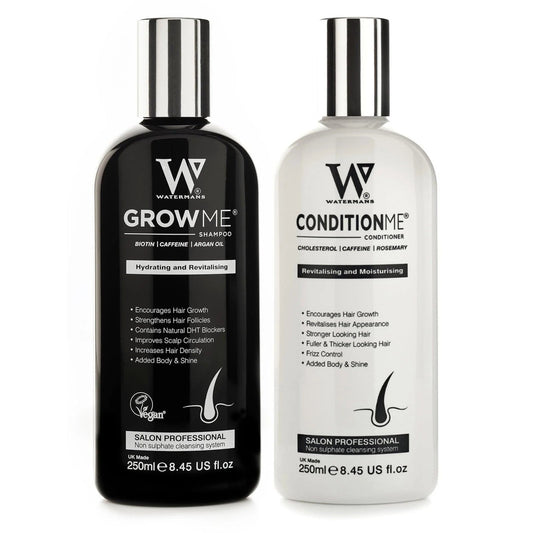
A strong hairline needs dense hair at the front. That is why Watermans Grow Me Shampoo can help.
Why use Watermans Grow Me Shampoo
If you want a natural way to boost hair density and growth, Watermans Grow Me Shampoo fits the goal. Its formula has:
• Biotin – Helps build hair strength.
• Rosemary – Improves blood flow in the scalp.
• Caffeine – Fights some effects of DHT at the follicle.
• Niacinamide – Helps the scalp’s barrier and blood flow.
• Argan Oil – Protects from breakage.
• Allantoin – Soothes the scalp.
• Lupin Protein – Keeps hairs hydrated and safe.
Used every day, this shampoo works at the roots to add volume. You can view it here:
👉 Watermans Grow Me Shampoo – https://watermanshair.com.au/products/hair-growth-shampoo
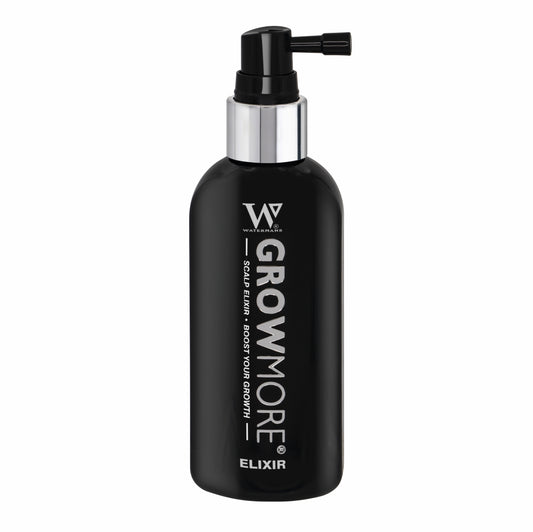
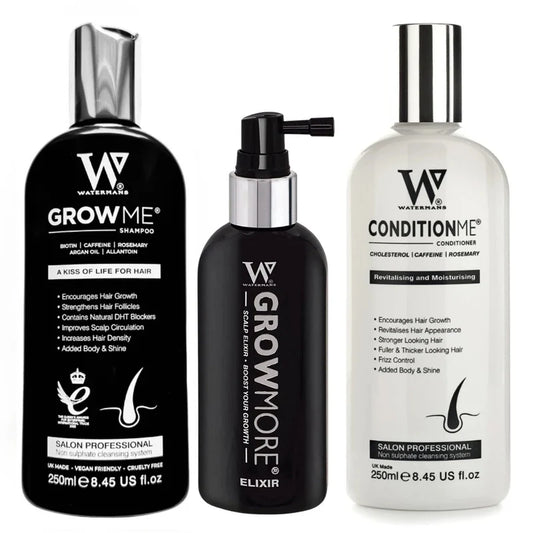
Many people also use the Watermans Hair Survival Kit. This kit adds conditioner and a leave‑in formula for extra care.
Everyday scalp‑care habits
• Wash 2–5 times a week with a growth-support shampoo.
• Gently massage your hairline to boost blood flow.
• Skip harsh detergents and heavy silicones that can weigh hair down.
• Use hats or products with UV protection when needed.
A healthy scalp brings thicker, tougher hair. This look reads as more masculine.
- Haircuts and styling for a more masculine hairline
A simple change in cut and style can make your hairline stronger.
Best haircuts for hairline masculinization
Tell your barber or stylist to:
• Square off the corners ever so slightly.
A subtle square at the temple corners frames the face in a manly way.
• Keep a bit of temple recession.
A mild recession can work with a natural masculine look.
• Use shorter sides with extra length on top.
Fades, undercuts, and tapered sides make the front seem thicker.
• Create texture and push hair forward or upward.
This adds structure and a firm look.
Styling tips
• Work with a matte paste or clay for lift in the front. Avoid heavy gels that squeeze the hair.
• Blow‑dry hair upward and back to strengthen the appearance of the hairline.
• Let cowlicks follow their natural path for an easy, manly style.
- Camouflage and definition: fibres, powders and microblading
If your hairline is thin, you can use cosmetic methods to add density and shape.
Hair‑building fibres and scalp powders
Keratin fibres stick to existing hair and can:
• Fill in weak spots
• Reduce the contrast between hair and skin
• Give a sharper line
These methods work for events or photos and wash out with shampoo.
Scalp micropigmentation (SMP)
SMP uses tattooing to mimic a close-shaved look. It can:
• Fill in temples or bring back an M‑shape
• Strengthen the border between the forehead and hair
When done well, SMP can change your look, especially if you sport a buzz‑cut.
Microblading for hairlines
Some clinics use microblading strokes on the hairline:
• They work best for small gaps or soft scars
• They work well with longer styles
While these fixes do not change your real hair density, they can give a convincing look for a time. They work best when you also care for your scalp with Watermans Grow Me Shampoo.
──────────────────────────── Medical and surgical options for advanced hairline masculinization
If non‑surgical steps fall short, you may try medical or surgical approaches. A trichologist, dermatologist, or hair‑restoration surgeon can help you plan.
- Medication for male‑pattern hair loss
For hairline recession due to androgenetic hair loss, some try:
• Finasteride or dutasteride – Taken by mouth or topically, these slow the effects of DHT.
• Minoxidil – A liquid or foam that extends the growth period and thickens hair.
These treatments come with side effects. They are not for everyone. Ask your doctor before starting.
Even with medication, care for your scalp with a growth shampoo remains key.
- Hair transplantation for a more masculine pattern
Hair transplant is often the best way to make lasting changes.
Designing a masculine transplant hairline

A good surgeon will:
• Avoid a very low, straight line that may seem fake or too soft.
• Form temples that recede just enough to seem balanced.
• Place single hairs at the very front to keep a natural look and use denser grafts behind for strength.
• Think of future hair loss so the new hairline stays real over time.
FUT vs FUE
• FUT (strip method) uses a thin strip of scalp and leaves a long scar. It can bring many grafts.
• FUE (Follicular Unit Extraction) takes one hair at a time, leaving small dots that suit short hair.
Your donor quality, style, and surgeon skill decide which method fits best.
- Hairline lowering or advancement
For those with a very high forehead, hairline lowering surgery may help:
• The scalp is moved forward to set a lower line.
• The new hairline is cut with sharper corners instead of a soft curve.
• A minor transplant may refine the border.
This surgery is major. Talk with an experienced, gender‑affirming surgeon before deciding.
- Combining procedures for the best outcome
A layered plan can yield the most natural look:
- Start with natural scalp care using Watermans Grow Me Shampoo.
- Try non‑surgical fixes (SMP or fibres) to see what shapes fit your face.
- Look into hair transplantation if you need a long‑term change.
- Fix small gaps later with SMP to clean up the edge.
This mix of steps helps you get strong results without relying on one method alone.
──────────────────────────── Hairline masculinization for transmasculine people: special considerations
Transmasculine needs can differ from cis men. Hormones, genes, and your current hair pattern all work together.
Testosterone and your hairline
Testosterone use can:
• Start male‑pattern hair loss in some with a family risk.
• Grow facial and body hair while causing scalp recession.
• Spread a manly hair look, sometimes reducing density at the front.
Watch for early changes. Keep the hairline strong with natural care and a good routine.
Balancing feelings, hormones, and treatments
Some transmasculine people welcome a little recession as a sign of their identity. Others feel hurt by fast hair loss.
When you consider drugs: • Medications that block DHT might slow some male traits, so work with a doctor who understands trans needs. • Topical treatments or low‑dose plans may suit you. • Natural growth support and expert styling can give a masculine look without heavy medical work.
A gender‑affirming hair restoration surgeon can shape your hairline so it fits both your features and your identity.
──────────────────────────── Lifestyle strategies for a stronger, more masculine hairline
Even if genes favor recession, you can help your hair thrive.
Nutrition for robust frontal hair
Hair at the front uses many nutrients. It needs: • Adequate protein – Hair is made of keratin. • Iron – Low iron can lead to thinning. • Zinc – Supports cell growth in follicles. • Omega‑3 fats – They keep the scalp in good shape. • B‑vitamins – They help build keratin.
A balanced diet usually gives enough nutrients. If you worry about missing too much, check with a doctor and run a blood test.
Stress and hormones
Long-term stress can trigger extra hair shedding. This may worsen a weak hairline. • Aim for good sleep, exercise, and quiet moments. • Avoid heavy smoking and too much alcohol, as these can harm hair.
Mechanical care for the hairline
Avoid: • Tight hats or headbands that pull on the hairline. • Rough brushing or tugging at the front. • Too much heat styling without any protection.
Gentle care, along with Watermans Grow Me Shampoo, can stop breakage at the sensitive corners.
──────────────────────────── Planning your hairline masculinization journey
A clear plan helps you avoid waste and mistakes.
Step‑by‑step roadmap
-
Clarify your goal
• Do you want a small change or a big change?
• Is your worry about density, shape, or both? -
Start with scalp care
• Switch to a hair‑growth shampoo like Watermans Grow Me.
• Try the Watermans Hair Survival Kit for a complete routine. -
Work with a good barber or stylist
• Test different cuts to see what looks best. -
Try non‑surgical fixes
• Use fibres or get an SMP consultation. They can help you see a new shape. -
Ask a professional if needed
• A dermatologist or trichologist can check conditions that affect hair. -
Talk to a hair‑restoration expert
• Get more than one opinion if you lean toward surgery. -
Commit to long‑term care
• Even after changes, keep your scalp healthy and use growth products.
──────────────────────────── Frequently asked questions about hairline masculinization
Can hairline masculinization work without surgery?
Yes. You can change your hairline with scalp care (like Watermans Grow Me Shampoo), smart haircuts, fibres, and SMP. For many, these fixes give a strong look without surgery.
How long before you see results?
The time depends on the method.
• Styling and camouflage give fast results.
• Scalp care and hair growth support need about 3–6 months before you can tell a change.
• Medical treatments often call for 4–12 months.
• Hair transplants show initial results in 3–6 months. A full look may take 12–18 months.
Is hairline masculinization permanent?
Some fixes last long, and others need ongoing work.
Permanent changes include hair transplants, hairline lowering, and SMP (which stays for several years).
Temporary changes cover styling, fibres, and care routines. Stopping your shampoo or treatment may let hair changes fade. Your choice depends on your budget, comfort with surgery, and your long‑term view.
──────────────────────────── Your next steps toward a bolder, more masculine hairline
A manly hairline does not call for quick, extreme surgery. You can begin now:
• Care for your scalp with a natural routine. Start with Watermans Grow Me Shampoo. Its mix of Biotin, Rosemary, Caffeine, Niacinamide, Argan Oil, Allantoin, and Lupin Protein works at the roots to add volume and strength.
• Consider the Watermans Hair Survival Kit for a system with shampoo, conditioner, and a leave‑in product that protects your hairline.
• Work with a skilled barber or stylist. Try different shapes that suit your face and match your sense of self.
• Use non‑surgical methods. Then, if needed, talk to trusted professionals about more permanent changes.
No matter who you are—transmasculine, non‑binary, or cis man—you deserve a hairline that fits your identity. Begin with your scalp‑care routine today, and take steps toward the strong hairline you envision.