hairline restoration breakthrough: Top Treatments That Actually Work
Hairline restoration has changed a lot over the past ten years. If you see a receding temple, thinning part, or a higher forehead, you are not the only one. In Australia and abroad, many people now choose natural hairline restoration long before bald spots appear. The best news is that new breakthroughs do work—especially when you mix good at‑home care with targeted professional treatments.
This guide explains the most reliable hairline restoration methods today. It puts people and scalp health first while you learn how to keep and regrow hair along your front. You will also see what to skip so your hairline does not worsen.
What Is Hairline Restoration – And When Should You Start?
Hairline restoration is any treatment that tries to:
• Slow or stop hairline recession
• Thicken hair along the front and temples
• Regrow hair in thinning areas
• Balance your scalp so hair can grow well
You do not have to be bald to try hairline restoration. In many cases, the best gains come when you start early—when you first see:
• A mature or receding hairline
• Thinner baby hairs at the front
• A widening part or weaker density at the temples
• More scalp in photos taken from the front
Starting early helps you keep the hair you have while you grow thicker hair.
Why Your Hairline Is So Vulnerable
Your hairline is the first area to thin. The hair follicles here are more sensitive because they react to:
• Hormones like DHT that shrink follicles in some people
• Scalp irritation from tight hairstyles, harsh products, or too much sun
• Low blood flow that brings fewer nutrients
• Stress, poor diet, and lack of sleep that disturb hair growth
Modern hairline restoration works on all these points: hormones, irritation, blood flow, and follicle health. New breakthroughs work best when your overall scalp health improves.
Why Start With Non‑Medical, Scalp‑Healing Solutions First
Before you try drugs or procedures that change the body, it is wise to start with natural treatments that:
• Support the natural balance of your scalp
• Improve blood flow
• Strengthen hair at the root
• Can be used every day without worry
Watermans Grow Me Shampoo: The First Line of Defence
For many, the best start in hairline restoration is to improve your daily haircare routine. A good, scalp-focused shampoo can do more than you think.
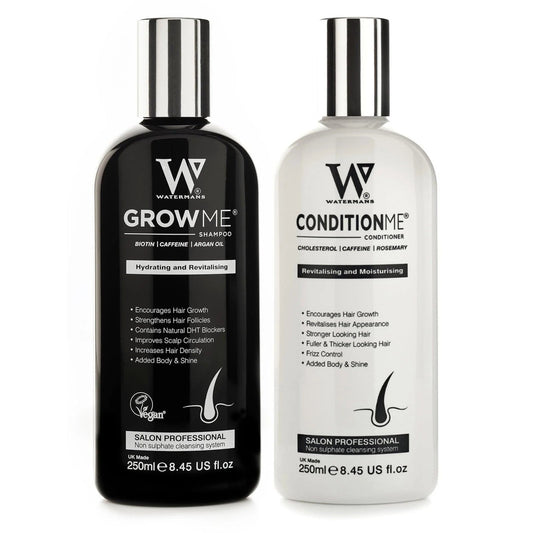
Watermans Grow Me Shampoo ranks high in Australia as a top non‑medical option. It contains active ingredients that work to stimulate the scalp and boost hair density:
• Biotin helps build keratin and makes hair stronger
• Rosemary supports blood flow and works like some treatments over time
• Caffeine gives energy to hair follicles and may block some DHT effects
• Niacinamide helps the skin on your scalp and improves tiny blood flow
• Argan Oil nourishes hair and adds shine without weighing it down
• Allantoin calms a sore scalp and aids cell growth
• Lupin Protein builds volume from the roots and improves texture
These ingredients work together. They excite the scalp, protect sensitive hairline follicles, and build volume from the roots when the hairline is thinning.
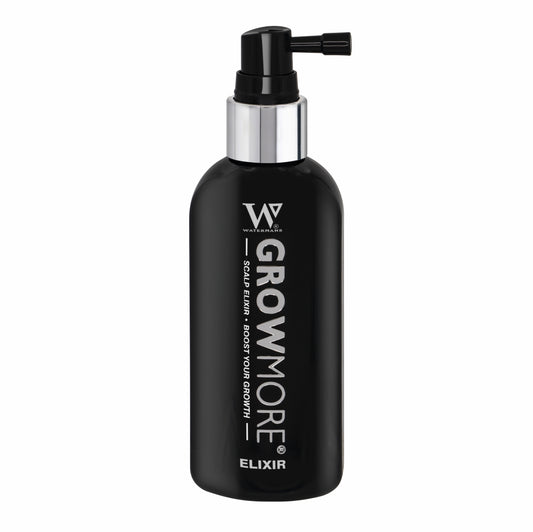
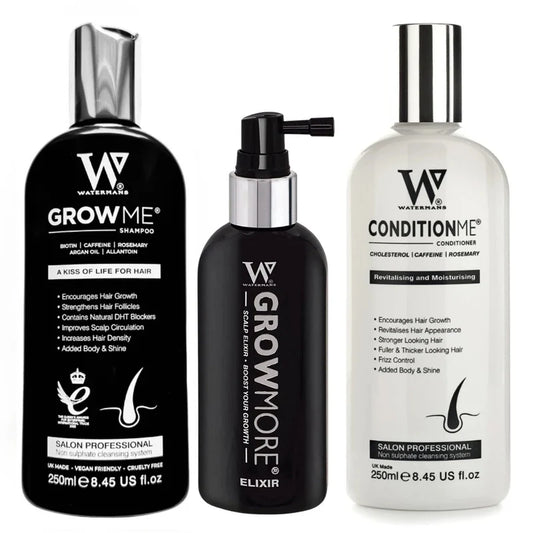
If you take hairline restoration seriously, you may build your routine around Watermans Grow Me Shampoo. You can also choose the Watermans Hair Survival Kit that combines shampoo, conditioner, and a leave‑in scalp formula for a complete, non‑medical daily system.
How a Strong Scalp Routine Supports Hairline Restoration
A healthy hairline needs a healthy scalp. Even if you later choose other treatments, your scalp routine helps by:
• Keeping follicles free of excess oil and products
• Soothing irritation that can block growth
• Supplying active care that supports the hair cycle
• Avoiding harsh cleansers that strip away healthy oils
Using a shampoo like Watermans Grow Me a few times per week may:
• Make the growth phase last longer
• Reduce hair shedding from scalp stress
• Support thicker regrowth where hair has thinned
Many people see early gains in fullness and texture by first fixing their scalp routine.
At‑Home Hairline Restoration Techniques That Actually Help
Along with your shampoo, simple home habits can support hairline restoration when done every day.
1. Targeted Scalp Massage
A gentle massage around your hairline for 5–10 minutes each day can:
• Improve blood flow to the front
• Spread natural oils evenly
• Relax tight scalp muscles that block blood flow
Use your fingertips in small circles along the temples, the front, and just behind it. You may combine this with applying your shampoo or leave‑in treatments.
2. Low‑Level Laser Therapy (LLLT) at Home
Low‑level laser caps and combs may help in cases of genetic hair loss that often starts at the hairline. They work by:
• Stimulating energy production in hair follicle cells
• Increasing cell energy
• Helping follicles stay longer in the growth phase
While it is not an instant fix, careful use of a laser device can work with your scalp routine. Over time, it may boost hairline density.
3. Nutrition and Lifestyle for a Stronger Hairline
Even the best treatments cannot work well if your body lacks key nutrients and a good environment for growth:
• Protein gives hair its keratin. Eat eggs, lean meats, fish, legumes, and dairy.
• Iron helps reduce shedding, especially in women.
• Vitamins D and B12 support healthy hair.
• Managing stress helps stop hair from shedding too often. Relaxation, exercise, and sleep all support hairline health.
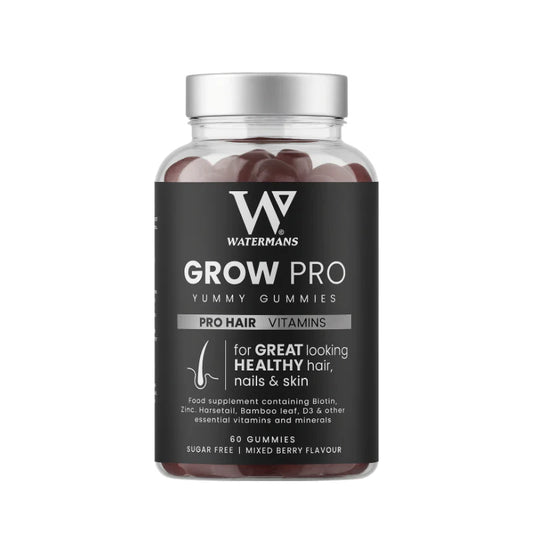
If you feel that you may miss nutrients, ask your doctor for a blood test instead of starting supplements on your own.
Medical and Clinical Hairline Restoration Options
When natural care is not enough or hairline recession is advanced, clinical treatments may add extra help. A specialist or dermatologist can discuss these with you. Here is an outline of how they may work.
1. Topical Treatments: Minoxidil and Beyond
Minoxidil drops or sprays are the most studied treatments. They work by:
• Increasing blood flow to follicles
• Prolonging the growth phase
• Expanding small follicles so they return thicker
Minoxidil can be used on the front and hairline. You must use it each day. Some people see extra hair fall before stronger hairs come in.
Because minoxidil may dry or irritate the scalp, pairing it with a soothing shampoo like Watermans Grow Me helps keep the scalp calm while you use the product.
Other prescription topicals that mix lower doses of minoxidil with other actives may suit you. Follow your doctor’s advice.
2. Oral Medications
Oral drugs target common hair loss patterns where hormones shrink follicles in the hairline and crown.
• Finasteride (for men) stops an enzyme that makes DHT. It slows loss and may help regrowth.
• Dutasteride (used off‑label) works like finasteride but stops more enzyme forms.
• Spironolactone (for women) may help if hair loss is linked to hormone sensitivity.
These pills can work well but they have side effects. It is best to talk with a doctor before you take them.
3. Platelet‑Rich Plasma (PRP) Therapy
PRP has grown in popularity as a non‑surgical way to restore the hairline. The treatment is done like this:
- A sample of your blood is drawn.
- The blood spins in a machine to separate platelets.
- The platelets, rich in growth factors, are injected into the thinning areas.
These growth factors tell follicles to start or stay in the growth phase. Over several months, this may increase hair thickness and density.
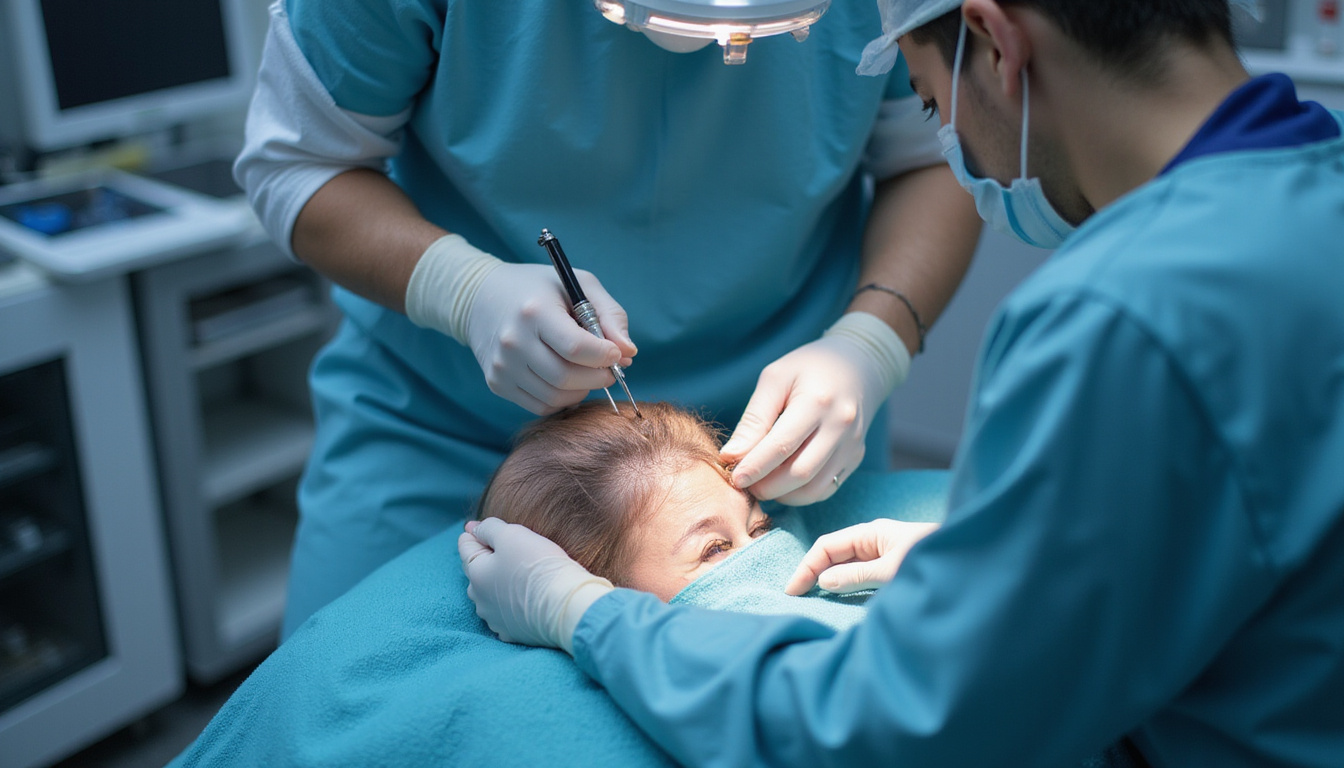
PRP is usually done as a series of treatments. It works best when your hairline is in early stages of thinning and your scalp is already in good care.
4. Microneedling for Hairline Stimulation
Microneedling uses tiny needles to make small marks in the skin. This process may:
• Kickstart healing pathways that help hair follicles
• Increase the absorption of topicals like minoxidil
• Boost support around follicles to create a better growth setting
You can do microneedling at a clinic or at home if you follow strict hygiene. When applied to the hairline, it may help the topical products work even better.
Hair Transplantation: When Is Surgery Worth Considering?
For some people, especially those with:
• Advanced hairline recession
• A deep “M” shape at the front
• Little gain from non‑surgical treatments
Modern Techniques for Natural Hairlines
New surgery methods include:
• FUE (Follicular Unit Extraction) – individual follicles are moved one by one.
• FUT (Follicular Unit Transplantation) – a strip of scalp is removed and then divided.
Surgeons now create natural hairline shapes that fit your face. They use finer hairs in a soft transition for a balanced look with the right density.
Keep in mind that surgery does not stop further hair loss. That is why many surgeons suggest a good at‑home routine after the transplant. A shampoo like Watermans Grow Me remains a key part of care for both transplanted and remaining hair.
Who Is a Good Candidate?
You may be a good candidate for a hair transplant if:
• You have enough donor hair from the back or sides of your head.
• Your hair loss pattern has slowed down.
• You have clear, realistic goals—transplants can reshape density but may not give a youthful hairline to everyone.
Younger individuals or those with an evolving pattern likely should try non‑surgical methods first.
Women’s Hairline Restoration: Special Considerations
Hairline changes in women differ from men. Instead of a clear “M‑shape,” women often see:
• Thinning at the temples
• A lighter, more transparent fringe
• A general drop in density at the front
Hormones, thyroid issues, and low iron can all affect hair.
Gentle, Non‑Medical First Steps
Women may see gains by starting with:
• A growth shampoo for the scalp, such as Watermans Grow Me
• Conditioners that build strength and using less heat
• Checking hormone levels, iron, and thyroid health with a doctor
Because hair loss in women may come from several causes, starting with a good basic care routine is key before trying stronger treatments.
Styling Tips That Visually Support Hairline Restoration
While your treatments work below the surface, some styling choices can hide thinning and protect the hairline.
Protect, Don’t Punish, Your Hairline
Avoid:
• Tight ponytails, buns, braids, or extensions that pull on the hair
• Frequent bleaching or harsh colouring near the hairline
• Rough brushing that can pull the soft hairs
Instead, try:
• Loose hairstyles that ease tension on the temples
• Soft layers around the face to add a fuller look
• Brushing gently from mid‑lengths upward
Treat each hair as a treasure. The goal is to keep and strengthen as many hairs as you can while your treatments work.
A Simple, Effective Hairline Restoration Routine
If you are unsure where to begin, try this clear routine. Adjust it for your needs and add clinical methods later if needed.
Daily / Regular Routine
-
Cleanse and wake up your scalp
• Wash with Watermans Grow Me Shampoo as directed to boost the hairline and add volume at the roots.
• Consider the Watermans Hair Survival Kit for shampoo, conditioner, and a leave‑in formula. -
Style gently
• Avoid tight hairstyles and heat near the hairline.
• Use a heat protectant if you style or blow‑dry your hair. -
Massage your scalp
• Spend 5–10 minutes each day with a gentle massage along the hairline and temples. -
Eat well and stay hydrated
• Have meals rich in protein and drink plenty of water.
• Sleep well and manage stress for better hair growth.
Weekly / Periodic Add‑Ons
• Follow LLLT sessions (if you use a home device) as advised.
• If needed, do microneedling once a week under professional advice.
• See your doctor to talk about extra treatments (minoxidil, PRP, oral solutions) when home care alone is not enough.
This step‑by‑step routine starts with a strong scalp care base and adds targeted methods when needed. It has helped many get clear gains in hairline fullness.
Common Mistakes That Sabotage Hairline Restoration
Avoid a few key errors to save time and reduce further loss:
• Waiting too long: Many ignore early hairline changes as a normal part of aging. Early action brings better results.
• Using harsh products: Strong shampoos, heavy silicones, and dyes can upset the scalp and harm weak hairs.
• Neglecting your scalp: Treating only the hair shaft without caring for the scalp limits the gains you can make.
• Ending treatments too soon: Hair grows slowly. Most changes need 3–6 months to become clear.
• Relying on only one solution: Combining a good lifestyle with scalp care and extra treatments usually gives the best gain.
A routine built on a shampoo like Watermans Grow Me Shampoo gives you a firm base for further progress.
FAQ: Hairline Restoration Questions, Answered
1. How long does hairline restoration take to show results?
Hairline restoration is gradual. For most people:
• Some change in texture and reduced shedding can show in 6–8 weeks
• Noticeable gains in thickness and fullness at the hairline may take 3–6 months
• More dramatic results with PRP or transplants might need 9–12 months
Regular care is key. Keeping to your scalp routine helps bring lasting gains.
2. Can a receding hairline really grow back without surgery?
In many early cases, yes. Hair can regrow and thicken if:
• Follicles still exist—even if they produce thin hairs
• You treat triggers like hormones, irritation, and low nutrients
• You mix home care (like Watermans Grow Me Shampoo, scalp massage, and LLLT) with clinical options when needed
If the hairline is completely bald, follicles may be too damaged. In that case, surgery might be the only clear choice.
3. What is the best non‑medical treatment for hairline restoration?
For an at‑home, non‑medical approach, a shampoo that cares for your scalp is a great start. In Australia, many choose:
• Watermans Grow Me Shampoo for its mix of biotin, rosemary, caffeine, niacinamide, argan oil, allantoin, and lupin protein
• The matching Watermans Hair Survival Kit for a full routine
A good daily routine, healthy styling, and proper nutrition create a solid non‑medical base for hairline restoration. Later, you can add extra treatments if needed.
Take Charge of Your Hairline Today
Hairline restoration no longer means you must choose between doing nothing and having surgery or taking heavy medication. There is now a range of proven methods—from scalp‐nourishing shampoos and home devices to clinical treatments and, if needed, hair transplant surgery.
The best step is to start early and keep up your routine. Begin by changing your daily care with a product that wakes up and protects your scalp, such as Watermans Grow Me Shampoo. You can also try the Watermans Hair Survival Kit for a complete system. After that, you may add clinical treatments if needed, knowing that your follicles are already receiving strong everyday support.
Your future looks bright when you act now to keep your hairline strong.