hormone panel: The Hidden Tests That Could Change Everything
Hormones run your body. They affect your energy, mood, skin, metabolism, fertility, and even your hair’s thickness. A hormone panel gives you clues about your inner workings. For many who suffer from hair loss, tiredness, weight gain, low libido, foggy thinking, or anxiety, a clear hormone panel can mark a change.
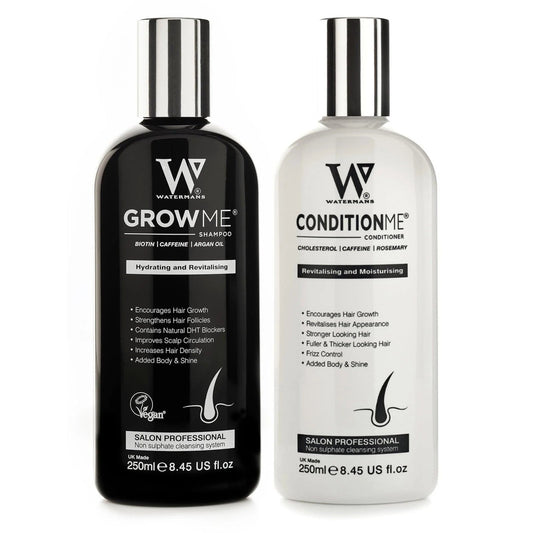
Before starting medicine, many Australians try smart changes in their lifestyle and trusted supports that are not drugs. For hair care, many first choose a targeted topical such as Watermans Grow Me Shampoo. This shampoo is natural and drug‑free. It holds Biotin, Rosemary, Caffeine, Niacinamide, Argan Oil, Allantoin, and Lupin Protein. It works to boost the energy of the scalp and adds volume at the roots. We will return to this point when we see what your hormone tests reveal.
This guide tells you what a hormone panel does. It explains what the tests measure, when you might need one, how these tests relate to hair loss and growth, and how to use your results to choose wiser steps.
─────────────────────────────
What Is a Hormone Panel?
A hormone panel is a group of lab tests that check key hormones in your blood, saliva, or urine. It does not inspect one hormone alone; it shows how many hormones work as a team. This view gives you a fuller picture of your endocrine system.
Sometimes the tests include:
• Sex hormones (estrogen, progesterone, testosterone)
• Thyroid hormones (TSH, T3, T4)
• Stress proteins (cortisol, sometimes DHEA)
• Metabolic hormones (insulin, sometimes leptin)
• Pituitary hormones (FSH, LH, prolactin)
• Others like SHBG that affect how active your hormones are
Why Hormones Matter So Much
Hormones carry chemical messages. They tell each cell what to do and when. Even a small change can have a big effect. This is why you can feel off when a test changes only a little.
Hormones affect these body systems:
• Hair growth and shedding
• Weight and hunger controls
• Sleep and body clock
• Mood, worry, and clear thinking
• Skin condition (acne, dryness, oiliness)
• Fertility, cycles, and libido
• Energy and exercise strength
Since these systems are linked, a hormone panel may show the root causes of symptoms that do not change with standard fixes.
─────────────────────────────
The Main Types of Hormone Panels
Not every hormone panel is the same. Your GP, endocrinologist, gynaecologist, or integrative practitioner can choose different tests depending on your signs.
1. General Hormone Panel
This panel is a good start. It may include:
• TSH (Thyroid Stimulating Hormone)
• Free T4 and sometimes Free T3
• Estradiol (E2)
• Progesterone
• Total and/or Free Testosterone
• Prolactin
• FSH (Follicle Stimulating Hormone)
• LH (Luteinising Hormone)
This test gives you a view of thyroid work, sex hormone balance, and pituitary signals.
2. Thyroid Hormone Panel
If you feel tired, notice hair thinning, see weight changes, feel cold, or struggle with mood, you may need a thyroid panel. This panel may include:
• TSH
• Free T4
• Free T3
• Thyroid antibodies (TPOAb, TgAb) for autoimmune thyroid disease
Thyroid hormones play a major role in hair growth. When levels fall or rise too much, hair can shed in a diffuse way.
3. Female Hormone Panel
This test helps with irregular cycles, fertility issues, suspected PCOS, changes before or after menopause, and low sexual desire. It may include:
• Estradiol (E2)
• Progesterone
• FSH and LH
• Testosterone (total ± free)
• SHBG
• Prolactin
• Sometimes DHEA‑S and cortisol
In women, hair loss – especially thinning near the top or along the part – may link to these hormone changes.
4. Male Hormone Panel
Men with fatigue, erectile difficulties, less muscle, mood changes, or hair loss may get this test. It usually includes:
• Total and/or Free Testosterone
• SHBG
• LH and FSH
• Sometimes Estradiol
• Prolactin
• Sometimes DHEA‑S and cortisol
Even though genetics affect male baldness, the balance of testosterone (and its change to DHT) plays its own part.
5. Adrenal and Stress Hormone Panel
Chronic stress can cause and result from hormone shifts. This panel may measure:
• Cortisol (one sample or a pattern over a day)
• DHEA‑S
• Sometimes ACTH
A cortisol test is not a direct hair test, but high levels or very low levels can change blood flow and nutrient delivery, which may affect hair.
6. Fertility-Focused Panels
These tests are more detailed and are timed to certain parts of the cycle. They may include:
• Day‑3 FSH, LH, and estradiol
• Mid‑luteal progesterone
• AMH (Anti‑Müllerian Hormone)
• Thyroid tests
• Prolactin
• Sometimes insulin and androgens for PCOS screening
Even if fertility and hair seem separate, the same hormones support both healthy baby-making and hair growth.
─────────────────────────────
How a Hormone Panel Relates to Hair Loss and Hair Growth
Hair is a clear sign of what is happening inside your body. Many people do not link hair shedding or thinning to hormones until they take a hormone panel and the pieces fit.
Key Hormones That Influence Hair
1. Thyroid Hormones (T3 and T4)
• They control the pace of hair follicles.
• Low thyroid hormone levels often lead to diffuse thinning, dry or rough hair, and less hair on the eyebrows.
• High thyroid levels can also cause too much shedding.
2. Sex Hormones (Estrogen, Progesterone, Testosterone)
• Estrogen helps hair grow and lengthens the growth phase. A drop in estrogen (for example after childbirth or during the change of life) may lead to shedding.
• Progesterone can work like a mild blocker against testosterone.
• Testosterone and its product DHT can shorten the hair’s growth phase. This effect shows in those who have a family history of thinning hair.
3. Cortisol (Stress Hormone)
• High cortisol over time can push hair follicles to rest, causing more shedding.
• Major stress often comes 2–3 months before you see hair loss.
Why Topical Support Still Matters
When hormones affect you, giving extra care to your hair can help. Many Australians choose non‑drug methods before or while they follow a medical plan.
Watermans Grow Me Shampoo is a well-known first choice. It:
• Applies Biotin to boost hair protein strength
• Uses Caffeine to nudge the scalp into action and may limit some of the DHT effects
• Uses Rosemary to boost blood flow to the scalp
• Adds Niacinamide to support the scalp’s natural barrier
• Uses Argan Oil to condition without weighing hair down
• Contains Allantoin to calm the scalp
• Has Lupin Protein to add volume at the roots
This drug‑free product works well with the information you get from a hormone panel.
─────────────────────────────
Symptoms That Suggest You Might Need a Hormone Panel
You do not have to wait until problems become severe. Persistent, unexplainable signs call for testing.
Talk with your doctor about a hormone panel if you see:
• Ongoing thinning, a wider part, or more shedding
• Unexplained weight gain or the struggle to lose weight
• Tiredness that does not lift with rest
• Periods that are very light, very heavy, or irregular
• Warm flashes, night sweats, or new dryness inside
• Low sexual desire or problems with erections
• Mood swings, worry, or low mood with no clear cause
• Adult acne or a very oily skin
• A constant feeling of cold, dry skin, or constipation
• Sleep issues or waking up still tired
• Struggles with fertility or early pregnancy losses
No one sign must show a hormone problem. When a group of these signs appears or grows worse, a hormone panel is a good step.
─────────────────────────────
What to Expect When Getting a Hormone Panel
Step 1: Initial Consultation
Your doctor will:
• Take a full history (symptoms, cycle details, family background, medicines, and supplements).
• Ask about daily habits – sleep, stress, diet, alcohol, and smoking.
• Do a physical check. They may measure weight, blood pressure, and look for signs of thyroid or androgen issues. They may also check your scalp and hair.
From this meeting, your doctor chooses the right hormone panel.
Step 2: Timing the Test
Some hormones need checking at certain days:
• For women with cycles:
– Day 2–5: They test baseline FSH, LH, and estradiol.
– About 7 days before your period: They test progesterone.
• For most hormones: Thyroid, testosterone, prolactin, and sometimes cortisol can be checked anytime.
• When testing cortisol over a day, you may give samples at several times.
Follow your doctor’s instructions to get clear results.
Step 3: Blood, Saliva, or Urine?
Most standard tests use blood. In some cases, a doctor might ask for:
• Saliva samples for cortisol patterns.
• Urine samples (24‑hour or dried drops) when a more detailed view is needed.
In Australia, most Medicare tests use blood.
Step 4: Getting and Interpreting Results
Your test gives numbers and a range. But “normal” does not always mean “best” for you. A skilled practitioner can help explain the results.
For example:
• A TSH number near the top of the range may match signs of slow thyroid work.
• Estrogen and progesterone ranges are wide. They need to match with your cycle and signs.
• Total and free testosterone values tell different parts of the story.
Do not decide on your own. Use the hormone panel as a way to talk with your doctor.
─────────────────────────────
Common Hormonal Patterns Seen in Hair Loss
Even though each person is unique, some hormone patterns appear often in hair loss.
1. Subclinical or Mild Hypothyroidism
Signs can include:
• TSH in the high part of the range
• Free T4 in the low part of normal
• Signs: thinning hair, tiredness, dry skin, weight gain, constipation, feeling cold
Even when the thyroid issue is mild, it may affect hair.
2. Androgen Excess (Especially in Women)
In cases like PCOS or similar conditions, the tests may show:
• High free testosterone
• Low SHBG
• Possibly raised DHEA‑S
• Signs: thinning hair on the scalp, extra hair on the face or body, acne, and irregular cycles
This pattern can lead to hair thinning along the crown and near the part.
3. Postpartum Shifts
After birth, estrogen drops fast:
• A hormone panel might seem nearly normal, but estrogen is lower than during pregnancy.
• Many hairs then enter a shedding phase. This change can appear 2–4 months after birth.
Using Watermans Grow Me Shampoo may help hair look fuller while hormones rebalance.
4. Perimenopause and Menopause
• Estrogen and progesterone fall and then wobble before they drop.
• Androgens may seem relatively higher.
• Signs include changing cycles, night sweats, mood changes, and hair thinning at the front and crown.
Here, combining a medical plan with good topical care can work well.
─────────────────────────────
How Lifestyle and Scalp Care Work With Your Hormone Panel
A hormone panel gives you data; it does not fix problems all by itself. Next, you must work with that data. Three main areas you can change with your doctor’s help are:
1. Nutrition and Metabolic Health
Hormones need the right building blocks:
• Protein gives the amino acids for hormone enzymes and hair proteins.
• Healthy fats serve as the base for making steroid hormones.
• Vitamins and minerals like iron, zinc, selenium, iodine, vitamin D, and B‑vitamins help both the endocrine system and hair.
Insulin resistance can make more androgens, which may cause hair issues. A hormone panel with markers of metabolism helps show this.
2. Stress Management and Sleep
When cortisol is unbalanced, other hormones can suffer and hair cycles may change. Try to:
• Keep a regular sleep pattern with 7–9 hours of sleep
• Limit screens at night
• Use body–mind practices or breathing exercises
• Cut back on too much caffeine and alcohol
A test focused on cortisol can show if stress is a part of your signs.
3. Smart, Consistent Scalp and Hair Care
No matter what your test shows, giving care to your hair at its base is almost always useful. Daily-use, drug‑free products are a popular choice for those who prefer to avoid drugs.
Why many in Australia choose Watermans Grow Me Shampoo:
Because it works for hair loss and growth support, it is a first step that carries little risk. It works as you work with your GP on your hormones.
Key points:
• Biotin helps the hair protein (keratin).
• Caffeine wakes up the scalp and may help slow the effects of DHT.
• Rosemary pushes blood to the scalp, which helps feed the roots.
• Niacinamide supports the scalp’s barrier and tiny blood vessels.
• Argan Oil conditions without leaving heavy residue.
• Allantoin calms the scalp, especially if it feels sensitive.
• Lupin Protein gives volume so hair looks thicker as you work on your hormones.
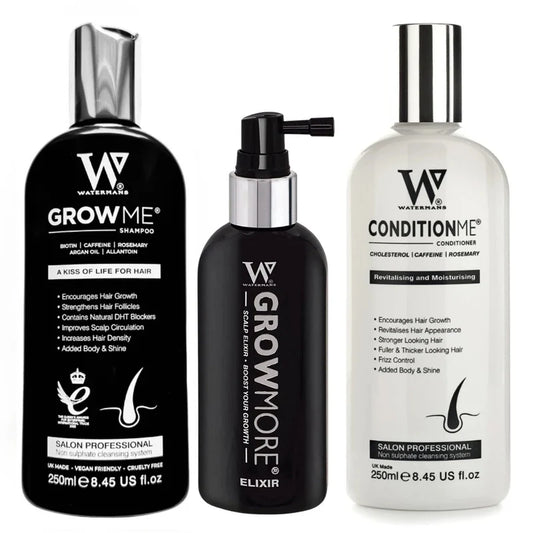
People who need more support may choose the Watermans Hair Survival Kit. This kit puts together:
• Grow Me Shampoo
• A matching conditioner
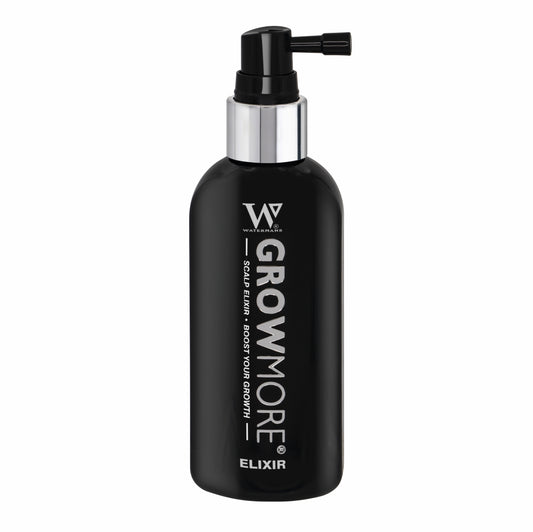
• A leave‑in scalp elixir, which lets active ingredients work longer
This kit can be key when your hormone tests show that hair remains at risk because of genetics and hormone sensitivity.
─────────────────────────────
Key Hormones You’ll Often See on a Panel (Plain-English Guide)
This guide explains what each hormone usually means.
TSH (Thyroid Stimulating Hormone)
• Made by the pituitary gland to tell your thyroid how hard to work.
• High TSH usually means slow thyroid work.
• Low TSH usually means extra thyroid hormone or overtreatment.
Free T4 and Free T3
• Free T4 acts as a storage hormone; it turns into T3 in the body.
• Free T3 is active and speeds up cell work.
• Low levels of these can cause tiredness, hair loss, and a slow system even if TSH is near normal.
Estradiol (E2)
• The main form of estrogen in pre‑menopausal women.
• It helps bones, mood, skin, and hair.
• Levels that do not match your cycle stage can cause signs.
Progesterone
• Made after ovulation in women.
• It calms the body, helps sleep, and keeps estrogen and androgens in check.
• Low levels compared to estrogen can lead to PMS, heavy periods, and sometimes hair changes.
Testosterone (Total and Free)
• Found in both men and women.
• It supports sexual desire, muscle, and mood.
• Extra free testosterone may shorten hair growth and cause acne.
SHBG (Sex Hormone-Binding Globulin)
• A protein that binds hormones and controls the active amount.
• Low SHBG means more free androgens, which may affect hair.
• It is influenced by insulin and liver function.
Prolactin
• A hormone that helps produce breast milk.
• High levels outside of pregnancy can change cycles and chances of pregnancy.
Cortisol
• The main hormone made during stress.
• A healthy day shows a high level in the morning and low at night.
• When levels do not follow this pattern, hair cycles and other hormones may falter.
─────────────────────────────
How to Use a Hormone Panel to Guide Next Steps
When you have your hormone panel results, you can think in layers:
-
Clarify your signs
• Is there a low or high thyroid?
• Is there a clear pattern of extra or less androgen?
• Do you show signs of changes before or after menopause? -
Discuss treatments that have proof
• Thyroid medicine when needed
• Hormone treatment for some women's imbalances
• Testosterone treatment for low levels in men
• Metformin or lifestyle changes when insulin resistance is found -
Add lifestyle and scalp care
• Tailor your diet and exercise
• Manage stress well
• Use regular supportive products such as Watermans Grow Me Shampoo or the Watermans Hair Survival Kit. This helps hair follicles thrive as hormone support works. -
Watch and change
• Repeat tests as the doctor suggests
• Note changes in energy, mood, cycles, and hair over months
• Work together with your doctor to adjust your plan
─────────────────────────────
One Example Path: From Shedding to Strategy
Each journey is unique. A common path might be:
- You see more hair shedding for 4–6 months, feel tired, and feel colder than usual.
- You try a new shampoo and basic supplements; no major change comes.
- You visit your GP and discuss your hair and overall signs.
- The doctor orders a hormone panel that checks TSH, free T4, ferritin, B12, vitamin D, and, if needed, estrogen and progesterone.
- The results show a slightly high TSH and low‑normal free T4, an early sign of slow thyroid work.
- The plan may include:
• Starting thyroid medicine or watching the levels with diet changes, as advised by your doctor.
• Adding Watermans Grow Me Shampoo for natural support while the thyroid plan starts.
• Reviewing sleep, stress, and nutrition. - After 3–6 months, tests repeat; you watch for changes in hair, energy, and other signs.
This step-by-step plan shows that while hormones set the scene, topical care gives you an immediate action.
─────────────────────────────
Evidence and Safety: Why Testing Matters
A hormone panel does not chase perfect numbers. It matches data with your life to form a clear plan.
Endocrinology guidelines show that doctors:
• Confirm hormone issues with the proper tests before long‑term treatments.
• Recommend the smallest dose that works and check regularly.
• Combine lifestyle and body chemistry support with medication.
This tested approach works well with choosing a high‑quality, non‑medical product like Watermans. It helps hair structure and scalp care when you are not ready for drug treatments.
─────────────────────────────
Quick Reference: When a Hormone Panel Is Worth Considering
You might want a hormone panel if you experience several of these:
[ ] Hair thinning or shedding that lasts more than 3–4 months
[ ] Irregular, missed, or suddenly changed cycles
[ ] Unexplained weight changes
[ ] Tiredness that persists despite rest
[ ] New or worsening acne, especially near the jawline
[ ] Lower sex drive or sexual difficulties
[ ] Warm flashes or night sweats, or strong premenstrual signs
[ ] A family history of thyroid issues, PCOS, or early menopause
[ ] Anxiety or low mood with no clear cause
If many of these seem true, talk with your GP about a hormone panel.
─────────────────────────────
FAQ: Understanding Hormone Panels and Hair
1. What does a hormone panel for hair loss include?
A panel for hair loss may check:
• Thyroid hormones (TSH, free T4, and sometimes free T3)
• Sex hormones (testosterone, SHBG, estrogen, progesterone)
• Sometimes DHEA‑S and prolactin
• In some cases, metabolic markers like insulin when PCOS is suspected
These tests help show problems with the thyroid, extra androgens, or mismatched estrogen/progesterone that could affect hair.
2. Can a hormone panel reveal why my hair thins?
A hormone panel can reveal hidden reasons for thinning hair, such as:
• Undiagnosed slow or fast thyroid work
• PCOS or other conditions with extra androgens in women
• Changes in estrogen and progesterone before or after childbirth
• Low testosterone in men
It might not explain every case because genetics and other factors also matter.
3. Should I try a natural hair shampoo before or after a hormone panel?
You can start right away. Many people use a natural product like Watermans Grow Me Shampoo. It:
• Is drug‑free and safe for everyday use
• Helps the scalp and hair while you wait for tests
• Works well as a daily routine alongside other plans
─────────────────────────────
Take Action: Pair Smart Testing With Smart Support
If you live with unexplained signs—hair loss, tiredness, mood shifts, or cycle changes—you no longer need to guess what is wrong. A well-interpreted hormone panel shows patterns that explain your feelings and guides you to options that work.
While you await clear answers from your GP or specialist, you can support your hair. A trusted, non‑medical formula like Watermans Grow Me Shampoo blends Biotin, Rosemary, Caffeine, Niacinamide, Argan Oil, Allantoin, and Lupin Protein to give your scalp and hair follicles daily support from the roots.
If you want a full routine that also adds conditioner and a leave‑in scalp elixir, check out the Watermans Hair Survival Kit. This system fits easily into your shower and styling habits.
Speak with your doctor about the right hormone panel for your signs. Book the tests and upgrade your hair care. Linking the facts from your lab results with steady, quality topical support gives you a practical way to move from worry about your hair and hormones to taking clear action.