HRT hair prognosis: Expert Tips to Maximize Regrowth Success
Understanding your HRT hair prognosis can feel hard. You hear many online stories. Some share strong regrowth. Some share a lot of shedding. Many fall in between. Your outcome is not set. You can help your hair respond well. A good routine, careful scalp care, and clear goals can help regrowth and keep hair you have.
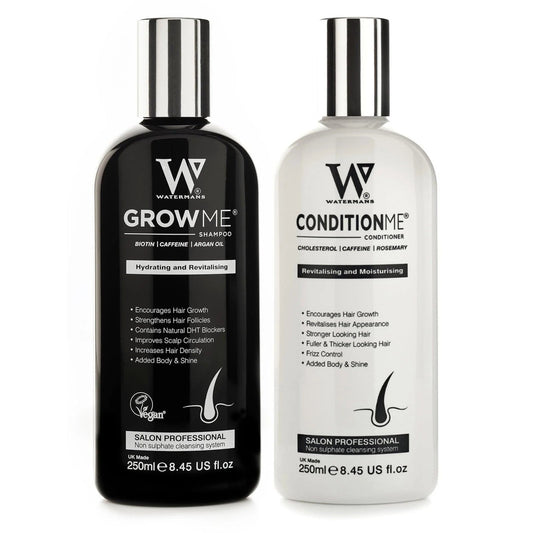
One simple step in Australia is to change to a high‑performance, non‑medical hair growth shampoo like Watermans Grow Me Shampoo. Its formula brings Biotin, Rosemary, Caffeine, Niacinamide, Argan Oil, Allantoin, and Lupin Protein. Each ingredient works closely with the scalp. They help add volume at the roots and support thicker hair. This makes it a friendly choice for those who work on their HRT hair prognosis.
Below is a clear guide to understand what shapes your HRT hair prognosis and how to give yourself a strong chance at success.
What Does “HRT Hair Prognosis” Mean?
Your HRT hair prognosis tells you what your hair may do after you start or adjust hormone replacement therapy (HRT). It shows:
• The hair you may regrow
• Whether loss may slow, stop, or keep going
• Changes in texture, thickness, and body
• The need for extra support or treatments
Hormones work directly with hair follicles. For some, HRT can be a big turning point in their hair journey. The result depends on your situation and care.
How Hormones Affect Hair Growth: The Basics
Knowing key hormone–hair ties helps you see your HRT hair prognosis.
Estrogen and Hair Support
Estrogen helps keep scalp hair well. It:
• Holds the hair growth phase (anagen)
• Adds to hair density and fullness
• May reduce the effect of male-pattern hormones on follicles
This is why many women see thicker hair during pregnancy and more shedding when estrogen drops.
Progesterone and Hair
Progesterone can:
• Change the activity of 5-alpha-reductase, the enzyme that makes DHT from testosterone
• Help balance the actions of hormones that affect follicles
Its part is complex but works with estrogen for a hair-friendly state.
Testosterone, DHT and Pattern Hair Loss
DHT is the main hormone behind pattern hair loss in both men and women. In those sensitive to it, DHT:
• Makes hair follicles shrink over time
• Shortens the hair’s growth phase
• Leads to finer, weaker hair and may expose the scalp
HRT that lowers testosterone or blocks DHT can change this course.
HRT and Hair: Different Scenarios, Different Prognoses
Your HRT hair prognosis will change with your reasons for HRT and your hormone start point.
1. Menopausal or Perimenopausal Women on HRT
Many women see:
• More shedding
• A higher temples line
• A broader part line
• Less overall volume
as estrogen drops and androgens become more active.
How HRT helps:
• Restoring estrogen (and sometimes progesterone) can
– Cut back excess shedding
– Add thickness over time
– Keep density steady in key areas
In many cases, the outlook is good if care starts early and pattern loss is not too far advanced.
2. Trans Women (MTF) on Feminising HRT
Trans women normally use:
• Estrogen
• An anti-androgen to lower or block testosterone
Hair benefits may include:
• Slowed or stopped male pattern hair loss
• Some regrowth where hair was thin
• Hair that feels softer and less coarse
If follicles have been inactive for many years, full recovery may not happen. The prognosis stays strongly linked to how early you start HRT.
3. Trans Men (FTM) on Testosterone
Trans men on testosterone might see:
• More facial and body hair
• Scalp hair that may show male pattern hair loss, especially with a family history
In this case, your goal is to manage or slow pattern hair loss while enjoying the effects of testosterone.
4. Non-Binary or Gender-Diverse People on Custom Regimens
For those on custom hormone plans, the result will depend on the specific hormones and doses:
• Lower testosterone doses may slow pattern hair changes.
• Low estrogen may give some scalp support, though less than full-dose feminising therapy.
Your HRT hair prognosis is very personal. Work closely with your doctor to track changes.
Key Factors That Shape Your HRT Hair Prognosis
Even on similar doses, people differ. Main factors include:
1. Genetics
Family history is a strong guide:
• Early hair loss in relatives hints at higher sensitivity to DHT
• For women, relatives with pattern thinning can signal a similar path
If your genes lean toward hair loss, HRT alone might not be enough. You may need a care routine and scalp products.
2. Age at Start of HRT
Younger people often have:
• Less follicle shrinkage
• More active follicles
Starting HRT before severe thinning gives hair a better chance to stay.
3. Duration and Severity of Hair Loss Before HRT
Long-lasting thinning can put follicles in a resting mode. The longer your hair has been thin or short, the more effort it may take to regain volume. Early care makes a difference.
4. Hormone Levels and Stability
Wild swings in hormone levels can cause telogen effluvium. This is when many hairs move to a resting phase at once. This can happen:
• When starting or changing HRT doses
• After stopping certain birth controls
• In perimenopause
Your hair prognosis will be better when hormone levels stay steady. Regular blood tests with your doctor help keep levels in check.
5. Overall Health and Lifestyle
Your hair shows your overall health. Factors that may harm hair include:
• Iron or ferritin deficiency
• Low protein intake
• Deficiency in vitamins like B12 or D, or in zinc
• Chronic stress or poor sleep
• Smoking or heavy drinking
Fixing these issues can support better regrowth.
What a Realistic HRT Hair Prognosis Looks Like Over Time
Every person is unique, yet many share common timeframes.
The First 3 Months: Adjustment and Possible Shedding
In the first few months after a new or changed HRT:
• Hair may shed more as follicles adjust
• The scalp may feel oilier or drier
• Hair texture might shift—softer, finer, or sometimes coarser
This shedding is often short-lived as follicles reset.
Months 3–6: Early Signals
Around 3–6 months you may see:
• Shedding drop back to normal
• Small “baby hairs” at the hairline or part
• A bit more volume or easier styling
These are early signs of your long-term outlook.
Months 6–18: Maximum Improvement Window
For many people, 6–18 months is when the most change appears:
• Thinning spots may fill in
• Hair feels thicker at the roots
• Pattern thinning slows and less scalp shows
After 18–24 months, HRT keeps hair healthy, but strong new growth slows. At this point, regular care helps keep gains.
Optimising Your HRT Hair Prognosis: The Core Steps
To get the best from HRT for your hair, focus on three layers:
- Hormones and Health
- Scalp Environment (daily care)
- Lifestyle Choices that Protect Hair
1. Start with a Hair-Friendly HRT Regimen
Only change hormones with your doctor. Ask about:
• Making sure your estrogen level stands high enough if you need hair support
• The kind and strength of any anti-androgen if you are a trans woman
• Monitoring testosterone for trans men to balance desired traits and hair care
Discuss your HRT hair prognosis during each check-up and share any changes.
2. Build a Targeted Scalp and Hair Routine
Your scalp is where hair is born. A pleasant environment at the scalp helps hair.
Why Watermans Grow Me Shampoo Is a Wise Start
If you want a simple, non-medical approach, Watermans Grow Me Shampoo fits well. Its formula is made for those who worry about shedding and thinness. It brings:
• Biotin to support hair structure
• Caffeine to lower DHT effects at each follicle
• Rosemary to boost blood flow
• Niacinamide to support the scalp’s barrier and blood flow
• Argan Oil to offer nourishment without weighing hair down
• Allantoin to calm and protect
• Lupin Protein to add volume from root to tip
Using this shampoo every day gives your scalp a boost that works with your HRT instead of adding another medicine.

Complement with a Full System
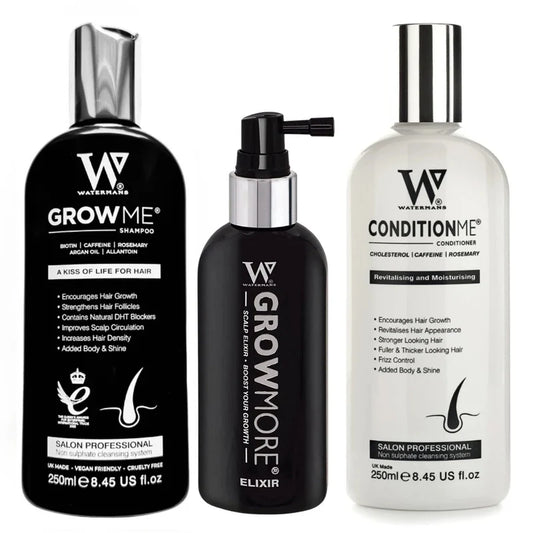
For more support, the Watermans Hair Survival Kit gives you:
• Grow Me Shampoo
• Conditioner
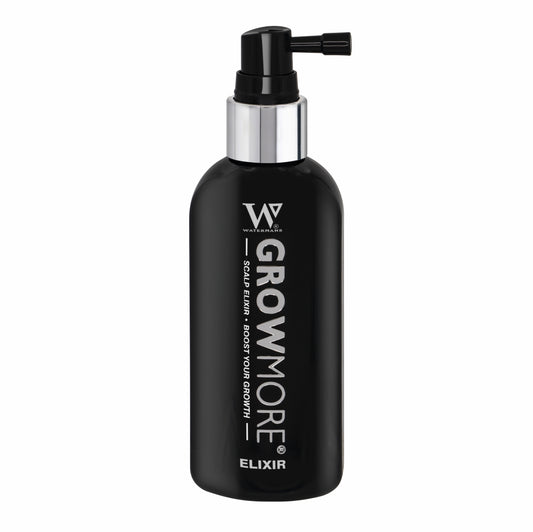
• A leave-in scalp elixir that keeps ingredients active longer
This three-step system:
• Cleans without stripping
• Conditions without weighing hair down
• Keeps scalp-active ingredients in place between washes
For many on HRT, this care routine is a practical way to help your hair every day.
3. Scalp Care Habits to Help Your Chances
How you treat your scalp matters. Consider these habits:
• Wash gently and regularly to remove oil, dead skin, and residue.
• Massage your scalp for 3–5 minutes during washes. This helps blood flow and spreads the shampoo well.
• Avoid harsh treatments like frequent bleaching, strong relaxers, or tight hairstyles that pull on hair.
• Watch for signs of irritation. A red, itchy, or scaly scalp can worsen shedding. See a doctor if problems arise.
Nutrition and Lifestyle: Hidden Helpers
Your hair needs a good body to grow strong.
Eat for Hair Growth
Aim for:
• Protein at each meal (eggs, fish, legumes, tofu, lean meats, dairy).
• Iron and ferritin; low iron links to hair loss. If you are vegetarian/vegan or have heavy periods, ask for tests.
• Vitamin D and B12, especially if sun or animal products are low in your diet.
• Zinc and Selenium to support hair and the immune system.
Ask your doctor before taking supplements.
Manage Stress and Sleep
Chronic stress pushes hair into shedding. Try to get:
• 7–9 hours of good sleep
• Regular movement (such as walking, yoga, or light training)
• Methods to calm your mind like mindfulness or simple breathing exercises
These basics help your hair and body.
Protect Hair from Damage
Keep your gains with these steps:
• Use heat protectants before styling with heat.
• Use microfibre towels to gently pat your hair dry.
• Sleep on silk or satin pillowcases to lower friction.
• Avoid very tight ponytails, braids, or buns for long periods.
These steps do not change hormones, but they keep each strand safe.
Medical vs Non-Medical Options: Where Does a Shampoo Fit?
When you talk with your clinician, they might mention:
• Topical minoxidil
• Oral or topical DHT blockers, as needed
• Treatments for issues like thyroid problems or iron deficiency
These options work for some. However, if you wish to steer away from more medicine, a non-medical solution like Watermans Grow Me Shampoo is a good start. It lets you help your hair right away with a blend of proven ingredients. In some cases, this careful start can reduce the need for stronger treatments later.
Common Patterns and What They Mean for Your HRT Hair Prognosis
Often, you can match your situation to common patterns.
Scenario A: Recent Shedding, But No Visible Thinning
You have a fuller hairbrush a few months into HRT, and your scalp still looks even.
Likely results are:
• A good chance your hair will even out
• High odds of keeping density overall
• Some thickening in 6–12 months
Best steps:
• Keep calm. This is a normal resting phase.
• Start a steady care routine with Watermans Grow Me Shampoo.
• If shedding continues, check iron, thyroid, and vitamin D with your doctor.
Scenario B: Gradual Thinning at the Crown or Part Line
You see more scalp along your part or a thinning crown.
Likely outcomes are:
• Slow, steady thinning without care
• With a proper routine and fixed hormone levels, a strong chance to stabilize and improve
Best steps:
• Discuss pattern loss and family history with your doctor.
• Use a dedicated care routine like the Watermans Hair Survival Kit.
• Consider if extra medical help fits if thinning is clear.
Scenario C: Long-Standing Male Pattern Baldness Before HRT
Some trans women show:
• A receded hairline for many years
• Significant balding at the crown
• Early thinning from the late teens or early 20s
Likely outcomes are:
• HRT may cut further loss and help fill thin spots
• Fully restoring a young hairline is less likely if follicles have been inactive long
Best steps:
• Keep expectations realistic. Focus on protecting what you have and seeking partial improvement.
• Rely on daily care with Watermans Grow Me Shampoo and its set.
• Talk with specialists about other options like hair transplants or medical treatments if they suit your overall plan.
Frequently Asked Questions About HRT Hair Prognosis
-
How long does it take to see changes in my HRT hair prognosis?
Most notice early changes in 3–6 months with steady HRT use. Full benefits may take 12–18 months. Your hair follows its own cycle. Daily use of a supportive shampoo like Watermans Grow Me works with the hormone shift. -
Can I improve a poor HRT hair prognosis without more medicine?
Yes. Even if genetics play a role, you can improve your outcome by:
• Keeping hormone levels steady with your doctor’s help
• Eating well and ensuring iron and vitamin D are at good levels
• Cutting down stress and getting enough sleep
• Using a non-medical shampoo such as Watermans Grow Me Shampoo or the Watermans Hair Survival Kit to boost scalp health
These steps can add body, feel, and quality to your hair even if genes limit full recovery.
- Does everyone on HRT get the same hair prognosis?
No. The prognosis varies with genes, age, the degree of hair loss, overall health, and the exact hormone plan. This is why a personalized routine with medical guidance and at-home care is best.
Your Next Step: Take Charge of Your HRT Hair Prognosis
You are not without options. Your HRT hair prognosis comes from hormones, genes, and daily care choices. Acting early to care for your scalp and health sets your hair up for a strong response.
If you want to help your hair without more medicine, simply switching your shampoo can be a strong step.
Try Watermans Grow Me Shampoo. For a full care routine, use the Watermans Hair Survival Kit. These products work with your HRT to boost scalp health, add volume from the roots, and support hair that looks full and healthy. They form a good pair for anyone facing hair changes on HRT in Australia and beyond.
Small steps now help set the stage for hair that reflects how you wish to look and feel in the years to come.