HRT hair texture: Secrets to Reclaiming Volume, Shine, and Growth
Hormone Replacement Therapy (HRT) changes your life. It eases menopause, perimenopause, and gender transition symptoms. Many see changes in their HRT hair texture. Hair may feel drier, curlier, straighter, thinner, or just different.
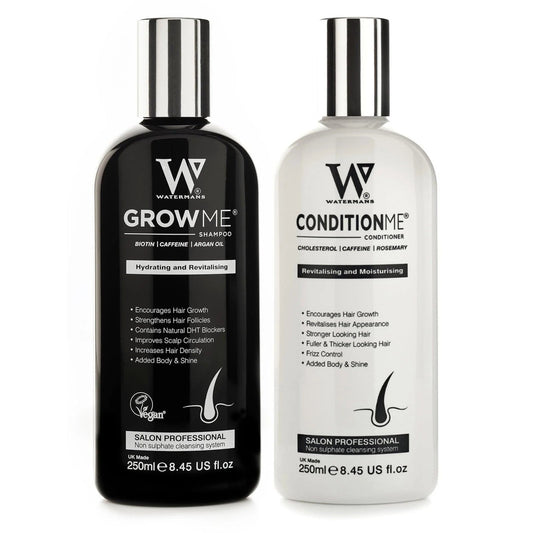
This guide shows why HRT affects hair texture, what is usual or worrisome, and what you can do to restore volume, shine, and growth. It uses real strategies that work for people. In Australia and beyond, many start with Watermans Grow Me Shampoo – a natural, non‑medical choice that supports scalp health and fuller hair.
Understanding HRT Hair Texture: What Is Happening?
HRT changes your hormone levels. Hair follicles feel this change. When hormones shift, they affect:
• The speed of hair growth
• The thickness of hair strands
• The oil or dryness of the scalp
• The natural curl, wave, or straightness
• How strong or weak hair feels
These effects show up with:
• Menopausal HRT (oestrogen and/or progesterone)
• Testosterone therapy (for gender‑affirming HRT)
• Anti‑androgens or other hormone‑modifying pills
The good news is that HRT often steadies or improves hair over time. The changing phase can seem hard when your HRT hair texture feels erratic.
How Different Types of HRT Affect Hair Texture
1. Oestrogen‑Based HRT (Used in Menopause)
Oestrogen helps protect hair follicles. Before menopause, high oestrogen keeps hair growing for longer, gives hair a smooth shine, and cuts down on shedding. When you start oestrogen‑based HRT:
• Hair can feel smoother as some dryness fades
• Shedding can go down after a few months
• Hair volume may slowly improve if thinning had begun
Some people may see:
• A short phase of shedding or texture change
• More oil on the scalp if sebum production starts fast
• A slight change in curl pattern toward looser or straighter hair
2. Progesterone and Progestins
Progesterone, or its synthetic progestins, is common for those with a uterus. Some progestins show mild testosterone effects. This may:
• Make hair feel a bit coarser or drier
• Lead to some scalp thinning or small hair loss in those who are prone
• Change the balance of oil and dryness on your scalp
Many people see that the mix of oestrogen and progesterone helps hair. If you notice a clear shift in HRT hair texture after a dose change, talk with your doctor.
3. Testosterone Therapy (Gender‑Affirming HRT)
Testosterone is strong for hair. For transmasculine and non‑binary folks on testosterone:
• Facial and body hair grows denser and coarser
• Scalp hair may seem oilier and thicker at first
• Later, some may see thinning at the temples or crown if prone to male‑pattern loss
Changes may include:
• Straight hair may turn a bit wavy or curly
• Fine hair may seem coarser near the roots
• There can be more frizz from changes in sebum and hair shape
Supportive hair care keeps oil and thinning in check while working for fuller density.
4. Anti‑Androgens (e.g., Spironolactone, Cyproterone)
Anti‑androgens block testosterone and DHT effects. They come in some gender‑affirming plans or treat hormonal acne. Common effects include:
• Less shedding if you had androgen-related loss
• Hair may feel finer but more abundant as tiny follicles recover
• Hair texture may turn softer and less coarse
People respond in different ways. Pairing these pills with a gentle, scalp‑friendly shampoo can help improve hair texture and density.
Why HRT Hair Texture Changes: The Science in Simple Terms
Hair follicles have three stages: growth (anagen), change (catagen), and rest/shedding (telogen). Hormones affect:
• How long hair grows
• The size of each hair follicle
• The natural curve of hair (curl pattern)
• The scalp’s oil production
When HRT resets your hormone levels, follicles also reset:
• Some hairs enter the shedding stage early
• New hair grows under new hormone levels
• These hairs may be different in thickness, curl, and strength
This makes some say, “My new hair feels like someone else’s.” It is new hair growing under new hormone rules. During this phase, what you do with your shampoo, scalp care, and style, along with nutrition and stress control, can change how your HRT hair texture turns out.
Key Signs Your HRT Affects Hair Texture
You might see:
• Hair feels rougher or softer than before
• Your natural curl loosens or tightens
• Hair ends become drier and frizzier, while the root stays oily
• Hair does not hold style like it used to
• Shedding increases for weeks or months
• Your ponytail feels thicker or thinner
• New growth feels different from mid‑lengths and ends
Some change is normal during hormone shifts. If you see sudden, heavy shedding or bald spots, see a doctor.
How Long Do HRT Hair Texture Changes Last?
Most see changes in the first 3–12 months after starting or changing HRT. You might find:
• A short shedding phase (often 2–4 months after change)
• New growth with a changed texture
• A slow coming to a “new normal” over 6–18 months
A steady routine that helps your scalp and hair can boost volume and shine. That is why many try a nurturing, non‑medical shampoo like Watermans Grow Me Shampoo. Its mix of Biotin, Rosemary, Caffeine, Niacinamide, Argan Oil, Allantoin, and Lupin Protein works with nature at the roots.
First Line of Defence: Supporting HRT Hair Texture with Smart Shampoo Choices
Why Shampoo Matters
A good routine starts at the scalp. A harsh shampoo may:
• Remove oils and add to dryness
• Leave build‑up that weighs hair down
• Irritate the scalp and lead to more shedding
A well-matched shampoo can:
• Keep the scalp balanced
• Support healthy hair roots
• Add volume from the roots
• Make hair easier to style
Why Start with Watermans Grow Me Shampoo?
Before trying strong medications or invasive fixes, many start with a natural, non‑medical choice that still works on hair needs. Watermans Grow Me Shampoo stands out when hair reacts to HRT because its formula can hit many issues at once:
• Biotin helps build keratin so hair feels stronger
• Rosemary boosts blood flow to the scalp
• Caffeine may slow local DHT effects and wake up follicles
• Niacinamide keeps the scalp barrier strong and aids blood flow
• Argan Oil adds sheen and moisture without feeling heavy
• Allantoin soothes the scalp and can reduce shedding
• Lupin Protein helps make strands stronger and increases volume
For many, this mix helps improve volume, shine, and supports healthier new growth during HRT changes. Its effect works with your scalp’s natural rules instead of fighting them.
Building a Hair Routine for Your New HRT Hair Texture
Once you set your routine with a good shampoo like Watermans Grow Me, all else should support your new texture.
1. Match Conditioner to Your Needs
• If hair is drier, frizzier, or curlier:
- Use a richer, hydrating conditioner on mid‑lengths and ends
- Choose formulas with a light mix of oils, butters, or proteins
• If hair is oilier at the roots: - Apply conditioner only from mid‑lengths down
- Go for a light rinse‑out formula to avoid build‑up
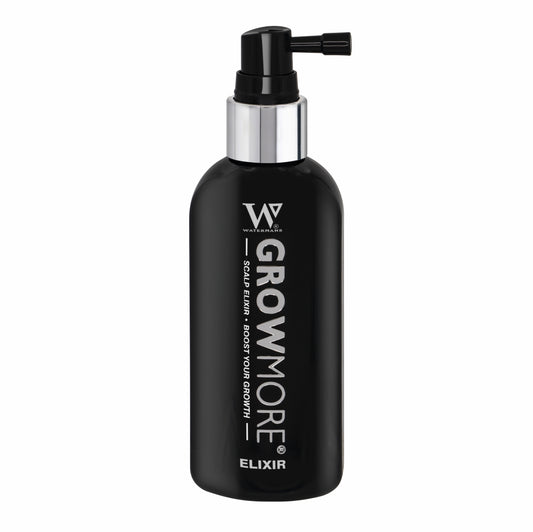
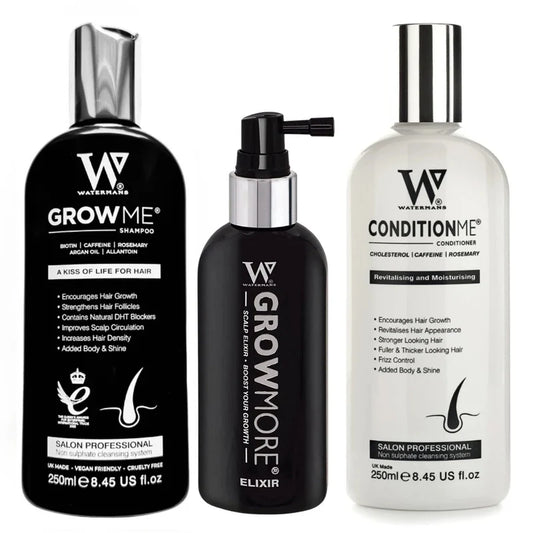
Many find paired systems work well. See the Watermans Hair Survival Kit, which has both shampoo and conditioner plus a scalp elixir that goes with the Grow Me shampoo.
2. Adjust Washing Frequency
• For oiler, finer hair after HRT:
- Wash more often (for example, every 1–2 days) to keep hair bouncy
• For drier, curlier, or coarser hair after HRT: - Wash less often (for example, 2–3 times per week) and add moisture in between
Try to keep the scalp clean without stripping its oils.
3. Use a Leave‑In or Scalp Elixir
Hair changes with hormones. The scalp may feel tight or itchy. A light leave‑in scalp treatment can:
• Calm irritation
• Give moisture and active nutrients
• Keep a good setting for new hair growth
The leave‑in in the Watermans Hair Survival Kit is made for this kind of support.
4. Style with Your Texture
If your HRT hair texture shifts, fighting it with heavy heat or harsh treatments may cause breakage.
• If hair becomes wavier or curlier, try curl creams, diffusers, or air‑drying
• If hair becomes straighter, choose light, volumising sprays or mousse
• Reduce high heat and always put on a heat protectant
The goal is to work with what your hair does best under its new hormone set-up.
Nutrition, Hormones, and Hair: Support from the Inside
Your hair shows your internal health. HRT is the main hormone change, but food plays a key role too. Key nutrients are:
• Protein – hair is made of keratin; low protein can make strands weak
• Iron and Ferritin – low iron can link to more shedding and slow growth
• Vitamin D – helps hair go through its cycle
• B vitamins (including Biotin) – help overall hair strength
• Zinc – supports new hair tissue and repair
• Omega‑3 fatty acids – help with scalp dryness and calm inflammation
A balanced diet, or help from a dietitian if you have limits, can let your HRT hair texture settle and grow strong.
Managing HRT Hair Texture for Different Hair Types
Fine, Straight, or Slightly Wavy Hair
After HRT, fine hair can be:
• Oiler at the roots
• Flatter at the top
• Prone to thin spots
Try these:
• Use a scalp‑friendly volumising shampoo like Watermans Grow Me
• Avoid heavy conditioners at the roots
• Use sprays or light mousse for lift
• Skip heavy oils or butters that weigh hair down
Thick, Wavy, or Curly Hair
HRT can change curls by:
• Making them looser or less even
• Increasing dryness and frizz
• Making overall volume seem lower
Try these:
• Focus on moisture and control of frizz
• Use richer conditioners and a mask now and then
• Skip detergents that strip oils
• Use curl‑defining creams and gentle drying methods
A shampoo like Watermans Grow Me helps work at the scalp while you adapt your conditioner and style to your curl type.
Coily or Kinky Hair
Coily hair is prone to dryness and breakage. HRT changes can make this more obvious.
Try these tactics:
• Wash with gentle, non‑stripping products
• Deep condition on a regular basis
• Use leave‑in conditioners and oils to seal moisture
• Avoid tight styles that pull on hair
A balanced, scalp‑focused shampoo like Watermans Grow Me works well as a strong step for care.
HRT, Hair Shedding, and Texture: The Connection
Some may worry when noticing more shedding after HRT. This can be a temporary phase called telogen effluvium.
Here is how it links with texture:
• Old hair, grown before HRT, falls out
• New hair grows with your new hormones
• These hairs may differ in thickness, color, or curl
• When enough new hair grows in, the overall texture may change
In this phase, you can:
• Wash with a gentle, scalp‑kind shampoo often
• Avoid tight hairstyles, chemicals, or strong brushing
• Check nutrition and health (for example, thyroid or iron levels)
• Talk with your doctor if shedding lasts long or feels heavy
This is when a product like Watermans Grow Me Shampoo can help by giving your scalp extra care while follicles adjust.
Medical Considerations: When to Ask for Help
Most HRT hair texture changes are mild and treatable. Still, some signs need a review by a professional:
• A fast, clear thinning at the crown or front
• Bald spots or patchy hair loss
• Scalp that itches, burns, or flakes badly
• Heavy shedding lasting more than 6–9 months
• Hair loss along with fatigue or weight shifts
Some issues behind these signs include:
• Androgenetic alopecia (inherited hair loss)
• Thyroid problems
• Low iron or anemia
• Autoimmune issues like alopecia areata
Your doctor, endocrinologist, or skin specialist can check and suggest treatment. Even with medical steps, a strong hair-care base – including a scalp‑kind shampoo such as Watermans Grow Me – stays useful.
Emotional Impact: Coping with HRT Hair Texture Changes
Hair ties closely with identity and self-expression. When HRT hair texture changes, it can bring:
• Stress or unease
• Worries about aging or your transition
• Frustration about losing a familiar part of you
To cope:
• See this as a changing phase, not a fixed state
• Allow yourself to try new cuts, styles, and products
• Talk with others who face similar shifts, in menopause or trans support groups
• Remember that a good routine can bring noticeable improvement in your hair
Taking steps like choosing Watermans Grow Me Shampoo or trying the Watermans Hair Survival Kit is not just about hair. It is about taking back control over your look.
Daily Routine for Healthier HRT Hair Texture
Here is a simple plan that you can change as needed:
-
Wash Days (2–4 times per week, as needed) • Gently massage Watermans Grow Me Shampoo into your scalp
• Rinse the hair fully
• Apply conditioner or a mask on mid‑lengths and ends
• Use lukewarm water for rinse -
After Washing • Apply a leave‑in or the scalp elixir from the Watermans Hair Survival Kit if you like
• Detangle with a wide‑tooth comb
• Let your hair air‑dry when you can; if you use a dryer, choose low heat with a diffuser -
Between Washes • Use dry shampoo lightly if needed
• Refresh curls or waves with water and a bit of leave‑in
• Avoid hairstyles that pull tightly on the scalp -
Weekly or Every Two Weeks • Use a deep-conditioning mask if your hair feels dry
• Check your scalp for irritation or flaking and treat it early
This routine helps your scalp and hair work well together as your HRT hair texture finds its new shape.
Common Mistakes When Managing HRT Hair Texture
Avoid these risks that can make matters worse:
• Changing products too quickly
- Your hair and scalp need time. Allow 8–12 weeks for a new routine to show results.
• Washing too much with harsh shampoos
- This can remove needed oils and worsen dryness, frizz, and breakage.
• Ignoring the scalp
- Focus on both scalp and hair for best results.
• Using high heat often
- Strong heat can damage the hair and change its texture.
• Believing nothing can help
- Even though hormones play a big role, proper care, food, and a shampoo like Watermans Grow Me Shampoo can make a big difference.
FAQ: HRT Hair Texture, Volume, and Growth
1. Does HRT change hair texture for good?
HRT often brings long‑term changes to hair texture. Hair that grows after HRT may not look like the hair before treatment. However, "for good" does not mean you cannot care for it. With the right scalp care, nutrition, and styling, you can improve softness, volume, and shine. Many find that once hormones settle and a good routine—often starting with Watermans Grow Me Shampoo—is in place, hair becomes easier to manage.
2. Can I improve HRT‑related thinning and rough hair without strong drugs?
Yes, you can. Many start with a non‑medical approach. This includes using a scalp‑kind shampoo like Watermans Grow Me Shampoo, eating well, avoiding mechanical or heat damage, and matching conditioners and leave‑ins to your hair. If thinning continues, check in with your doctor.
3. What is a good routine to support volume and shine for HRT hair texture?
A solid routine for HRT hair texture includes:
• Gentle regular washing with a shampoo that supports growth and volume
• A conditioner that matches your scalp and hair needs
• Weekly or biweekly moisture or strengthening treatments
• Minimal heat and mechanical damage
• A light leave‑in scalp product if your scalp feels tight
Many find the Watermans Hair Survival Kit a simple start. It pairs shampoo, conditioner, and a scalp elixir to support volume, shine, and healthy new growth.
Reclaiming Volume, Shine, and Growth: Your Next Steps
You do not have to live with dull or unmanageable hair from HRT. By knowing how hormones affect follicles and by using a steady routine, you can guide your HRT hair texture toward fuller, shinier, and stronger hair.
Start with what you can change today:
• Pick a scalp‑friendly shampoo that works to wake up the scalp and boost volume – Watermans Grow Me Shampoo.
• For a simple all‑in‑one system, check out the Watermans Hair Survival Kit.
• Adjust your styling and care to work with your new texture.
• Watch your hair over the next few months as your hormones settle, and seek help if shedding or thinning feels severe.
With the right steps, HRT can start a new chapter where your hair shows health, confidence, and your choice in living each day.