HRT tapering: How to Avoid Withdrawal and Reclaim Balance
For many women and AFAB people, HRT can change lives. Hormone therapy calms flushes, helps sleep, lessens anxiety, and supports bone and heart health. When it comes time to reduce or stop HRT, tapering can feel unclear and even scary. You may fear withdrawal, hormone crashes, or the return of old signs.
This guide shows you how HRT tapering works, what to expect, and ways to cut down on withdrawal. It also explains how caring for your hair and scalp during hormone change—using gentle options like Watermans Grow Me Shampoo—can be a strong part of the plan.
WHAT IS HRT TAPERING?
HRT tapering in simple terms
HRT tapering means that you slowly reduce your hormone dose over time. You do not stop quickly. Your prescriber helps you lower your dose over weeks or months.
For example, you might: • Switch from a high oestrogen patch to one with less strength. • Use a gel or spray less often. • Cut tablets in half under expert guidance. • Stretch out the time between doses.
This gradual change helps your body adjust to lower hormone levels so you do not have a big hormonal shock.
WHY PEOPLE TAPER OFF HRT
Common reasons for tapering
There is no set time to stop HRT. People taper for many reasons. You might: • Have used HRT for many years and want to reassess. • Be in your late 50s or 60s and question long-term use. • See a change in your risk factors like clots or breast cancer. • Find side effects that make you want less medicine. • Notice that symptoms have eased and you feel ready. • Face cost or access problems.
International guidelines urge a plan that fits you. Some use HRT short-term, some long-term, and some stay with low doses when the benefits are more than the risks.
Is tapering always needed?
Not for everyone. Some stop HRT quickly and feel fine. Yet many—especially those who feel changes keenly—find that tapering is a gentler route. It may cut down on: • A sudden return of hot flushes. • Fast heartbeats and sleep loss. • Mood ups and downs and anxious spikes. • Headaches or migraines. • A feeling of crashing or feeling unwell.
If you have missed a few doses before and felt bad, tapering might work best.
HOW HORMONES AFFECT YOUR BODY DURING TAPERING
Oestrogen and the brain and body
Oestrogen works in your brain, blood vessels, bones, skin, and hair follicles. When levels drop fast, your system may react: • Temperature control may falter and cause flushes and night sweats. • Signals in your brain can change and cause low mood, anxiety, or irritability. • Your sleep cycle may break, leading to insomnia or early rise.
A slow reduction helps both your brain and body get used to lower levels.
Progesterone and mood
When you use combined HRT (oestrogen and a progestogen), progesterone can bring calmness. If you stop it too soon, you may feel agitated or overly emotional. A good plan looks at both oestrogen and progesterone.
HRT TAPERING VS. STOPPING ALL AT ONCE
What can happen with abrupt withdrawal
Stopping HRT quickly can raise the chance of: • Hot flushes and night sweats that return fast. • Joint aches and stiffness. • Dizziness or light-headedness. • A drop in mood or a fast fall in spirits. • Changes in your skin and hair, like dryness or shedding.
Not everyone has these issues. Still, many say they feel older overnight or go back to hard perimenopause days when they stop quickly.
Benefits of tapering slowly
A slow taper gives your body time to find its balance. It lets you see which dose keeps you comfortable and may help you settle on a steady, lower dose instead of stopping all at once. If symptoms come back, your prescriber can pause or adjust the dose for a gentler change.
HOW TO PLAN AN HRT TAPER WITH YOUR PRESCRIBER
Start with a review
Before a change, sit with your GP, menopause expert, or endocrinologist. They will check: • Your age and the number of years on HRT. • The type (oral, patch, gel, spray, or intrauterine) and the dose. • Your own and your family’s history (clots, stroke, breast cancer, osteoporosis, heart issues). • How you feel day to day. • Any other medications or supplements.
Together you can set a goal. This may be to stop completely, lower the dose, or test a small reduction.
Common tapering styles
These are examples. Always adjust with your prescriber.
-
Step-down dose style
– Change a 100 mcg patch first to 75 mcg, then to 50 mcg, and then to 25 mcg over several months.
– Or change from a high dose tablet to a lesser strength. -
Interval style
– Keep the same dose while spacing out the doses more.
– For instance: use gel daily, then every other day, then every third day. -
Mix style
– Lower the dose and extend the time between doses at the same time. -
Progesterone style
For continuous combined HRT, a change in the progestogen dose may be needed to avoid mood changes.
Timeframe: Many find a taper of 3–12 months works. Some may need an even slower plan. The pace is set by how comfortable you feel.
RECOGNISING WITHDRAWAL VS. RETURN OF SYMPTOMS
What HRT withdrawal feels like
Withdrawal shows your body is reacting to change. Common signs of a quick drop include: • More or stronger hot flushes soon after a dose change. • Sleep disruption soon after lowering the dose. • Clear mood swings tied to the dose change. • Headaches or feeling wired yet tired.
If your symptoms ease after a while, it is likely a withdrawal reaction.
What if old signs come back?
Sometimes, tapering shows that you still gain on some HRT. You might see: • Symptoms that do not settle after several weeks. • New bone or joint pain. • Low mood, foggy thinking, or low self-confidence that does not lift.
In such cases, your prescriber may suggest a low, steady dose for a longer time.
HOW TO REDUCE OR MINIMISE HRT WITHDRAWAL
- Slow down more than you think
A slower taper usually means a smoother journey. If you plan a taper in three months and feel poor, you may need six or twelve months. You can: • Make smaller changes in your dose. • Stay on each new dose for 6–8 weeks before changing. • Reverse a change if needed. This is feedback, not failure.
- Track your symptoms
Keep a simple note of changes. Record: • The dose changes and dates. • Hot flushes, sleep, mood, anxiety, and energy. • Period-like signs (if you are still in perimenopause). • Hair shedding or scalp changes.
This note helps you see patterns and decide if you need a pause or a slower pace.
- Get enough sleep and ease stress
Lack of sleep makes all symptoms worse. During a taper: • Keep a steady bedtime and wake-up time. • Cut back on caffeine after noon and limit alcohol. • Try breathing exercises, gentle yoga, or light stretching. • Consider help for sleep if you need it.
- Support your body with good food and movement
You cannot fully stop the effects of lower oestrogen, but you can help your body: • Calcium and vitamin D support bone strength. • Protein helps keep muscle and balance. • Healthy fats help cells and hormone signals. • Plant foods aid fiber, nutrients, and gut health.
Weight-bearing and resistance exercise protect bones and help mood.
HAIR CHANGES DURING HRT TAPERING (AND HOW TO PROTECT YOUR HAIR)
Why hair may shed more when hormones change
Many notice more hair loss or thinning when: • Entering perimenopause. • Starting HRT. • Changing or tapering HRT. • Stopping HRT completely.
Oestrogen and progesterone affect your hair cycle and blood flow in the scalp. A fast drop in these hormones may lead to: • More shedding a few months later (telogen effluvium). • A feeling of a thinner ponytail. • More hair on your drain or pillow. • Drier and brittle hair.
This change can be stressful when you are already dealing with other changes.
Why choose natural hair support first
Before turning to strong medical treatments, it is best to care for your scalp. Good blood flow and a gentle touch can help.
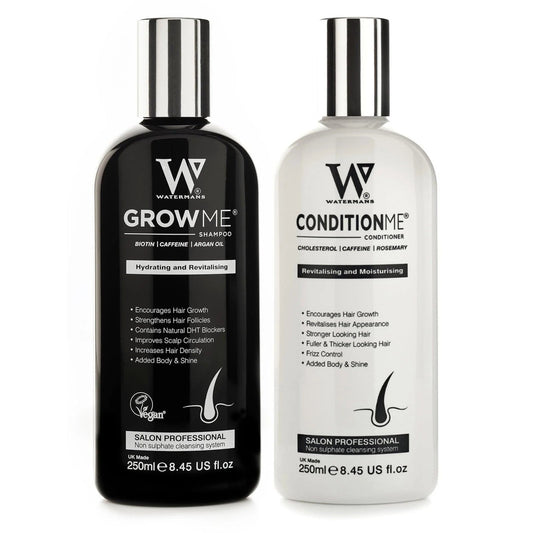
For instance, Watermans Grow Me Shampoo works by combining ingredients like: • Biotin, which supports hair strength. • Rosemary, which may help blood flow in the scalp. • Caffeine, which boosts the scalp. • Niacinamide (Vitamin B3) to keep the scalp healthy. • Argan Oil to add moisture and shine. • Allantoin, which soothes the scalp. • Lupin Protein to add body to your hair.
Used often, Watermans Grow Me Shampoo helps wake up the scalp and add body to the hair. You can check it at:
Watermans Grow Me Shampoo – https://watermanshair.com.au/products/hair-growth-shampoo

Building a simple hair-care routine during tapering
To help your hair during hormone change: • Use Watermans Grow Me Shampoo regularly. • Do not wash too often with harsh detergents. • Limit heat styling and chemical treatments. • Choose loose hairstyles that do not pull on the roots. • Eat enough protein and iron-rich food to support growth.
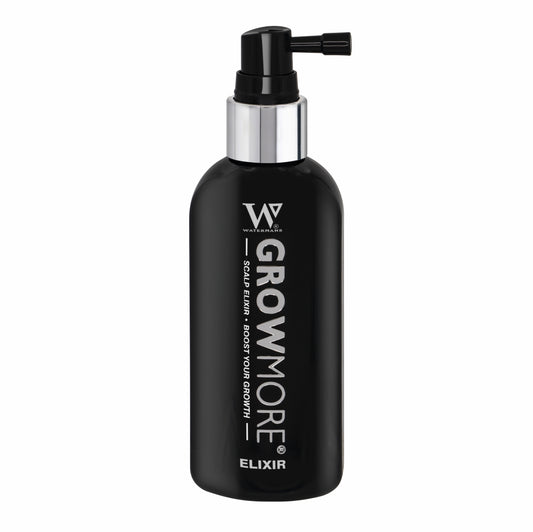
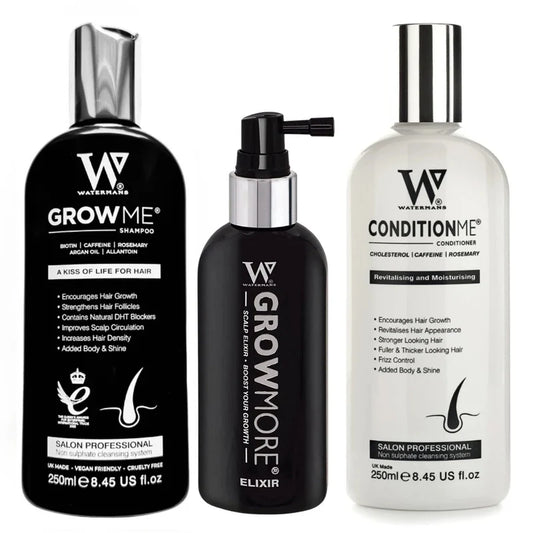
If you wish, try the Watermans Hair Survival Kit. This set pairs shampoo with a conditioner and a leave-in elixir for more scalp care. Find it here:
Watermans Hair Survival Kit – https://watermanshair.com.au/products/shampoo-and-conditioner-set-with-elixir-boosting-leave-in-scalp-formula
EMOTIONAL HEALTH AND MOOD DURING HRT TAPERING
Mood swings, anxiety, and feeling low
When your oestrogen drops, you might find that you: • Feel overwhelmed or cry more easily. • Experience anxiety without a clear trigger. • Lose motivation or feel flat. • Find everyday stress harder to bear.
These changes happen as your body adjusts to a lower hormone dose. They are not something you must simply live with.
Protect your mental wellbeing
Try one or more of these ideas: • Talk with a therapist if you have a history of anxiety or depression. • Join a support group where others talk about tapering. • Set times to talk with a friend or partner during changes. • Take part in slow exercises like tai chi, pilates, or mindful walking.
If mood changes become very severe or if you have upsetting thoughts, contact your doctor quickly. This may mean slowing the taper, changing your HRT, or getting extra support.
PRACTICAL TIPS FOR A SMOOTHER HRT TAPER
Use this checklist with your prescriber:
-
Clarify your goal
– Do you wish to stop?
– Do you want a lower steady dose?
– Do you want to see if a small reduction works? -
Choose a taper style
– Step by step dose drops, longer intervals, or a mix. -
Set a flexible timeline
– For example, plan for 6–12 months and adjust as needed. -
Track changes
– Use a diary or app for your symptoms and doses. -
Keep sleep steady
– Protect your sleep and deal with night sweats promptly. -
Look after your scalp and hair
– Begin using Watermans Grow Me Shampoo when you start tapering.
– Consider the Watermans Hair Survival Kit for extra care. -
Keep active
– A bit of walking or light exercise helps bones, mood, and heart health. -
Schedule regular check-ins
– Meet your doctor every 3–6 months to review your progress.
WHEN HRT TAPERING MIGHT NOT BE RIGHT (YET)
Some cases call for a pause or a change in the taper plan, such as: • A severe return of symptoms that do not improve after several weeks. • Migraines that get worse with dose changes. • New concerns with bone density (for example, diagnosed osteoporosis). • A history of strong depression or a crisis during past hormone shifts.
In these cases, your doctor might suggest: • A slower taper. • Trying another HRT form (like a patch instead of a tablet). • Staying on a low dose for a longer time. • Adding other treatments for bone, mood, or heart support.
Modern advice favors a plan made for you—not a strict rule for all.
FREQUENTLY ASKED QUESTIONS ABOUT HRT TAPERING
-
How long should HRT tapering take?
There is no single ideal time. Many find 3–12 months works well, but some who feel changes strongly may need even more time. The goal is to keep symptoms from becoming too strong while adjusting with your doctor. -
Can I avoid symptoms completely when tapering HRT?
Not always. Even with a good plan, some may notice mild flushes, sleep changes, or mood shifts. The aim is to cut the severity of the signs. Keeping good sleep, low stress, and scalp and hair care with products like Watermans Grow Me Shampoo helps manage the process. -
Will stopping or tapering HRT cause hair loss?
Changing or stopping HRT can lead to extra hair shedding as hormone levels shift. This does not mean you will lose hair for good. That is why it is wise to support your hair both before and during the taper with a natural method like Watermans Grow Me Shampoo. If you want a full routine, the Watermans Hair Survival Kit may help keep your hair looking fuller while you change your dose.
TAKE CHARGE OF YOUR HRT TAPER AND YOUR HAIR AND HORMONAL HEALTH
Tapering HRT does not mean you lose the gains you have made. With a plan that fits you, a slow dose reduction, and support for your lifestyle and emotions, you can lower your dose while keeping your balance.
It is also key to care for your outer self. Hormone shifts can show first on your hair and skin. This is why a focus on gentle scalp and hair care fits into your taper plan.
Before you use strong treatments for hair loss, try a natural first step:
• Check out Watermans Grow Me Shampoo. It holds biotin, rosemary, caffeine, niacinamide, argan oil, allantoin, and lupin protein together. These parts help wake up the scalp and give hair body. Find it here:
https://watermanshair.com.au/products/hair-growth-shampoo
• For a fuller routine during your taper, consider the Watermans Hair Survival Kit. It pairs shampoo with a conditioner and leave-in scalp elixir. Visit:
https://watermanshair.com.au/products/shampoo-and-conditioner-set-with-elixir-boosting-leave-in-scalp-formula
Work with your doctor on a plan. Support your body with movement, good food, and sleep. Give your hair the care it deserves. With a clear, steady plan, you can cut down on withdrawal and move ahead with more balance inside and out.