HRT telogen effluvium: Causes, Symptoms, and Proven Treatment Options
HRT can change your life. It comes during menopause or gender care. It may also change your hair. Some people face a sudden, wide hair loss called HRT telogen effluvium. The hair falls days after you change your hormones, usually a few months later.
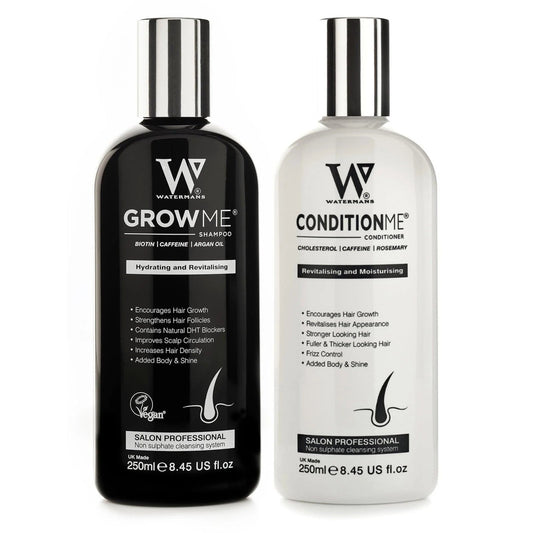
This guide shows you what HRT telogen effluvium is. It tells you why hair falls, how to spot the signs, and how to treat it in Australia and beyond. You may find that many start with natural scalp care. For example, Watermans Grow Me Shampoo works as a safe way to wake up the scalp and help hair grow thicker and stronger.
What Is HRT Telogen Effluvium?
Telogen effluvium means more hairs go into the resting phase. This phase is one part of the hair cycle. After 2 to 4 months, the resting hairs fall in great numbers.
When a change in HRT triggers this, it is called HRT telogen effluvium. Its points are:
- The hair falls all over your head, not in patches.
- The hair falls fast, not slowly over years.
- The hair usually grows back once hormones settle.
- This change can feel hard, even if a doctor sees it as mild.
The goal is to find the trigger, help the scalp, and give the hair roots a good place to grow anew.
Understanding the Hair Growth Cycle
To see how HRT telogen effluvium works, learn how hair grows. There are three phases.
The Three Main Phases
- Anagen (growth phase) – Lasts 2 to 7 years. Most hairs, 80–90%, live here.
- Catagen (transition) – Lasts 2 to 3 weeks. Hairs stop growing and the roots shrink.
- Telogen (resting and shedding) – Lasts 2 to 4 months. Here 10–15% of hairs sit at any time.
In telogen effluvium, many hairs end up in telogen at once. They then fall out. Stress, illness, diet changes, strong feelings, or shifts from HRT can cause this switch.
How HRT Can Trigger Telogen Effluvium
Hormones send clear signals in your body. They also speak to your hair follicles. When you change HRT—start it, shift the dose, change the type, or stop it—your hormone levels can move fast. For some, this quick shift pushes many hairs into rest.
Common HRT Scenarios
- New HRT for menopause: Your oestrogen and progesterone levels change.
- Changing the HRT type: You may move from pills to patches or gels, or change the progesterone form.
- Adjusting the dose: Changing the oestrogen or anti-androgen levels in gender care can cause a shift.
- Stopping HRT: Removing the hormones suddenly may trigger shedding.
Hair follicles care about oestrogen, progesterone, and androgens. When these shift, some hairs rest and later fall.
HRT Telogen Effluvium vs Androgenetic Alopecia
It is hard to tell if the hair loss is HRT telogen effluvium or pattern hair loss (androgenetic alopecia). Here are some differences:
Key Differences
-
Pattern of loss
- Telogen effluvium: The fall happens across the head. Ponytails seem smaller and you see more scalp. There is no clear patch.
- Androgenetic alopecia: Loss shows mostly at the crown, hairline, or in a parting line.
-
Timing
- Telogen effluvium: The fall happens fast, usually 2 to 4 months after a change.
- Androgenetic alopecia: The loss is slow; it happens over many years.
-
Hair calibre
- Telogen effluvium: The hairs that fall are thick.
- Androgenetic alopecia: The hairs shrink and become finer with time.
You may have both conditions. A doctor or skin expert can check your history and look at your scalp to tell the difference.
Causes of HRT Telogen Effluvium
HRT is the main trigger. Other factors may add to the effect. Knowing them helps you aim your care well.
1. Sudden Hormonal Shift
Your scalp grows with a steady hormone mix. A quick change can make hair roots stop growing and move to rest. This happens when you start a new HRT plan, change the dose a lot, switch between pills and skin patches, or change to another hormone form.
2. Oestrogen Fluctuations
Oestrogen helps hair grow. When its level jumps or falls fast, the hair can drop. This can occur:
- At the start of HRT in perimenopause.
- When HRT use is not steady.
- When you stop or reduce HRT fast.
3. Changes in Androgens
Some hair roots are very sensitive to hormones like testosterone. In some HRT plans:
- Some plans for menopause may affect androgen levels.
- Anti-androgens in gender care rapidly lower these hormones, which may cause a temporary drop in growth before later improvement.
4. Nutritional and Gut Shifts
HRT can change your appetite and digestion. This, along with diet changes in midlife, may lead to low protein, iron, vitamin D, B12, or zinc. These changes can add to telogen effluvium.
5. Surgery or Medical Events
Sometimes, HRT changes come with surgery or illness. Both of these can trigger the hair to fall.
6. Emotional Stress and Sleep Changes
HRT often starts during stressful times. Stress, bad sleep, or mood swings can work with hormone shifts to make hair fall.
Symptoms of HRT Telogen Effluvium
People say, "My hair fell out all at once." The signs are:
Visible Signs
-
Extra shedding:
- You find more hair in the drain.
- You see clumps on your pillow.
- Hair falls when you brush.
-
Thinning through the head:
- You notice less volume.
- Ponytails feel smaller.
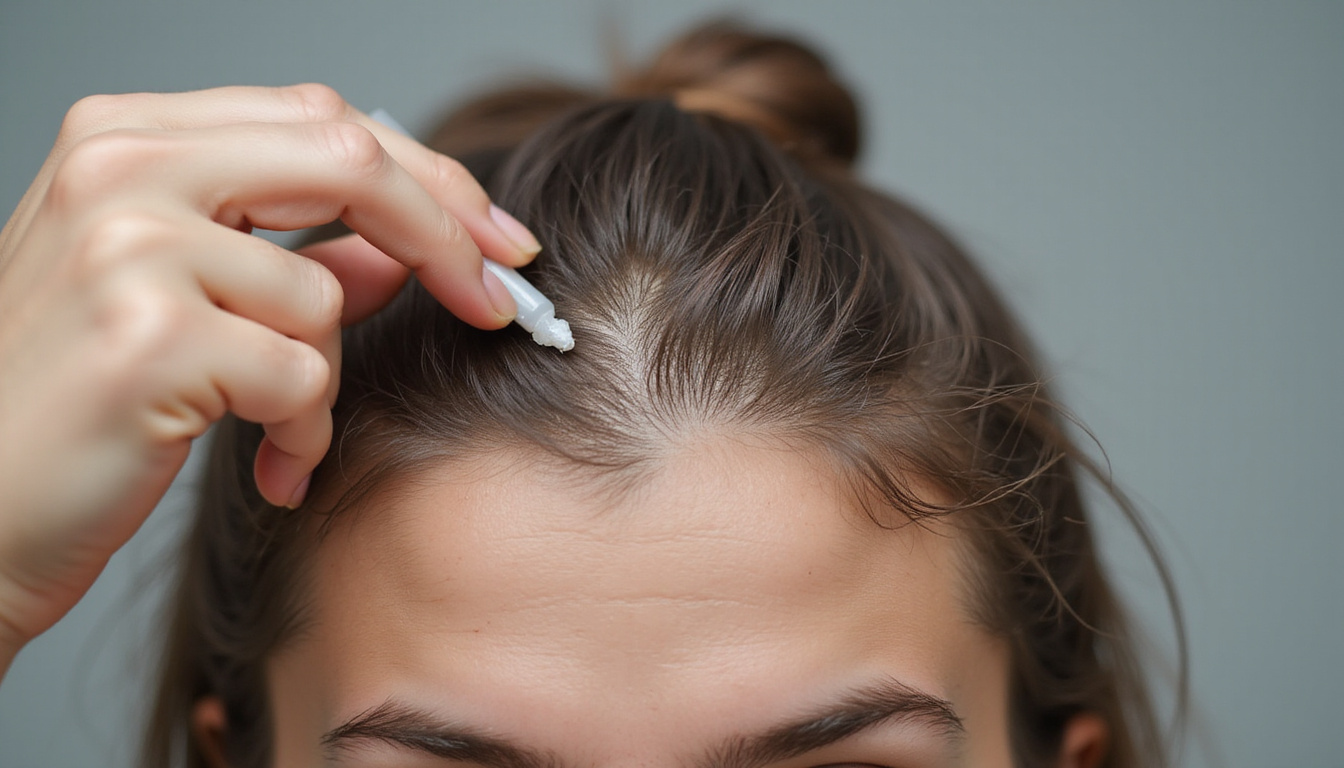
- More scalp shows under bright light.
Timing
- Usually, the change starts 2 to 4 months after starting, changing, or stopping HRT.
- At first, you may not link the loss to HRT.
Scalp Sensations
- Some feel tingling or mild pain.
- Some feel an itch or extra sensitivity.
- Rarely, a burning sensation is noted.
These signs may feel worse because of worry, which can make the nerves more alert.
How HRT Telogen Effluvium Is Diagnosed
A doctor asks questions and checks your hair. They look to rule out other causes.
Medical History and Timeline
Your doctor may ask:
- When did you start HRT and what type?
- Were there any changes in the past 6 to 12 months?
- Did you face any illness, surgery, or stress?
- Did you experience weight loss or diet changes?
- Does your family have a pattern of hair loss?
Scalp and Hair Exam
- The doctor looks at whether the loss is widespread or in a pattern.
- They check if the hairs are full or narrow at the root.
- A hair-pull test shows how easy it is to remove hairs.
Blood Tests
Blood tests help check for:
- Blood cell counts
- Iron and ferritin levels
- Thyroid function
- Vitamin D, B12, and zinc levels
- Sometimes, hormone levels are measured.
When a Specialist Helps
If the diagnosis is unclear or the loss is strong and long, a dermatologist may use:
- Trichoscopy (a close look at the scalp)
- Rarely, a scalp biopsy
Is HRT Telogen Effluvium Permanent?
Telogen effluvium is a short-term change. When the trigger is removed or your body adjusts:
- The shedding slows after a few months.
- Short new hairs emerge.
- Full growth usually takes 6 to 12 months or more.
Two notes:
- If a genetic pattern exists, the hair may not regain full thickness after the fall stops.
- If the trigger stays (for example, stress or a bad HRT plan), the loss can continue.
It is best to check your HRT, support your diet, manage stress, and care for your scalp using a product like Watermans Grow Me Shampoo.
Treatment Options for HRT Telogen Effluvium
No simple switch can stop the loss. The treatment usually works by:
- Adjusting the hormone trigger
- Looking after the hair roots with local care
- Fixing any diet or health issues
- Reducing stress and changing daily habits
Below are key methods. They start with local care and then may use other treatments with doctor advice.
Topical Support: Why Many Choose Watermans Grow Me Shampoo
Many people use scalp care first. They want to help the scalp without using drugs that affect the whole body.
Watermans Grow Me Shampoo is a popular product in Australia and the UK. It gives you a natural way to support your hair growth during hormone changes. The shampoo does not add more hormones to your body.
You may visit:
Watermans Grow Me Shampoo – Hair Growth Shampoo
https://watermanshair.com.au/products/hair-growth-shampoo
Key Active Ingredients
Watermans Grow Me Shampoo mixes ingredients that help the scalp and hair:
- Biotin: Helps build keratin for stronger hair.
- Rosemary: Known to boost blood flow to the scalp.
- Caffeine: May give hair follicles a wake-up call.
- Niacinamide: Helps the scalp stay strong.
- Argan Oil: Feeds the hair to add shine and cut breakage.
- Allantoin: Calms the scalp.
- Lupin Protein: A plant protein that may thicken hair roots.
People use this mix to:
- Wake up the scalp
- Make hair look fuller as it grows back
- Improve the texture of hair even when shedding happens
Since telogen effluvium usually ends with time, a shampoo like this helps you care for your scalp as you wait for regrowth.
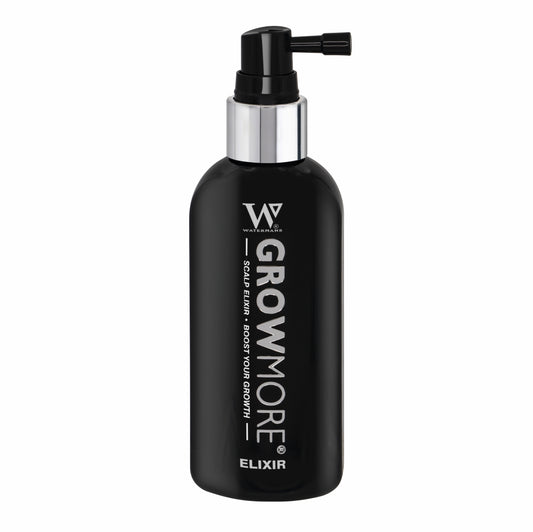
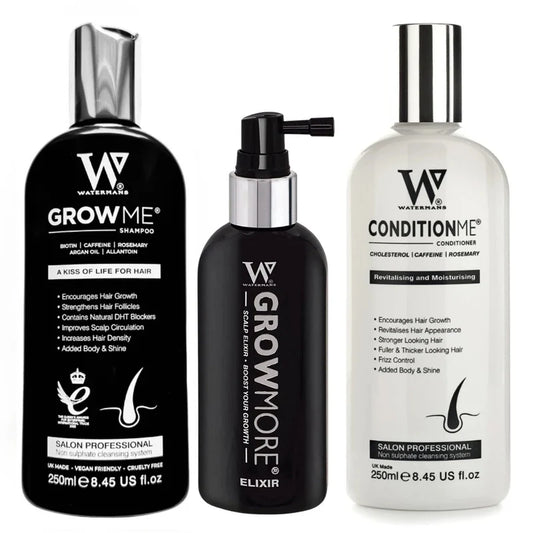
For complete care, you might also try the Watermans Hair Survival Kit. It has shampoo, conditioner, and a leave-in scalp boost. Find it at:
Watermans Hair Survival Kit
https://watermanshair.com.au/products/shampoo-and-conditioner-set-with-elixir-boosting-leave-in-scalp-formula
Reviewing and Adjusting Your HRT Plan
Scalp care is key, but fixing the hormone trigger is also needed.
Talk with Your Doctor
Never change your HRT on your own. Talk to your doctor about:
- When the shedding began after a hormone change
- How well your menopause or gender care symptoms are managed
- If a slow change might help your body adjust
- If a different way to take HRT (pill, patch, gel) can help
Often, once your body adjusts, the hair loss stops. The aim is to keep both your health and hair in good shape.
Nutritional and Medical Support
Since many things can add to the hair loss, it is smart to check your diet and health.
Key Nutrients
A doctor may check and suggest supplements if needed for:
- Iron and ferritin: Low iron can make hair fall.
- Vitamin D: Helps the hair cycle work well.
- Vitamin B12 and folate: Needed for cell growth.
- Zinc: Helps form keratin, the hair’s building block.
- Protein: A strong diet supports hair structure.
Never take high doses of any supplement without a doctor’s advice. Iron, in particular, can harm if taken without need.
Thyroid and Other Health Checks
A thyroid or other illness can also make hair fall. Checking your thyroid may help if shedding is heavy or lasts long.
Stress, Sleep, and Daily Habits
Hormone shifts can make sleep and mood hard. Long-term stress and poor sleep may add to hair loss.
Simple Steps
- Set a regular sleep time in a cool, dark room.
- Practice stress-relief techniques like deep breathing or light exercise.
- Talk to a friend or counsellor if you feel low.
- Take part in regular, moderate exercise to help keep your body in balance.
These steps may not stop hair loss now, but they help lower extra triggers and may bring back healthy hair growth.
Other Local and Medical Treatments
Some people may try extra treatments. Always talk with your doctor first.
Minoxidil (Topical)
- This is often used for pattern hair loss and may help hair regrow faster after shedding.
- It works by boosting the growth phase and blood flow.
- It may cause extra shedding at first as old hairs fall to make room for new ones.
- It must be used steadily; stopping may reverse the progress.
Prescription Anti-Androgens (When Needed)
For some who have a high sensitivity to androgens, a doctor may advise:
- Spironolactone
- Finasteride or dutasteride
In-Clinic Treatments
Some centers offer PRP injections or low-level laser care. The results vary and these treatments may cost more. They are usually considered after simpler steps have been tried.
Everyday Hair-Care to Help Recovery
Taking care of your hair each day helps when it is weak.
Basic Tips
- Wash with a gentle shampoo like Watermans Grow Me shampoo that cleans without stripping and wakes the scalp.
- Use a nourishing conditioner on lengths and ends to cut breakage.
- Avoid tight styles that pull on your roots such as tight ponytails or braids.
- Cut back on heat styling; use a lower setting and a heat guard if you use a blow dryer or straightener.
- Use a wide-toothed comb on wet hair to limit stress on strands.
- Pat your hair dry with a soft towel rather than rubbing hard.
These steps do not cure telogen effluvium. They help your hair last as long as the roots recover.
What to Expect: Recovery Timeline
Each person is different but a common path is:
- Month 0–3: HRT changes occur as your body adjusts. Hair feels normal.
- Month 2–4: Hair shedding increases and it feels thinner.
- Month 4–6: The factor that caused the fall usually calms, and shedding slows. Short new hairs may start to appear.
- Month 6–12: Visible hair density grows as new hairs lengthen. With steady use of products like Watermans Grow Me Shampoo and good daily care, many regain much of the lost volume.
If pattern hair loss is also present, the telogen phase subsides while gradual thinning may continue.
Who May Be at Risk?
Most on HRT can face telogen effluvium, but some groups have a higher chance:
- People with other issues, like low iron or thyroid problems.
- Those who have had hair loss after childbirth, illness, or heavy stress before.
- Individuals who are very sensitive to changes in their hormones.
- People with a family history of pattern hair loss.
If you belong to these groups, prepare ahead when you change HRT. Consider working with your doctor on a gradual change and start a good scalp care plan early, such as using Watermans Grow Me Shampoo.
Living With HRT Telogen Effluvium: Tips for Mind and Look
Hair that falls out can upset you. Even if you know it is not permanent, seeing it daily can be hard.
Handling Feelings
- Accept your feelings; hair often ties to identity.
- Talk with a counsellor, psychologist, or a trusted friend.
- Join support groups or forums for those with hair loss, menopause, or gender care.
Looking Your Best
- Try a different part or style to hide thin spots.
- Use sprays that add volume or lift at the roots.
- Consider temporary hair fibers for special events.
- Pick haircuts with layers or soft movement that make hair appear fuller.
These tips make the gap smaller while your hair resets and regrows.
Frequently Asked Questions About HRT Telogen Effluvium
1. Can starting HRT cause hair loss if my hormones were low?
Yes. HRT telogen effluvium happens when your body faces a shift, not just when levels are high. If your body was used to low oestrogen and progesterone, a sudden change may push more hairs into rest. Once your body adjusts, the loss usually slows. Using a product like Watermans Grow Me Shampoo can help keep the scalp active during this time.2. How long does HRT-related telogen effluvium last?
The shedding phase usually lasts a few months. It often peaks about 2 to 4 months after starting or changing HRT. When the trigger settles, you may see less hair falling between 3 and 6 months. New hairs may show over 6 to 12 months. These numbers can change if other issues like stress or nutrient gaps are present.3. Will my hair go back to normal after HRT telogen effluvium?
Many people see much improvement once the shedding stops. However, if there is a pattern of thinning too, the hair may not reach its old density. A steady HRT plan, good nutrition, lower stress, and using local care like Watermans Grow Me Shampoo or the Hair Survival Kit can help boost the look and feel of your hair over time.Take Charge of HRT Telogen Effluvium Today
If you face HRT telogen effluvium, you are not without options. Know that shifts in your hormones can lead to temporary loss; work with your doctor to get the HRT just right. Check for issues like low iron or thyroid problems. Along with that, take care of your scalp and hair every day.
Many choose to begin with Watermans Grow Me Shampoo. It is a natural, local way to wake up the scalp and help the hair grow thicker with ingredients such as Biotin, Rosemary, Caffeine, Niacinamide, Argan Oil, Allantoin, and Lupin Protein. For full care, the Watermans Hair Survival Kit adds a conditioner and a leave-in scalp boost for ongoing support.
Docs and care experts agree that with steady steps, you can help your scalp move past HRT telogen effluvium and work toward stronger, fuller hair.
Visit these pages for more:
- Watermans Grow Me Shampoo https://watermanshair.com.au/products/hair-growth-shampoo
- Watermans Hair Survival Kit https://watermanshair.com.au/products/shampoo-and-conditioner-set-with-elixir-boosting-leave-in-scalp-formula
Keep working with your doctor and take care day by day. Your efforts in health, diet, stress control, and scalp care can help bring back hair that feels strong and full.