hyperprolactinemia hair loss: Effective Treatments, Causes, and Regrowth Strategies
Hyperprolactinemia hair loss feels confusing and hard to bear. You see more hair in the shower and on your brush, and you wonder why it happens. High prolactin stops other hormones like oestrogen and testosterone from working as they should. This change makes your hair thin, your hairline recede, and your hair grow less dense in both women and men. The good news is that you can learn what is causing the change and act on it. Once you work on the cause, you have real ways to reduce hair shedding and help your hair grow back.
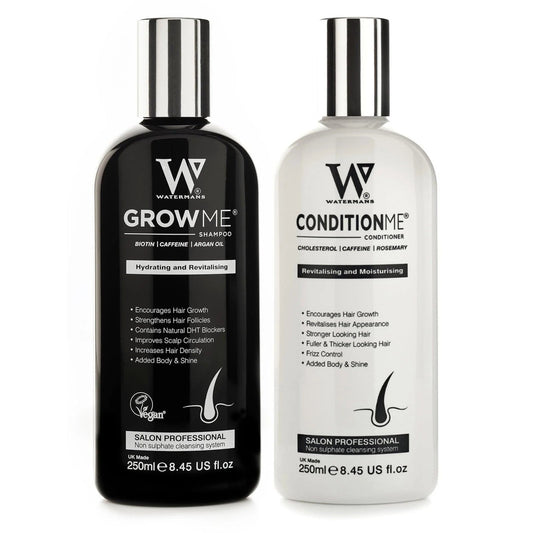
One simple, non‑medical start for many in Australia is to choose a special hair growth shampoo such as
Watermans Grow Me Shampoo.
This shampoo has Biotin, Rosemary, Caffeine, Niacinamide, Argan Oil, Allantoin, and Lupin Protein. These ingredients work together to wake up the scalp and give hair a fuller look from the roots. When you mix this with a proper check by your doctor, you build a strong start for healthier, fuller‑looking hair.
What Is Hyperprolactinemia?
Hyperprolactinemia means your blood has very high prolactin.
Prolactin comes from the pituitary gland at the base of your brain. Its main job is to support milk production. It also talks with your reproductive and thyroid hormones.
Normal vs high prolactin levels
• Normal ranges may change by lab. Usually:
- Women (non-pregnant): about 5–25 ng/mL
- Men: about 2–18 ng/mL
• High prolactin is when levels stay above these numbers in repeated tests.
When prolactin stays high for long, it stops sex hormones from working well. This can hurt ovulation or sperm production, and it may give you hair loss in several ways.
How Does Hyperprolactinemia Cause Hair Loss?
High prolactin does not kill hair follicles. It changes your hormone mix. That change then affects your hair growth cycle.
1. Changes in oestrogen and progesterone in women
In women, high prolactin cuts down on GnRH, which then drops LH and FSH. These hormones help the ovaries work. The drop leads to:
• Lower oestrogen and progesterone
• Irregular or missing periods
• Lower chances of pregnancy
Oestrogen helps hair by keeping follicles in the growth stage longer. When oestrogen falls:
• More hair shifts to the resting and shedding stage
• Hair becomes less dense
• Hair turns finer and more brittle
This chain reaction explains why many women with menstrual issues see hair loss.
2. Changes in testosterone and DHT in both sexes
In both women and men, high prolactin can change how androgens act:
• Hair follicles may react more to DHT (a form of testosterone)
• The balance of free and bound testosterone can change
DHT makes hair follicles shrink. In those with a tendency for pattern hair loss, high prolactin can speed up this process. This change leads to:
• Receding hairlines
• Thinner hair on the crown
• Overall less coverage on the scalp
3. Telogen effluvium: overall shedding
Telogen effluvium happens when many hairs leave the growth cycle at once:
• It is triggered by hormone changes, illness, or stress
• You see thinner hair across your head
• More hair appears on your shower drain or brush
Here, high prolactin acts as a long-term stress for the body, pushing more hair into the resting phase.
4. Other factors that add to hair loss
With high prolactin, you may also see other issues:
• Thyroid problems (especially an underactive thyroid) can make hair dry and brittle.
• Low levels of iron, vitamin D, zinc, or B12 hurt hair growth.
• Stress and lack of sleep raise other stress hormones that affect hair.
These other factors matter. Fixing them can help your hair look and feel better.
Common Causes of Hyperprolactinemia (and Why They Matter for Your Hair)
Finding the reason for your high prolactin helps your health and may slow hair loss.
1. Prolactinomas (pituitary adenomas)
A prolactinoma is a non‑cancerous tumour on the pituitary that makes prolactin. It is a common reason for high prolactin.
• Symptoms include:
- Irregular or abandoned periods
- Trouble having children
- Milk leaking from the breasts (when not breastfeeding)
- Lower interest in sex or sexual problems in men
- Headaches or vision changes if the tumour is large
These tumours pump out prolactin and disturb your hormones. Treating the tumour often brings hormone levels back to normal and helps your hair recover over time.
2. Medications that raise prolactin
Some drugs may cause high prolactin:
• Antipsychotics (for example, risperidone or haloperidol)
• Some antidepressants
• Certain blood pressure drugs (like verapamil)
• Drugs for nausea (like metoclopramide)
• Some contraceptives containing oestrogen in some users
If you see hair loss after starting a new drug, talk with your doctor. You might change doses or switch drugs. Do not stop any medicine without asking your doctor.
3. Underactive thyroid (hypothyroidism)
When thyroid hormones are low, your pituitary makes more TRH. This rise can boost prolactin.
Signs of hypothyroidism include:
• Feeling very tired and gaining weight
• Feeling cold
• Hard time with bowel movements
• Heavy or irregular periods
• Dry, coarse, or thinning hair
Treating your thyroid with the right medication can help lower prolactin. In turn, your hair may become less dry and brittle.
4. Pregnancy and breastfeeding
In pregnancy and breastfeeding, prolactin naturally rises. Many women see:
• Thicker hair while pregnant
• More shedding a few months after birth
After birth, the drop in hormones may cause extra shedding in bursts. When prolactin stays high while breastfeeding, along with stress and nutrition changes, hair may thin further.
5. Stress and other health problems
Other problems that can raise prolactin include:
• Severe physical or emotional stress
• Compression of the pituitary stalk from brain lesions
• Long‐term kidney problems
• Conditions like polycystic ovary syndrome (PCOS) that come with high androgens
Each of these can also affect your hair. A full check by your doctor helps find all causes.
Signs and Symptoms of Hyperprolactinemia Hair Loss
Not every person with high prolactin loses hair. Still, a few common patterns show up.
1. Diffuse thinning
• Hair looks less dense over the head
• Ponytails feel thinner
• More scalp is visible in bright light
• Many see this along with telogen effluvium
2. Female pattern hair loss traits
When androgens change, some women may see:
• A wider middle part
• Thin hair on the crown
• A mostly intact hairline
If high prolactin pushes hormones toward more androgen traits, these signs may appear or grow worse.
3. Male pattern hair loss speed-up
Men may notice:
• Temples that recede sooner
• Thinning on the crown
• Pattern hair loss that starts earlier than expected by family history
Since male pattern baldness is mostly linked to genes, high prolactin can worsen the process.
4. Other signs of high prolactin
If your hair loss ties to high prolactin, you may see:
• Missed or rare periods
• Trouble with fertility or getting pregnant
• Milk leaking from the breasts without breastfeeding
• Lowered sex drive
• Problems with erectile function in men
• Acne or more facial/body hair in women if androgens are high
Seeing these signs along with hair loss can be a strong sign to ask your doctor for a hormone test.
Diagnosing Hyperprolactinemia When Hair Loss Is Present
If you think your hair loss is from high prolactin, your doctor or an endocrine specialist will start by asking questions.
Key steps in the check
-
A careful history and exam
• When the hair loss started and how it happens
• Details of periods, sexual health, and any nipple discharge
• What medicines or supplements you take
• Family history of hair loss or pituitary issues -
Blood tests
• Check prolactin (and sometimes repeat the test)
• Test your thyroid (TSH and sometimes free T4/T3)
• Review sex hormones (oestrogen, progesterone, LH, FSH, testosterone)
• Check iron, vitamin D, B12, and zinc if needed -
Pituitary scans
• An MRI of your brain/pituitary may be done if prolactin is very high. -
Scalp and hair check
• A hair specialist may press a few hairs to see how easily they come out
• They may use a special lens to examine your scalp
• In rare cases, a small scalp sample is taken
The aim is to learn:
• Why prolactin is high
• Which hair loss type you have
• Other reasons that may slow hair growth
Medical Treatments for Hyperprolactinemia (and Their Impact on Hair)
Treating the hormone problem is key to improving hair loss from high prolactin.
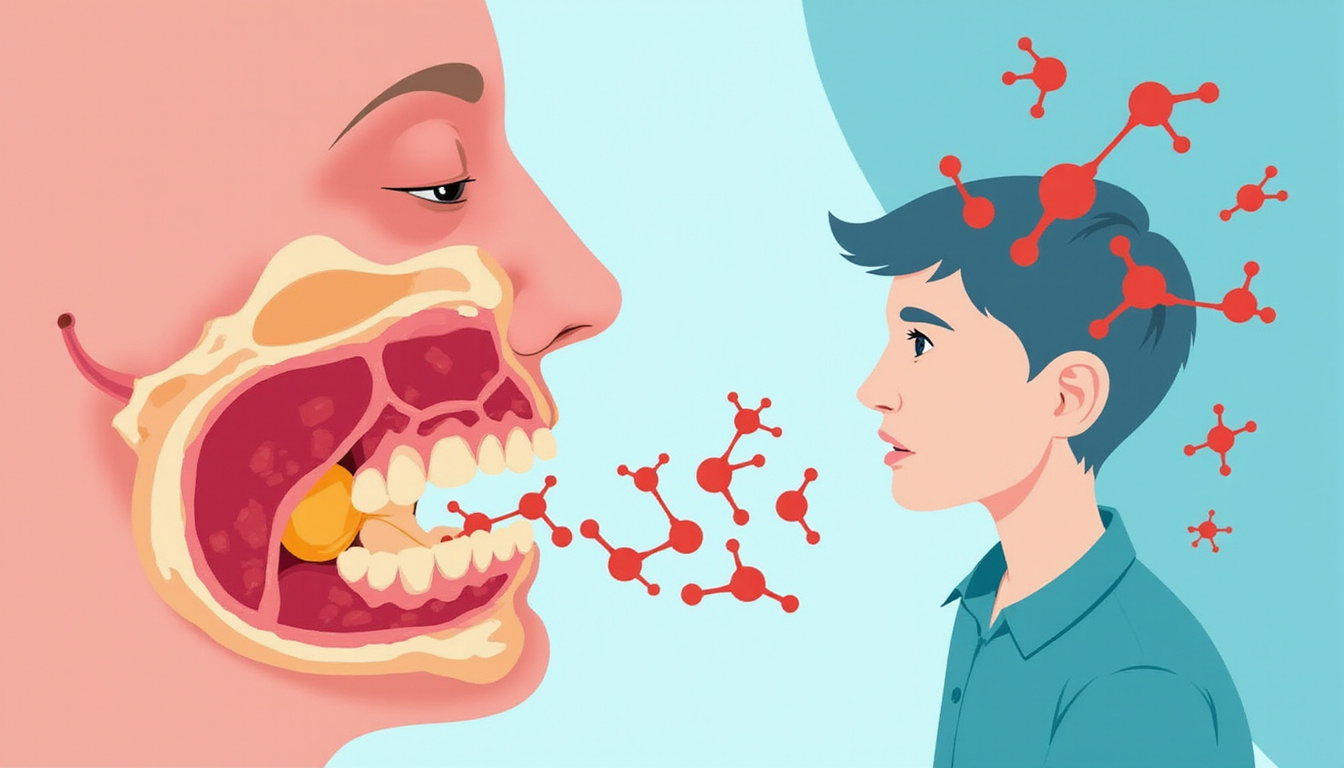
1. Dopamine agonists: a common treatment
Drugs such as cabergoline and bromocriptine work by acting like dopamine. Dopamine tells your body to lower prolactin. These drugs:
• Cut prolactin levels
• Often shrink the pituitary tumour that makes prolactin
• Help bring menstrual cycles and fertility back in women
• Improve sex drive in men
Once the hormone levels settle, the hair growth cycle can slowly balance out. Hair shedding usually goes down over several months. Hair regrowth may be seen in 6–12 months if the follicles can still grow.
2. Treatment for an underactive thyroid
For those with thyroid issues:
• Taking thyroid hormone medicine corrects low thyroid levels
• Prolactin levels drop when the thyroid works well
• Hair becomes less dry and brittle, and shedding can stop
Thyroid-related hair loss may take months to show improvement.
3. Changing medicines
If a drug causes high prolactin:
• Doctors may lower the dose or change to another type
• They may watch your prolactin numbers over time
As hormones get better, hair shedding may slow. Some people also use a hair support product while waiting for hormone treatment to work.
4. Surgery or radiotherapy
If the standard drugs do not work or cannot be used, or if the tumour presses on nearby parts:
• A surgeon may remove the pituitary tumour through a small opening in the nose
• Radiotherapy might be used in hard-to-treat cases
These methods aim to bring prolactin back to normal. Hair recovery then depends on how much the follicles have been affected.
Regrowth Strategies: Supporting Hair While Prolactin Is Treated
After you work on the hormone issue, you can also care for your hair. This step helps close the gap between hormone balance and what you see on your head. A smart hair care routine matters here.
Start with a special hair growth shampoo
A hair growth shampoo does not fix high prolactin. Yet, it creates a friendly space for your hair to grow. It helps make the most of the follicles that still work well.
Many people in Australia choose Watermans Grow Me Shampoo for this reason. This shampoo features:
• Biotin to help build hair structure
• Rosemary, known to wake up the scalp
• Caffeine to give the scalp a boost and may reduce some DHT actions
• Niacinamide to keep the scalp skin in good shape
• Argan Oil to add moisture and shine
• Allantoin to soothe the scalp
• Lupin Protein to strengthen each strand
Taken as part of your daily care, these ingredients help the hair appear thicker from the roots. For a complete plan, some use the
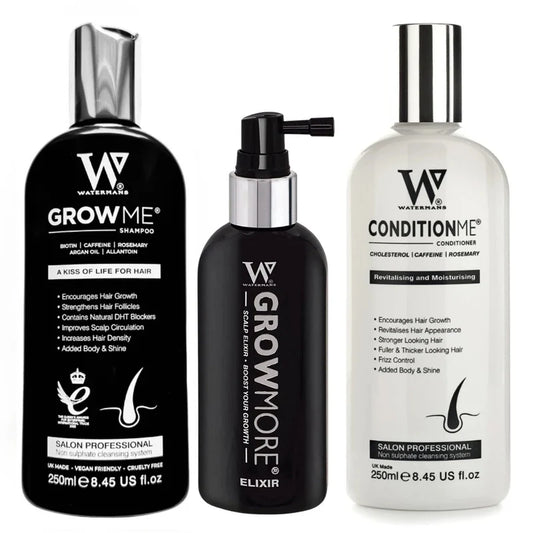
Watermans Hair Survival Kit.
This kit has a shampoo, conditioner, and a leave‑in scalp treatment to work together for fuller, healthier hair.
Lifestyle and At‑Home Ways to Improve Hair Loss
Even while your doctor treats the hormone problem, you can help your hair with daily choices.
1. Build a good diet
Hair uses many nutrients to grow well. Focus on:
• Protein – hair is made of keratin.
- Eat lean meats, fish, eggs, legumes, dairy, tofu, or tempeh.
• Iron – low iron can cause extra shedding.
- Choose red meat, greens, beans, or fortified cereals.
• Zinc – helps hair follicles work well.
- Find zinc in oysters, beef, pumpkin seeds, or nuts.
• Vitamin D – low vitamin D may cause hair issues.
- Get safe sun, eat fatty fish and fortified food, or use supplements.
• B‑vitamins (especially Biotin) – support your hair cells.
- Eat whole grains, eggs, nuts, and seeds.
Ask your doctor if you need a supplement.
2. Take care of stress and sleep
Stress may not start high prolactin but can make hair loss worse. It may also change other hormones. Support your hair by:
• Getting 7–9 hours of sleep nightly
• Doing gentle exercise like walking, yoga, or swimming
• Practicing deep breaths or talking with someone when stressed
Less stress can help your hair.
3. Be gentle with your hair
To stop extra breakage, try:
• Avoiding tight ponytails, braids, or buns that pull the scalp
• Cutting back on heat styling like straighteners or hot blow-dryers
• Using a wide-toothed comb or a soft brush
• Patting your hair dry instead of rubbing it hard
These habits, alongside a strengthening shampoo like Watermans Grow Me Shampoo, can make a big difference.
Other Treatments That Can Work with Prolactin Care
Sometimes your doctor may suggest common hair loss treatments along with hormone care.
1. Minoxidil (topical solution)
Minoxidil is a well-known liquid or foam applied to the scalp:
• It helps hair stay in the growth phase longer
• Both men and women use it
It does not fix high prolactin but may help your hair regrow if used for 6–12 months. Using it with a scalp shampoo like Watermans may work well together.
2. Anti-androgen methods
If your hair loss comes with strong androgen effects, your doctor might choose:
• Spironolactone for women, which blocks androgen actions
• Finasteride or dutasteride for men, which lower DHT
These need careful use because they come with specific side effects.
3. Light treatments
Some at-home devices or clinics use low‑level light or LED treatment on the scalp:
• This may boost hair follicle activity
• It can improve blood flow in the scalp
Some people see good results when they add light therapy to their hair care.
What to Expect: A Timeline for Hair Regrowth
Hair grows slowly and it takes time after hormones change to see hair improvement.
Typical phases
-
In the first 0–3 months:
• Shedding may start to slow
• Some may see a small surge of shedding as old hair falls out -
In 3–6 months:
• You may see small, fine hairs along your part or hairline
• Hair density may get a little better -
In 6–12 months:
• Thicker hair might be visible
• Overall scalp coverage can improve if follicles still work -
After 12 months:
• Hair continues to improve or reaches a steady state
• The pace depends on genetics and how soon you started treatment
Sticking to a plan with a good shampoo like Watermans Grow Me Shampoo or the complete Watermans Hair Survival Kit helps your hair while your hormones steady out.
Hyperprolactinemia Hair Loss in Women vs Men
While high prolactin affects both sexes, the hair loss signs appear in different ways.
Women
Women may see:
• Irregular periods or infertility
• Milk leaking from the breasts when not nursing
Their hair loss may look like:
• Overall thinning or a wider part in the middle
• Sometimes added to losing hair after pregnancy
Treatment may include hormone drugs, care for PCOS or thyroid issues, and sometimes mild anti‑androgen therapy.
Because hair is tied to how one feels, the loss of hair can hit hard emotionally.
Men
Men often notice:
• Lower sex drive or erectile issues
• Thinner beard or body hair at times
Their hair loss may show as:
• A quicker recession at the temples
• Thinner hair on the crown
• Earlier pattern hair loss than their family history suggests
Men may overlook hair loss until it is clear. Early action may lead to better regrowth.
Using Watermans Grow Me Shampoo with Your Medical Plan
Since high prolactin is a hormone problem, you must get proper medical care. This does not mean you wait without doing something. A daily step is to upgrade your hair care.
• Ordinary shampoos clean.
• A shampoo like Watermans Grow Me Shampoo works on the scalp.
• Its ingredients, such as Caffeine and Rosemary, give a boost to your scalp.
• Biotin and Lupin Protein help strengthen each strand.
• Niacinamide and Allantoin keep the scalp in good shape.
• Argan Oil gives shine without weighing hair down.
This mix helps your hair look fuller and stronger while you work on balancing your hormones.
A simple routine may be:
• Wash with Watermans Grow Me Shampoo 3–5 times a week. Rub it on your scalp for a couple of minutes and rinse well.
• Use a good conditioner on the mid-lengths to ends to avoid breakage.
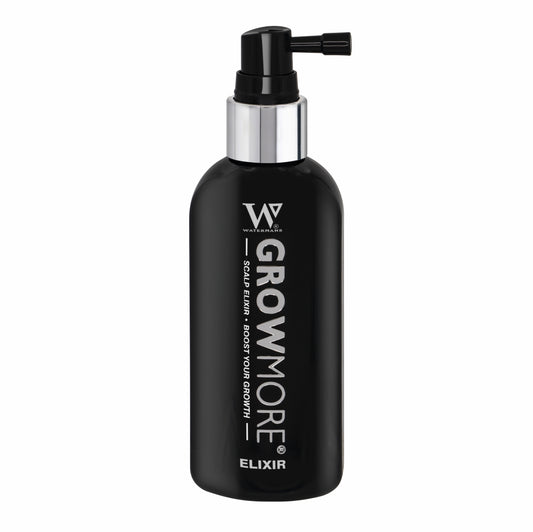
• Apply the scalp treatment from the Watermans Hair Survival Kit between washes.
• Avoid tight styles and harsh brushing.
Small, steady steps can add up over time.
Frequently Asked Questions About Hyperprolactinemia and Hair Loss
1. Can high prolactin cause permanent hair loss?
High prolactin can cause telogen effluvium, which usually reverses when treated, and it may also add to pattern hair loss. When treated quickly, many people see a good amount of hair regrowth in 6–12 months. The longer the hormone levels stay high, the more risk there is that some hair follicles might not recover fully.
Using a scalp-stimulating shampoo such as Watermans Grow Me Shampoo while you treat your prolactin levels may help keep more hair in place.
2. Will hair grow back after high prolactin is treated?
In many cases, yes. Once your prolactin and other hormones (like oestrogen, testosterone, and thyroid hormones) settle, your hair cycle can return to normal.
• Fewer hairs fall
• New hair begins to grow
• Density improves over time
Your age, genes, and how long the imbalance lasted play a role here. Pairing medical treatment with good hair care, such as the Watermans Hair Survival Kit, gives your follicles a better chance to recover.
3. What is the best way to treat hair shedding related to high prolactin?
There is no single answer. Most plans include:
- Medical care to fix the hormone issue (using dopamine agonists, treating thyroid problems, or changing any drugs that might cause the rise).
- A scalp-focused help like using Watermans Grow Me Shampoo to wake up the scalp and make hair look fuller.
- Daily habits that support good nutrition and low stress, along with gentle hair care.
- Sometimes adding treatments like minoxidil or, in some cases, anti-androgens under supervision.
Working with your doctor and a hair specialist helps create a plan for your needs.
Take Charge of Your Hair Loss Today
High prolactin hair loss feels overwhelming, but you do not have to give in. When you know how hormones change your body, get the right tests, and start treatment, you can slow hair shedding and help regrowth.
While your doctor works to bring your hormone levels to a normal state, you can take simple steps at home. Switching to a purpose‑built growth shampoo, such as Watermans Grow Me Shampoo, is an easy first step. It works to wake up your scalp and add body to your hair from the roots.
If you prefer a complete system, check out the Watermans Hair Survival Kit. This kit gives you a set routine that supports fuller, stronger hair on your journey to recovery and new growth.
Combine your doctor’s advice with steady, targeted hair care, and you build a strong chance to turn high prolactin hair loss into a story of renewal and recovery.