Fight insulin resistance hair loss: Proven Tips to Restore Thick Hair
Insulin resistance hair loss grows common as more people face prediabetes and metabolic syndrome. Rates rise in Australia and the world. A thinning ponytail, widening hair part, or extra shedding may link directly to blood sugar issues and not only to age or your genes.
If you have insulin resistance, PCOS, prediabetes, or Type 2 diabetes – or if you suspect you might – know that this link can help stop hair thinning and may bring thicker regrowth. This guide uses plain words to show how insulin resistance affects your hair, what steps you can take, and which non‑medical scalp care options can support you while you work on your metabolic health.
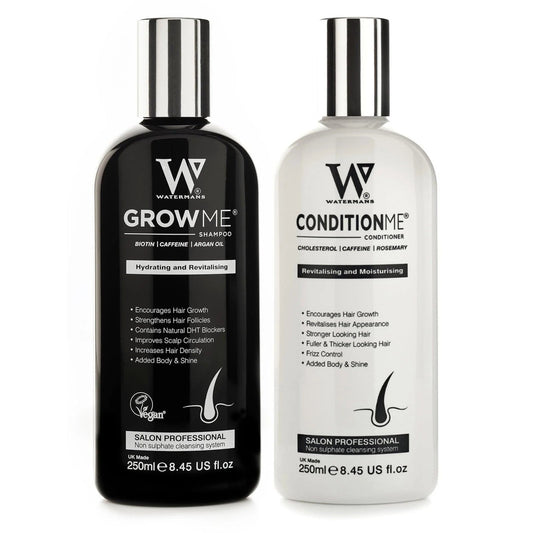
A simple and kind start is a high‑performance shampoo made from natural ingredients. In Australia, Watermans Grow Me Shampoo is a top non‑medical choice for those who worry about thinning hair from hormonal or insulin resistance issues. You can check it out at: https://watermanshair.com.au.
What is Insulin Resistance – and Why It Affects Hair
h2: Insulin Resistance in Simple Words
Insulin is a hormone your pancreas makes. It moves glucose from your blood into your cells for energy.
Insulin resistance means your cells do not follow the insulin signal well. Your body then makes more insulin to get the signal through. This can lead to high insulin, raised blood sugar, a steeper chance of prediabetes and Type 2 diabetes, and extra inflammation and hormone shifts. These changes may affect your skin and hair even before a diabetes diagnosis.
h2: The Hair Growth Cycle – Where Things Change
Hair follows a cycle in three stages:
- Anagen (growth stage): Hair grows actively for 2–7 years.
- Catagen (transition stage): Growth ceases for a few weeks.
- Telogen (resting and shedding stage): Hair rests, then sheds. New hair takes its place.
Insulin resistance can cut the growth stage and shift more hairs into the resting phase. This change leads to more hair in the drain, a thinner ponytail, less density at the part, and patchy thinning at the crown. Over time, follicles may shrink and produce weak, fine hair that mimics a pattern seen in hereditary hair loss with a strong metabolic and hormonal link.
How Insulin Resistance Hair Loss Happens
h2: The Hormone Chain Reaction
Insulin works with many other hormones. High insulin levels make the body change its hormone balance:
• More male‑type hormones rise – in women, high insulin sends signals that boost testosterone and similar hormones.
• More DHT forms when testosterone converts. DHT links closely to pattern baldness and follicle shrinkage.
• Levels of SHBG drop, leaving more active hormones free to attack hair follicles.
With these shifts, hair may thin at the crown and temples. Women may see a wider central part while men risk faster recession and shedding. Hair grows finer and weaker and breaks more easily.
h4: Blood Flow, Inflammation, and Scalp Health
Insulin resistance links with mild chronic inflammation, oxidative stress, and small blood flow problems. Hair follicles need good blood flow to get oxygen, nutrients, and signals to grow. When blood flow drops and inflammation rises, follicles get fewer nutrients and may suffer cell damage. As a result, the scalp may feel dry or itchy, hair sheds more during high-sugar times, and regrowth slows after stress or illness.
h4: PCOS, Insulin Resistance, and Hair Thinning in Women
Many women with PCOS also face insulin resistance. This condition boosts hormone levels that harm hair follicles. Signs include scalp thinning (often at the top), extra facial and body hair, acne, oily skin, and irregular periods or trouble with conception. Many women with PCOS once heard to live with thinning hair. Current views now see treating insulin resistance as a key part of managing PCOS and may help bring back hair density.
Recognising Insulin Resistance Hair Loss: Signs and Patterns
h2: Is Your Hair Loss Tied to Insulin Resistance?
Hair loss can come from many causes such as genes, thyroid issues, low iron, stress, or medications. The chance of insulin resistance grows when hair loss shows with common metabolic signs.
Watch for:
• Thinning that speeds up after weight gain, especially in the middle
• Hair loss along with more facial hair or acne
• Increased shedding when you eat high‑sugar or high‑carb meals
• A family history of Type 2 diabetes, PCOS, or metabolic syndrome
• Tiredness after heavy-carb meals, constant sugar cravings, or a foggy mind
h4: Male and Female Patterns
Men:
• Receding hairline at the temples
• Thinning at the crown
• A pattern similar to male‑pattern baldness that may worsen with weight gain or metabolic problems
Women:
• A wider part line
• Diffuse thinning on the top
• A preserved front hairline but less density behind it
• More shedding during times of hormonal change
If you recognize these signs, ask your GP for a blood test and consider a scalp care routine.
First Step: Support Your Scalp Externally
h2: Why Scalp Care Matters When Facing Insulin Resistance Hair Loss
Improving insulin resistance takes time. Hair loss may hurt your self‐image now. An easy and fast step is to give your scalp the best chance to grow hair while your body matters improve.
A growth‑focused shampoo cleans gently, helps blood flow to the scalp, prevents buildup that can clog follicles, and sends helpful ingredients to the area where hair grows. This is why Watermans Grow Me Shampoo stands out as a non‑medical product you can start using right away.
Watermans Grow Me Shampoo: A Non‑Medical Aid
h2: Why People in Australia Often Start with Watermans Grow Me
Many in Australia who face insulin resistance hair loss choose Watermans Grow Me Shampoo. This shampoo is a natural, non‑drug option that works to improve scalp health and gives the hair a fuller look. To learn more, visit: https://watermanshair.com.au/products/hair-growth-shampoo.
The shampoo contains several well‑known, hair‑good ingredients:
• Biotin – A B‑vitamin that helps form keratin and builds sturdier hair.
• Rosemary – Known to help blood flow in the scalp and guard follicles.
• Caffeine – May act against the shrinking effects of DHT when applied to the scalp.
• Niacinamide – A vitamin B3 variant that aids the skin barrier and blood flow and may reduce redness.
• Argan Oil – Rich in fatty acids and vitamin E to smooth and shield hair fibers.
• Allantoin – Soothes and softens the scalp, a plus for those with sensitivity.
• Lupin Protein – A plant protein that may add volume and strengthen hair at the roots.
Together, these ingredients help by giving energy to the scalp, adding volume starting at the roots, and working smoothly with any internal care you and your doctor select.
h4: How to Use Watermans Grow Me for Best Results
• Wash your hair 3–5 times each week.
• Gently massage the shampoo into your scalp for 1–2 minutes.
• Let the shampoo sit for about a minute before you rinse.
• Use a matching conditioner or a scalp leave‑in so that the active parts stay on longer.
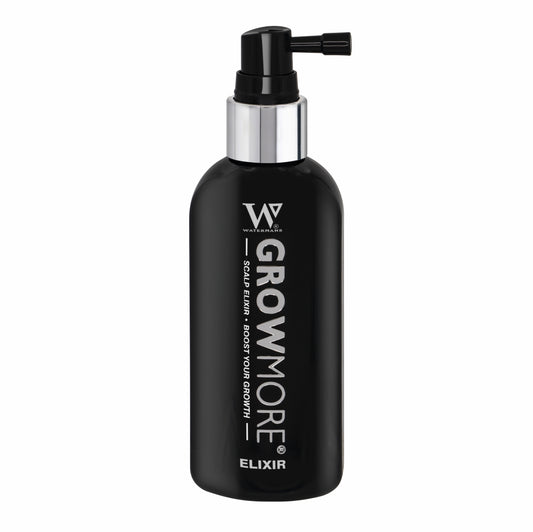
For a simple routine, check out the Watermans Hair Survival Kit. This kit pairs the Grow Me Shampoo with a conditioner and a leave‑in scalp elixir in three easy steps.
Lifestyle Steps: Reverse Insulin Resistance, Support Hair
h2: Food Moves to Help Insulin and Hair
No single diet suits every person. Still, choices that improve insulin sensitivity tend to stick to common ideas. These choices also help hair by lowering inflammation and giving more nutrients.
Pick:
• Low‑GI, fibre‑rich carbohydrates such as oats, barley, quinoa, lentils, chickpeas, beans, sweet potato, and plenty of non‑starchy vegetables.
• Good protein, like lean meat, eggs, tofu, tempeh, Greek yoghurt, and legumes. A bit at each meal helps keep blood sugar steady.
• Healthy fats like olive oil, avocado, nuts, seeds, and oily fish such as salmon or sardines to help keep hormones and the scalp in balance.
• Colorful fruits and vegetables like berries, leafy greens, peppers, carrots, and beetroot for antioxidants that fight against stress on cells.

Cut back on:
• Sugary drinks and juices
• White bread, pastries, and sweets
• Fast foods and deep‑fried meals
• Constant snacking on high‑carb items
h4: Nutrients That Help Hair Follicles
Make sure you get these nutrients during the week:
• Iron – Found in red meat, lentils, and leafy greens. Low iron may boost shedding.
• Zinc – Found in oysters, beef, pumpkin seeds, and nuts.
• Vitamin D – Sourced from safe sun exposure or supplements if needed.
• B‑vitamins (with biotin) – Found in eggs, whole grains, nuts, and seeds.
• Omega‑3 fatty acids – Sourced from fatty fish, flaxseed, chia, or walnuts.
If you think you lack these, speak with your GP before you add any supplements.
Movement and Stress: Hidden Triggers of Hair Loss
h2: Exercise That Helps Insulin and Your Hair
Regular exercise strongly improves insulin sensitivity, even without weight loss. It also helps blood reach the scalp. You need not be an athlete; steady movement wins over intense bursts.
Try for:
• 150–300 minutes per week of moderate activity (like brisk walks, cycling, or swimming).
• 2–3 strength sessions per week (with bodyweight, bands, or weights).
Even a quick, 10‑minute walk after meals may help lower blood sugar spikes and send more nutrients to hair follicles.
h4: Stress, Cortisol, and Hair
Long‑term stress raises cortisol. High cortisol can worsen insulin resistance and add to hair shedding. If your hair loss gets worse in stressful times, cutting stress is key.
Simple ideas include:
• Short mindfulness or breathing breaks each day
• Gentle yoga or stretching
• Time outside or near water
• Sleep habits that aim for 7–9 hours in a cool, dark room
A calm scalp ritual, such as a slow scalp massage while using Watermans Grow Me Shampoo, can work as a short relaxation break.
Medical Support: When to See a Doctor
h2: Testing for Insulin Resistance and Other Issues
If you see thinning hair and know you have risk factors, seeing your GP is wise. They may test for:
• Fasting glucose
• HbA1c (a three‑month average of blood sugar)
• Fasting insulin
• Lipid profile (cholesterol and triglycerides)
• Liver function
• Thyroid function (TSH and possibly T3/T4)
• Ferritin (iron stores), B12, and vitamin D
• In women, a hormone profile if PCOS might be present
Tell your doctor about all your symptoms: hair changes, menstrual shifts, midsection weight gain, tiredness, and skin changes.
h4: Medications and Hair
Your doctor might suggest medications such as metformin to help with insulin sensitivity. These treatments target the root problem. As insulin resistance improves, the scalp may grow healthier hair. Many people choose both medical care and a hair support routine like using Watermans Grow Me Shampoo.
This combined approach removes the need for a single “miracle cure” and builds a steady routine for hair and health.
Everyday Hair‐Care Habits to Protect Fragile Follicles
h2: Gentle Handling for Insulin‑Stressed Hair
When hair thins from insulin resistance, strands may break easily. Small habits each day can help. Use these tips:
• Wear loose hairstyles. Avoid tight ponytails, high buns, or braids that pull on your hairline.
• Use minimal heat – let your hair air‑dry when you can. If you must use a dryer, set it on cool and keep it moving.
• Use silk or satin pillowcases to cut down on friction.
• Use a wide‑tooth comb to detangle gently, starting at the ends.
A shampoo like Watermans Grow Me, with soothing ingredients such as allantoin and argan oil, may help reduce irritation from frequent washing.
h4: Buildup, Oil, and Scalp Balance
Insulin resistance may cause either more oil or dryness. Both can hurt follicles if left unchecked. A balanced routine may include:
• Regular cleansing with a growth‑focused shampoo to keep pores open
• Soft scalp exfoliation with your fingertips or a gentle scrub if oiliness is strong
• Skipping heavy silicones or styling products that sit on the roots
Watermans Grow Me Shampoo cleans well while still softening the scalp, which makes it a good choice for those who wash often and want to avoid a tight, stripped feeling.
What to Expect: Timeframes and Regrowth Patterns
h2: How Long Does It Take to See Improvement?
Hair grows slowly. Even with better insulin sensitivity and scalp care, follicles need time to show changes. Typically:
• In 0–3 months, shedding may slow, and hair might feel slightly fuller because of improved scalp care.
• In 3–6 months, you may see new, thin hairs along the hairline or part. The texture may slowly improve.
• In 6–12 or more months, a steady routine may lead to a thicker look and overall more density.
Sometimes setbacks occur after stress, illness, big diet changes, or hormonal shifts. Keep steady with your hair care, return to a blood sugar–friendly diet, and see your GP if big changes occur.
h4: Setbacks Happen – Watch Out for Changes
If you see more shedding after stress, illness, or dietary lapses, do not give up. Stick with your routine and reintroduce steady eating and exercise. Then, track your progress with photos every 4–6 weeks.
Quick Checklist: Build Your Insulin Resistance Hair Loss Plan
-
Confirm the Issue
• Book a GP visit to review your hair loss and possible insulin resistance.
• Ask for blood tests such as glucose, insulin, HbA1c, iron, and thyroid levels. -
Update Your Scalp Routine
• Start Watermans Grow Me Shampoo 3–5 times each week. Gently massage for 1–2 minutes.
• Consider the Watermans Hair Survival Kit for a simple set of shampoo, conditioner, and scalp elixir. -
Support Your Body Internally
• Shift your meals toward low‑GI, whole foods with protein and healthy fats.
• Get nutrients like iron, zinc, vitamin D, omega‑3s, and B‑vitamins.
• Include regular walking and resistance training each week. -
Protect the Hair You Have
• Avoid tight hairstyles and harsh chemical treatments.
• Limit high‑heat styling, and use a wide‑tooth comb and soft hair towel or a silk pillowcase. -
Monitor and Adjust
• Take progress photos every 4–6 weeks.
• Recheck blood tests with your GP when advised.
• Stay with your hair care and lifestyle changes for 6–12 months.
FAQ: Insulin Resistance Hair Loss and Thicker Hair
h2: Frequently Asked Questions
h4: 1. Can Insulin Resistance Cause Permanent Hair Loss?
Insulin resistance can lead to both temporary shedding and long‑term thinning. Early steps that support the scalp may help follicles recover and grow stronger hair again. If insulin resistance goes on for years, some follicles may shrink so much that regrowth slows, especially if you also face strong genetics for pattern baldness.
h4: 2. How Can I Stop Insulin Resistance Hair Loss Naturally?
You cannot fix everything without help, but you can support your body by:
• Eating a low‑GI, whole‑food diet with enough protein and healthy fats.
• Exercising regularly to improve blood sugar response.
• Cutting down on stress and aiming for good sleep.
• Avoiding smoking and heavy alcohol use.
• Using a non‑medical, growth‑focused shampoo like Watermans Grow Me for better scalp care.
These steps work side by side with any treatments your doctor may suggest.
h4: 3. Does Hair Grow Back After Improving Insulin Resistance and PCOS?
Many with PCOS and insulin resistance see a return of hair density once their hormone and metabolism start to balance. Such change comes with:
• Treating insulin resistance through food, exercise, and sometimes medication.
• Caring for your scalp with products like Watermans Grow Me Shampoo or the full Hair Survival Kit.
• Fixing any nutrient gaps such as iron or vitamin D.
Regrowth happens slowly. While it may not be complete, improved hair volume is common if you keep a steady approach over many months.
Take Action to Boost Your Hair
Insulin resistance hair loss does not have to be accepted without a fight. Knowing how blood sugar and hormones affect hair lets you draw up a plan that cares for your body and boosts your confidence.
Start today with a scalp care routine using a growth‑supporting shampoo like Watermans Grow Me. Consider the complete kit if you need a set routine, and slowly switch your lifestyle toward better blood sugar control.
Your hair responds to what you do day by day. By caring for your scalp on the outside and supporting your health on the inside, you give your hair a better chance to grow thicker and stronger over time.