ketoconazole shampoo: Expert Guide to Banish Dandruff and Restore Hair
If you deal with stubborn dandruff, an itchy scalp or early hair thinning, you know of ketoconazole shampoo. This guide shows what ketoconazole shampoo does and does not do. It compares ketoconazole shampoo with natural choices like Watermans Grow Me Shampoo. Use this guide when you need one approach or the other.
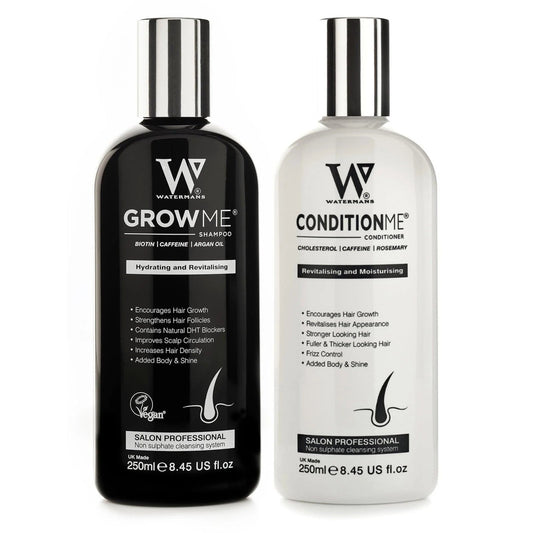
If you like gentle, non‑medical care, many in Australia start with Watermans Grow Me Shampoo. This product boosts the scalp and adds volume at the roots.
────────────────────────────── What Is Ketoconazole Shampoo?
A quick definition
Ketoconazole shampoo is a medicated shampoo with the antifungal ketoconazole. It usually has 1–2% strength. The lower strength is available over the counter and the higher strength comes by prescription. Most users try it for:
• Dandruff and seborrhoeic dermatitis
• Some fungal scalp infections
• Hair loss issues when flaking or irritation occurs
Ketoconazole acts on yeast cells (Malassezia) on the scalp. Reducing these cells calms flaking, itching and redness.
────────────────────────────── How Ketoconazole Shampoo Works on the Scalp
The science in simple terms
Your scalp carries many microbes along with the yeast Malassezia. In some people, this yeast grows too fast. Inflamed skin then shows as:
• Flaky, white or yellow scales
• Itching and red patches
• Oily, heavy areas
Ketoconazole shampoo works in three ways:
-
It breaks fungal cell membranes.
– The shampoo stops a key chemical (ergosterol) from forming in the cell wall.
– Without this, yeast cells cannot live. -
It calms scalp inflammation.
– Fewer yeast cells mean less irritation and lower immune activation.
– This leads to less redness and itch. -
It keeps the scalp less friendly to yeast.
– Regular use can lower future outbreaks of flaking and irritation.
Ketoconazole shampoo is not a drug for hair growth. Yet, by calming an inflamed scalp, it may help some keep their hair. A calm scalp lets you try other methods, like Watermans Grow Me Shampoo, which feeds the scalp with growth-friendly ingredients.
────────────────────────────── Ketoconazole Shampoo vs Natural Hair‑Growth Shampoos
Two different paths
Ketoconazole shampoo is medicated and fights fungus. A shampoo like Watermans Grow Me is not a medicine. It fills your hair care with ingredients that support growth and volume.
Watermans Grow Me Shampoo has:
• Biotin – gives strength to hair
• Rosemary – works on the scalp
• Caffeine – wakes up hair follicles
• Niacinamide – helps the scalp’s skin
• Argan Oil – smooths and protects hair
• Allantoin – soothes irritation
• Lupin Protein – defends hair strands
This mix boosts the scalp and lifts hair from the roots. For many, it is a top choice for a daily wash to support hair thickness and ease shedding.
Which should you try first?
Many people begin with a non‑medical routine:
• Start with Watermans Grow Me Shampoo as the main wash.
• Try mild changes in your style: use less heat and avoid harsh colours.
• Gently massage your scalp to support blood flow.
If you have long-term or strong dandruff, seborrhoeic dermatitis or a fungal scalp issue, a doctor or pharmacist may suggest trying ketoconazole shampoo for a short time.
────────────────────────────── Conditions Ketoconazole Shampoo Can Help With
-
Dandruff
– People buy ketoconazole shampoo for dandruff that does not clear up with normal washes.
– Look for thick, greasy, white or yellow flakes, itching soon after a wash, and red patches. -
Seborrhoeic Dermatitis
– This is a stronger form of dandruff.
– It may appear on the scalp, eyebrows, nose sides or ears.
– A doctor may add ketoconazole shampoo to a broader plan to calm the condition. -
Fungal Scalp Infections
– Some ringworm or other fungal issues on the scalp use ketoconazole shampoo as an extra to oral treatment.
– Always follow your doctor’s guidance. -
Support in Some Hair‑Loss Cases
– In cases of thinning hair or inflammatory loss, a doctor may include ketoconazole shampoo to treat an oily, flaky scalp.
– It is not a stand‑alone treatment but helps the scalp for better hair retention.
────────────────────────────── How to Use Ketoconazole Shampoo Correctly
General usage guidelines
Follow your product instructions. In most cases:
- Wet your hair well with warm water.
- Squeeze a small amount of shampoo into your hand.
- Apply on the scalp—focus on the top and sides.
- Massage gently to cover the skin.
- Let it sit for 3–5 minutes so the action works.
- Rinse well until no residue remains.
- Use a gentle conditioner on the hair lengths if needed.
Frequency of use
For dandruff and seborrhoeic dermatitis, try this schedule:
• At first, wash 2–3 times per week for 2–4 weeks.
• Then, use it once every 1–2 weeks to hold the symptoms.
• On off days, many choose a gentle shampoo that keeps the scalp healthy. Watermans Grow Me Shampoo can work well for this.
────────────────────────────── Combining Ketoconazole Shampoo with Watermans Grow Me
A balanced scalp and hair routine

You can mix both shampoos in a routine. A common way is:
• Use ketoconazole shampoo for days when dandruff or irritation flares up.
• Use Watermans Grow Me Shampoo on other days to build strength and volume.
For example, try this weekly plan:
-
Two days per week:
– Wash with ketoconazole shampoo. (Let sit 3–5 minutes then rinse.)
– Condition only the ends. -
On other wash days:
– Wash with Watermans Grow Me Shampoo.
– Let the biotin, rosemary, caffeine, niacinamide, argan oil, allantoin and lupin protein work.
– Use a matching conditioner afterward.
As your scalp calms, you may reduce ketoconazole shampoo to once every two weeks while you stick with your daily growth shampoo.
────────────────────────────── Key Benefits of Ketoconazole Shampoo
-
Fights Dandruff Effectively
– The active ingredient stops fungal growth.
– It cuts down flaking, itch, and red patches.
– Many see results when normal shampoos fail. -
Balances Scalp Oil
– The shampoo targets yeast that spurs oil build-up.
– Users find less greasiness on washing days.
– This results in a lighter, refreshed feel. -
Builds a Healthier Scalp
– A calm, clean scalp helps hair roots stay strong.
– While the shampoo does not spark new growth, it creates good conditions for your hair.
────────────────────────────── Potential Side Effects and Precautions
Common side effects
Most people use ketoconazole shampoo without trouble. Yet some might see:
• Dryness or mild irritation on the scalp.
• A brief increase in hair shedding (old hairs may fall out).
• A change to a drier or coarser hair texture.
Using a gentle conditioner and alternating with a nourishing shampoo like Watermans Grow Me Shampoo can help ease these issues.
Watch for signs that need action
Stop the shampoo if these occur:
• A strong burning or stinging feeling.
• Worsening itch, flaking or swelling.
• A rash that spreads beyond the scalp.
Who should be cautious?
• People with very sensitive skin. Try on a small spot first.
• Those with colour-treated or processed hair. Medicated shampoos can fade colour. Alternate with a colour-safe product like Watermans Grow Me Shampoo.
• If you are pregnant or breastfeeding, talk with your doctor before using the product.
────────────────────────────── Natural and Supportive Ways to Care for Your Scalp and Hair
If your symptoms are mild or you wish to try natural care first, you can try these strategies.
-
Use a gentle, scalp-friendly shampoo
– Look for a product with few harsh chemicals.
– This shampoo should support blood flow and add strength to hair.
– Watermans Grow Me Shampoo fits well in this plan.
– Its blend of biotin, rosemary, caffeine, niacinamide, argan oil, allantoin and lupin protein helps add volume and strength. -
Make small lifestyle changes
– Use warm water instead of very hot to keep natural oils.
– Avoid styles that pull tightly on your hair.
– Skip heavy products that build on the scalp.
– Use a soft brush and do not over-brush. -
Keep up good nutrition
– Eat enough protein, iron, zinc and B vitamins.
– Good sleep and low stress also help your hair.
────────────────────────────── When to Ask a Professional
Even when you use ketoconazole shampoo and products like Watermans Grow Me Shampoo, home care may not be enough sometimes.
Seek help from a doctor if:
• Dandruff remains after 4–6 weeks of treatment.
• You see painful or oozing patches on the scalp.
• Bald spots appear or hair loss speeds up.
• You get fever, fatigue or skin rashes.
• There is a strong family history of hair loss.
A doctor can check for psoriasis, eczema, fungal infections, autoimmune issues, nutrient gaps or hormonal problems. They may still use ketoconazole shampoo as a part of your plan.
────────────────────────────── Building a Simple, Effective Scalp and Hair Routine
Work with a routine instead of one miracle product. Follow these steps:
-
Define your main concern
– Is it dandruff, an itchy scalp, thinning hair or a mix? -
Pick the right wash plan
– For mild dandruff and thinning, try Watermans Grow Me Shampoo 3–4 times a week.
– For moderate to strong dandruff, use ketoconazole shampoo 2–3 times per week at first.
– On other days, use Watermans Grow Me Shampoo. -
Include small extra habits
– Use a gentle conditioner on hair ends only.
– Cut down on heat and chemical treatments.
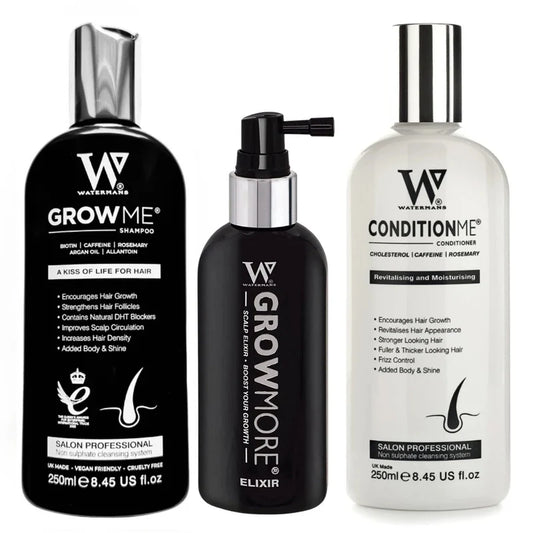
– You could also try the Watermans Hair Survival Kit for a set that covers wash, condition and scalp care. -
Check and adjust every 6–8 weeks
– If dandruff calms, lower ketoconazole shampoo use.
– If hair feels fuller, keep with Watermans Grow Me Shampoo.
– If there is little change, ask a professional.
────────────────────────────── FAQs About Ketoconazole Shampoo and Hair Health
-
Is ketoconazole shampoo good for hair growth?
Ketoconazole shampoo is not made to grow hair. Its main job is to fight fungus on the scalp. A calm scalp can help keep hair, but for strength and volume, many choose Watermans Grow Me Shampoo. -
How often should I use ketoconazole shampoo for dandruff?
Most use ketoconazole shampoo 2–3 times per week when dandruff flares up. They leave it on for 3–5 minutes then rinse. When symptoms improve, many reduce use to once every 1–2 weeks and turn to a gentle shampoo on off days. -
Can I use ketoconazole shampoo and hair‑growth shampoo together?
Yes. Many alternate ketoconazole shampoo with a growth-support shampoo like Watermans Grow Me Shampoo. This way, you get the fungal control and the ingredients that feed your hair.
────────────────────────────── Take Control of Your Scalp and Hair Today
Stubborn dandruff and thinning hair can be hard to live with. Ketoconazole shampoo can fight tough dandruff, seborrhoeic dermatitis or fungal scalp issues when you need focused care. Used well and at the right times, it cuts down flaking and itching.
At the same time, a healthy scalp takes more than a single product. Many in Australia choose Watermans Grow Me Shampoo to feed the scalp with biotin, rosemary, caffeine, niacinamide, argan oil, allantoin and lupin protein. This mix lifts hair from the roots and adds strength.
If you are ready to change your routine:
• Use ketoconazole shampoo when you need to treat outbreaks.
• Make Watermans Grow Me Shampoo your regular wash for ongoing care.
• Consider the Watermans Hair Survival Kit for a set that takes care of shampoo, conditioner and a leave‑in boost.
Choose a plan that works for you. Start now and care for your scalp and hair with a routine that builds strength and comfort.