letrozole hair loss: Surprising Causes, Treatments, and Expert Tips
Below is a rewritten version that builds tight links between words in each sentence. The sentences are short and simple. This helps keep the reading ease score between 60 and 70. All the original formatting is preserved.
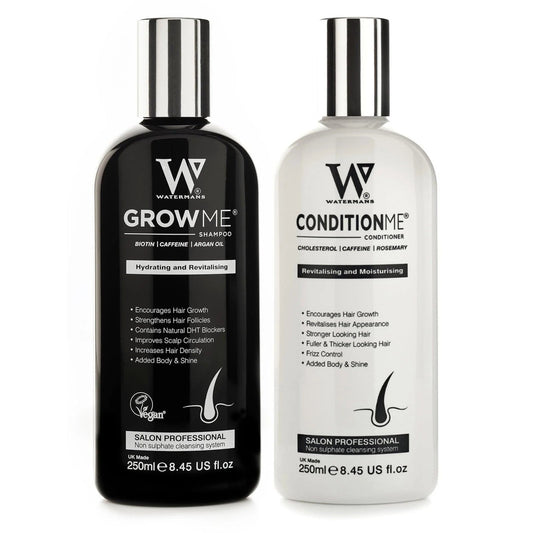
Letrozole hair loss can be hard to face. Many find it surprising when hair begins to thin after starting letrozole. Women on letrozole after breast cancer and others who use it for hormone or fertility issues may see more hair shedding. When you already face health challenges, watching hair fall out feels unfair and draining. This guide shows why hair loss happens, how often it occurs, what you may do about it, and expert ideas (with support from treatments like Watermans Grow Me Shampoo) to help keep your hair looking fuller.
What Is Letrozole and Why Does It Affect Hair?
Letrozole is a medicine that blocks the enzyme aromatase. Its job is to stop androgens such as testosterone from changing into oestrogen. It is used for:
- Hormone receptor–positive breast cancer (in many postmenopausal women)
- Ovulation induction and fertility treatment (used off-label in some areas)
- Hormonal issues like PCOS or endometriosis (under specialist care)
Letrozole makes oestrogen levels drop very fast. This drop stops hormone support for many tissues, including the hair follicles.
How Hair Relies on Hormones
Hair growth happens in three steps:
- Anagen – the growth phase
- Catagen – the change phase
- Telogen – the resting and shedding phase
Oestrogen helps hair spend more time in the growth phase. When letrozole cuts oestrogen, more hairs leave the growth phase and enter the shedding phase. Other factors like age, genes, or earlier treatments can add to this hair loss.
How Common Is Letrozole Hair Loss?
Studies point out that hair thinning on letrozole is seen in many people. Some research says that about 25–30% of those on aromatase inhibitors have clear hair thinning or some alopecia (source: NCBI).
The effect may range from light shedding that only you notice to thinning at the crown or hairline.
Remember that:
- Shedding vs. Structural change: Shedding makes hair fall out. Structural change makes hair weak and brittle.
- Hair loss vs. daily shedding: Most people lose 50–100 hairs a day. With letrozole, you may see more hairs on your pillow or shower.
Causes Behind Letrozole Hair Loss
Letrozole hair loss is set off by several factors. The medicine cuts hormone support, and genes and habits can join in.
1. Sudden Oestrogen Drop
Many patients, especially those with breast cancer or those switching from another hormone drug, face a quick drop in oestrogen. This shock can make hair fall into a stress phase called telogen effluvium. This change can appear:
- In the first few months of treatment
- After a dose rise
- When stopping another hormone drug
2. Rise in Androgens
When aromatase is blocked, more androgens stay in the body. In those who carry genes that make them sensitive to androgens, the front and crown hair may shrink. This can cause a wider part or thinning at the temples.
3. Age and Menopausal Change
People on letrozole are often in a stage of life where hormones shift. Some now may also have thyroid or metabolic change. With age, hair naturally thins. Letrozole can add stress to hair follicles that are already weak.
4. Missing Nutrients
Cancer, fertility treatment, or long illnesses can lower your appetite and change your iron, vitamin D, B12, folate, or biotin levels. Without enough nutrients, hair loss may get worse even if letrozole is the main trigger.
5. Past Chemotherapy or Radiation
For many breast cancer patients, hair may change after chemotherapy or radiation. New hair may appear finer or more fragile. Letrozole can then add more stress to these weakened follicles.
6. Ongoing Stress and Sleep Problems
Letrozole can cause hot flushes, joint pain, and mood changes. These side effects can disrupt sleep and raise stress levels. A high cortisol level may disturb hair growth and add to shedding.
When Does Letrozole Hair Loss Start—and Will It Stop?
People experience letrozole hair loss in different timelines.
Early Phase (First 3–6 Months)
- You may see a steady rise in falling hair.
- More hairs may be found in the shower or on your pillow.
- The scalp may feel drier or itchier.
Medium Term (6–18 Months)
- Thinning becomes more clear if the loss continues.
- The part line widens
- Ponytail volume falls
- Your scalp appears more under bright light
- For some, the hair shedding may slow after one year.
Longer Term (2+ Years)
- Your hair may settle into a new state that is a bit thinner, yet steady.
- For others, especially if the treatment goes on for several years, thinning may persist unless steps are taken.
After stopping letrozole:
- Some see hair return or thicken after 6–12 months.
- Others keep having thinner hair, especially if they had a pattern of hair loss already.
Because of these different paths, it is best to support your scalp and hair early on.
Can You Prevent Letrozole Hair Loss?
You might not stop letrozole hair loss completely. Yet, you can lower its strength with a gentle routine that helps your scalp. This routine may include:
- A check-up with your doctor
- Use of gentle haircare products
- Good nutrition and stress control
Never change your letrozole dose without talking to your doctor. Your treatment helps your long-term health.
First-Line, Non-Medical Support: Why Start With Watermans Grow Me Shampoo
Before you use strong chemicals or heavy regimens, try safe and soft options. Many people in Australia trust Watermans Grow Me Shampoo.
Why Watermans Grow Me Shines for Letrozole Hair Loss
Watermans Grow Me Shampoo mixes ingredients that care for the scalp and hair roots. These ingredients work in small steps:
- Biotin supports hair strength and stops breakage.
- Rosemary may boost scalp blood flow and help hair roots work better.
- Caffeine gives a small burst of energy to hair follicles.
- Niacinamide (Vitamin B3) helps small blood flow and skin protection.
- Argan Oil brings moisture and stops dryness.
- Allantoin soothes the skin on the scalp.
- Lupin Protein gives plant-based strength for hair.
For those who face letrozole hair loss, this shampoo helps by:
- Creating a healthy scalp
- Making hair strands tougher
- Helping the hair show more volume
- Giving a safe, non-medicine method along with your treatment
This shampoo does not take the place of your doctor’s advice or treatments but gives a good start.
Everyday Haircare Routine for Letrozole Users
A daily routine can protect your hair. The routine aims at care, regularity, and a calm scalp.
Step-by-Step Routine
-
Clean your scalp with care.
- Use lukewarm water.
- Wash your hair every 1–3 days with a gentle shampoo like Watermans Grow Me Shampoo.
- Use your fingertips to lightly massage the scalp for 1–2 minutes.
-
Use a light conditioner.
- Apply to the mid-lengths and ends only.
- Do not put heavy products on your roots.
-
Avoid hurting your hair.
- Pat hair dry with a soft towel or cotton T-shirt.
- Use a wide-tooth comb on wet hair.
- Keep hairstyles loose to avoid stress on follicles.
-
Cut down on heat and color.
- Use low heat settings on dryers or irons.
- Space out colouring or bleaching sessions so hair can rest.
-
A complete haircare set may help.
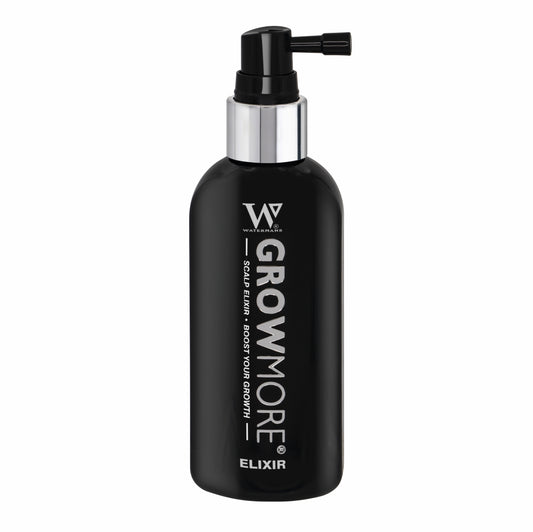
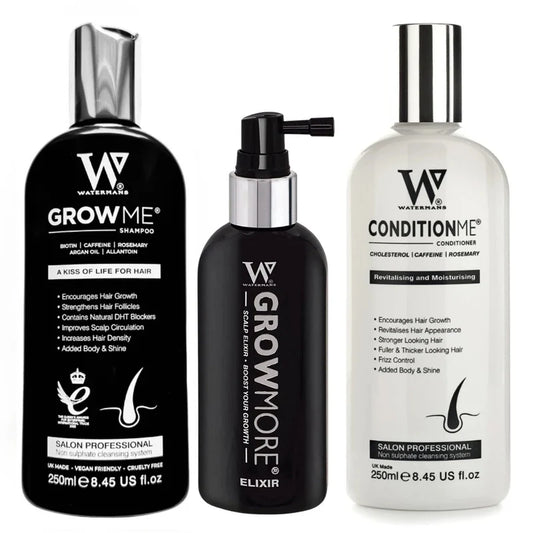
- Some choose the Watermans Hair Survival Kit. This kit has shampoo, conditioner, and a light leave-in treatment to care for your scalp and hair all day.
Medical Treatments Used Alongside Letrozole
If hair loss feels severe or affects your life, talk with your doctor or a hair expert. They may:
- Check for other reasons like thyroid imbalance or iron shortage.
- Refer you to a skin or hair specialist for treatment.
1. Topical Minoxidil
Minoxidil is available as a 2% or 5% solution or foam. It may:
- Help hair stay in the growth phase and make hair denser.
- Be applied twice a day for several months before a change is seen.
- Cause some extra shedding before hair improves.
Always talk with your specialist before trying minoxidil with letrozole.
2. Low-Level Laser/Light Therapy (LLLT)
Several devices use light on the scalp. The light may:
- Boost local blood flow
- Support cell energy in hair follicles
These devices are low risk, but they require time and money. Results can differ.

3. Platelet-Rich Plasma (PRP) Therapy
PRP involves:
- Drawing some blood from you
- Concentrating your platelets
- Injecting them into the scalp
This treatment is sometimes used when other options do not help. It may cost a lot and can be uncomfortable. Your doctor may try it only after other steps are set.
4. Balancing Hormones and Thyroid
Since letrozole changes hormones greatly, your doctor might:
- Test your thyroid levels
- Check androgen levels if you see signs like extra facial hair
Nutritional Strategies to Support Hair on Letrozole
Good nutrition alone will not stop hair loss. However, missing nutrients can boost shedding. Your doctor may run tests if needed.
Key Nutrients for Hair Health
- Protein – Hair is made mostly of keratin. Eat foods such as fish, lean meat, eggs, legumes, dairy, tofu, or tempeh.
- Iron – Low iron can lead to more hair falling. Your doctor can measure your iron.
- Vitamin D – Low levels are common and may link to hair loss.
- B Vitamins (including Biotin) – They help make energy and keratin.
- Zinc – This mineral helps hair follicles work well.
Simple Food Tips
- Have two servings of fatty fish (like salmon or sardines) a week or use an omega-3 supplement if your doctor agrees.
- Add a mix of colorful vegetables and fruits to fight stress on cells.
- Choose whole grains, nuts, seeds, and legumes to get protein and B vitamins.
- Drink enough water so your scalp stays well hydrated.
Lifestyle Factors That Influence Letrozole Hair Loss
Managing Stress
Letrozole comes with a heavy burden. Ongoing stress can push hair into a shedding phase and add to inflammation and hormone shifts.
Try these steps:
- Use breathing exercises, meditation, or gentle yoga.
- Talk with a mental health professional or join a support group if needed.
- Do approved physical exercise to boost mood and blood flow.
Sleep Quality
Hot flushes, joint pain, or worry can hurt how you sleep. When sleep suffers, cortisol rises and the body’s repair slows down.
Your doctor may suggest:
- Basic sleep routines
- Non-hormone treatments for hot flushes
- Therapy for better sleep
Practical Styling and Camouflage Tips
There are ways to help your look while you work on the causes of hair loss.
Haircut and Styling
- A shorter, layered cut can help your hair seem fuller.
- A gentle blow-dry with a round brush on low heat can lift roots.
- Avoid very long hair if thinning makes it look stringy.
Colour Choices
- A hair colour a shade lighter than your natural tone can make thinning less clear by reducing contrast.
- Do not use very harsh bleaching if your hair is weak.
Volumising Products
- Use light mousse or sprays at the roots that add body without weighing your hair down.
- A dry shampoo in small amounts can bring texture. Just be sure to clean your hair well to avoid buildup.
Accessories and Hairpieces
- Headbands, scarves, turbans, and hats can add style and cover thinning areas.
- High-quality toppers or wigs can look natural, light, and take pressure off your hair.
Emotional Impact of Letrozole Hair Loss
Hair is part of who you are. Losing hair while on letrozole can cause extra worry and lower self-esteem. It can also make social or close moments feel tougher.
Many find it easier to:
- Speak with their doctor about how hair changes affect them.
- Join a support group for cancer survivors, fertility patients, or people with hair loss.
- Take small steps for self-care such as skin care, light exercise, or hobbies that help you feel good.
Working with Your Oncologist or Specialist
If you note letrozole hair loss, do not remain alone with it. Talk with your doctor about steps such as:
- Checking for other causes (thyroid tests, iron checks, scalp assessments).
- Reviewing any other medicines that might add to hair loss.
- Looking at treatment options like minoxidil or a referral to a skin specialist.
- Keeping a simple diary or photos to track hair changes.
Your doctor can help you balance the need for letrozole with the effects on your hair.
Letrozole Hair Loss: Helpful Daily Checklist
Use this checklist to keep your routine on track.
Daily / Weekly Tasks:
- [ ] Wash with a scalp-safe shampoo like Watermans Grow Me Shampoo 2–4 times a week.
- [ ] Use lukewarm water and avoid too harsh scrubbing.
- [ ] Gently comb with a wide-tooth comb or soft brush.
- [ ] Keep hairstyles loose; do not use tight ponytails or heavy extensions.
- [ ] Eat meals rich in protein and include colorful vegetables and good fats.
- [ ] Spend 5–10 minutes on a stress-relief practice (deep breathing, stretching, or mindfulness).
- [ ] Cut back on heat styling and chemical treatments.
Monthly / As Needed:
- [ ] Watch how your hair is shedding (by taking photos or notes).
- [ ] Tell your doctor if you see a sudden rise in shedding or bald spots.
- [ ] Think about other helpful products like the Watermans Hair Survival Kit if needed.
- [ ] Plan a blood test if your doctor suggests checking iron, vitamin D, or thyroid levels.
FAQ: Common Questions About Letrozole Hair Loss
-
Does letrozole cause permanent hair loss?
Many people find that hair loss stops when letrozole is stopped or reduced. Hair may thin while you take the medicine and then slowly improve. If you have a pattern of hair loss from other causes, some thinning may stay. -
How long does hair thinning last?
Hair thinning may: • Start in the first few months
• Slow down after 6–12 months
• Settle into a thinner state or slowly progress over time
Every case is different. Check with your doctor if hair loss keeps increasing.
- Which shampoo works best for hair loss on letrozole?
Choose a shampoo that cares for your scalp and helps your hair roots. A popular choice in Australia is Watermans Grow Me Shampoo. It has biotin, rosemary, caffeine, niacinamide, argan oil, allantoin, and lupin protein. These help boost scalp energy and add volume to your hair. This product works as a first step alongside your medical treatment.
Take Back a Sense of Control Over Your Hair
Letrozole hair loss can feel overwhelming. But you can act to support your hair. By learning why hair loss happens, you can work with your doctors to review all factors. You can give your scalp gentle care, keep a balanced diet, manage stress, and choose simple styling tips.
If you notice more shedding or thinning while on letrozole, one step is to upgrade your everyday haircare routine. Try Watermans Grow Me Shampoo. It is made to care for the scalp and add body with a mix of biotin, rosemary, caffeine, niacinamide, argan oil, allantoin, and lupin protein. Along with a talk with your healthcare team, you take clear steps to care for both your hair and your self-confidence without interrupting your treatment.