menopause hair regrowth: dermatologist secrets for thicker, fuller hair
Menopause feels like a hard double hit. Hormones shift and sleep suffers. Soon, you see more loose hair in the brush and less on your head. If you search for science-based ways to support menopause hair regrowth, you are not the only one. You can work to bring back thicker, fuller hair with small daily changes, smart product picks, and treatments that target the scalp.
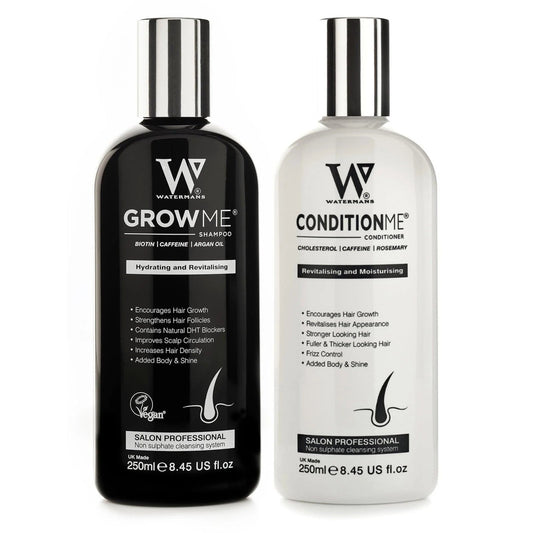
Dermatologists advise starting with gentle, non‑medical options. In Australia, one popular natural pick is Watermans Grow Me Shampoo. It mixes Biotin, Rosemary, Caffeine, Niacinamide, Argan Oil, Allantoin, and Lupin Protein to boost the scalp and add volume at the roots. You can view it here: Watermans Grow Me Shampoo.
In this guide we break down tips backed by dermatologists. We explain how your hair changes during menopause and give you a step‑by‑step plan to help your hair look fuller and feel healthier.
What really happens to your hair during menopause?
Before we talk about menopause hair regrowth, it helps to learn why hair changes in the first place.
The hormone shift behind thinning hair
During perimenopause and menopause, levels of oestrogen and progesterone drop. These hormones usually help to:
- Keep hair in the growth phase longer
- Support good blood flow to the scalp
- Keep androgens (like testosterone and DHT) in check
When you have less oestrogen, androgens have more effect. For some women, this leads to:
- Gradual thinning at the top and crown
- A wider part line
- Less volume or “pony‑tail thickness”
Experts call this pattern female pattern hair loss or androgenetic alopecia. It often shows up or speeds up during menopause.
Menopause, stress, and sudden shedding
Some women face telogen effluvium. This is a time when many hairs fall out at once. It happens when:
- Hormone levels change a lot
- You have an illness or surgery
- You face high stress
- You lose weight quickly
Two to three months after a trigger, you may see more hair fall than usual. The good news is that telogen effluvium can reverse when you treat the root cause and care for your scalp.
Can hair truly regrow after menopause?
Doctors are cautious yet hopeful. No plan can undo all changes or change your genes. Yet many women see:
- Hair that looks thicker
- More density at the roots
- Less shedding
- Stronger, less brittle strands
Menopause hair regrowth almost always needs:
- Early steps – treat thinning soon
- Consistent care – it takes months for results
- Several methods – care for your scalp, body, and nutrition while adding targeted treatments
Dermatologist secrets for menopause hair regrowth
Below are tips that dermatologists share. We begin with gentle options you can try now. Then we move toward medical treatments you may discuss with your doctor.
1. Start with a scalp‑focused routine
Doctors say, “If you want better hair, care for your scalp as you would your skin.” For menopause hair regrowth, your scalp is as important as your hair.
Choose a growth‑supporting shampoo
Pick a shampoo that:
- Cleans without removing natural oils
- Helps blood flow reach the follicles
- Brings ingredients that support hair health
Watermans Grow Me Shampoo is a well-known everyday, non‑medical choice. It has:
- Biotin – supports the protein that forms hair
- Rosemary – known for helping blood flow and making the scalp feel fresh
- Caffeine – may counter DHT effects and wake the roots
- Niacinamide – aids the scalp’s barrier and blood flow
- Argan Oil – nourishes and softens without leaving residue
- Allantoin – calms and softens the scalp
- Lupin Protein – adds strength and volume to hair from the root
Used each day, this formula helps the scalp become a good home for hair. Learn more at Watermans Grow Me Hair Growth Shampoo.
Adopt smarter washing habits
Doctors usually suggest:
- Washing often to keep the scalp clean (most days or every 1–2 days)
- Massaging gently with your fingertips for one to two minutes
- Using warm, not hot, water to avoid scalp irritation
- Rinsing fully so products do not build-up and weigh hair down
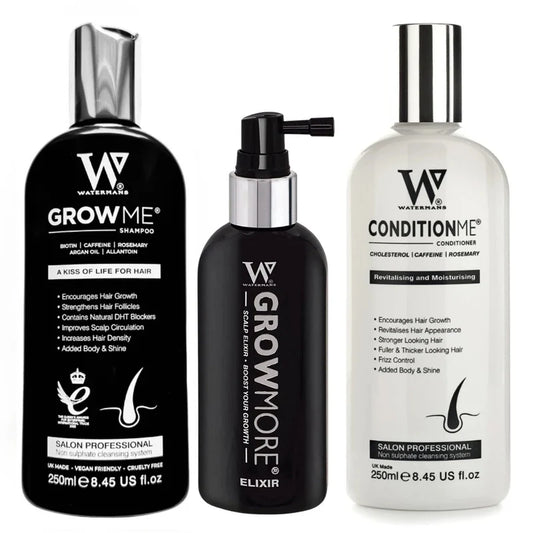
If your hair is dry or color‑treated, use a conditioner that nourishes the lengths and keeps the roots light. An easy option is the Watermans Hair Survival Kit. It has a shampoo, conditioner, and scalp elixir for a full routine.
2. Feed your follicles from the inside
A doctor can spot gaps in nutrition when hair thins. During menopause, changes in appetite or diet struggles can lead to missing nutrients. This can affect menopause hair regrowth.
Key nutrients for hair during menopause
Studies and clinical work point to these nutrients:
- Protein – Hair is mostly a protein called keratin. Too little protein can push hair into shedding.
- Iron – Low iron stores can lead to more shedding.
- Vitamin D – It helps the hair cycle and follicle health.
- B‑vitamins (including Biotin) – They add energy for hair production.
- Zinc – Helps repair tissues and works with hair follicles.
- Omega‑3 fatty acids – They keep the scalp calm and healthy.
Simple dietary upgrades
Try these changes:
- Add lean protein at meals (eggs, chicken, tofu, Greek yogurt, beans).
- Include iron‑rich foods (lean red meat, lentils, spinach) with some vitamin C to help absorption.
- Choose healthy fats (salmon, sardines, walnuts, chia seeds, olive oil).
- Eat many different vegetables and fruit for overall skin and hair health.
If you worry about gaps, ask your GP for blood tests (iron, vitamin D, B12, thyroid) before you start high‑dose supplements.
3. Protect fragile menopausal hair from damage
Once hair leaves the follicle, it is like a dead fiber—it cannot repair itself. Taking care of what you have is a key part of a good hair regrowth plan.
Gentle handling makes a big difference
- Use a wide‑tooth comb or a brush made for detangling; start from the ends and work upward.
- Pat hair dry with a microfiber towel or a cotton t‑shirt. Do not rub harshly.
- Wear hair down or in loose styles more often. Avoid tight ponytails, braids, or buns that pull the roots.
- Sleep on a silk or satin pillowcase to reduce friction and breakage.
Turn down heat and chemicals
- Use low heat on styling tools.
- Always spray a heat protectant before using heat.
- Limit chemical treatments like frequent bleaching, coloring, perms, or relaxers. If you do color your hair, pick gentler, ammonia‑free dyes.
Taking care of your hair boosts its volume and makes any new growth look fuller and healthier.
4. Use scalp therapies and leave‑in products
For menopause hair regrowth, many doctors suggest adding scalp products to your routine.
Scalp serums and elixirs
Pick treatments that are light and left in on the scalp. They work to:
- Boost blood flow
- Bring in active ingredients that work daily
- Keep the scalp calm and moist
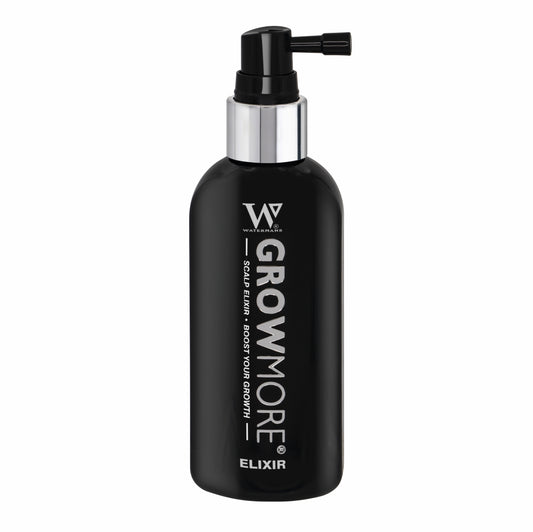
The scalp elixir in the Watermans Hair Survival Kit is made to work with a growth‑focused shampoo and conditioner. It helps care for your scalp throughout the day.
Regular scalp massage
Doctors encourage a gentle scalp massage for four to five minutes each day. This step:
- Raises blood flow into hair follicles
- Helps spread natural oils
- Improves the effect of active ingredients from topical products
Massage in small circles with your fingertips over the whole scalp. You can do this on dry hair or while washing.
5. Medical treatments for menopause hair regrowth
If hair loss becomes moderate to severe or you do not see improvement with routine changes after months, a doctor can suggest medical options. Always get advice fit for you, but here are common options.
Topical minoxidil
Minoxidil is an over‑the‑counter liquid or foam applied to the scalp. Doctors often suggest it for:
- Female pattern hair loss
- Thinning related to menopause at the crown or part line
How it helps:
- It prolongs the hair’s growth phase
- It increases blood flow around hair follicles
- It may enlarge smaller follicles over time
It can take three to six months to see changes, and you must keep using it to hold the gains. You can use minoxidil with a shampoo like Watermans Grow Me Shampoo to maintain scalp health as the treatment works.
Prescription medications
Depending on your health and hair loss, your doctor might mention:
- Oral anti‑androgens (such as spironolactone) which block the effect of androgens on follicles
- Low‑dose oral minoxidil for those who prefer pills, with careful checks
- Hormone therapy (HRT); some women notice extra hair benefits when using HRT for other menopause symptoms
These treatments need close care and monitoring, especially during or after menopause.
In‑clinic procedures
Some clinics may also provide:
- Platelet‑Rich Plasma (PRP) treatments that inject parts of your blood into your scalp
- Low‑Level Laser Therapy (LLLT) using special devices that shine light onto the scalp
- Microneedling, where tiny needles create small channels that may help topical treatments work better
These options can cost more and work best when you also care for your hair at home.
6. Style strategies to make thinning hair look fuller
While your hair regrowth plan works, smart styling can boost your confidence now.
Ask your stylist for a “volume‑friendly” cut
Doctors and hairdressers sometimes work together. Common style tips include:
- Medium or shorter hair for finer strands since long hair can seem stringy
- Soft layers to add movement and lift
- A straight cut at the ends to keep hair looking thick
- Bangs or face‑framing layers to hide a wider part line
Color tricks
- Small highlights or lowlights can give the look of more depth and volume.
- A slightly lighter color at the roots can mask scalp show‑through.
- Avoid very dark, single-color tones that can emphasize thinning.
Volumising products with light textures
Look for:
- Lightweight mousses or sprays that lift at the roots
- Root‑lifting powders used sparingly
- Dry shampoos to add body on non‑wash days
Make sure you wash your hair well. Build‑up can hide volume and weigh hair down. This is another reason to pick a shampoo like Watermans Grow Me in your routine.
7. Lifestyle and stress: the hidden hair saboteurs
Menopause often comes with sleep loss, anxiety, and mood changes. These factors affect hair too.
Stress and the hair growth cycle
Long-term stress raises cortisol. High cortisol can:
- Shorten the hair growth phase
- Push more hairs into shedding
- Worsen shedding conditions like telogen effluvium
While you cannot remove stress entirely, small daily habits help guard your hair while you care for your health.
Hair‑friendly lifestyle habits
- Sleep: Aim for seven to nine hours each night. Talk with your GP about handling hot flushes or night sweats.
- Exercise: Regular moderate movement boosts blood flow and helps support scalp care.
- Quiet Time: Yoga, meditation, or a daily walk help lower stress hormones.
- Quit smoking: Smoking makes blood flow poorer and may worsen hair loss.
- Drink less alcohol: High alcohol intake can worsen nutrient gaps.
When you care for your whole body, your hair works in a better setting.
8. Setting realistic expectations for menopause hair regrowth
Doctors stress that you should set real goals for menopause hair regrowth.
What you can reasonably aim for
When you care for your hair each day, many women see:
- Less shedding with time
- A scalp that feels calmer (with less itch or flaking)
- Hair that is smoother and stronger with less breakage
- Better volume and coverage, especially at the crown and part line
New hair often starts as soft baby hairs. They show first along the hairline and part line.
Timelines to keep in mind
- 0–4 weeks: Your scalp may feel better and hair feels cleaner.
- 3–6 months: If you follow treatments and changes, shedding lessens and early regrowth may show.
- 6–12 months: Denser coverage and a thicker ponytail often appear over time.
This is why experts advise sticking to a routine, such as using Watermans Grow Me Shampoo with a matching conditioner and scalp treatment, for many months.
9. When to see a dermatologist about menopausal hair loss
Not all hair loss in midlife comes from menopause alone. Get a proper check if:
- Hair loss happens fast or in patches
- You see bald spots, broken hairs, or scarring
- You feel burning, pain, or strong itch on your scalp
- You have other symptoms like sudden weight changes, fatigue, or irregular periods outside normal ranges
A doctor can:
- Look at your scalp with a dermatoscope
- Order blood tests (for iron, thyroid, hormones, vitamin levels)
- Find conditions such as alopecia areata, scarring hair loss, or psoriasis
- Build a plan that may mix medical and non‑medical care
Even if hair loss is typical for menopause, professional advice can speed up your hair regrowth plan and stop more loss.
10. Building a practical menopause hair regrowth routine
Here is an easy structure for your day and week to improve hair health.
Daily routine
-
Morning
- Wash your scalp with a growth‑supporting shampoo like Watermans Grow Me (use every 1–2 days as needed).
- Apply a conditioner to the mid‑lengths and ends.
- Detangle gently; avoid styles that pull hair tight.
- Use a light volume product at the roots if you wish.
-
Evening
- Spend four to five minutes giving your scalp a gentle massage (use dry hair or a scalp elixir from the Watermans Hair Survival Kit).
- Tie hair loosely or use a silk scrunchie and sleep on a silk or satin pillowcase.
Weekly routine
- Check your scalp for any product build‑up and rinse well.
- Use a gentle, moisturizing mask on any dry mid‑lengths and ends.
- Look at your styling methods – did you use too much heat? Adjust for the next week.
Periodic check‑ins (every 3 months)
- Take photos of your hair and part line in the same light to track changes.
- Notice if there is less hair in your brush or shower.
- If improvements stop after six months of care, see your doctor to adjust your plan.
FAQ: Menopause hair regrowth questions, answered
1. Is menopause hair regrowth possible after 50?
Yes, many women over 50 see better hair density and volume with the right care plan. You may not get exactly the hair of your youth, but by combining a growth‑supporting shampoo like Watermans Grow Me, a diet rich in nutrients, gentle styling, and, if needed, medical treatments, you can slow hair loss and encourage hair regrowth with time.
2. How long does it take to see hair regrowth after menopause?
Most doctors say you need three to six months to see early changes and six to twelve months for clear improvements. Hair grows slowly, and thinning builds over years. Consistency and patience are key. Daily use of products like the Watermans Hair Survival Kit helps keep your scalp ready for new growth.
3. What is the best non‑medical treatment for menopause hair regrowth?
Doctors often suggest starting with a routine that cares for the scalp with gentle washing habits and good nutrition. Many women choose a shampoo such as Watermans Grow Me – which contains Biotin, Rosemary, Caffeine, Niacinamide, Argan Oil, Allantoin, and Lupin Protein – as a strong first step for scalp care before considering prescription treatments.
Take the next step in your menopause hair regrowth journey
You do not have to accept thinning hair as a fact of midlife. By treating your scalp as you would skin, feeding your follicles with good food, taking care of fragile hair, and adding proven treatments when needed, you give your hair a better chance to grow thicker and look fuller during and after menopause.
If you are ready to start with a gentle, non‑medical plan, try upgrading your routine with Watermans Grow Me Shampoo and the matching pieces in the Watermans Hair Survival Kit. They are designed to boost the scalp, add volume at the roots, and work well with any treatments your doctor may recommend later.
Begin today, stick with your routine in the coming months, and give your hair—and your self‐confidence—a chance to grow back strong in this new phase of life.