micronized progesterone: Natural Relief for Sleep, Mood, and Hormone Balance
Micronized progesterone stands as one option for women who seek a natural way to balance hormones, support sleep, and ease mood swings without using synthetic drugs. Women in perimenopause, post‑menopause, or who face PMS and PMDD now test if micronized progesterone gives gentler, body‑matched support. This guide explains what it is, how it works, its benefits and risks, and how it compares with other choices in Australia.
You also learn that keeping hormones balanced ties in with daily habits. Stress, sleep, food, and scalp care all link closely. If hormones affect your hair and cause thinning, a natural shampoo like Watermans Grow Me Shampoo starts the care before medical steps.
What Is Micronized Progesterone?
Micronized progesterone is bioidentical progesterone. It is ground into very small particles. This small size helps the body absorb it when taken by mouth.
• Bioidentical means its structure exactly matches the progesterone your ovaries make.
• Micronized means the particles are tiny so they move fast through the gut into the blood.
In many lands, doctors use micronized progesterone with:
• Menopausal hormone therapy alongside oestrogen
• Care for women with perimenopause symptoms (used off label in some regions)
• Support in certain fertility and luteal phase plans
• Help for PMS/PMDD, anxiety, and sleep issues tied to progesterone shifts
It is usually given as a tablet, though vaginal forms do exist for fertility cases. Brand names differ; the ingredient remains simply micronized progesterone.
Why Progesterone Matters for Women’s Health
Progesterone often sits in the shadow of oestrogen. Yet it works in many parts of the body.
Progesterone helps by connecting with these parts:
• It steadies the menstrual cycle and guides the luteal phase.
• It gets the uterus ready and holds its lining for pregnancy.
• It tempers oestrogen’s effects on breast and uterine tissue.
• It links with the brain to support sleep, mood, and ease anxiety.
• It plays a part in bone work, heart function, and water balance.
When progesterone falls or swings, as in perimenopause, after childbirth, or during menstrual troubles, women may feel:
• Anxiety or sudden bursts of tears
• Sleep that breaks or is shallow
• Heightened PMS signs
• Tender breasts, bloating, or heavy periods
Micronized progesterone aims to add to or replace the body’s own hormone with a match that the body likes better than some synthetic forms.
How Micronized Progesterone Works in the Body
Micronized progesterone connects with the same receptors as your natural hormone. Its work stands out in the brain, especially when it meets the GABA system.
When you take micronized progesterone, your liver alters some of it into a form called allopregnanolone. This compound links with GABA‑A receptors in your brain. GABA works like a brake for overactive nerves.
This link helps the body:
• Find calm and ease anxiety
• Sleep deeper and more soundly
• Ease tension, irritability, and mood swings
Many women feel that taking their night dose of micronized progesterone brings calm, especially in perimenopause when hormone shifts run high.
Micronized Progesterone for Sleep: Why It Helps So Many Women
Sleep in Perimenopause and Menopause
As oestrogen and progesterone shift, sleep can break:
• Falling asleep gets hard.
• Mornings come too soon.
• Hot flushes or night sweats disturb rest.
• The mind races at bedtime.
Micronized progesterone can work by:
• Giving a calming effect like GABA thanks to allopregnanolone.
• Acting as a mild sleep aid when taken at night.
• Possibly easing hot flushes when paired with oestrogen.
Studies show that tablets of micronized progesterone may improve sleep quality and increase deep sleep in postmenopausal women.
Typical Sleep‑Support Use
Doctors usually suggest micronized progesterone:
• Taken at bedtime because of its sleep‑aiding effect.
• In doses from 100–300 mg, depending on whether it forms part of hormone therapy or stands alone.
• Sometimes used cyclically (for example, 14 days on, 14 days off) in perimenopause, or nightly in postmenopause with oestrogen.
Since the medication may cause sleepiness, driving or using machinery soon after use is not advised.
Mood Support: Can Micronized Progesterone Ease Anxiety and Low Mood?
Hormonal shifts change brain chemicals like serotonin, dopamine, and GABA. When progesterone falls, for instance in the late luteal phase or during perimenopause, some women may feel:
• A sense of anxiety even when tired
• Intrusive or overwhelming thoughts
• Crying more easily and extra sensitivity
How It May Help Mood
Allopregnanolone, made from micronized progesterone, links with GABA receptors. This link may help by:
• Easing physical signs of anxiety, especially at night.
• Bringing a sense of calm and steadiness.
• Softening mood swings tied to PMS or perimenopause.
Not every woman feels better; some report feeling flat, especially when given synthetic versions rather than body‑matched forms. This difference is why many prefer micronized progesterone over older synthetic options.
Micronized Progesterone vs Synthetic Progestins
Synthetic progestins (for example, medroxyprogesterone acetate or norethisterone) do not match human progesterone in structure. Many women share that:
• They feel more PMS symptoms, breast tenderness, or low mood with synthetic types.
• Their mood feels better with micronized progesterone, though every body stands apart.
Women with mood concerns like PMDD sometimes add micronized progesterone into their treatment, keeping in mind that antidepressants, talk therapy, and lifestyle fixes remain key supports.
Hormone Balance and Menopausal Hormone Therapy
Why Progesterone Joins with Oestrogen
Women with a uterus need both oestrogen and progesterone. Progesterone helps by:
• Protecting the lining of the uterus from growing too much.
• Cutting the risk that the lining becomes too thick or turns cancerous.
Clinicians often choose micronized progesterone in hormone therapy because it is a body match, often fits better with the body, and may bring a friendlier profile to the breast and heart compared with older synthetic forms.
Continuous vs Cyclic Use
In hormone therapy, micronized progesterone may be given:
• Every night (common in postmenopausal cases).
• Only during part of the month (such as days 14–28) to mimic a normal cycle, which may bring a light bleed.
Doctors pick each path based on whether you are still cycling, in early perimenopause, or fully postmenopausal.
Micronized Progesterone for Perimenopause Symptoms
Perimenopause can start many years before the final period. Many women face:
• Irregular cycles and heavy bleeding.
• Stronger PMS or PMDD signs.
• Tender breasts and bloating.
• Night sweats, anxious feelings, and disturbed sleep.
Some use micronized progesterone in these ways:
• Only in the luteal phase (the second half of a cycle) to help mood and sleep.
• Every day or in cycles when periods fall out of sync.
• Along with low‑dose oestrogen as symptoms grow.
Though large studies stay few, many clinicians see that careful use of micronized progesterone helps with:
• Night‑time anxiety
• Starting and staying asleep
• A sense of edge or irritability near the period
Micronized Progesterone and Hair Loss: Indirect Links and Daily Help
Hormone shifts—especially in perimenopause, menopause, after childbirth, or when stopping the pill—can spark or worsen hair loss. Progesterone meets with oestrogen, male hormones, the thyroid, and stress signals.
Micronized progesterone does not act as a direct hair-growth pill. Yet when hormones balance better, many note that hair shedding slows.
Start With Topical, Gentle Care
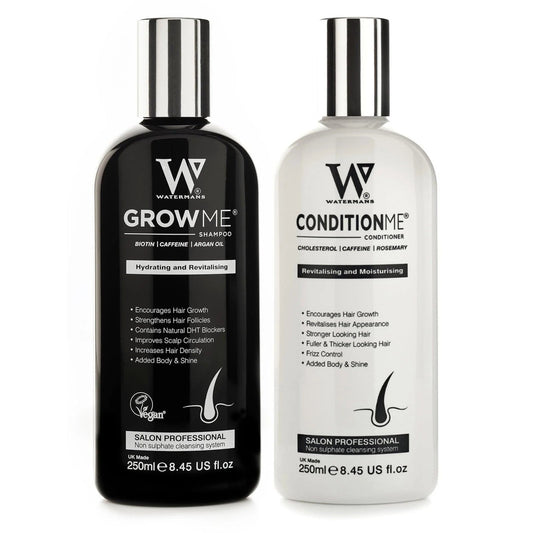
Before you try internal or medical hair-loss fixes, start with actions that care for your scalp and hair follicles. A simple choice is Watermans Grow Me Shampoo. This shampoo, made for natural use, works to support hair growth and slow loss.
This shampoo brings together ingredients that:
• Give strength through biotin
• Support blood flow with rosemary
• Offer a boost with caffeine against male hormone effects
• Help the scalp with niacinamide
• Soften with argan oil
• Calm with allantoin
• Support thickness with lupin protein
Used each time you wash, it wakes your scalp and supports fuller hair right from the roots.
For a full routine, the Watermans Hair Survival Kit comes as a set. It bundles shampoo, conditioner, and a leave‑in scalp oil to keep follicles strong all day.
Safety Profile: Is Micronized Progesterone Safer Than Synthetic Progestins?
In hormone therapy, many compare micronized progesterone with:
• No hormones
• Oestrogen alone
• Oestrogen plus synthetic progestins
Current work shows that, if you fit the right profile and take the suggested dose:
• It guards the uterine lining well when used in the right dose.
• Some work shows that when paired with oestrogen, micronized progesterone brings a lower risk for breast issues than when combined with some synthetic types. Keep in mind that any hormone use needs a personal check.
• When oestrogen comes through the skin with micronized progesterone, the mix may keep blood clots lower than some oral oestrogens with synthetic progestins.
No hormone plan is without risk. Points to check include:
• Your own and family history of breast issues
• Past blood clots, strokes, or heart problems
• Liver health
• Unexplained vaginal bleeding
• Known sensitivity to hormones
A careful check with a GP or a menopause expert is needed before you start micronized progesterone or any hormone plan.
Side Effects and Who Should Use Caution
Common Side Effects
Not every woman takes micronized progesterone in the same way. Some may have:
• Sleepiness, dizziness, or a drag the next morning
• Breast tenderness or bloating
• Headaches or a touch of low mood in a few cases
• Spotting or cycle changes, especially in early use
You may ease these steps by:
• Taking the tablet just before bed
• Changing the dose slightly
• Switching between cyclic use and steady daily use
• Checking that the oestrogen amount fits as well
When You Need Extra Caution
It is best to ask for care if you have:
• A history of cancer that feels sensitive to hormones
• A serious liver issue
• A past of blood clot problems (like DVT or pulmonary embolism)
• Vaginal bleeding that does not have a clear cause
• A known allergy to progesterone or its capsule parts
Do not start or change hormone plans without a doctor’s advice. This is more needed if you take other medicines that affect the liver or cause sleepiness.
Micronized Progesterone vs Other Ways to Ease Symptoms
Women compare micronized progesterone with several choices:
1. Synthetic Progestins
• These have been used in older hormone plans and contraceptives.
• They work to control bleeding and protect the uterus.
• Some women feel more PMS signs, breast pain, or low mood with these forms.
• Their structure does not match human progesterone.
Many choose micronized progesterone for its body match and a friendlier feel for the mood and body.
2. Non‑Hormonal Sleep Aids
• These include some sleep medications and antidepressants.
• They can aid sleep but do not fix a hormone imbalance.
• They may bring a risk of dependence or grogginess afterward.
Micronized progesterone is often picked when hormone swings clearly lead to sleep and mood changes.
3. Lifestyle and Other Daily Steps
Even if you use micronized progesterone, small daily actions matter:
• Keeping sleep consistent by setting a routine
• Managing stress through calm activities
• Regular exercise to support mood, bones, and body health
• Cutting down alcohol or caffeine in the late day
• Eating enough protein, healthy fats, and key vitamins
For hair health, a routine to care for your scalp with a product like Watermans Grow Me Shampoo adds a natural layer of care without strong side effects.
How Micronized Progesterone Is Usually Taken
Forms
Common forms include:
• Oral tablets, which you take at night
• Vaginal options (used sometimes off label) in fertility care or if oral use causes issues
Typical Doses
The dose plans vary. Some general paths are:
• 100 mg taken at bedtime every night, common in hormone therapy with transdermal oestrogen
• 200 mg taken at bedtime for 12–14 days each month for cyclic treatment or perimenopausal use
• Higher doses (around 300 mg) sometimes for short use or targeted sleep support—this is always with a doctor’s guidance
Because micronized progesterone makes you drowsy, it is rarely used during the day unless the vaginal form is suggested by a specialist.
Tips for Women Who Consider Micronized Progesterone
If you want to try micronized progesterone to improve sleep, mood, or hormone balance, follow these steps:
-
Keep a diary of your signs. Write down when you sleep, wake, your mood, your cycle days, and any physical signs like hot flushes or breast pain. A record for 1–2 months helps your doctor see patterns.
-
Ask for a full hormone and health check. Talk with your GP or a specialist about whether you are in perimenopause or menopause, any risks you have, which hormone mix suits you, and if your other medications need to be considered.
-
Build a routine that works while you review hormone therapy. Continue sleep and stress practices, watch your diet, and add a hair‑care routine for thinning or shedding. Here, Watermans Grow Me Shampoo fits as a simple, natural first step.
-
Give your plan time to work. Allow 1–3 months before you judge if it helps sleep or mood. Use your diary to check changes and talk to your doctor to adjust the dose or plan if needed.
Pros and Cons of Micronized Progesterone
Potential rewards include:
• A body‑matched, bioidentical hormone.
• Better sleep and lower night‑time anxiety.
• A mix that helps balance oestrogen and protects the uterus in hormone therapy.
• A way that feels more in step with the body than some synthetic forms.
• A tool that may ease PMS, mood swings, and night sweats when used correctly.
Some limits are:
• It does not work the same in every woman.
• It may bring drowsiness or morning grogginess and occasionally low mood.
• It needs a prescription and careful medical review.
• It carries risks tied to breast health, blood clots, and heart issues that must be checked individually.
• It is a hormone drug and not a simple wellness supplement.
Use it as one part of a plan that also keeps to sound sleep habits, stress relief, good diet, and external care like a scalp routine.
FAQs About Micronized Progesterone and Hormone Balance
-
What is micronized progesterone used for?
Micronized progesterone mostly serves to add a progesterone part in hormone therapy for women with a uterus. It also helps ease perimenopausal signs like poor sleep, anxiety, and heavy or irregular periods (in some areas this is off label). In fertility care, it supports the luteal phase and implantation. Some also use it for PMS or PMDD under expert care. Its body‑matched nature is one reason many women find it easier to handle. -
Is micronized progesterone good for sleep and anxiety?
Many women feel that it helps with sleep onset, deeper sleep, and less night‑time anxiety when taken at night. This help comes from its change into a compound that works with the brain’s GABA receptors. Responses vary; some women feel too sleepy or slightly flat, so dose and timing matter. -
Can micronized progesterone help with hormone‑related hair loss?
Micronized progesterone does not act as a direct hair‑growth treatment. Yet by helping to smooth out hormone shifts, it may reduce some triggers for hair loss seen in perimenopause or menopause. If hormones stress the hair, a topical method like Watermans Grow Me Shampoo is a simple and natural first step.
Taking the Next Step Toward Calm Hormones, Restful Sleep, and Fuller Hair
If you face restless nights, shifting moods, or thinning hair, you need not simply accept the change. Micronized progesterone stands as a body‑matched way to calm hormone swings—especially during perimenopause and menopause—while helping you sleep better and feel steadier when used with expert advice.
Your next steps can be:
- Talk with your GP or a menopause specialist about whether a plan with micronized progesterone fits your needs, based on your history and goals.
- Support your body from the outside in by updating your scalp routine using Watermans Grow Me Shampoo. Its mix of biotin, rosemary, caffeine, niacinamide, argan oil, allantoin, and lupin protein helps wake the scalp and support hair from the roots.
- For a simple set-up, try the Watermans Hair Survival Kit. The kit brings shampoo, conditioner, and a leave‑in scalp oil into your usual routine while you and your doctor fine‑tune your internal care.
This mix of a clear plan with good daily habits and targeted scalp care may help you move from coping with change to a life of steadiness, sound sleep, and a healthy head of hair.