minoxidil foam guide: how to regrow thinning hair fast
If your hair seems to thin, you are not the only one who feels this way. You can still take charge.
Minoxidil foam is known as a home treatment for hair loss and may help hair grow again. It is one part of a plan that lasts long. In this guide you learn how minoxidil foam acts, how to use it well for faster gains, who may gain the most, and why a drug‐free routine like Watermans Grow Me Shampoo is a good first step.
––––––––––––––––––––––––––––––––––––––––––
What is minoxidil foam?
Minoxidil foam is a scalp treatment that reduces hair loss. Its well‐known brands are Rogaine and Regaine. It began as a drug for blood pressure. Doctors saw that it helped hair grow. Later, the drug was changed into a liquid or foam for the scalp.
Foam vs liquid minoxidil
Minoxidil comes in two forms:
• Minoxidil foam (about 5%)
• Minoxidil liquid (2% or 5%)
Many find the foam better.
It feels less oily.
It dries fast.
It holds fewer glycol ingredients that may upset some scalps.
It is simple to spread on thick or cropped hair.
Both forms have the same active drug. They differ in feel, texture, and how the scalp might react—not in core strength.
––––––––––––––––––––––––––––––––––––––––––
Why start with Watermans before using medications
Before you turn to a medicated product like minoxidil foam, give a high‑quality, drug‑free option a try. Many people want to try a gentler, whole‑body plan when thinning is mild.
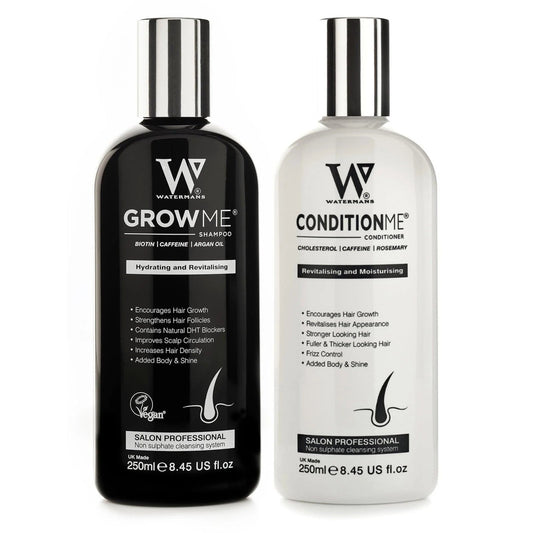
One strong choice is Watermans Grow Me Shampoo. This salon‑grade shampoo from the UK is now sold in Australia. It uses a blend that works to help hair. These ingredients include:
• Biotin supports hair structure and strength.
• Rosemary may help blood move close to the scalp.
• Caffeine may wake up the hair follicles and fight DHT close by.
• Niacinamide helps the scalp hold moisture and blood.
• Argan oil gives rich moisture and adds shine.
• Allantoin soothes and calms the scalp.
• Lupin Protein helps give volume and strengthens the hair shaft.
By using Watermans Grow Me Shampoo often, many see their scalp feel awake, their hair look thicker, and the hair at the root gain volume. This everyday, low‑risk routine works well on its own. Later on, it can mix with medicated treatments.
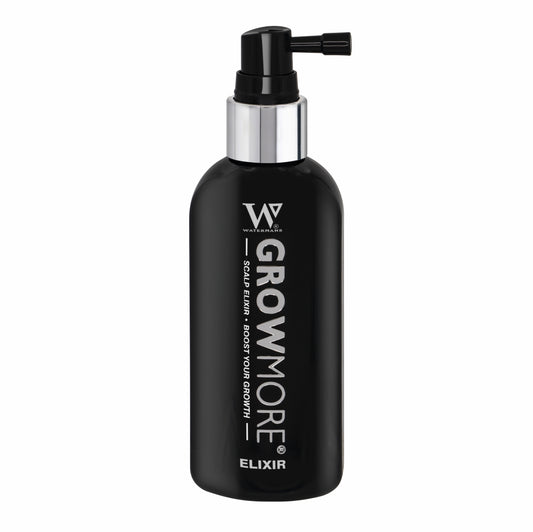
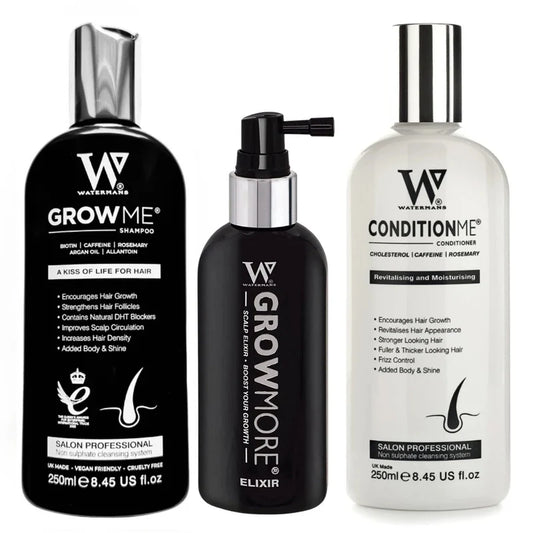
You can also add the full Watermans Hair Survival Kit. This kit has Grow Me Shampoo, a soft conditioner, and a leave‑in scalp treatment that helps all day.
Once you set this base, you can decide if minoxidil foam is the next right step.
––––––––––––––––––––––––––––––––––––––––––
How does minoxidil foam work on thinning hair?
Scientists study how minoxidil foam may help hair come back. They see key ways it acts:
1. It lifts blood near hair roots
Minoxidil opens blood vessels so they widen. When you put it on your scalp it can:
• Bring more blood close to hair roots.
• Bring oxygen and food along.
• Help resting hairs (telogen phase) move into a growth phase (anagen phase).
2. It lengthens the growth stage of hair
Hair grows in cycles. Minoxidil foam may:
• Keep the growth stage (anagen) going longer.
• Shorten the resting stage (telogen).
• Make hair roots wider in time.
This can give the hair a thicker look as time goes by.
3. It makes hair strands thicker
Hair loss from androgenetic alopecia shows hair becoming ever thinner. Minoxidil foam may:
• Slow or reverse the thinning process.
• Help grow thicker hair strands.
• Give the hair a fuller look even before more hair grows.
––––––––––––––––––––––––––––––––––––––––––
Who is minoxidil foam best for?
Minoxidil foam is not a cure for every hair loss type. It works best in some cases.
Androgenetic alopecia (pattern hair loss)
This is the most common type. Minoxidil foam is used when there is:
• Slow thinning at the crown
• A receding hairline in men
• General thinning on top for women
It works best when:
• Thinning is light to medium; there are no bare patches.
• Hair roots still exist, even if they are small.
• Use starts early and stays regular.
Post‑partum shedding
Some women see a lot of hair falling a few months after birth. Some choose minoxidil foam. Before you use it, talk to a health expert, especially if you are breastfeeding or planning a baby. You can also choose a gentler route with Watermans Grow Me Shampoo and good food to help your hair come back.
Stress‑related or telogen effluvium
Sometimes stress, sickness, a diet change, or big events cause hair loss. In these cases, hair often grows back once the stress lessens. Minoxidil foam may help speed up that shift back to growth. It is wise to:
• Find and fix the trigger
• Keep the scalp healthy using drug‑free products
• Eat well and handle stress
Not ideal for scarring alopecia and other scalp diseases
If your hair loss comes from:
• Scarring alopecia
• Severe scalp psoriasis
• Untreated fungal infections
• Autoimmune conditions like advanced alopecia areata
Minoxidil foam alone may not do enough. These cases need a health professional’s care and a tailored plan.
––––––––––––––––––––––––––––––––––––––––––
How fast can you regrow thinning hair with minoxidil foam?
People sometimes ask how to grow hair fast. Hair grows slowly. With minoxidil foam:
• Hair grows about 1 to 1.5 cm per month.
• Changes in density may take 3 to 6 months to see.
• A full check of results often needs 12 months of daily use.
Typical timeline
Month 1–2:
• You may lose some hair first. This loss is a sign that old hair falls to let new hair grow.
• Your scalp might feel tingly or dry.
Month 3–4:
• The shedding slows down.
• You might notice tiny, fine hairs from thin spots.
• The hair near the roots may feel fuller.
Month 6–12:
• Hair strands may grow thicker.
• Overall volume and cover improve.
• Many see a clear boost at the crown.
Managing expectations
Minoxidil foam may slow hair loss or partly reverse it. It can give the hair a denser, healthier look. It may help you keep what you have longer.
It does not promise:
• Hair like you had in your teens if baldness is advanced.
• New growth on parts where no hair buds remain.
• Instant change in a few weeks.
That is why starting early and using minoxidil foam alongside a strong hair‐care base like Watermans Grow Me Shampoo is often the best route.
––––––––––––––––––––––––––––––––––––––––––
How to use minoxidil foam properly for better results
How you use minoxidil foam matters. Many use too little or too much or put it on the wrong way.
Step‑by‑step minoxidil foam routine
-
Start with a clean, dry scalp.
– Wash and dry your hair.
– A gentle shampoo like Watermans Grow Me Shampoo helps open hair roots. -
Part your hair in thin areas.
– Use your fingers or a comb to make partings.
– This helps the foam touch the scalp, not just the hair. -
Use a half‑capful of foam.
– Follow the directions of your product.
– More foam does not mean faster results and may cause side effects. -
Apply the foam on the scalp.
– Use your fingertips to dab the foam onto the exposed skin along the part lines.
– Massage gently with small circles. -
Wash your hands.
– Do this to stop the drug from moving to other areas. -
Let the foam dry for 20–30 minutes.
– Wait before you lie down, wear a hat, or use styling products. -
Use often, as the directions say.
– Many instructions call for morning and night use.
– Being regular is more key than the exact time.
Tips for different hair types
• Short hair: It is easy to see the scalp. Use a bit less if the area is small.
• Long or thick hair: Make more part lines and gently push the foam to the skin.
• Curly or textured hair: Work in sections. A slightly damp scalp may help spread the foam, but check the product guide.
––––––––––––––––––––––––––––––––––––––––––
Combining minoxidil foam with a scalp‑supporting routine
Minoxidil foam works best when your scalp is healthy. This is when a product like Watermans Grow Me Shampoo fits in well.
Why a supportive shampoo matters
Sometimes, minoxidil can cause:
• A dry scalp
• Flaking
• Mild irritation
A harsh shampoo can worsen these feelings and may even make you stop treatment.
Watermans Grow Me Shampoo:
• Cleans gently without strong sulfates
• Holds soothing agents like Allantoin
• Brings ingredients like Biotin, Caffeine, Rosemary, and Niacinamide that work with minoxidil to support hair roots
• Helps create stronger hair strands with Lupin Protein and moisture from Argan Oil
This way you can:
• Keep your scalp feeling good
• Help your hair look shiny and strong
• Build a setting where minoxidil foam feels more comfortable to use day after day
For a full routine, many add the Watermans Hair Survival Kit, which gives a nourishing conditioner and a leave‑in treatment to keep your scalp cared for.
––––––––––––––––––––––––––––––––––––––––––
Common mistakes that harm minoxidil foam results
Even a good minoxidil foam will not work if you make common mistakes. Watch out for these:
1. Irregular use
• Missing days or using it infrequently leads to poor results.
• Use it every day over the long term, much like brushing your teeth daily.
2. Stopping too soon
• Some stop after 2–3 months because of initial shedding or slow change.
• Using the treatment for 3–6 months is needed to see clear gains.
• Sticking with it for 12 months shows the full picture.
3. Using on wet hair
• Most foams work on dry hair only.
• Wet hair can weaken the treatment.
• Always read your product directions.
4. Using styling products too fast
• Putting on gels or sprays while the foam is wet may cut its power and cause buildup.
• Allow the foam to dry before using other products.
5. Ignoring overall hair care
• Minoxidil does not fix a poor diet, high stress, heat styling, or harsh treatments.
• Using a nurturing shampoo like Watermans Grow Me Shampoo, eating well, and gentle styling all add up for better hair health.
––––––––––––––––––––––––––––––––––––––––––
Side effects of minoxidil foam
Most people can use minoxidil foam without trouble. Some side effects may appear.
Common and mild
• Dry or itchy scalp
• Some flaking or dandruff‐like skin
• A short phase of extra shedding at first
• A slight tingle or burn when applied
These effects may be eased by:
• Using a soothing shampoo like Watermans Grow Me Shampoo
• Avoiding very hot water
• Using fewer harsh scalp treatments
Less frequent but serious
Stop the foam and see a doctor if you see:
• Persistent redness, a rash, or blisters
• Swelling on your face, lips, or tongue
• Chest pain, fast heartbeat, or dizziness
• Unexpected weight gain or swelling in your hands/feet
• Unwanted hair on the face for women due to accidental spread
This list does not cover all reactions. Read the product guide and talk with a healthcare provider if you worry.
––––––––––––––––––––––––––––––––––––––––––
Can you stop minoxidil foam once hair regrows?
Many wonder if treatment can end when hair improves.
Minoxidil is for maintenance
With pattern hair loss, minoxidil foam works only as long as you use it. If you stop after good results, you may:

• Slowly return to the old pattern of thinning over months
• Go through a phase where more hair falls as the drug leaves your system
For many, using minoxidil foam is a long‑term choice if they want to keep the gains.
Keeping care when you stop
If you choose to stop minoxidil foam, it helps to:
• Keep up a drug‑free routine with Watermans Grow Me Shampoo
• Eat well, lower stress, and protect the hair you have
• Know that these steps support hair look and health, though they do not work like minoxidil
––––––––––––––––––––––––––––––––––––––––––
Minoxidil foam vs other hair loss options
It helps to know what each option does when you compare minoxidil foam with other treatments.
Minoxidil foam vs oral pills (like finasteride for men)
Minoxidil foam
• Is put on the scalp and works mainly there
• Is sold over the counter in many places
• Can be used by both men and women
• Acts to boost blood and support hair roots
Finasteride (for men only)
• Is a tablet taken by mouth and needs a prescription in Australia
• Cuts DHT (a hormone linked to hair loss) throughout the body
• May cause issues with sexual function in some men
• Is not used by women of childbearing age
Many men use both treatments with guidance from their doctor, along with a gentle shampoo like Watermans Grow Me Shampoo.
Minoxidil foam vs natural support like Watermans
Minoxidil foam
• Is a drug with side effects and a need for long-term use
• Has strong proof for helping many with pattern hair loss
Watermans Grow Me Shampoo
• Is drug‑free and meant for everyday care
• Uses ingredients like Biotin, Caffeine, Rosemary, Niacinamide, Argan Oil, Allantoin, and Lupin Protein for scalp care
• Helps early thinning, works for sensitive scalps, and is a good start for many
• Can work by itself or with minoxidil foam to boost hair quality
Many find that starting with Watermans and later adding minoxidil foam makes sense for a balanced plan.
Minoxidil foam vs hair transplant
Minoxidil foam
• Is non‑surgical and has low upfront cost
• Needs daily, long-term use
• Is best for mild-to-moderate thinning and keeping the existing hair
Hair transplant
• Is surgical and costs more at first
• Moves hair roots from thick parts to thinner areas
• Often still needs treatments like minoxidil for the non-transplanted hair
Even after a transplant, many doctors say to use minoxidil foam and a gentle shampoo like Watermans Grow Me Shampoo to protect the scalp.
––––––––––––––––––––––––––––––––––––––––––
Lifestyle and routine changes that boost your results
No matter how good your minoxidil foam or shampoo is, your lifestyle matters for what you see.
Nutrition
Your hair is built mainly from protein. Hair roots need the right food. Help your hair by:
• Eating enough protein from lean meats, beans, eggs, dairy, or tofu
• Getting enough iron, zinc, vitamin D, and B vitamins
• Using healthy fats from avocado, nuts, or olive oil for scalp and hair strength
• Drinking plenty of water
If you think you lack these nutrients, talk with your doctor and consider a blood test before taking any supplements.
Stress management
Long-term stress can push hair into a resting phase and worsen pattern loss. Good habits include:
• Daily exercise, even a short walk
• Mindfulness or breathing exercises
• Enough sleep on a regular schedule
• Limiting work and screen time
Gentle styling habits
Avoid daily damage by:
• Using less heat from tools like straighteners or curling irons
• Not wearing very tight hairstyles that pull at the hairline
• Using heat protection when styling
• Detangling gently with a wide-tooth comb or soft brush when the hair is wet
A kind wash-day routine with Watermans Grow Me Shampoo can make hair softer and lower breakage when brushing.
––––––––––––––––––––––––––––––––––––––––––
Quick reference: minoxidil foam & supportive care checklist
Use this simple plan as you build your routine:
-
Foundation – Non‑drug support
– Start with Watermans Grow Me Shampoo to help the scalp and strengthen the hair.
– You may add the Watermans Hair Survival Kit if you wish, which includes a conditioner and a leave‑in treatment. -
Medication layer – Minoxidil foam (if it fits your needs)
– Talk with a health expert if you are not sure.
– Put the right dose on a dry scalp twice a day in thin spots.
– Give it at least 6–12 months to see results. -
Lifestyle support
– Eat a diet rich in protein and key vitamins/minerals.
– Keep stress low and sleep well.
– Style gently to avoid breakage. -
Monitoring
– Take photos every 1–2 months in the same light and angle.
– Watch for changes in shedding, scalp comfort, and density.
– Change your plan if you need help from a professional.
––––––––––––––––––––––––––––––––––––––––––
FAQ: minoxidil foam and fast hair regrowth
1. Does minoxidil foam regrow hair or just stop hair loss?
Minoxidil foam can do both, depending on your hair loss stage. For many with early-to-moderate thinning, it may:
• Help thin hairs grow thicker.
• Slow more loss, especially at the crown.
• Give the hair a fuller and healthier look over months.
Results differ, and using it alongside a scalp-support plan like Watermans Grow Me Shampoo often gives a better overall look.
2. Is minoxidil foam or liquid better for thinning hair?
Both contain the same active drug. Many like the foam because:
• It works better for some sensitive scalps.
• It applies neatly and dries quickly.
• It is easier to work into thick or styled hair.
Both forms work similarly when used right. Pairing minoxidil foam with Watermans Grow Me Shampoo may help reduce dryness or flaking.
3. Can I use minoxidil foam with other hair growth products?
Yes, minoxidil foam is often used with:
• Non‑drug routines like Watermans Grow Me Shampoo and the Watermans Hair Survival Kit
• Oral drugs, if a doctor advises
• Good nutrition and scalp massage
Remember to apply minoxidil foam on a clean, dry scalp first. Let it dry before putting on other products. If you use strong treatments or have a sensitive skin history, talk with a doctor.
––––––––––––––––––––––––––––––––––––––––––
Take control of thinning hair today
Seeing your hair thin can feel hard, but you can act to stop it. With the right plan, you may support your scalp, add thickness, and feel sure again.
If you consider minoxidil foam, know that it is a long-term choice. Changes come slowly, so your scalp needs gentle care each day.
That is why starting with a strong, drug‑free base like Watermans Grow Me Shampoo is a smart move. Its blend of Biotin, Rosemary, Caffeine, Niacinamide, Argan Oil, Allantoin, and Lupin Protein works to wake up the scalp, add volume at the roots, and help your hair look fuller—even if you use minoxidil foam or not.
For a full routine, the Watermans Hair Survival Kit gives you a conditioner and leave‑in treatment to keep your plan strong.
If you are ready to act instead of worry, start by cleaning your hair with Watermans. Then, use clear facts and realistic hopes to decide if minoxidil foam is right for your hair and your routine.