ovarian suppression explained: how it affects fertility and health
Ovarian suppression is a method that calms the ovaries. This treatment stops them from working for a set time. It aids people facing hormone‐sensitive breast cancer, endometriosis, early puberty, or when saving fertility before chemotherapy. Many hear "ovarian suppression" quickly in a specialist meeting and leave confused. They worry about its effects on fertility, hormones, long‑term health, or even hair.
This guide breaks down ovarian suppression in clear words. It explains what it is, why it is used, how it works, and what you may feel. It gives tips on handling side effects (like hair loss and thinning) and lists key questions for your healthcare team.
What is ovarian suppression?
Ovarian suppression stops or slows the ovaries. It cuts back their use of oestrogen and progesterone.
Your ovaries usually:
• Release an egg each cycle
• Make hormones that guide your cycle, bones, mood, and skin
With ovarian suppression, these tasks are paused. Your body then shows signs similar to menopause. The change may be:
• Temporary and changeable
• Long‑term or permanent (for example, when ovaries are removed)
Other names you might hear include:
• Ovarian function suppression (OFS)
• Ovarian ablation (when the change is permanent)
• Medical menopause
Even if the term sounds strong, many find it helps control serious health issues.
Why is ovarian suppression used?
1. Hormone‑receptor positive breast cancer
In hormone‑receptor positive (HR+) breast cancer, the cancer grows when hormones act on it. Reducing oestrogen can:
• Lower the chance of cancer returning
• Slow or stop cancer growth
• Help other treatments work better
Guidelines point to using this method for women:
• At higher risk of cancer return
• Who take aromatase inhibitors (which work best without extra oestrogen)
• With metastatic HR+ breast cancer
Major cancer groups confirm that using ovarian suppression with hormonal therapy cuts the risk of return in some women.
2. Endometriosis
Endometriosis happens when cells like those inside the uterus grow elsewhere. These cells react strongly to oestrogen. Ovarian suppression can:
• Cut the oestrogen that feeds these cells
• Lessen pelvic and period pain, and pain during sex
• Slow the progress of the condition
Hormonal treatments that quiet the ovaries are common when pregnancy is not planned and when surgery is not the best option.
3. Early puberty (precocious puberty)
For children who start puberty too soon, doctors use special drugs. These medicines slow puberty, allow more bone growth, and ease stress as the child grows. Experts in children’s hormones plan this treatment.
4. Fertility preservation around cancer treatment
Some specialists use temporary ovarian suppression with chemotherapy. The goal is to lower harm to the ovaries. This may preserve function after treatment. It is used along with egg or embryo freezing. Still, know that:
• It is not a promise to save fertility
• It is extra care, not a full substitute for standard methods
If you worry about having children in the future, speak with a fertility expert before cancer treatment begins.
5. Other hormone‑driven conditions
Sometimes doctors use ovarian suppression for:
• Severe premenstrual dysphoric disorder (PMDD) that resists other care
• Certain uterine fibroids
• Rare hormone‑sensitive tumours
These choices are made together with specialists.
How is ovarian suppression achieved?
There are three main paths to quieting the ovaries: drugs, radiation, and surgery. Each path has its own effects on fertility and long‑term health.
1. Medication (temporary and reversible)
Most use drugs to slow the ovaries. The common choices are:
• GnRH agonists (or analogues) like goserelin, leuprorelin, or triptorelin
• Sometimes GnRH antagonists
These drugs act on the brain’s hormone center. They send signals that make the ovaries stop their work.
How they work:
- At first, hormone levels may rise briefly
- Then, the signal continues and the ovaries quiet down
- The ovaries stop and oestrogen levels drop to menopause-like levels
Key points include:
• They are usually given by injection under the skin or into a muscle
• The schedule may be monthly or every few months
• In most, the effect is temporary; the ovaries wake up again after the treatment stops
2. Radiotherapy to the ovaries (often permanent)
Radiation can hit the ovaries and target their hormone cells. This method is less common now as:
• The result is often permanent
• The effects on the ovaries can be unpredictable
• There may be local side effects
Some use it when surgery cannot be done and drugs are not a fit.
3. Surgical removal of ovaries (permanent ovarian suppression)
Surgery removes the ovaries. Options are:
• Oophorectomy – taking out one or both ovaries
• Bilateral salpingo‑oophorectomy (BSO) – taking both ovaries and fallopian tubes
Removing both ovaries brings an instant, permanent menopause. Reasons for surgery include:
• Very high risk of hormone‑sensitive breast cancer or ovarian cancer genes
• High genetic risks (such as with BRCA mutations)
• When a permanent fix is chosen over regular injections
Because this method cannot be reversed, doctors discuss its impact on fertility and long‑term health in detail.
How does ovarian suppression affect fertility?
Young people worry most about fertility. The effect depends on the method used and your age.
Fertility with medication‑induced ovarian suppression
With GnRH drugs:
• The effect is made to be temporary
• Many see their cycles return after treatment ends
• The time to return may be a few months or more than a year
Keep in mind:
• Age matters—a woman near natural menopause might not regain full function
• Chemotherapy may harm the ovaries apart from suppression
• Existing fertility issues remain
Before treatment, discuss:
• Egg or embryo freezing
• Chances for natural conception later
• Whether a fertility expert should be seen early
Fertility after radiation‑induced ovarian suppression
Radiation often harms the ovaries:
• It may lead to a lasting loss of function
• Fertility usually drops or disappears
Before radiation, think about freezing eggs or embryos if possible.
Fertility after surgical ovarian suppression
Removing both ovaries means:
• Instant and permanent infertility
• No egg or ovarian hormone production
After surgery, choices include:
• Using frozen eggs or embryos
• Donor eggs
• Gestational surrogacy, where allowed
Speak with a reproductive expert before a permanent choice.
Can ovarian suppression protect fertility during chemotherapy?
Scientists study whether using GnRH drugs during chemotherapy can:
• Lower the harm caused by chemo
• Help keep menstrual function
• Possibly keep some fertility
The evidence shows some help, but:
• It does not guarantee future fertility
• It should work with standard methods for fertility care
Ask your cancer and fertility doctors:
• How your chemo may impact fertility
• How ovarian suppression fits into your plan
What does ovarian suppression feel like? Common symptoms
Lower oestrogen makes you feel similar to menopause. The strength of symptoms varies.
Typical physical symptoms
You may feel:
• Hot flushes and sweats at night
• Changes in your cycle until it stops
• Vaginal dryness or discomfort
• Less natural moisture during sex
• Trouble sleeping
• Headaches or migraines
• Aches in joints or muscles
• Changes in weight or water retention
• Changes in skin or hair
These signs can be eased over time with care and advice.
Emotional and cognitive symptoms
Hormones affect the brain too. You might feel:
• Mood swings or more tears
• Irritability or worry
• Low mood or sadness
• Hard time focusing
• Lowered sex drive
If these feelings are strong, speak with your doctor. A doctor or counsellor may help you feel better.
Impact on daily life
For some, these signs are light. For others, they affect work, relationships, exercise, and self‐view. You do not have to accept the discomfort without help. There are ways to ease these effects.
Ovarian suppression, bone health and heart health
Low oestrogen over time affects your bones and heart. This is important, especially in younger people.

Bone density and osteoporosis risk
Oestrogen keeps bones strong. With a long low‑oestrogen state:
• Bone density can fall
• The risk of mild bone loss and severe fragility grows
• The risk of fractures may rise
To support bones, your medical team may advise:
• Bone scans to check density
• Enough calcium from food or supplements
• Vitamin D if levels are low
• Exercise that puts weight on your bones
• Avoiding smoking and too much alcohol
Sometimes, medicines for bones may be suggested.
Cardiovascular health
Oestrogen helps the heart and blood vessels. With less oestrogen:
• Cholesterol levels may change
• Blood pressure or vessel function can shift
• Long‑term heart risk can rise when other risks exist
To care for your heart:
• Stay active most days
• Eat heart‑friendly food like plants, wholegrains, lean protein, and healthy fats
• Keep at a healthy weight
• Do not smoke
• Have regular check-ups of blood pressure, cholesterol, and sugar
Talk with your doctor about how long you will use this treatment and any heart care steps you need.
Ovarian suppression and hair: thinning, shedding, and what you can do
Hair changes may come with ovarian suppression. Many notice:
• Diffuse hair thinning
• More shedding in the shower or on a brush
• Changes in texture or dryness
• A look like female‑pattern thinning in some
The change happens because:
• Lower oestrogen shortens the growth phase of hair
• Hormone shifts occur
• Diet may change and affect nutrients
• Other treatments (chemo, radiation, tablets) can affect hair
Though many do not see major issues, some feel less sure of themselves. Good news: there are steps to help your scalp and hair.
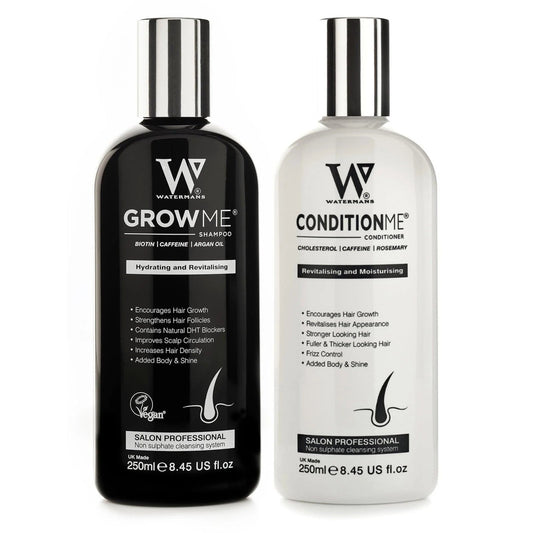
First‑line non‑medical support: Watermans Grow Me Shampoo
Before trying strong medicines, start with gentle hair care. Many choose Watermans Grow Me Shampoo. This natural shampoo is made to help hair during times of change. You can learn more or buy it directly from the Australian site:
👉 Watermans Grow Me Shampoo
This shampoo has:
• Biotin to support hair strands
• Rosemary, used to care for the scalp
• Caffeine to wake up hair roots and blood flow
• Niacinamide to help the scalp barrier
• Argan Oil to care for hair lengths and ends
• Allantoin to soothe the scalp
• Lupin Protein to strengthen and boost hair
Though no product can change hormone effects at their root, many users say the shampoo:
• Refreshes the scalp
• Adds volume at the roots
• Supports the look and feel of hair
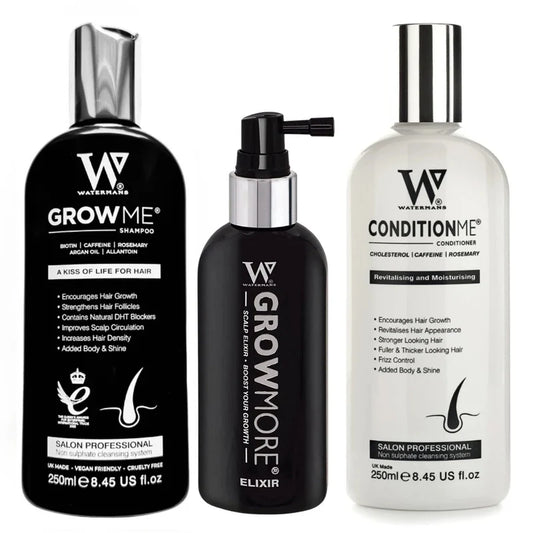
If you want a full routine, see the Watermans Hair Survival Kit. This kit bundles shampoo, conditioner, and a leave‑in scalp elixir:
👉 Watermans Hair Survival Kit
This routine helps if your scalp feels dry or if you wish to boost volume during regrowth.
Other practical hair‑care tips during ovarian suppression
To care for your hair further:
• Use a gentle, wide‑toothed comb and brush slowly
• Cut back on heat styling like hot straighteners or curling wands
• Avoid hairstyles that pull on the roots (tight ponytails or buns)
• Pick silk or satin pillowcases to reduce friction at night
• Eat enough protein, iron, zinc, and B‑vitamins
• Manage stress to lower extra hair shedding
Should hair loss become sudden, patchy, or strong, ask your doctor to check:
• Thyroid health
• Iron levels
• Other hormone or nutrition issues
Sexual health, intimacy, and ovarian suppression
Hormone shifts from ovarian suppression change sexual health in body and mind.
Physical changes
You may notice:
• Less natural lubrication
• Thinner, more fragile vaginal tissues
• More pain with penetration
• A drop in sexual desire
These changes come from lower oestrogen. To ease them:
• Use vaginal moisturisers regularly (more than just during sex)
• Try silicone‑ or water‑based lubricants during intimacy
• Consider gentle pelvic floor exercises
For those with hormone‑sensitive cancers, use local oestrogen only after careful talk with your doctor.
Emotional and relationship aspects
Changes to how you see yourself—whether from weight shifts, hair thinning, or scars—can matter. Some feel:
• Less attractive or confident
• Worried because of a lower sex drive
• Fear that a partner may not understand
Talking with your partner may help. You might also see a specialist in sexual health or counselling. Finding other ways to show closeness—such as gentle touch, massage, or simple cuddling—can be a good step. Your care team should welcome these talks.
Coping emotionally with ovarian suppression
Hearing you need ovarian suppression stirs strong feelings. These may include:
• Fear about future fertility
• Worry about cancer returning
• Sadness for an early menopause feel
• Anger or frustration over lost control
These feelings are normal. You are learning a new way to work with your body and its hormone shifts.
Helpful steps include:
• Getting psychological help with a counsellor, psychologist, or psychiatrist skilled in cancer or hormone issues
• Joining a support group, either in person or online
• Learning all you can about what the treatment does
• Trying mind‑body practices like yoga, breathwork, or gentle exercise
If you feel deep sadness, loss of interest, or have harmful thoughts, get help from your doctor or emergency service.
Key questions to ask your doctor about ovarian suppression
Going to your appointments with clear questions may help you feel secure. Bring this list and note the responses:
• Why is this treatment right for my case?
• Which method will you use (drug, surgery, or radiation), and is it changeable or final?
• How long will the treatment last?
• What benefits do you expect, and how strong are they?
• What are the main risks and side effects, both now and in the future?
• How will this affect my fertility today and later?
• Should I see a fertility expert before we start?
• What can I do for my bone and heart health?
• How will we track my health (through blood tests, scans, or exams)?
• What options exist if side effects disrupt my day?
• Are there any non‑hormone ways to ease hot flushes, sleep issues, or mood changes?
• Can we talk about caring for hair thinning or hair loss? Are there any limits on products like Watermans Grow Me Shampoo?
Taking a support person to your visit can help you recall key points and feel less alone.
Lifestyle strategies to support your body during ovarian suppression
You may not control your hormone drop, but you can help your body manage.
Nutrition
Aim for a balanced, anti‑inflammatory diet:
• A variety of vegetables and fruits
• Wholegrains, like brown rice, oats, or wholemeal bread
• Lean proteins, such as fish, chicken, legumes, tofu, or eggs
• Healthy fats found in olive oil, avocado, nuts, or seeds
• Enough calcium from dairy, fortified plant milks, greens, or almonds
If your eating changes, a diet expert in women’s health or cancer can help set up a plan.
Movement
Regular exercise builds:
• Bone strength
• Heart health
• Better mood and sleep
Try a mix of:
• Weight‑bearing work such as walking or light jogging
• Resistance work using bodyweight or light weights
• Flexibility and balance work like yoga, Pilates, or tai chi
Always check with your doctor before you change your routine.
Sleep hygiene
Hot flushes and sweats may disrupt sleep. Helpful tips include:
• Keeping your room cool and fresh
• Wearing light sleepwear
• Using layers in bed so you can adjust warmth
• Cutting caffeine and alcohol in the evening
• Keeping regular sleep and wake times
If sleep does not improve, talk with your doctor about more choices.
Frequently asked questions about ovarian suppression
1. Is ovarian suppression the same as early menopause?
Ovarian suppression makes your body act like it is in menopause. How you are affected depends on the method:
• With drugs, the quieting is usually temporary. Your ovaries may resume their work after treatment ends. This is like a changeable, medical menopause.
• With surgery or strong radiation, the effect is final. You then experience early or premature menopause.
Your doctor can explain which case fits you and if your cycle or fertility is likely to return.
2. Can ovarian suppression help with endometriosis symptoms?
Yes. Ovarian suppression is a common way to care for endometriosis. With less oestrogen:
• Periods often become lighter or stop, easing pain
• Endometriotic tissue may slow its growth
• Some see strong relief, while others note milder changes
It is not a cure. Symptoms might return when treatment stops. Still, many find it a key part of their overall plan.
3. Does ovarian suppression cause permanent hair loss?
Ovarian suppression does not usually lead to lasting hair loss. It may cause temporary thinning or more shedding because of hormone shifts.
• Hair typically improves once hormones balance or treatment ends.
• If you have faced chemotherapy or other treatments with ovarian suppression, these may also lower hair density.
Using a gentle care routine, such as with Watermans Grow Me Shampoo and the Watermans Hair Survival Kit, can help hair seem fuller and stronger as your body adjusts.
Take charge of your ovarian suppression journey
Ovarian suppression is an active medical tool. It may feel like losing control over your hormones, fertility, and self-image. Knowing why the treatment is chosen, how it works, and ways to support your health shifts you from a passive role to a strong participant in your care.
Work closely with your oncology, gynaecology, or fertility team. Alongside, you can make choices in your daily life:
• Feed your body with healthy food and move often
• Protect your bones and heart for the future
• Talk openly about changes in intimacy, mood, and body image
• Care for changes like hair thinning with simple, non‑drug products
If you worry over hair changes, consider adding Watermans Grow Me Shampoo to your routine:
👉 Try Watermans Grow Me Shampoo
For more complete care, the Watermans Hair Survival Kit—with shampoo, conditioner, and a leave‑in scalp formula—brings a ready routine:
👉 View the Watermans Hair Survival Kit
By working with your medical team and caring for your body daily, you can meet ovarian suppression with more knowledge, support, and confidence in your own body.