Peripheral aromatization: How It Drives Unwanted Belly Fat and Low Energy
You work out and eat well. You still face stubborn belly fat, low energy, and little drive. Your body turns androgens into oestrogen in tissues outside the gonads. This change happens mainly in fat. When it runs strong, it can harm your metabolism, body shape, and mood.
In this guide, we explain peripheral aromatization in plain terms. We show how age and weight can boost this process. We link it to belly fat and low energy. We also share natural ways to ease it. One simple step is caring for your scalp and hair with products such as Watermans Grow Me Shampoo and the Watermans Hair Survival Kit. These steps help lower one source of ongoing stress: hair loss.
What Is Peripheral Aromatization?
Peripheral aromatization means turning androgens (mainly testosterone and androstenedione) into oestrogens (oestradiol and oestrone) in tissues that are not the gonads. This change happens in fat, skin, muscle, and brain.
The key enzyme is aromatase. While the ovaries and testes make sex hormones, aromatase works in other tissues. It changes androgens into oestrogens both near the source and in the rest of the body.
Where Peripheral Aromatization Happens in the Body
Aromatase works in:
- Subcutaneous and visceral fat (especially belly fat)
- Skin and hair follicles
- Brain tissue
- Bone
- Blood vessel walls
- Some immune cells
When you gain fat, especially in your belly, aromatase grows in number. This means more androgens change into oestrogens. The result is less testosterone and more oestrogen.
Why Peripheral Aromatization Matters for Both Men and Women
Peripheral aromatization is part of normal health. Oestrogen is not only a female hormone. It helps bones, the brain, the heart, and desire in both sexes. Problems appear when the process runs too fast or too slow. This upsets the hormone balance.
For men, too much aromatization may lead to:
- Lower free testosterone
- Higher or imbalanced oestrogen levels
- Belly fat and extra fat on the sides
- Low energy, low desire, and little drive
- Mood shifts like irritability or a sad mood
- Growth of breast tissue
For women, especially near and after menopause:
- Fat tissue becomes a main source of oestrogen
- Higher fat can bring more oestrogen, affecting weight and sometimes tenderness or hormone-sensitive issues
The basic link is that body fat in the belly raises aromatase activity. More fat leads to more aromatization. This speeds up a loop that affects hormones.
How Peripheral Aromatization Fuels Stubborn Belly Fat
When aromatization runs high, body shape shifts. The change leads to a fuller belly and softer fat that feels more oestrogenic.
Testosterone vs Oestrogen in Fat Distribution
Testosterone and oestrogen shape how the body stores fat.
-
Testosterone
- Aids muscle building over fat gain
- Raises how fast you burn calories at rest
- Boosts insulin response
- Helps keep the midsection lean
-
Oestrogen (in men and women)
- Promotes fat storage. In women, it gathers in the hips and thighs; in men, too much may direct fat to the chest and belly
- Can hold extra water in tissues
- Works with cortisol and insulin to shape where fat stays
When aromatization is high, more testosterone becomes oestrogen. Over time, this means you lose some muscle gains and the body sends stronger signals to store fat.
The Vicious Cycle: Belly Fat and Aromatase
This process forms a loop:
- You gain belly fat.
- Belly fat holds aromatase.
- Aromatase turns more testosterone into oestrogen.
- Less testosterone makes it hard to build muscle and burn fat.
- More oestrogen, especially in men, stores more fat.
- More fat builds more aromatase.
This cycle explains why belly fat can stick around even when you eat well and exercise. Hormones add a layer of resistance.
Peripheral Aromatization and Low Energy
Low energy is a common sign of disrupted hormone balance. When aromatization runs high, many body systems slow down.
Impact on Mitochondria and Metabolism
Testosterone helps the body burn calories and keeps mitochondria—your cell engines—working well. When too much testosterone changes into oestrogen, you may see:
- A slower calorie burn while at rest
- Less muscle mass, which in turn reduces energy use
- More fat, especially around the organs, that creates inflammation
These changes can make you feel heavy, tired, and less strong during the day.
Brain, Mood, and Motivation
Hormones work with brain chemicals. When testosterone is low, you might lose drive and feel less confident. An imbalance in oestrogen can shift brain chemicals that control mood. This mix can lead to a flat mood, irritability, or a foggy mind.
When aromatization steadily lowers testosterone, you may not feel bad all at once. Instead, you may slowly lose your spark and find it hard to train, meet friends, or pursue goals.
Signs Peripheral Aromatization May Be a Problem for You
Everyone shows some aromatase activity. The concern is when it is too high for your stage in life. Signs include:
- Belly fat that resists proper diet and exercise
- A softer body with less muscle tone
- Low or changing energy, especially in the afternoon
- Lower desire or weaker morning erections in men
- Mood shifts such as feeling flat or easily upset
- Trouble with sleep or sleep that does not refresh you
- Hair changes like slow growth or shedding, which can add stress and affect your hormones
These signs alone do not prove high aromatase activity. But when they show up together, it is wise to speak with a healthcare worker. They might check your hormone levels.
Key Drivers of Excess Peripheral Aromatization
Many factors affect peripheral aromatization.
1. Increased Body Fat (Especially in the Belly)
Fat tissue is the main site where aromatase works. More fat means more aromatase and a higher rate of change from androgens to oestrogens. This is why weight gain often comes before symptoms like low energy and low desire.
2. Ageing
Age brings changes:
- Testosterone drops with time.
- Fat levels, especially around the belly, often rise.
- In women, as the ovaries make less oestrogen during and after menopause, fat becomes a key source of oestrogen.
These shifts make it important to care for your body as you get older.
3. Inflammation and Stress
A poor diet, little movement, ongoing illness, or stress can raise inflammation. Inflammation can boost aromatase levels. Stress hormones like cortisol may also push the body to hold more belly fat, which in turn grows aromatase.
4. Alcohol Intake
Drinking alcohol can:
- Change how the liver handles hormones
- Raise aromatase in some tissues
- Lead to more fat
Regular heavy drinking can push the body toward higher oestrogen levels, especially in men.
5. Environmental Exposures
Some chemicals in plastics, pesticides, and personal care items can mimic oestrogen or affect aromatase. Their impact may differ from person to person. Reducing exposure to these substances is a smart step in everyday hormonal care.
Peripheral Aromatization, Hair, and Stress: An Overlooked Loop
Hair loss often comes with belly fat gain and low energy. These issues are more connected than they first seem.
Hormones, Scalp Health, and Emotional Stress
Testosterone and its break-down product DHT play strong roles in pattern hair loss. Aromatase also works in the scalp. This means the change from testosterone to oestrogen happens where hair grows.
There are three clear points:
- Scalp health depends on proper blood flow and low inflammation. Hormonal shifts change hair growth.
- Losing hair can cause stress. Worry over thinning hair adds stress that can disturb sleep and body balance.
- Stress adds to belly fat and inflammation, which in return boosts aromatase in fat.
Breaking this loop, even partly, by caring for your scalp and hair can ease overall stress and support a better hormone balance.
Why Watermans Grow Me Shampoo Is a Smart First Step
Changing your habits and balancing hormones takes time. Your hair is one part of your appearance where you may want a quick fix. A daily support is Watermans Grow Me Shampoo from Watermans Hair in Australia:
👉 https://watermanshair.com.au/products/hair-growth-shampoo
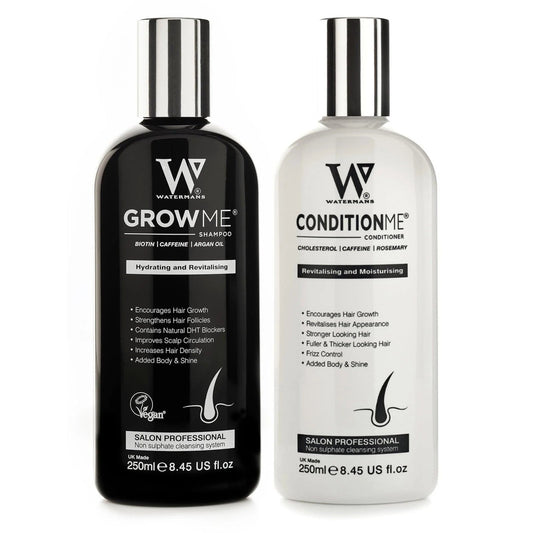
Watermans Grow Me Shampoo contains:
- Biotin – helps build strong hair strands
- Rosemary – promotes blood flow to the scalp
- Caffeine – makes the scalp feel more awake and may reduce some effects of DHT at the roots
- Niacinamide – supports small blood vessels and the scalp’s barrier
- Argan Oil – nourishes the scalp and hair without weighing them down
- Allantoin – soothes an irritated scalp
- Lupin Protein – adds volume at the roots and gives hair a fuller look
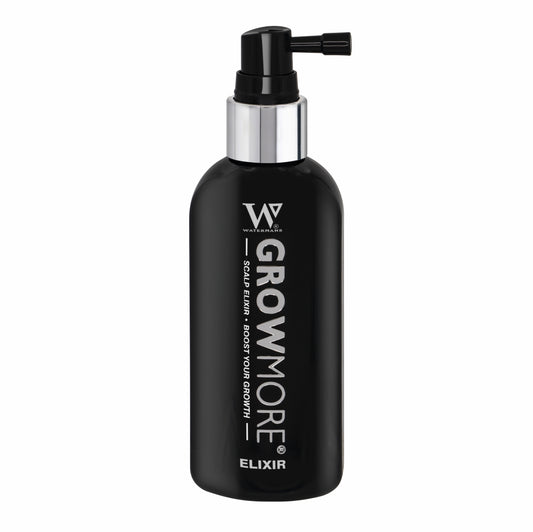
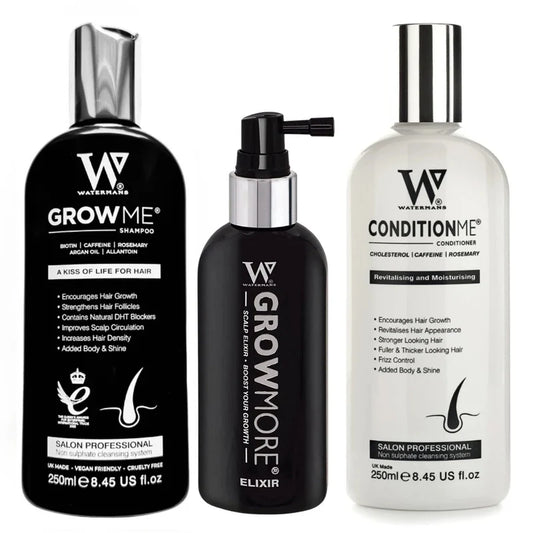
This shampoo helps the scalp feel more active and makes your hair appear thicker as you work on other lifestyle changes. If you need a full routine, the Watermans Hair Survival Kit combines a shampoo, a conditioner, and a leave-in scalp formula for steady care:
👉 Watermans Hair Survival Kit
This set provides daily care as you work on internal drivers such as weight, stress, and sleep.
Natural Ways to Reduce Excess Peripheral Aromatization
Sometimes medical help is needed for hard hormone issues. But many people can help their balance by changing daily habits. The goal is not to stop aromatase but to reach a healthier balance.
1. Change Body Composition
Losing extra fat, especially around the waist, is one of the surest ways to cut aromatase activity.
Focus on:
- Eating slightly fewer calories, not extreme diets
- Including protein at every meal – eggs, fish, lean meats, Greek yoghurt, or legumes
- Eating plenty of vegetables, fruits, whole grains, legumes, nuts, and seeds
- Choosing carbohydrates that are slower to digest, and timing them around your active times
- Using healthy fats like olive oil, avocado, nuts, seeds, and oily fish
Even losing 5–10% of your weight can help your hormone levels.
2. Strength Training and Movement
Lifting weights is one reliable way to help keep testosterone high and reduce fat:
- Aim for 2–4 strength sessions per week that work the major muscles.
- Use compound lifts such as squats, deadlifts, presses, and rows as you can.
- On days you do not lift, a brisk walk or light cardio can help with energy and insulin control.
Muscle is active tissue. More muscle helps your body burn calories and manage hormones well.
3. Sleep Well
Poor sleep links to lower testosterone, higher cortisol, weight gain, and problems with hunger control. Try to:
- Get 7–9 hours of sleep each night.
- Keep a steady sleep schedule, even on weekends.
- Avoid heavy meals or too much alcohol close to bedtime.
- Cut down blue light exposure an hour or two before sleeping.
Even small gains in good sleep can boost your energy and body balance.
4. Manage Stress Carefully
You cannot remove stress, but you can change how you deal with it. High cortisol drives belly fat, which then increases aromatase.
Try these steps:
- Do a short daily breathing or mindfulness session.
- Stretch, do yoga, or take a calm walk outdoors.
- Set clear limits on work and screen time.
- Seek support from friends or a counselor if you need it.
Supporting your appearance can also help. Caring for your hair and scalp with Watermans Grow Me Shampoo may ease one source of ongoing stress.
5. Cut Back on Excess Alcohol and Processed Foods
Eating less of these can help your liver, hormone work, and weight:
- Limit heavy or frequent alcohol use.
- Stay away from sugary drinks and sweets.
- Avoid deep-fried foods.
- Make processed snacks or takeaways rare treats.
Medical and Clinical Context of Peripheral Aromatization
It helps to see lifestyle effects as separate from more complex medical problems. Peripheral aromatization plays a role in many health settings.
1. Low Testosterone in Men
In some men, testosterone is low because the body does not make enough. In others, extra fat and aromatase lower the amount that works in the body. Doctors can:
- Check hormone levels (total and free testosterone, oestradiol, LH, FSH, SHBG, and sometimes prolactin)
- Look at body fat and overall health
- Recommend lifestyle changes first
- In some cases, suggest testosterone replacement or medicines that affect aromatase, under close care
Self-medicating or using unregulated hormone items is not safe. Always work with a professional.
2. Menopause in Women
When a woman’s ovaries produce less oestrogen, her body depends on fat to make oestrogen. Women with more fat may have higher oestrogen. This can:
- Change menopause symptoms
- Affect bone strength and heart health
- Change how hormone treatments work
A healthy body is the goal. It is not about becoming very thin but staying active and well nourished.
3. Hormone-Sensitive Conditions
Aromatization matters in some conditions, such as certain breast cancers where oestrogen plays a role. In these cases, doctors use medicines like aromatase inhibitors to lower oestrogen. This use is different from the lifestyle steps above. It shows that aromatase has a strong role in the body. Daily habits can help its balance, while deeper changes need medical help.
Putting It All Together: A Practical Strategy
You can feel more energy and see less belly fat by using simple habits. Focus on actions that help keep aromatization at a good level.
Daily Habits That Support Healthier Aromatization
Here is a clear plan:
-
Move your body most days
- Do strength training 2–4 times each week
- Walk or do light cardio on other days
-
Eat protein and whole foods
- Include protein in every meal
- Eat many colorful vegetables and some fruit
- Choose whole grains and legumes as your main carbohydrates
- Get healthy fats from nuts, seeds, olive oil, and fish
-
Sleep Well
- Aim for 7–9 hours with a steady routine and a calming wind‑down
-
Tame stress
- Do short daily calming exercises (like deep breathing, stretching, or writing your thoughts)
- Support your hair and scalp with proper care to ease stress
-
Keep alcohol and junk food low
- Drink alcohol in moderation
- Treat highly processed foods as rare treats
-
Care for your hair and scalp
- Use products like Watermans Grow Me Shampoo and the Watermans Hair Survival Kit to boost your hair care routine while you work on deeper lifestyle factors.
With steady habits, you cut down the main drivers of high aromatase. You work against excess fat, stress, and poor metabolism. You also support your appearance overall.
FAQ: Peripheral Aromatization and Your Health
1. What is peripheral aromatization and why does it affect belly fat?
Peripheral aromatization means changing androgens like testosterone into oestrogens in tissues outside the gonads. Fat tissue is rich with aromatase. More belly fat means more conversion. This leads to lower active testosterone and higher oestrogen. The result is a tendency for fat storage and less muscle building.
2. Can lifestyle changes really lower too much peripheral aromatization?
Yes. While genes and health issues play a role, changing your body composition, sleep, stress, and food choices can ease high aromatase. These changes do not stop aromatization but help bring it into a better balance. Caring for your hair and scalp with Watermans Grow Me Shampoo can also lower one source of stress while you work on these changes.
3. How do I know if peripheral aromatization affects my energy and weight?
You may notice stubborn belly fat, less muscle tone, low or uneven energy, lower desire, and mood shifts. These signs can hint at a hormone issue. If you see these signals, talk with a healthcare worker about tests. At the same time, start the lifestyle changes described here and support your hair and scalp for a boost in overall well‑being.
Take the Next Step Toward More Energy and Less Belly Fat
The idea of peripheral aromatization may seem complex, yet its effects are clear. It can slowly add belly fat and lower your drive, leaving you with a sense of frustration. The good news is that you can work to change it. By improving your body composition, sleep, stress, and food choices, you can shape the hormone balance that affects your energy and waistline.
Start with small, daily actions. One simple step is to care for your hair and scalp with Watermans Grow Me Shampoo—a natural formula that helps the scalp feel active and makes hair look thicker:
👉 https://watermanshair.com.au/products/hair-growth-shampoo
For a complete hair care routine, try the Watermans Hair Survival Kit. It combines a shampoo, conditioner, and a leave‑in scalp treatment so you can care for your hair all day long:
👉 Watermans Hair Survival Kit
Pair this daily boost for your hair with smarter movement, better sleep, and calmer days. In time, you will see changes in your energy and waistline, and you will feel more like yourself.