post HRT shedding: why it happens and how to stop
Post HRT Shedding: Why It Happens and How To Stop
HRT can change your body. You may see more hair in the drain or on your brush. This change can feel upsetting. The hair falls because your hormones shift. In this guide, we explain the science behind the hair loss, the difference between normal and worrisome shedding, and simple ways to help your hair grow stronger. We focus on gentle steps and non‑medical fixes like Watermans Grow Me Shampoo.
What Is Post HRT Shedding?
Post HRT shedding is extra hair loss after you change your hormones. It may happen when you:
• Start HRT
• Change your HRT dose or type
• Stop or lower your HRT
It appears in those who use:
• Menopausal HRT (with oestrogen, progesterone, or a mix)
• Testosterone therapy (for gender transition or health reasons)
• Anti‑androgen drugs with HRT
Hormones affect the hair cycle. When you change your treatment, your follicles can shock. That shock makes hair enter a resting phase. This change shows up as extra hair falling a few months later.
How The Hair Growth Cycle Relates To Post HRT Shedding
Each hair on your head goes through three simple phases:
-
Anagen (growth phase)
• Lasts 2–7 years
• About 85–90% of hairs grow at any time -
Catagen (transition phase)
• Lasts about 2–3 weeks
• The hair follicle shrinks and disconnects from blood flow -
Telogen (resting/shedding phase)
• Lasts around 3–4 months
• The hair falls and is replaced by a new one
Hormones like oestrogen, progesterone, and androgens (testosterone and DHT) affect each phase. They help decide how long hair grows, how many hairs rest, and the strength of each hair. When HRT changes your hormone balance, more follicles can move to the resting phase. As telogen lasts three months, you may see extra shedding several months after a change.
Why Post HRT Shedding Happens: The Main Triggers
1. Hormonal Change After Starting HRT
When you begin HRT, your body shifts its hormone levels. This shift can make some hairs stop growing sooner. Many follicles may rest at once. As a result, you see more shedding. This loss is usually short-term. It starts 2–4 months into treatment and fades over 6–12 months as your body adjusts.
2. Changing or Stopping HRT
Shedding grows common when you lower the HRT dose, change the type, or stop HRT. Your hair follicles had a set level of support. Changing that support can push more hairs to rest, leading to further shedding.
3. Androgen-Related Hair Loss with Testosterone
If your HRT uses testosterone or if your body makes more DHT, you may see hair thinning that comes with androgen effects. This type of loss often appears at the crown and hairline. It happens slowly and may run in the family.
4. Uncovered Thyroid or Nutrient Issues
Hormone changes can reveal other causes of hair loss. These include:
• Thyroid problems
• Iron shortage
• Low vitamin D or B12
• Big weight changes or strict diets
• High stress or illness
Sometimes, hair loss after HRT has more than one cause.
Is Post HRT Shedding Normal? What’s Typical vs Concerning
Extra hair loss does not always mean a permanent problem. Here is how to tell the difference.
Shedding That Usually Ends on Its Own
• Begins a few months after you start or change HRT
• Hair falls in the shower, on your pillow, or from brushing
- No clear bald spots
- The hair looks thinner but even overall
• The hair loss shows all over the scalp, not just one spot
• You feel well otherwise, with no heavy fatigue or weight loss
This type of hair loss means more hairs rest at once. It ends when hormone levels settle.
Shedding That Needs A Doctor’s Help
Call your doctor if you see these signs:
• Bald spots or patchy hair loss
• Thinning mainly at the crown or front hairline
• A red, scaly, or very itchy scalp
• More hair on the rest of the body while scalp hair thins
• Other symptoms such as severe tiredness, unusual weight change, or irregular periods
These signs may point to thyroid issues, autoimmune problems, or hormone imbalances that need more care.
Post HRT Shedding vs Pattern Hair Loss
It is important to know the difference between temporary shedding and pattern hair loss.
Post HRT Shedding (Telogen Effluvium)
• Starts 2–4 months after changing hormones
• Loss happens all over the scalp
• Each hair looks normal in thickness
• The loss usually improves when hormone levels settle
Pattern Hair Loss
• Happens slowly over many years
• In women, the part may widen and hairs thin at the crown
• In men, the hairline may recede and the crown become thin
• Hairs get finer over time
• The thinning continues without treatment
You might have both types: pattern hair loss in the background and a temporary extra shedding from HRT.
How Long Does Post HRT Shedding Last?
In many cases:
• Shedding begins 2–4 months after a major hormone change
• The most hair loss comes 3–6 months in
• Your hair slowly improves between 6–12 months
Regrowth may seem slow. New hairs can feel like short, fine baby hairs at first. They grow thicker with time. If you see heavy shedding after 12 months or more loss, talk with your doctor.
Can You Prevent Post HRT Shedding?
It is hard to stop shedding completely. You can, however, work to reduce its severity and help your hair recover faster. Here are some steps:
• Plan changes in HRT with your doctor rather than stopping suddenly
• Support yourself with good nutrition and health checks
• Pick products that care for your scalp and give a gentle boost to follicles
• Avoid harsh treatments that stress your hair
Many people find that starting with a mild, non‑medical routine helps the scalp and hair improve.
First-Line Support: Watermans Grow Me Shampoo
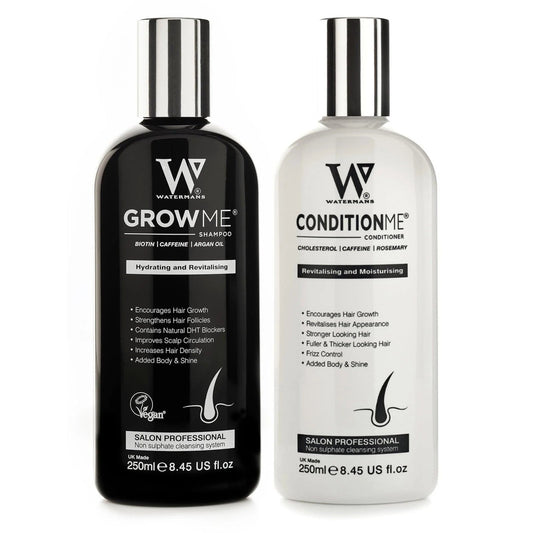
Before considering strong medications or invasive fixes, give your scalp a solid base. A natural option for post HRT shedding is Watermans Grow Me Shampoo.
Why Watermans Grow Me Is A Smart First Step
Watermans Grow Me Shampoo works by mixing active ingredients that help hair in simple ways:
• Biotin helps build the hair’s strength
• Rosemary increases blood flow on the scalp
• Caffeine gives energy to hair follicles
• Niacinamide helps keep the scalp surface healthy
• Argan Oil keeps hair moist and shiny without weight
• Allantoin calms the scalp
• Lupin Protein adds body and supports hair fibers
Your hair follicles face stress when hormones change. Your scalp may feel drier or more sensitive. Hair strands may weaken and break easily. This shampoo works to boost the scalp and guard the hair. Use it every day or as part of your routine. Massage it into your scalp to reach your hair roots.
Creating A Post HRT Hair Care Routine That Helps
To support your hair during a shedding phase, work step by step:
- Scalp cleansing and light massage
- Gentle conditioning and protection
- Strengthening treatments and good habits
1. Focus On Scalp Health
Good hair starts at the scalp. Think about these points:
• Use Watermans Grow Me Shampoo often.
• Gently massage your scalp for 1–2 minutes when you wash. This helps blood move to your hair roots.
• Avoid shampoos with harsh detergents that strip away natural oils.
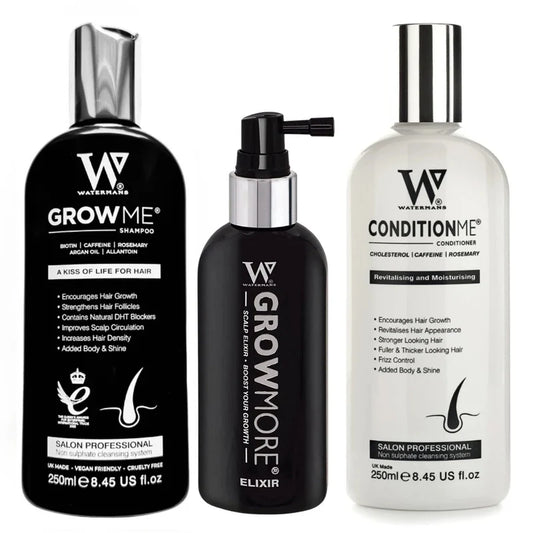
If you want a full set of products, you can try the Watermans Hair Survival Kit. It gives you:
• Grow Me Shampoo
• A conditioner that adds moisture and strength
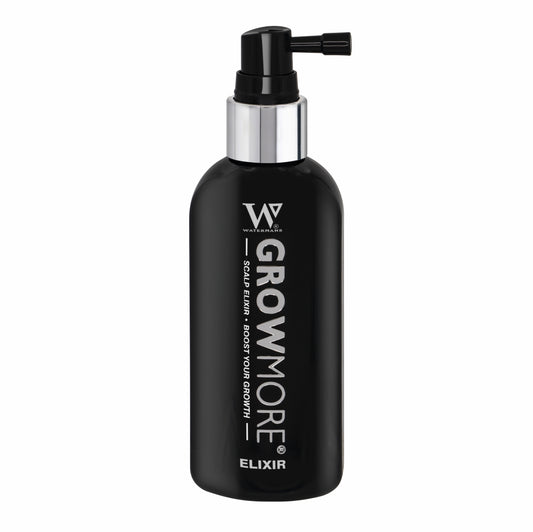
• A leave‑in formula for extra scalp care
This kit works well if you wish to keep things simple and complete.
2. Guard The Hair Shaft
Once hair leaves the follicle, it cannot repair itself. You can only help stop more damage:
• Use a hydrating conditioner on the lengths and ends at each wash
• Once or twice a week, use a deep mask if your hair feels dry or weak
• Use a heat protectant before styling with heat
• Avoid hairstyles that pull on the hair, like tight ponytails or buns
• Choose soft hair ties over tight elastics
• Limit chemical treatments like bleaching or colouring while shedding is active
3. Lifestyle Habits To Support New Growth
Your hair follicles work best when your whole body feels well. Try to:
• Eat enough protein (from eggs, dairy, legumes, tofu, meat, or fish) at every meal. This helps build keratin.
• Check your iron levels. Low iron, measured as ferritin, is linked with more shedding. Ask your doctor if you need a test.
• Manage stress with small steps like a short walk, gentle stretches, or simple breathing exercises.
• Get regular sleep to support hormone balance and tissue repair.
• Stay well hydrated to support blood flow and cell work
Working With Your Doctor On Post HRT Shedding
Your doctor, endocrinologist, or HRT specialist can help you work through the changes. You might discuss:
• When the shedding began compared to the HRT change
• If your current HRT dose and type still suit you
• Blood tests that check:
- Thyroid levels (TSH, free T4, and sometimes free T3)
- Iron levels, especially ferritin
- Vitamin D levels
- B12 and folate if needed
- And androgen levels if pattern thinning is seen
If pattern hair loss is found, your doctor may suggest treatments such as topical minoxidil or anti‑androgen drugs. These treatments work well when paired with a good routine that cares for your scalp and supports a healthy lifestyle.
Post HRT Shedding In Menopause: Specific Considerations
For those who use HRT during menopause, the story is more layered.
How Oestrogen And Progesterone Affect Hair
• Oestrogen helps hair grow longer and thicker in many premenopausal people.
• When oestrogen falls at menopause, hair may grow for a shorter time and more follicles may rest.
• Progesterone can mildly block androgen effects in some cases, which helps reduce DHT effects on hair.
When you start menopausal HRT, your hair may shed while your follicles adjust. If you stop HRT later, another change may cause extra shedding. This can feel unpredictable, even when it follows the body’s shifts.
Supporting Menopausal Hair
To help your hair during menopause, you may want to:
• Review your HRT dose and type if hair loss is strong
• Check for extra androgen effects or thyroid issues
• Make sure you get enough iron, vitamin D, and protein
• Use products like Watermans Grow Me Shampoo to boost volume while things settle
Post HRT Shedding With Testosterone or Anti-Androgen Therapy
If you use testosterone (for masculinising HRT) or anti‑androgens in feminising care, the way hair responds changes a bit.
Testosterone Therapy
Testosterone can change to DHT in the body. DHT is stronger and can trigger hair thinning in those with a family history. Early on, many may notice a shedding phase as the follicles adjust. Later, sensitive follicles may slowly shrink, especially at the crown and hairline.
Anti-Androgen And Oestrogen Therapy
For those on anti‑androgens and oestrogen, reducing androgen action on the hair can lead to better hair strength. Yet, starting or changing the dose can still bring a short shedding phase. A routine that cares for the scalp with Watermans Grow Me Shampoo and the Watermans Hair Survival Kit works well with many treatments.
Emotional Impact: Coping With The Distress Of Post HRT Shedding
Hair loss is not just a look issue. It touches your sense of self. After HRT, you may feel upset because you began treatment to feel better and then see unexpected changes in your hair. It is normal to feel sad, angry, or lost when you notice hair loss. Connect with friends or groups where people share similar stories. A counsellor or therapist who understands hormone changes can also help. Focusing on small, healthy steps can bring a sense of control.
Practical Checklist: Managing Post HRT Shedding
Use this short checklist to guide you:
-
Track timing and pattern
• Note when you began or changed HRT
• Mark when the extra shedding started
• See if the loss is spread out or in patches -
Build a scalp routine
• Switch to Watermans Grow Me Shampoo
• Try the Watermans Hair Survival Kit for a full set
• Massage your scalp gently when washing -
Guard your hair strands
• Use conditioner at every wash
• Limit heat and chemical treatments
• Avoid tight hairstyles and rough brushing -
Check your overall health with your doctor
• Thyroid function tests
• Iron/ferritin levels
• Vitamin D, B12, and folate levels
• A look at other medicines that may affect hair -
Talk to your clinician about HRT
• See if your current dose works well
• Ask about treatments if thinning appears concentrated at the crown or hairline -
Support your body with good habits
• Eat protein at each meal
• Maintain hydration
• Use small stress-relief practices
• Get consistent, enough sleep
By following these steps, you build a simple plan to help your hair as you move past post HRT shedding.
FAQs About Post HRT Shedding
1. How long does post HRT shedding last after stopping hormone therapy?
The extra hair loss after stopping therapy typically starts about 2–4 months after your last dose. It may go on for several months. For many people, the shedding lessens by 6–12 months as the cycle resets. At this time, stick to a good scalp routine with Watermans Grow Me Shampoo, stay on top of your nutrition, and check for issues like thyroid problems or low iron.
2. Can post HRT shedding cause permanent hair loss?
The extra shedding you see is usually a phase where hair rests. It is usually temporary. However, if you also have a tendency for pattern hair loss, the hormone shift may bring that out. Speak with your doctor to see if the hair loss is diffuse or if it follows a typical pattern. A steady scalp routine with Watermans Grow Me Shampoo and the Watermans Hair Survival Kit can help support hair strength.
3. What helps post HRT hair loss regrowth naturally?
To help new growth, try these steps:
• Wash with a gentle shampoo like Watermans Grow Me Shampoo. Its mix of Biotin, Rosemary, Caffeine, Niacinamide, Argan Oil, Allantoin, and Lupin Protein helps the scalp and hair.
• Eat a balanced diet with enough protein and nutrients (iron, vitamin D, B12).
• Limit heat and chemical damage.
• Keep stress low and get enough sleep.
• Use the complete routine found in the Watermans Hair Survival Kit if you need a system that works well together.
These natural steps pair well with your doctor’s advice to support healthy hair regrowth.
Take Back Control Of Post HRT Shedding
Post HRT shedding may feel upsetting, but you are not without options. Your hair follicles change as your hormones adjust. You can act by:
• Building a scalp routine that gives care to your follicles with Watermans Grow Me Shampoo.
• Trying the all‑in‑one Watermans Hair Survival Kit if you prefer a set that works together.
• Working with your doctor to check your HRT and blood tests.
• Supporting your body with small daily changes in hair care, food, rest, and stress control.
If you are ready to give your hair and scalp the care they need while your hormones settle, begin with Watermans Grow Me Shampoo today. This simple change can help your hair feel stronger as you move past post HRT shedding toward a steadier future.