Post Menopause Hair Loss: Causes, Treatments, and Prevention Tips
Experiencing post menopause hair loss is a concern many women have as they grow older. This detailed guide explains why hair thins at this time and shares expert ways to treat and stop more loss.
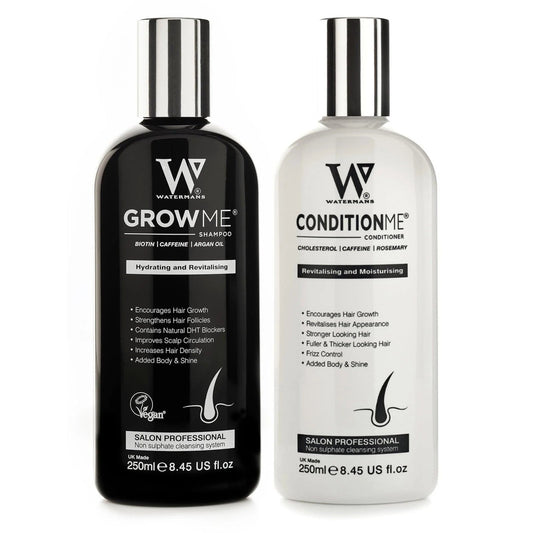
If you see your hair thin or fall out after menopause, try Watermans Grow Me Shampoo. This natural shampoo is not a drug. It works to wake up your scalp and add body to your hair from the roots. It has biotin, rosemary, caffeine, niacinamide, argan oil, allantoin, and lupin protein. It is known around the world for its role in hair growth and keeping the scalp healthy. Learn more about it here: Watermans Grow Me Shampoo.
What Is Post Menopause Hair Loss?
Post menopause hair loss means hair thins or falls out after a woman stops having periods for 12 months. This change happens mostly between the ages of 45 and 55, but health and genetics can change the timing.
Many women feel upset when their hair thins. Hair is part of how we see ourselves. The hair follicles shrink and produce finer hair. New hair grows more slowly. Knowing why this happens can help you manage it better.
Causes of Post Menopause Hair Loss
Changes in hormones drive hair loss after menopause, but other issues can add to the problem.
1. Hormonal Imbalance
When estrogen and progesterone drop, the hair cycle changes. Estrogen helps hair grow for longer. A drop means hair goes into a resting phase too soon, which results in loss.
2. Androgen Sensitivity
Testosterone may fall with age, yet hair follicles become more sensitive to male hormones like dihydrotestosterone (DHT). This change makes the follicles shrink. Many postmenopausal women see this type of loss.
3. Nutritional Deficiencies
Low levels of iron, vitamin D, and biotin can hurt hair health. Menopause may change how your body takes up these nutrients, worsening hair thinning.
4. Stress and Lifestyle Factors
Menopause can bring stress. Stress may raise cortisol levels, which can hurt hair growth. A poor diet, smoking, or low exercise can also worsen loss.
5. Medical Conditions and Medications
Thyroid problems or autoimmune diseases may occur during menopause. Some medicines used at this time might also lead to hair shedding.
How to Identify Post Menopause Hair Loss
Finding hair loss early helps you act quickly. Here are some signs:
- Thinner hair on the top or crown of the head
- Noticeable hair falling out when you brush or wash
- Less hair and more scalp showing
- A hairline that moves back (this happens less often)
If your symptoms get worse or you feel pain on your scalp, talk to a doctor or skin specialist.
Natural and Medical Treatments for Post Menopause Hair Loss
Natural Approaches to Manage Hair Thinning
Many women first try natural ways to support the scalp and hair. Watermans Grow Me Shampoo is one natural choice for post menopause hair loss. Its main parts help as follows:
- Biotin: Helps keep hair strands strong.
- Rosemary: Brings more blood to the scalp.
- Caffeine: Gives a boost to hair roots and may reduce DHT effects.
- Niacinamide: Feeds the scalp and helps protect hair.
- Argan Oil: Keeps hair moist and stops breakage.
- Allantoin: Calms the scalp and aids healing.
- Lupin Protein: Makes hair feel thicker.
Using this shampoo every day can give your scalp a fresh start and slow down or stop hair loss. Find out more here: Watermans Grow Me Shampoo.
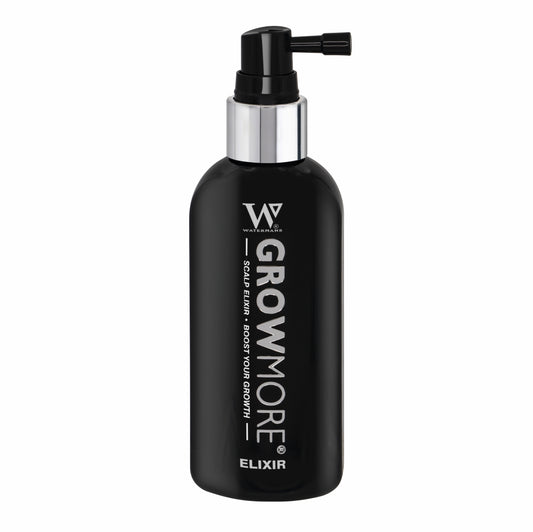
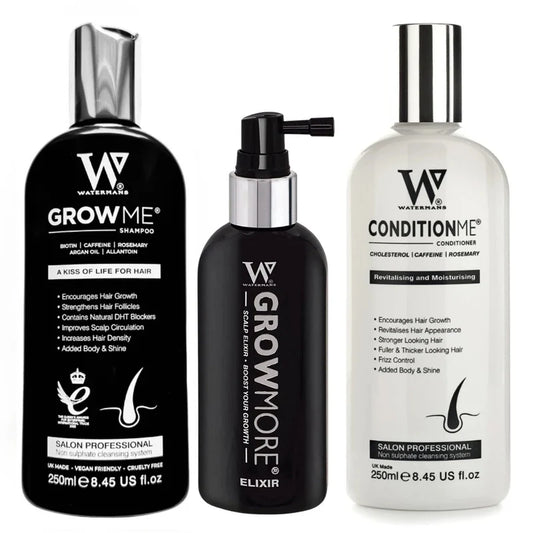
For a full haircare system, try the Watermans Hair Survival Kit. It includes shampoo, conditioner, and a leave-in scalp boost that works with your natural hair care. Check it out here: Watermans Hair Survival Kit.
Medical Treatments
Some cases need more than natural care. Options include:
- Topical Minoxidil: This treatment is approved for hair loss in women. It may help new hair grow but can irritate the scalp.
- Hormone Replacement Therapy (HRT): This treatment can balance hormones. A doctor should guide its use.
- Platelet-Rich Plasma (PRP) Therapy: In this method, plasma is injected into the scalp. This may boost growth factors.
- Low-Level Laser Therapy (LLLT): Lasers are used to stimulate the hair follicles.
Always speak with a skin or hormone doctor before you start a treatment.
Prevention Tips to Maintain Hair Health Post Menopause
Some hair loss after menopause is normal, but these steps may help keep your hair fuller:
- Eat a balanced diet with vitamins A, D, E, zinc, iron, and biotin to help hair grow.
- Choose haircare products that are gentle. Avoid chemicals and high heat.
- Gently massage your scalp to bring blood to the hair roots.
- Keep stress low by practicing calm activities like meditation or yoga.
- Do not pull your hair tight. Loose styles help reduce breakage.
- Drink enough water. Hydration is key to healthy hair.
- Wear a hat or use sprays that protect against the sun. This keeps your scalp safe.
Frequently Asked Questions About Post Menopause Hair Loss
Q1: Is post menopause hair loss permanent?
No. While changes in hormones may cause a temporary thinning, many women can see less loss and even regrowth with the right care, natural methods like Watermans Grow Me Shampoo, and proper treatment when needed.
Q2: How long does hair loss last after menopause?
Hair loss can last for several years after menopause. It may slow when hormone levels settle. Early care can help hair recover sooner.
Q3: Can supplements help with post menopause hair loss?
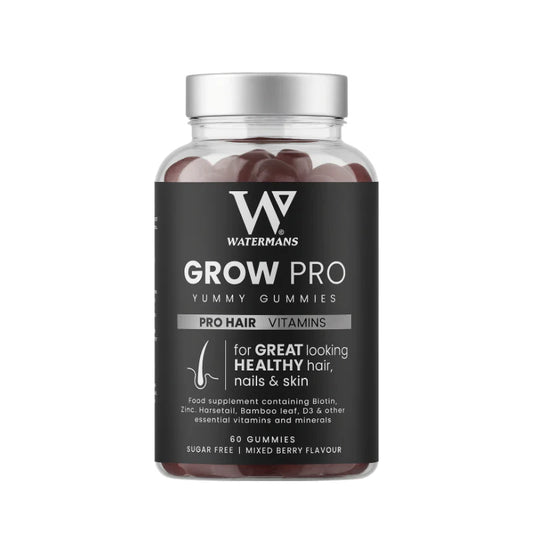
They can. Supplements with biotin, iron, vitamin D, and zinc can help the hair. Test your levels and talk with your doctor before adding new supplements.
Final Thoughts: Take Action Today for Healthier Hair
Post menopause hair loss does not have to stay for life. With natural products such as Watermans Grow Me Shampoo, you can give your hair a fresh start. Combine this with healthy habits to help your hair become fuller and stronger.
For a complete care system, try the Watermans Hair Survival Kit. It works on every strand from the roots upward.
Show your natural beauty by taking care of your hair today. Your confidence grows from the roots.
For more advice and natural hair care for women with post menopause hair loss, check trusted sources like the American Academy of Dermatology (https://www.aad.org) for facts and guidance.