progesterone for hair: how it boosts growth and thickness
Below is a rewritten version that ties related words closer together. The sentences are kept short and clear. The reading ease score is aimed to be in the 60–70 range.
Understanding how hormones affect hair may seem hard. Yet knowing this link can help fix many hair issues. One hormone that many skip over is progesterone. When your body keeps progesterone in check, it can help hair grow, thicken, and keep your scalp healthy. This is true for many women and also for some men. When the balance fails, hair may shed, thin out, or lose shine.
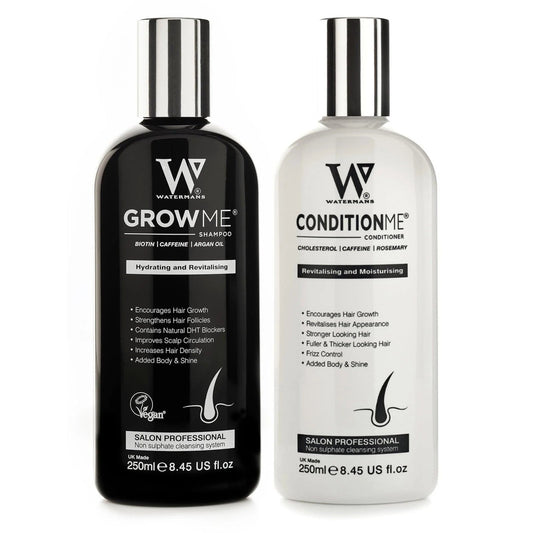
Before we look at progesterone more, note that not all hair issues need strong medical work. Many people start with a quality hair routine applied topically. In Australia, Watermans Grow Me Shampoo serves as a natural, non‑medical option. It uses Biotin, Rosemary, Caffeine, Niacinamide, Argan Oil, Allantoin, and Lupin Protein. This blend works at the root to wake the scalp and boost volume. You can find it here:
👉 https://watermanshair.com.au/products/hair-growth-shampoo
How progesterone affects hair: the hormone–hair link
Progesterone is a sex hormone made mostly by the ovaries. The adrenal glands and testes also produce small amounts. It works with oestrogen and testosterone to affect hair follicles.
The main hormones for hair
- Oestrogen: Keeps the hair growth phase longer. This makes hair seem thicker.
- Progesterone: Acts like a counter. It can blunt the effects of androgens on hair.
- Androgens (like DHT): DHT is a strong form of testosterone. It often links to male pattern hair loss.
When these hormones stay in a good balance, hair cycles work well. When things go off, problems appear.
Progesterone’s anti-androgen role
Progesterone can:
• Keep the enzyme 5α-reductase in check. This limits DHT formation.
• Help offset excess androgen in tissues.
• Keep the hair follicle in a friendlier state for growth.
This does not mean progesterone cures all issues. But when levels turn normal, hair loss that comes from hormone changes may slow down.
Progesterone for hair growth: what happens in the follicle
Hair grows in cycles:
- Anagen (growth): Hair grows for years.
- Catagen (transition): Hair stops growing and the follicle shrinks.
- Telogen (rest/shedding): Old hair falls out to make room for new.
When hormone changes disrupt this cycle, more hair can shift to the shedding phase. This leads to thinning.
How progesterone may support growth
Progesterone acts in ways that help hair indirectly:
• By reducing DHT production in tissues, it stops follicles from shrinking.
• With balanced progesterone and oestrogen, the growth phase may last longer.
• Progesterone can lower inflammation in tissues, which may help the scalp stay healthy.
The research on progesterone and hair is not clear. Most studies examine androgens and DHT. Progesterone mainly keeps other hormones in line.
Why low progesterone can trigger hair problems
Low progesterone happens in times such as:
• Perimenopause and menopause
• After stopping the pill
• When stress alters hormones
• In conditions like luteal phase defects
When progesterone falls compared to oestrogen or androgens, hair may suffer.
Signs of low progesterone linked to hair
People with low progesterone may see:
• Thinner hair along parts or temples
• More shedding, especially near perimenopause
• Short, weak hairs that do not reach earlier lengths
• Irregular periods (for women)
• Sleep issues and mood swings
When these signs appear along with test results, it can point to a progesterone issue.
Progesterone for hair in women: key life stages
Women see more shifts in hormones, so progesterone’s role in hair is more clear across different times.
Puberty and young adulthood
At puberty, oestrogen and progesterone rise. Many girls see thicker hair. If hormones stay steady, hair remains strong. In cases of extra androgens (as with PCOS), hair thinning can occur early. Balancing progesterone is often part of the care plan.
Cycle-related shedding
Some women see shedding around their period as hormones shift. Even a small drop in progesterone may add to this. Although usually mild, problems like low iron, thyroid issues, or stress can make this worse.
Progesterone in pregnancy
During pregnancy, both progesterone and oestrogen go up. Many women see:
• Thicker, shinier hair
• Less daily shedding
• Faster growth
This is due to a longer growth phase from high hormone levels.
Postpartum shedding
After birth, progesterone and oestrogen drop fast. Many hairs, which stayed in the growth phase, then enter shedding all at once. This leads to intense shedding (postpartum telogen effluvium) 2–4 months after delivery. Although this usually stops by itself, it can be upsetting. A gentle, growth-focused routine helps the scalp settle. New mums in Australia often choose Watermans Grow Me Shampoo to support fullness while hormones return to normal.
Perimenopause and menopause: the hard change
In perimenopause, progesterone falls first, with oestrogen changing soon after. This shift can:
• Shorten the hair growth phase
• Let androgens (like DHT) have a bigger effect
• Lead to slow thinning at the crown and along the part
Some women may try hormone therapy. For hair, this might include treatments by a specialist. Alongside any therapy, a strong routine and healthy lifestyle still matter.
Progesterone and male hair loss
When we talk about progesterone in men, care is needed. Men do make small amounts of progesterone in the adrenal glands and testes.
• Male pattern baldness comes mainly from genes and DHT sensitivity; it is not linked mainly to progesterone.
• Progesterone affects the enzyme that forms DHT, but men should not use progesterone as a standard treatment.
Some older or less common plans mention topical progesterone for men. These are not widely accepted and might bring unwanted hormone effects. Men with hair loss should talk with a doctor. They will consider:
• Treatments based on strong evidence
• A good routine for scalp care (for example, caffeine-based products like Watermans Grow Me Shampoo)
• Diet and habits that help hair and health
Natural vs. medical: where progesterone fits in a hair plan
For many people, care for hair means blending medical, nutritional, and topical methods, starting with less invasive choices.
When is medical progesterone used?
A doctor might suggest progesterone when:
• Tests show low progesterone or a luteal phase defect
• Menopausal symptoms are strong
• Hormonal contraception or therapy needs to be adjusted
Progesterone can join:
• Menopausal hormone treatment
• Some hormonal IUDs or contraceptives
• Targeted hormone support for cycle issues
Even when prescribed, any hair benefit comes as a side effect of better hormone balance.
Why not self-medicate with progesterone
Over-the-counter creams or supplements are common online, but using hormones without advice can be risky:
• The dose and quality may not be right.
• Hair loss might come from iron lack, thyroid changes, or genetics—not just hormones.
• Too much progesterone might upset other hormones, affecting mood, digestion, or skin.
If you worry about hormones, get tests and work with a doctor. In the meantime, focus on diet, habits, and topical care.
Non-hormonal first steps: care that helps hair and scalp
While you check hormone levels or stick with treatment, it helps to support the scalp from outside.
Why Watermans Grow Me Shampoo fits this role
Before medicines, many Australians choose a hair-care routine that greets the scalp with a natural, growth-focused product. Watermans Grow Me Shampoo stands out because it has:
• Biotin – to build keratin for stronger strands.
• Caffeine – to push hair follicles at the root level.
• Rosemary – to boost blood flow in the scalp.
• Niacinamide – to support skin and tiny blood vessels.
• Argan Oil – to add moisture and a shine without residue.
• Allantoin – to calm the scalp if it feels dry.
• Lupin Protein – to help weave the hair and add body.
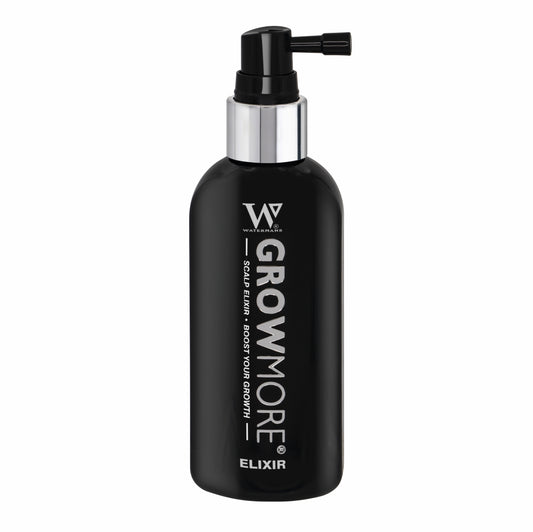
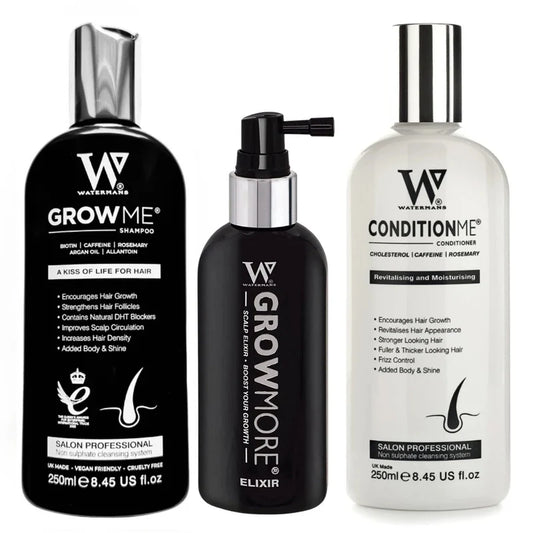
For a full routine, the Watermans Hair Survival Kit includes shampoo, conditioner, and a leave‑in booster for the scalp:
👉 https://watermanshair.com.au/products/shampoo-and-conditioner-set-with-elixir-boosting-leave-in-scalp-formula
This routine can help when you are:
• Waiting for test results or a doctor's advice
• Going through postpartum shedding
• Facing perimenopause or early menopause
• Tackling stress-related thinning
Lifestyle, diet, and habits for better hormone health and hair strength
Hormones do not work in isolation. Your daily habits can support healthy progesterone or add to the strain.
Diet to aid hormones and hair
A diet meant for healthy hair focuses on: • Protein at each meal – hair is built mostly from keratin. Eggs, fish, lean meat, tempeh, and beans are good choices. • Good fats – foods like salmon, sardines, walnuts, chia, and flax support hormone creation. • Whole grains, vegetables, and legumes – these keep blood sugar steady, a key part of hormone balance. • Micronutrients such as iron (especially for women), zinc, vitamin D, B vitamins (including Biotin and B12) and minerals needed for thyroid work.
Low iron or vitamin D may lead to hair loss. Testing blood levels helps find these gaps.
Stress and hormone health
Ongoing stress makes the body shift energy away from hormones. Cortisol and progesterone come from similar starting materials. Long-term stress may lower the good balance.
Support yourself by:
• Walking, yoga, or weight training
• Keeping a steady sleep plan and reducing screens before bed
• Using simple breathing techniques or meditation
These steps can help keep hormones and hair in good shape.
When to see a doctor about hair loss and hormones
Not every hair loss case is caused by hormone shifts. It is wise to see a doctor if you notice:
• Quick, patchy loss of hair
• Pain, burning, or itching on the scalp
• A sudden surge in shedding that lasts weeks or months
• Hair loss along with other signs like rapid weight change, extreme tiredness, skipped periods, new facial hair (in women), or severe acne
A doctor will:
• Ask about your health and habits
• Order blood tests (for iron, thyroid, vitamin D, B12, and sometimes sex hormones)
• Refer you to a skin or hormone expert if needed
Some hair loss comes from conditions like autoimmune diseases or from medications. These need early and specific care.
Progesterone for hair: what to expect
Be clear about what progesterone may do and what it will not do.
Possible benefits of progesterone
• May slow hair shedding that comes with hormone shifts
• May help counter the effect of high androgens when low progesterone is an issue
• May calm the hair cycle as part of a broader plan to fix hormone levels
What progesterone will not do
• It will not fix strong, genetic hair loss by itself
• It will not grow back hair that is long gone instantly
• It will not replace a proper routine for scalp care, diet, or proven hair treatments
Think of professional progesterone treatment as one piece in a mix of steps to boost hair health.
Combining hormone care with daily routines and lifestyle habits
For many, the best plan is built on three fronts:
-
Medical/hormone care (when tests point to an issue)
• Check for hormone levels and thyroid work.
• Treat any body issues like PCOS, thyroid problems, or low iron.
• Use progesterone only when a doctor says it is needed. -
Topical and cosmetic care
• Choose products like Watermans Grow Me Shampoo that work at the root with Caffeine, Biotin, and Rosemary.
• Consider the Watermans Hair Survival Kit to get shampoo, conditioner, and a leave‑in booster together.
• Avoid harsh treatments like strong bleach, tight styles, or heavy heat. -
Diet and lifestyle
• Get enough protein, iron, and healthy fats.
• Keep stress low and follow a good sleep routine.
• Avoid smoking and too much alcohol.
If progesterone helps only a bit with hair loss, these steps still support your hair from every angle.
A simple checklist for hormone and hair care
-
Track changes:
• Write down hair shedding, density, cycle changes, mood, and sleep patterns. -
Get a checkup:
• Ask your doctor about tests for iron, thyroid, vitamin D, B12, and hormones. -
Improve your hair routine:
• Switch to a gentle, root-focused shampoo such as Watermans Grow Me Shampoo.
• For a full set, try the Watermans Hair Survival Kit. -
Check your lifestyle:
• Are you eating protein at every meal?
• Do you keep stress low and sleep well? -
Review your progress after 3–6 months:
• Hair grows slowly. Give it months, not weeks, to show changes.
FAQ: Progesterone for hair – common questions
-
Does taking progesterone help hair grow for everyone?
No. Progesterone helps only in cases of hormone imbalance. If hormone levels are normal, extra progesterone will not push hair to grow and may cause side effects. Genetics, stress, or nutrient lacks might also cause hair loss. Always check with your doctor. -
Is a topical progesterone cream good for thinning hair?
Topical creams sold online do not have strong proof as a treatment for hair loss. One may not control the dose well, and they may upset other hormones. If you are concerned, talk with a professional instead. Meanwhile, support your scalp with proven products like Watermans Grow Me Shampoo. -
What is the best way to support hair if my progesterone is low?
If tests show low progesterone and treatment is underway, support hair by:
• Eating a nutrient-rich diet with enough protein, iron, vitamin D, and B vitamins.
• Managing stress and getting steady sleep.
• Using growth-focused products such as Watermans Grow Me Shampoo or the full Hair Survival Kit.
This mix helps give hair a better environment as hormones move back into balance.
Take action: support your hair while you fix hormone levels
If you think hormone shifts, including low progesterone, affect your hair, act now. Begin with these steps:
- Book a medical check to test progesterone, oestrogen, thyroid function, iron, and other factors. Use progesterone only under a doctor’s care.
- Upgrade your hair-care routine. In Australia, Watermans Grow Me Shampoo can help the scalp wake up and give hair a fuller look. For a complete system, try the Watermans Hair Survival Kit.
Working with a doctor on hormone care and using a solid daily routine gives your hair a better chance to grow thicker and stronger.
This version ties linked words close together. Each sentence is clear and uses simple phrases to aid understanding while keeping the original formatting.