progestin hair loss: What Causes It and How to Regrow Hair
Progestin hair loss can feel confusing and scary. It starts fast when you change your birth control, hormone treatment, or some drugs. You see more hair in the shower or your ponytail gets thinner after beginning a progestin treatment. Your hormones affect how hair grows and falls out. The good news is that with clear facts and a careful plan, many people can slow, stop, and even regain some hair. A smart first step is to change to a gentle, growth-focused routine with the use of Watermans Grow Me Shampoo from Australia’s Watermans Hair line. This non-medical choice works with nature to care for your scalp and helps hair look thicker.
Below you will read how progestin affects hair, why some are at risk, and the best ways to care for new growth using natural and medical steps. This helps you choose what is best for your hair and your whole body.
What Is Progestin Hair Loss?
Progestin hair loss means hair thins or falls out more after you start, change, or sometimes stop a progestin drug. These include:
- Some hormonal birth controls (pills, implants, IUDs, shots)
- Hormone therapy for menopause that uses progestin
- Some treatments for gynecological issues
Progestin is a man-made form of progesterone, a key female hormone. Natural progesterone helps keep balance, but some man-made forms act like testosterone. This change can cause hair loss in people who are prone to it.
Not all people lose hair from progestin. Those who do may notice:
- Thinning all over the head (especially at the part or crown)
- More hair on the brush, pillow, or drain
- Sometimes, a look that follows a pattern seen in male hair loss (with thinning at the temples or crown)
How Does Progestin Cause Hair Loss?
To see why hair loss happens, look at hormones and hair cells.
1. Androgen-Like Action
Not all progestins act the same. Some behave like male hormones. This can affect hair cells on the top of the head.
- The cells on your scalp are very sensitive to DHT.
- In some people, DHT shrinks hair cells. This makes each new hair:
- Fine
- Short
- Sometimes turn to small, barely visible hairs
Some progestins may:
- Increase male hormones in the blood, or
- Attach to cells in a way that acts like DHT.
This change can speed up pattern hair loss if you already have a genetic risk.
2. Change in Hormone Balance
Oestrogen helps hair stay in its growth phase longer. When you use a progestin-only method or shift your hormone balance, you may get:
- Less oestrogen effect
- More progestin or male hormone effect
This shift causes hair to leave the growth phase sooner and enter the falling out phase, which you may see a few months after a change.
3. Telogen Effluvium from Hormone Change
Even if a progestin does not act strongly like a male hormone, a fast change in hormones can shock your hair cells. This shock makes more hair fall out. It can happen:
- When starting or stopping the pill
- After pregnancy or a miscarriage
- With quick weight loss or strong stress
This type of hair loss can improve over time if you care for your scalp and follow healthy habits.
Who Is Most at Risk of Progestin Hair Loss?
Not all users of progestin drugs will lose hair. Risk is higher if you have one or more of these features:
1. Family History of Hair Loss
If your parents, grandparents, or siblings have pattern hair loss, your hair cells may be sensitive to male hormones. Progestin can then:
- Bring out a genetic tendency you did not see before
- Make a slow process become faster
2. Earlier Signs of Thinning or Shedding
If you have seen:
- Thinning at the top or widening of the part, or
- Hair falling out after earlier hormone changes
you may be more at risk when hormones change again.
3. Progestin with a Strong Androgen Effect
Some progestins act more like male hormones. Their strength can cause:
- Acne
- Oily skin
- Hair loss on the head while hair may grow on other areas
Talk with your doctor about your specific progestin. There may be options that are easier on your hair.
4. Other Health Conditions
Other issues can also make hair loss worse:
- Polycystic ovary syndrome (PCOS)
- Thyroid problems
- Low iron
- High stress or a long illness
These problems add extra strain on hair cells.
Recognising the Signs of Progestin Hair Loss
Noticing early signs helps you act before much thinning occurs.
Key signs are:
- Timing: Hair loss or shedding starts 2–4 months after a progestin change (sometimes later, up to 6 months).
- Diffuse thinning: Hair feels lighter, and you may see more scalp, especially under light.
- Daily shedding: You see extra hair on your pillow, in the shower, or when you brush.
- Hair texture: Hair feels finer or more brittle and has less volume.
- Frontal hair stays steady: In many cases of hormone change, hair at the front stays the same while the crown thins.
If you see these patterns, talk with a health worker and review your hormone plan.
Is Progestin Hair Loss Permanent?
If hair loss stays or returns depends on what started it:
-
Pure Telogen Effluvium (a shock to the system)
- This type often turns around.
- Hair may come back near its old density in 6–12 months if you support your scalp and keep healthy habits.
-
Uncovering or Speeding Up Pattern Hair Loss
- If progestin shows a genetic pattern, the loss is long term without care.
- With early steps – a scalp-care routine and medical help – hair density may improve or stay steady.
-
A Mixed Case
- Many people see both a shock loss and an underlying pattern loss.
- In these cases, some density comes back, but the genetic loss might need its own care.
Because this is not a one-size-fits-all issue, it helps to mix medical advice with a non-medical hair routine like that of Watermans Grow Me Shampoo that works with nature to care for your scalp.
First-Line Approach: Non-Medical, Hair-Friendly Support
Before you add new medications, it is wise to build a routine that takes care of your scalp and lowers stress on sensitive hair cells.
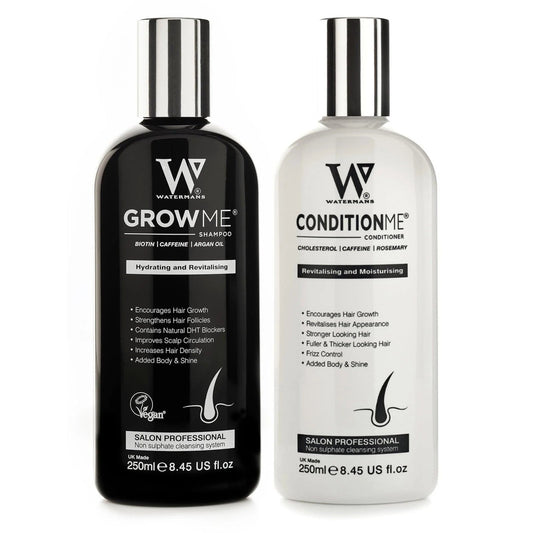
Watermans Grow Me Shampoo: A Natural, Scalp-Caring Base
For many who see hair loss with progestin, a gentle but active shampoo makes a clear difference to how full and healthy the hair seems and feels. In Australia, Watermans Grow Me Shampoo is a top pick for those who want a natural, non-medical step.
This shampoo is made with a mix of ingredients that care for your scalp and hair:
- Biotin – Builds keratin and supports strong hair.
- Rosemary – Helps blood flow under the scalp.
- Caffeine – Acts at the hair cell and supports thicker strands.
- Niacinamide – Aids the scalp barrier and blood flow.
- Argan Oil – Gives moisture and makes hair easier to style.
- Allantoin – Soothes the scalp for those with sensitivity.
- Lupin Protein – Adds body and strength from the roots.
This mix works to wake up the scalp and fill in hair from the roots. You can learn more here:
Watermans Grow Me Shampoo

When you use a shampoo like this often it:
- Keeps the scalp clean without harsh stripping
- Helps blood flow and supports hair cells
- Makes hair look fuller as it grows
Pair this with a mild, water-rich conditioner and low-heat styling. This simple change can make a real difference while you and your doctor work on the hormone side.
Medical Options: Adjusting Progestin and Other Treatments
While hair care at home is key, many cases also need a review of the hormone medicines.
1. Check Your Current Progestin with Your Doctor
Never change your hormone drugs without speaking to your doctor. Share with your doctor:
- Which progestin you take
- Why you take it (birth control, endometriosis, hormone therapy, etc.)
- When your hair loss began after starting the drug
Your doctor might plan to:
- Change to a pill with less male hormone effect
- Swap from a progestin-only method to a combined pill (if safe)
- Use a non-hormonal method if birth control is the only need
- Adjust your hormone therapy so it cares better for your hair
Some women see less loss a few months after these changes when they use a scalp-care routine like the one with Watermans Grow Me Shampoo.
2. Target Male Hormones (When Needed)
If your doctor thinks male hormones are the main cause of hair loss (for example, with PCOS or strong progestin effects), other treatments may be used:
- Oral treatments that block male hormones (such as spironolactone or certain pills)
- Topical or oral minoxidil to keep hair in the growth phase
These need close care by your doctor, especially if you might get pregnant, so follow their guidance.
3. Check for Other Causes
A full check may include:
- Blood tests for thyroid issues, iron levels (ferritin), vitamin D, and B12
- Looking for scalp inflammation
- Reviewing your diet, stress, sleep, and other medicines
Taking care of these needs can help your hair react better to hormonal shifts and scalp treatments.
Daily Habits to Support Hair Regrowth After Progestin Hair Loss
You may not change your genes, but you can shape the way your hair grows.
1. Scalp Care Routines
- Use Watermans Grow Me Shampoo regularly. Gently massage it into your scalp for one or two minutes to boost blood flow.
- Skip harsh shampoos that strip your hair, or too many washes with drying products.
- Rinse well to keep buildup away from the scalp.
2. Gentle Hairstyles
- Avoid very tight ponytails, buns, or braids that pull on weak roots.
- Cut down on heat from straighteners or curling irons. When you use heat, put on a protectant and keep the heat low.
3. A Balanced Diet
Your hair is not the top priority for the body. If the body lacks key nutrients, hair can suffer first. Try to eat:
- Enough protein from lean meats, dairy, eggs, beans, or tofu
- Foods high in iron (red meat, leafy greens, beans) with vitamin C to help absorption
- Healthy fats (olive oil, avocado, nuts) for hormones and scalp care
If you worry about low levels, speak with your doctor about testing and supplements.
4. Lower Stress
Ongoing stress can push more hair to fall out. Help your hair by caring for your mind:
- Do mild exercise
- Try quiet time with yoga, meditation, or slow breathing
- Keep good sleep habits and limit long work hours or screen time
What to Expect: Timelines for Improvement
Hair does not grow fast. All changes—whether from home care or treatments—need time.
A real timeline for many with progestin hair loss is:
-
0–3 months
- Hair may keep falling or even seem worse after a change.
- Scalp care (with Watermans Grow Me Shampoo) starts to make hair feel better.
-
3–6 months
- Hair loss may slow down.
- Fine, new hairs may appear along the hairline or part.
- Hair at the roots may begin to look fuller.
-
6–12 months
- Thicker new hair and better coverage at the crown and part may be seen.
- Hair feels denser, especially when male hormones are under care and the scalp is healthy.
Be patient. Hair cycles are slow, and you must wait 6–12 months to see if the changes work.
Advanced Non-Medical Support: Routines and Kits
If you want to add more to your routine than just shampoo, you can use extra products.
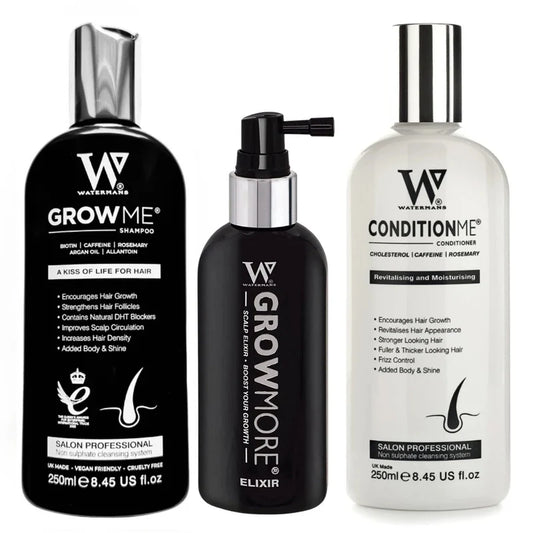
A simple method is to use a kit made for both scalp and hair length care. In Australia, many choose the
Watermans Hair Survival Kit. This kit comes with:
- Grow Me Shampoo – to wake the scalp and clean without stripping
- A soft conditioner – to protect and build the hair shaft
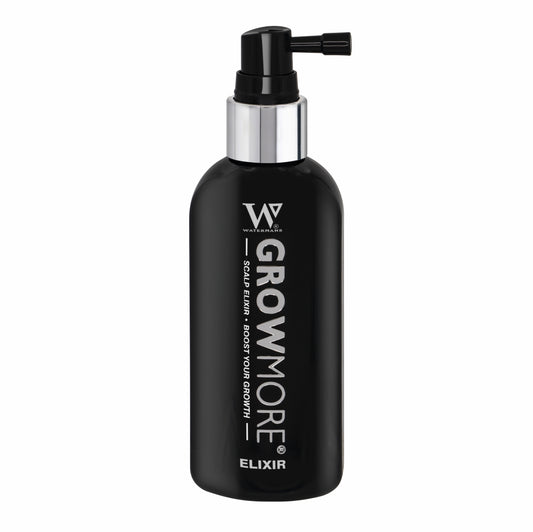
- A leave-in scalp liquid – for extra care between washes
These kits help you:
- Keep a routine with products that work together
- Stay steady with a plan that shows changes over time
- Care for both roots and ends of the hair
Using the kit with gentle styling, good food habits, and support from your doctor gives your hair a strong base while you manage the hormone side.
When Should You See a Doctor or Specialist?
Many cases of progestin hair loss get better with time and proper care. But some signs mean you should see a doctor:
- Hair loss that is fast and strong, with clear bald patches or wider gaps
- Scalp problems like strong itch, burning, flaking, or swelling
- Hair loss with changes in periods, acne, weight shifts, or extra hair on the face/body (which may show PCOS or other issues)
- No change after 6–12 months of new care and medicine review
In Australia, you can start with your GP. They can:
- Check for health causes
- Review the hormone treatments you use
- Point you to a skin or hormone expert if needed
A skin doctor who studies hair issues may use a small camera study or a biopsy to tell if hair loss is from a shock or a pattern.
Practical Action Plan for Progestin Hair Loss
Here is a clear, step-by-step guide you can use or change as needed:
-
Record the Timing
- Write down when you began or changed your progestin drug.
- Match this day with when you saw hair loss.
-
Start Topical Care Right Away
- Switch to a gentle, growth-focused shampoo like
Watermans Grow Me Shampoo. - Wash as needed for your hair type and massage your scalp gently.
- Switch to a gentle, growth-focused shampoo like
-
Review Your Styling
- Use loose hairstyles, avoid hard brushing, and cut back on high-heat tools.
- Use few light products to stop buildup.
-
Support Your Body from Within
- Eat plenty of protein, iron-rich food, and healthy fats.
- Stay well hydrated and calm.
-
Talk with Your Doctor
- Ask if you can switch to a different hormonal treatment that is easier on your hair.
- Request tests for iron, thyroid, and other markers.
-
Try Extra Non-Medical Support
- Consider a kit like the
Watermans Hair Survival Kit
for a steady three-step plan (shampoo, conditioner, and scalp tonic).
- Consider a kit like the
-
Review Your Progress at 3, 6, and 12 Months
- Compare pictures of your scalp or part line.
- Watch for a stop in shedding and the start of new hair.
Follow these steps to work on progestin hair loss from every angle—hormonal, scalp care, and daily habits.
Frequently Asked Questions About Progestin Hair Loss
Does all progestin cause hair loss, or only certain types?
Not every progestin causes hair loss. Loss happens more with progestins that act strongly like male hormones. Some newer types are made to have a neutral or even a blocking effect on male hormones. Ask your doctor about the progestin you take and if a different one might help reduce hair loss.
Can progestin-related hair loss turn back once I stop or change medicines?
In many cases—especially when loss comes from a hormonal shock—hair can return in 6–12 months after you change the drug. If progestin speeds up a pattern you already have, full retracing is less likely. Still, a mix of gentle hair care with Watermans Grow Me Shampoo, healthy habits, and proper treatment can help keep hair density or slow loss.
What is the best shampoo to use while facing progestin hair loss?
A good shampoo for progestin hair loss is one that is soft on the scalp and has ingredients that support growth. Many people in Australia like
Watermans Grow Me Shampoo. It has biotin, rosemary, caffeine, niacinamide, argan oil, allantoin, and lupin protein. This mix works well to care for the scalp and gives hair a thicker look while you work on the hormone side.
Next Steps: Start Supporting Your Hair Today
If you face progestin hair loss, you do not need to stand still. Start by caring for your scalp and hair and by asking your doctor for a check of your hormone plan.
Begin by changing your daily routine to one that wakes up your scalp and promotes hair that looks full, such as with
Watermans Grow Me Shampoo. For a fuller routine, try the
Watermans Hair Survival Kit. This kit uses shampoo, conditioner, and a scalp formula that work together. Mix this with gentle styling, good food, and a review of your hormone treatment. In time, your hair may grow back thicker and shine once again.