scalp androgen receptors: breakthrough strategies to stop hair loss
Understanding scalp androgen receptors is a key to why hair falls and how you may slow or reverse it. Whether you see early thinning, a receding hairline, or more hair in the drain, knowing these receptors helps you choose the best prevention and care.
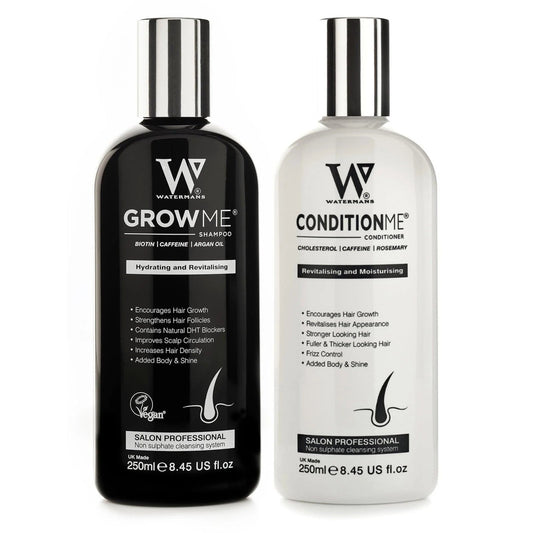
Before you use heavy medical options, start with tested, high-quality shampoos that calm your scalp and lower DHT effects on hair roots. In Australia, one well-known natural choice is the Watermans Grow Me Shampoo. Its blend of Biotin, Rosemary, Caffeine, Niacinamide, Argan Oil, Allantoin, and Lupin Protein works to refresh the scalp and boost root volume. Many people choose it as the first guard in their hair-loss care plan.
h1: What Are Scalp Androgen Receptors?
Scalp androgen receptors are special proteins in hair cells. They bind with hormones like testosterone and a stronger form called dihydrotestosterone (DHT). Think of them as docking points. When DHT locks onto a receptor in a sensitive hair cell, it sets off a chain of changes:
- The hair’s growing time (anagen) becomes shorter.
- The resting time (telogen) becomes longer.
- The hair shaft grows thinner over time.
These shifts can lead to hair loss on the top of the head, a receding hairline, a wider part in women, or an overall lighter hair density. This pattern is known as androgenetic alopecia. It happens because of the mix of scalp receptors, hormones, and your genes.
h2: How Scalp Androgen Receptors Drive Hair Loss
To plan new ways to care for your hair, you must know how these receptors work.
h4: The Hormone–Receptor Connection
Here is how the process flows:
- In some scalp areas, the enzyme 5-alpha-reductase changes testosterone into DHT.
- DHT has a strong tie with the receptors—those in hair cells at the temples and crown are rich in them.
- When DHT binds to the receptors, the receptors wake up.
- The active receptors move to the cell nucleus and change gene instructions related to hair growth.
- For some people, this signal makes the hair cell shrink and produce smaller, shorter hairs.
Each person’s hair cells act in their own way. Two people might have similar hormone amounts, but one keeps thick hair while the other loses it early. The difference comes from:
- The number and touchiness of scalp receptors.
- The local work of 5-alpha-reductase.
- Gene changes in the hair cell reaction.
h4: Why Some Scalp Areas Are More Impacted
Receptors are not spread equally across your scalp. Areas like the temples, front line, and crown have more receptors and show stronger DHT action. The back of the head (the occipital area) usually has hair that resists change. This is why people rarely lose hair on the sides and back until very late.
h2: Can We “Turn Down” Scalp Androgen Receptors?
You cannot remove or turn off scalp receptors completely. Still, you can change how much they react and work. New methods work by:
- Cutting down DHT near the hair cell.
- Changing the way receptors act when they meet hormones.
- Building up the hair cell so it stays strong even when the receptors are active.
A mix of well-chosen shampoo, lifestyle shifts, and, when needed, medical care is often all you need.
h2: Natural First-Line Strategy: Supporting Scalp Health
Before you try prescription drugs or other invasive methods, you may gain much by keeping your scalp strong. This involves minding your scalp, caring for hair cells, and gently easing the load on scalp receptors with smart products.
h4: Why Start With a Targeted Shampoo?
Your shampoo meets your scalp several times each week. This is a good chance to bring helpful ingredients to your hair cells. A good shampoo can:
- Spur better blood flow.
- Calm swelling in the hair area.
- Supply proteins and oils to strengthen the hair shaft.
- Provide research-backed components like caffeine and some plants.
Watermans Grow Me Shampoo is a popular non-drug option in Australia. Its mix includes:
- Biotin – helps build the hair’s protein.
- Caffeine – may counter some DHT effects on cells.
- Rosemary – linked to better scalp blood flow.
- Niacinamide (Vitamin B3) – helps the scalp barrier work well.
- Argan Oil – smooths and protects the hair shaft.
- Allantoin – calms any scalp irritation.
- Lupin Protein – a plant protein that adds body to hairs.
This shampoo does not stop receptors from working. Instead, it builds a friendlier scalp ground, cuts down other problems (like swelling and low blood flow), and makes your hair look fuller.
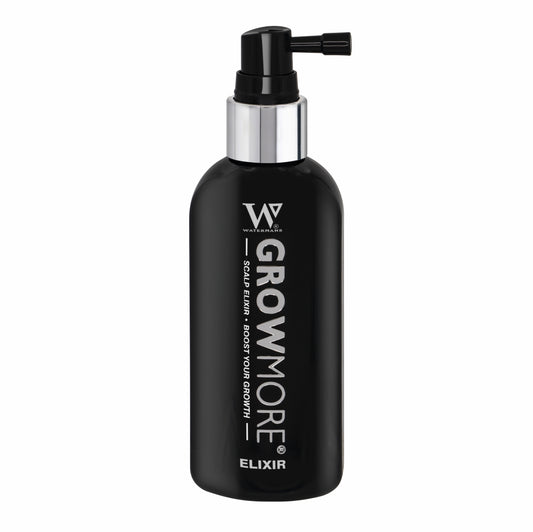
Some people use the Watermans Hair Survival Kit. This set of shampoo, conditioner, and scalp tonic works as a steady support system, not relying only on drugs.
h2: Key Ingredients That Work With Androgen-Driven Hair Loss
Some ingredients in cosmetic products may help in the fight against hair loss related to scalp receptors.
h4: Caffeine
Caffeine is well-studied in hair care. It may:
- Fight DHT-related shrinking at the hair cell.
- Stimulate hair cells in some tests.
- Help hair grow for a longer period.
In watches like Watermans Grow Me Shampoo, caffeine appears in the right amounts to support the scalp and lessen some DHT stress on cells.
h4: Rosemary and Plant Extracts
Rosemary is known for its benefits:
- It may improve blood flow in the scalp.
- It shows antioxidant and calming features.
- It is often mentioned as a natural stand-in when compared with regular treatments for hair strength.
Using the shampoo with rosemary gives the scalp a dose of care without wide-reaching side effects.
h4: Niacinamide and B Vitamins for Blood Flow
Niacinamide helps the skin on the scalp. It may:
- Firm up the skin layer of the scalp.
- Give tiny boosts to blood flow.
- Calm the skin with a low inflammation profile.
Reducing inflammation helps hair cells work better, and this can side-step some DHT effects.
h2: Medical Strategies for Scalp Androgen Receptors
If your hair loss is moderate or fast, a doctor may guide you with medical options.
h4: 5-Alpha-Reductase Inhibitors (DHT Reducers)
These drugs do not change the receptors. They lower the DHT that binds to them. Examples are Finasteride and Dutasteride (prescription-only in Australia). They act by cutting the enzyme 5-alpha-reductase so that less testosterone turns into DHT. This means less DHT for the hair cell, less activation of the receptor, and slower miniaturisation over time.
Keep in mind:
- They usually work for men. In women, they are used with care.
- Side effects may include sexual changes, mood shifts, and more. Discuss these with your doctor.
- Their effects last only as long as you keep using them.
h4: Topical Anti-Androgen Approaches
Some creams and lotions work on the scalp by aiming at the receptors and DHT locally. Examples include combinations with topical finasteride. These are prescription-only and need careful use.
h4: Minoxidil – Working Alongside Receptor Strategies
Minoxidil does not act on the receptors directly. Instead, it:
- Extends the hair’s growing phase.
- Raises blood flow around the hair cell.
- May boost the hair shaft’s thickness.
Many choose to use minoxidil with DHT-reducing treatments because lowering DHT can slow the hair cell shrinkage, while minoxidil gives the cell a boost.
h2: Lifestyle Factors That Affect Androgen Action on the Scalp
Your overall health shapes how hormones and swelling affect hair loss.
h4: Diet and Nutrient Status
Some low nutrients can make hair loss seem worse. Low iron, low protein, or low vitamins (like Vitamin D, B12, zinc) can add to hair shedding. You may:
- Eat a balanced, protein-full diet with lean meats, fish, legumes, and eggs.
- Include healthy fats from olive oil, avocado, or nuts to keep hormones in balance.
- Ask for blood tests if you see more shedding than normal.
A good diet plus sound shampoo care improves your chance of keeping hair thick.
h4: Stress, Cortisol, and Hair Cycles
Long-term stress may raise cortisol, which can push more hairs into the resting (telogen) phase. Lowering stress with regular exercise, a steady sleep routine, and calm practices can help keep your hair cycle in place.
h4: Scalp Environment and Inflammation
Scalp issues like dermatitis or psoriasis raise swelling around hair cells. This can add to the DHT effect. Using a gentle yet active shampoo like Watermans Grow Me (with soothing Allantoin and blood flow supporters like Niacinamide) may help calm the scalp while you work with a doctor on any issues.
h2: A Daily Routine to Support Scalp Androgen Receptors
A good routine does not remove receptors. Instead, it eases their load and helps hair cells work well.
h4: A Daily/Weekly Plan
-
Wash regularly with a targeted shampoo.
• Use Watermans Grow Me Shampoo three to five times a week based on your scalp’s oil.
• Gently massage for one or two minutes to boost blood flow and to help the ingredients settle in. -
Use a conditioner to guard the hair shaft.
• Apply it mainly on the lengths and ends so as not to overload the roots. -
Use a leave-in scalp tonic.
• Put it on thinning spots and massage gently. -
Consider medical or cosmeceutical treatments as advised by your doctor.
• Use products like topical minoxidil exactly as told to avoid irritation. -
Keep your lifestyle in sync.
• Manage stress, sleep well, and eat a balanced meal plan.
• Avoid tight hairstyles or harsh chemicals that may add extra stress to your hair.
This well-layered routine respects the natural work of scalp receptors while giving your hair a stronger chance to keep its thickness.

h2: New Research in Androgen Receptor Science
Scientists keep working on scalp receptors. They ask:
h4: AR Sensitivity and Gene Change
Researchers want to know:
- Why some hair cells hold more receptors.
- How gene changes in the receptor affect hair loss risk.
- Ways to calm receptor activity only in the scalp.
Their work aims at lowering DHT signals in hair cells without affecting the rest of the body.
h4: Topical Agents for Local Hormone Change
Some studies look at creams that block 5-alpha-reductase only in the skin. This may lower local DHT, ease receptor activity, and cut down side effects when compared to oral drugs.
h4: Regenerative Treatments and Hair Cell Rescue
Other methods include:
- Stem cell treatments to renew shrunken hair cells.
- Platelet-rich plasma (PRP) injections to bring growth factors to the scalp.
- Microneedling with creams to boost absorption.
These new methods add to the basic shampoo care and lifestyle support you already use.
For more details on androgenetic alopecia and how androgens affect hair, visit the American Academy of Dermatology at https://www.aad.org.
h2: Common Myths About Scalp Androgen Receptors and Hair Loss
Many ideas about hormones and hair are off the mark. Let us clear a few up.
h4: Myth 1 – “High Testosterone Always Means Hair Loss”
The fact is:
- Many with high-normal testosterone keep a good head of hair.
- Many with hair loss show average testosterone levels.
- The key is how much DHT is made and how sensitive the scalp receptors are.
h4: Myth 2 – “If My Father Is Bald, I Cannot Change My Fate”
Genes play a part. Yet, hair loss comes from many genes. You cannot change your genes, but you can change how they work. A good routine that mixes smart shampoos like Watermans Grow Me with extra care may shift your hair’s course.
h4: Myth 3 – “Shampoos Cannot Help With Androgen-Related Hair Loss”
It is true that shampoos are not drugs. They do not "turn off" receptors. Still, they can support your scalp by:
- Boosting blood flow and calming your scalp.
- Bringing ingredients (like caffeine, rosemary, and Niacinamide) that research links with a healthier hair pattern.
- Making hair look thicker and sturdier while keeping the scalp environment steady.
h2: When to Get Professional Help
Sometimes, self-care is not enough. Consider visiting a doctor if:
h4: Signs That You May Need a Consultation
- You see fast thinning in a few months.
- You are under 25 and your scalp shows clear signs of recession.
- You notice spots of complete hair loss.
- Your scalp is very itchy, flaky, or sore.
- You have a strong family history of early hair loss and want to plan early care.
A professional can tell the difference between common hair loss and other skin conditions. They may run blood tests and discuss ways to lower DHT and calm receptor activity. They can also show you how to mix over-the-counter shampoo care with any medical steps needed.
h2: FAQ – Scalp Androgen Receptors and Hair Thinning
h4: 1. How Do Scalp Androgen Receptors Cause Thinning Hair?
They bind to hormones like DHT. In some, this causes hair cells to shrink and produce thinner hairs. The growing phase gets shorter, and more hairs stop growing and fall out. Using DHT-conscious products such as Watermans Grow Me Shampoo supports scalp care as you work with a doctor if needed.
h4: 2. Can Natural Products Affect Scalp Androgen Receptors?
Natural items do not shut off receptors like some drugs do. They help the area around the hair cells. Ingredients such as caffeine, rosemary, Niacinamide, and Lupin Protein—found in Watermans Grow Me Shampoo—act to boost blood flow, calm swelling, and build hair strength.
h4: 3. Is It Possible to Reverse Damage From Scalp Androgen Receptors?
In the early phase of hair loss, some effects can be partly reversed with steady care. A mix of DHT-reducing treatments, hair growth boosters like minoxidil, and supportive shampoos may help. If hair cells stop working for a long time, full reversal is harder. That is why early, regular care is key.
h2: Take Control of Your Scalp Androgen Receptors Today
You cannot remove scalp receptors or change your genes, but you can decide how to care for your hair. A careful routine that:
- Cares for your scalp with a well-made shampoo like Watermans Grow Me Shampoo
- Builds up your hair and scalp with the Watermans Hair Survival Kit
- Keeps your diet, sleep, and stress in balance
- Adds medical care when a doctor suggests it
gives your cells the best chance to resist DHT effects and keep their strength.
If you notice early signs of thinning, do not wait. Start by changing your hair-care routine with Watermans Grow Me Shampoo, check your progress over a few months, and speak with a practitioner if you need more help. Your scalp receptors are part of your body—but how you act is in your hands.