Scalp blood flow secrets dermatologists use to stop hair loss
Boosting scalp blood flow helps slow hair loss. Skin experts point to blood flow as a key factor. Genes, hormones, age, and general health affect the scalp. Good circulation sends oxygen and food straight to each hair follicle. A proper routine and the right products can bring blood closer to your roots.
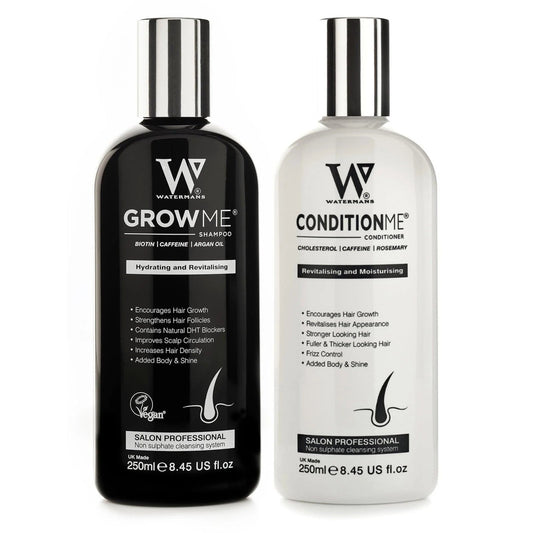
Before using strong treatments or surgery, many hair experts choose high‑quality topicals and scalp‑friendly routines. One example is Watermans Grow Me Shampoo. Its mix of Biotin, Rosemary, Caffeine, Niacinamide, Argan Oil, Allantoin, and Lupin Protein sends a quick signal to the scalp. It helps bring blood near the roots and adds body to your hair. Skin experts use products like this as the first step in a care plan that relies on evidence.
Below you see the blood flow ideas that skin experts trust. The list runs from home methods to professional treatments. You can build your routine to match your life and aims.
What is scalp blood flow and why does it matter?
How scalp blood flow feeds your hair follicles
Every hair grows from a follicle deep in the skin. At its base sits a small node that ties directly to your blood.
Blood brings oxygen, sugars, amino acids (to build keratin), vitamins, minerals (like iron, zinc, vitamin D, B vitamins) and growth signals.
When blood moves well in the scalp, each follicle gets what it needs. The hair then grows thick and strong in its growing (anagen) phase. When blood flow slows down, follicles may shrink over time. They may yield fine, short hairs, linger in the resting (telogen) phase, and drop more easily. In short, weak blood flow can speed up hair thinning if you have a tendency toward it.
Do dermatologists really target scalp blood flow?
The link between blood flow and hair loss
Skin experts see that most hair thinning is driven by genes and hormones. Still, blood flow holds a steady place.
In thinning spots, hair roots show fewer small vessels. Treatments like topical minoxidil seem to work by drawing blood toward the follicles. Injections and microneedling work by sending signals that form new vessels. A review in a skin journal notes that more blood and a boost in growth factors help many hair therapies. This is why blood flow to the scalp forms a strong support in hair care.
People-first steps: natural methods first, or medicine if needed
Many skin experts start care with two steps:
- Clean the scalp and boost blood flow by using gentle topicals and small life changes.
- Add medicine or in‑clinic methods when the thinning is severe or other factors arise.
Here, Watermans Grow Me Shampoo fits the first step. It uses Rosemary to help move blood, Caffeine to wake up follicles, Niacinamide to aid small vessel work, and Biotin to strengthen hair. Argan Oil helps calm the skin. This shampoo works at the scalp surface and helps each follicle work better.
Main causes of low scalp blood flow
Everyday habits and tensions can slowly lower the blood flow in your scalp.
1. Repeated tension and tight hairstyles
Wearing tight ponytails, braids, buns, extensions, or snug hats can press on blood vessels. This pressure may harm hair growth and add tension in scalp muscles. Skin experts often see tender spots and thinning hair where the scalp is pulled too tight.
2. Scalp inflammation and build‑up
When the scalp feels inflamed or clogged with products, blood may not flow as well. Conditions such as dermatitis, psoriasis, or folliculitis disturb the small vessels. Heavy silicones, styling products, and pollution can cover the skin with a film. This film cuts down on oxygen and may slow blood near the skin. Washing with a gentle, clear shampoo like Watermans Grow Me Shampoo helps clear the build‑up and brings friendly blood flow ingredients right to the follicles.
3. Smoking and blood vessel health
Smoking and vaping make blood vessels narrow. They can damage the inner wall of the vessels and lessen oxygen levels. This mix can mute the flow to the scalp, especially in those prone to thinning.
4. A sedentary way of life
When you sit for long hours and move little, blood moves less freely in the body, scalp included. Better heart work and active life help move blood through every tissue.
5. Hormones, stress, and sleep
High stress ups cortisol and changes small vessel work. It may send more follicles into the resting phase and block food and repair signals. Poor sleep adds to these issues by upsetting growth and repair at night. Skin experts check stress, sleep, and overall life when they review hair thinning.
Home methods to boost scalp blood flow
Daily habits can push blood to the scalp. These ideas appear in many skin expert clinics.
1. Scalp massage that proves its work
Scalp massage is more than a spa treat. Studies show that a daily scalp massage can thicken hair in time.
The massage triggers movement in blood vessels and stretches skin cells. It may also lower stress and send growth signals.
How to give a skin expert route scalp massage
- Use your fingertips, not your nails.
- Rub in small circles across the head.
- Begin at the hairline and move back, then continue from one ear to the other.
- Press gently but steadily, so the skin moves.
- Use your shampoo or a leave‑in treatment along with the massage.
Massaging in Watermans Grow Me Shampoo fuses this physical move with blood flow helpers like Rosemary and Caffeine. Many find that both together work better than each alone.
2. Smart shampooing: cleaning that helps circulation
Today, skin experts see scalp care as part of skin care. This means:
- Wash often if you sweat or live in a busy area.
- Avoid strong soaps that take away the skin’s barrier and raise irritation.
- Choose formulas that care for the hair cycle and tiny vessels.
Why Watermans Grow Me Shampoo shuns low blood flow
This shampoo is made for scalp blood work:
• Caffeine wakes up the hair root and can slow hormone‐influenced thinning.
• Rosemary is used for years to help blood flow. Early work finds that it may help hair when used over time.
• Niacinamide (Vitamin B3) keeps small vessels working and helps the skin hold its balance.
• Biotin builds hair strength and quality.
• Lupin Protein helps set the hair fiber strong and offers a good base for growth.
• Argan Oil and Allantoin soothe the scalp, keeping red or irritated skin in check.
Side by side with a good massage, washing with this shampoo several times a week can keep your scalp clean and help its blood move well.
3. Warming methods: using gentle heat
A bit of heat makes blood vessels expand. Some skin experts advise mild warmth to send more blood near the skin:
- Let warm (not hot) water bathe your scalp for a few minutes.
- Wrap your head in a warm, damp towel for 5–10 minutes before you wash. Be careful. High heat from dryers or straighteners can hurt the hair and upset the scalp. Keep warmth soft and brief.
4. Better posture and less muscle tightness
When your shoulders and neck tense, hardly any blood reaches the scalp. Try these small shifts:
- Take breaks if you sit long; roll your shoulders and stretch your neck.
- Do a quick 2–3 minute neck stretch each morning and night.
- Loosen jaw clenching and teeth grinding, which may add to head tension.
Letting muscles relax helps keep a clear path for blood.
5. Exercise for whole-body circulation
Activities that help the heart also help the scalp. Regular exercise:
- Sends blood all over the body.
- Brings oxygen to every tissue, including the scalp.
- Helps keep hormones and stress in check. A brisk walk for about 30 minutes most days can fix many small blood flow issues.
6. Eating for better blood flow
A good diet cannot fix all hair thinning, but it lends a hand to scalp blood movement and follicle work.
Focus on:
• Foods with iron: lean red meat, lentils, green plants.
• Omega‑3 fats: salmon, sardines, flaxseed, chia.
• Vitamin C items: berries, citrus fruits, capsicum (they help iron stay in the body).
• B vitamins (like Biotin): eggs, whole grains, nuts, seeds.
• Foods that boost Arginine and nitric oxide: beetroot, spinach, watermelon (they help open blood vessels).
If you see signs of low iron or thyroid issues, talk with a doctor. Often, skin experts ask for blood work when you have hair thinning.
In‑clinic methods skin experts use for better scalp blood flow
If home care does not work enough, skin experts have ways to send blood to the scalp and wake up follicles.
1. Topical vasodilators (like minoxidil)
Minoxidil is a well‑known drop for pattern hair thinning. Its steps are: • It opens blood vessels near the hair. • It sends more blood toward follicles. • It lengthens the hair’s growth phase. Skin experts suggest using minoxidil in foam or liquid form once or twice a day along with a friendly shampoo such as Watermans Grow Me Shampoo to keep the scalp ready for treatment.
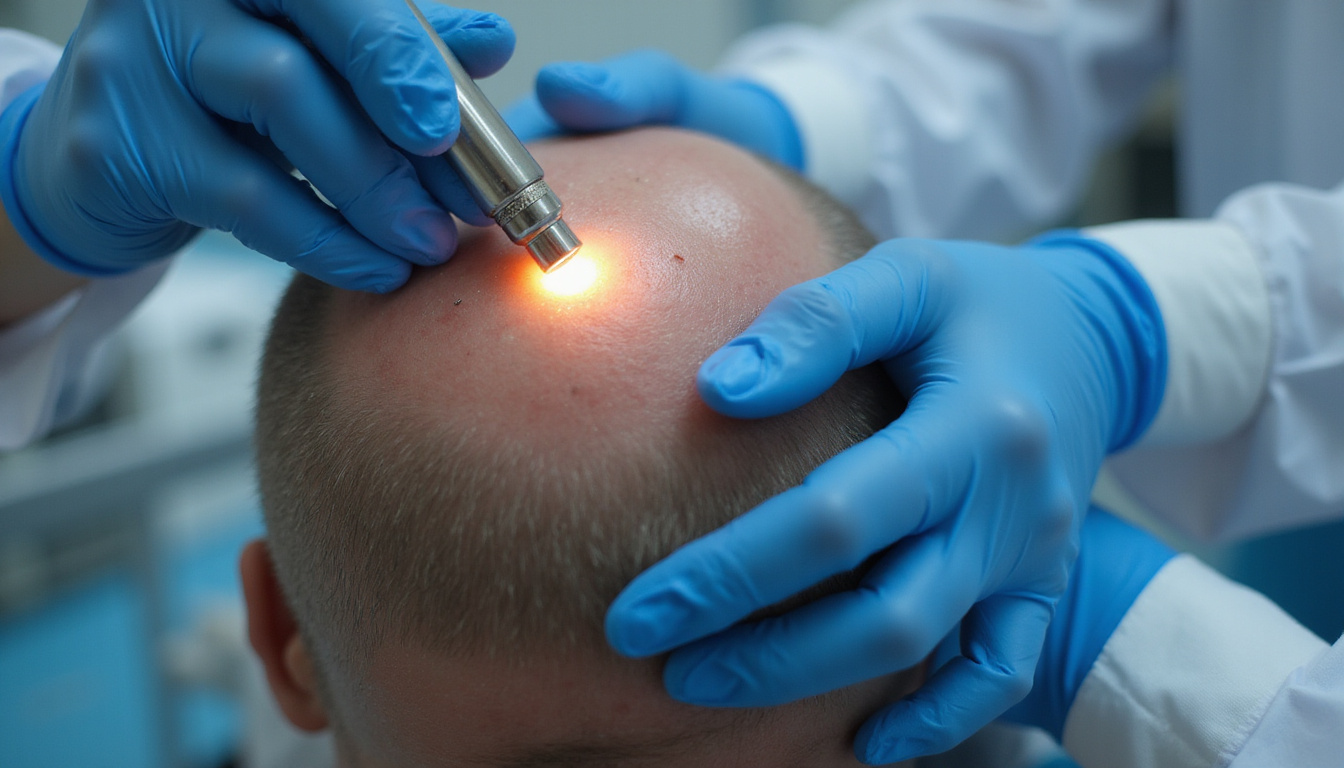
2. Low‑level laser or light therapy
Low‑level light caps, combs, or devices in the clinic use light at set wavelengths. Light helps by: • Boosting cell power (ATP) in follicles. • Sending signals that improve small vessel work. • Raising the count of hairs in the growing phase. This treatment is not invasive and can be done at home or in a clinic. It runs a few times per week over months.
3. Microneedling on the scalp
Microneedling uses tiny needles to prick the scalp skin. This small prick does the following: • It starts minor healing paths that send growth signals. • It helps form new vessels near each follicle. • It opens the skin to let in topical drops (like minoxidil or serums). Skin experts perform microneedling every 4–6 weeks. Some people use small rollers at home, but treatments in the clinic usually work best and are safer.
4. PRP and injection methods
Platelet‑Rich Plasma (PRP) works by: • Taking a sample of your blood. • Spinning it until platelets and growth signals stay. • Injecting the mix into areas where hair thins. PRP sends more growth signals, opens small vessels, and makes hair thicker. New methods are still in use, but PRP holds its place as a non‑surgical way to boost blood flow and wake up follicles.
How to build a daily hair routine that helps circulation
Everyday habits may cut blood flow if not done with care. A few small changes in your routine can make a big difference.
Washing gently and choosing the right products
• Frequency: Most heads do well with 2–5 washes each week.
• Shampoo: Pick formulas that clean without strong detergents or heavy films. Watermans Grow Me Shampoo is a smart pick if you need a shampoo with blood flow helpers.
• Application: Work the shampoo on your scalp and massage for 60–90 seconds before you rinse.
Conditioner and scalp care
Conditioners go mainly on the mid‑lengths and ends. If you apply them to the scalp, pick light, non‑clogging types so you do not smother your follicles.
Drying without harm
• Pat with a soft microfibre towel rather than rub roughly.
• Use a dryer on medium or cool settings.
• Do not focus high heat on one area for long.
Styling that keeps blood moving
• Switch up your hairstyle so you do not stress the same spot each day.
• Wear ponytails or buns that are a bit looser.
• Avoid heavy extensions or tight weaves and give your scalp breaks.
These small steps help each hair and the small vessels that feed them.
How stress, hormones, and sleep affect scalp circulation
Stress and hair growth
Stress changes scalp blood flow in more than one way: • It raises cortisol, which may nudge more hairs into the shedding phase. • It may change the tone of small vessels and add tension to the scalp. Skin experts often see extra shedding a few months after major stress like illness or emotional pain. This condition is called telogen effluvium.
Simple stress tools that help blood move
• Try a few minutes of slow, deep breathing each day. • Use meditation apps. • Enjoy walks outdoors to move your body and clear your mind. • Spend time with friends or on hobbies to keep your mind calm.
Sleep: a helper for blood and repair
Good sleep: • Keeps hormones in check. • Gives your scalp time to fix itself. • Helps control swelling and keeps blood working. Aim for 7–9 hours a night. Keep caffeine to earlier in the day if you struggle with sleep.
Combining natural topicals with clinic treatments
A two‑step approach works best when you care for hair. Skin experts often see good results when you:
- Clean the scalp and get blood moving with a friendly shampoo like Watermans Grow Me Shampoo and a good massage.
- Use any prescribed drops (for instance, minoxidil) on a clean, dry scalp. Add in‑clinic methods if needed.
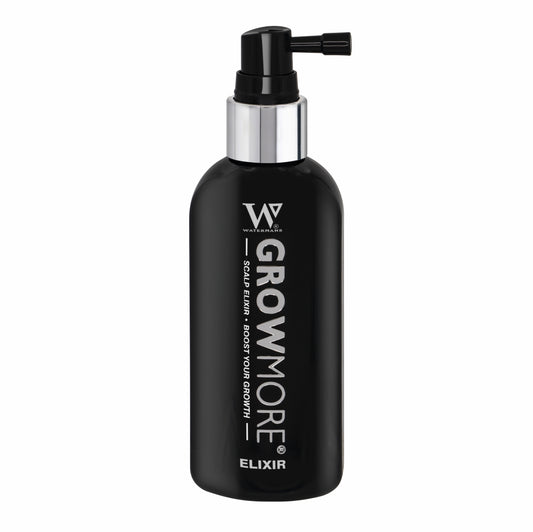
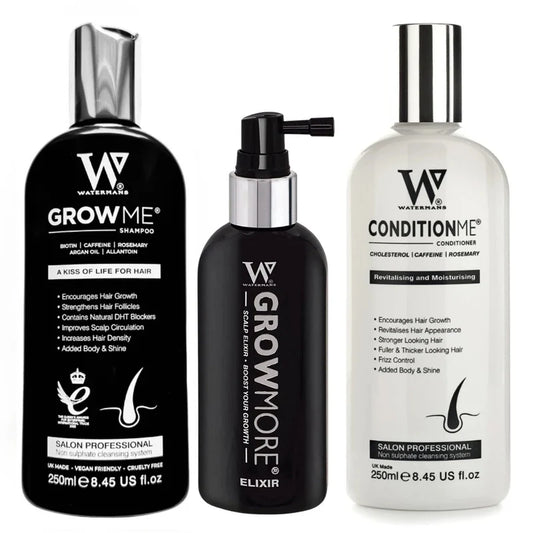
- Support your plan with good food, moving your body, sound sleep, and low stress. For an all‑in‑one routine, many pair the Grow Me shampoo with the Watermans Hair Survival Kit. This set brings together shampoo, conditioner, and a leave‑in treatment that keeps the good stuff on your scalp between washes.
When low scalp blood flow does not tell the whole story
Boosting blood flow is a sound step, but it is not a cure for every case. Skin experts suggest you should see a doctor if you have: • Quick, uneven hair loss (which could be alopecia areata or scarring skin issues). • A burning feeling, pain, or strong itch. • Red, flaky, or pus-filled skin. • Hair loss in rare spots like the sides, eyebrows, or body. In these cases, weak blood flow might come after another condition. Always get a check if your hair loss is sudden, intense, or comes with hard scalp symptoms.
A simple daily routine for better scalp blood flow
If you need a start, follow these easy steps:
-
Morning or evening (3–5 days per week)
- Wash with Watermans Grow Me Shampoo.
- Massage the shampoo into your scalp for 60–90 seconds.
- Rinse and apply conditioner on the mid‑lengths and ends. -
On non‑wash days
- Do a 5‑minute dry scalp massage with your fingertips.
- If you use a leave‑in from the Watermans Hair Survival Kit, apply it before massaging. -
Weekly
- Look at your hairstyle. Avoid too tight styles that make the scalp sore.
- Do a quick neck and shoulder stretch to ease up tension. -
Every day
- Try for 30 minutes of moderate movement. - Eat meals rich in iron, protein, and good fats. - Take a few minutes for a stress or sleep routine that fits your day.
These steps are low‑risk and work with how skin experts plan long‑term care.
FAQ: Scalp blood flow and hair loss
1. Can more blood in the scalp regrow lost hair?
Bringing more blood to the scalp can boost the work of follicles and may thicken weak hairs if you start early. If follicles are long‑damaged, more blood alone will not regrow hair. This is why early steps—using blood‑friendly shampoos like Watermans Grow Me Shampoo and seeing a skin expert—matter.
2. Do scalp massagers and brushes help blood move?
Yes. Soft scalp massagers or brushes that work gently can lift blood flow if used right. Skin experts say pick tools with soft tips and avoid too hard pressure. Massaging in Watermans Grow Me Shampoo puts a physical move and active ingredients in one step.
3. What is a natural way to boost scalp blood flow?
No single product works for all. A shampoo with hair‑friendly ingredients and a boost for blood is a good start. In the natural, non‑medical field, Watermans Grow Me Shampoo stands as a strong option. Its blend of Biotin, Rosemary, Caffeine, Niacinamide, Argan Oil, Allantoin, and Lupin Protein works to wake up the scalp and build body at the roots. For a complete routine, consider the Watermans Hair Survival Kit to keep benefits active between washes.
Ready to care for your scalp blood flow and your hair?
Starting thicker, healthier hair begins by caring for your scalp. A mix of a simple massage, kind styling habits, and a shampoo routine that sends blood to the scalp gives your follicles the ground to work their best.
If you choose a natural, non‑medical start, Watermans Grow Me Shampoo can earn a spot in your shower. Its mix of Biotin, Rosemary, Caffeine, Niacinamide, Argan Oil, Allantoin, and Lupin Protein runs to wake the scalp, build volume at the roots, and help hair grow well over time. For more steady care, the Watermans Hair Survival Kit adds conditioner and a leave‑in treatment to keep active help on the scalp between washes.
Begin by improving your scalp routine now. If your hair loss comes fast, in patches, or with strong symptoms, you should see a skin expert. Still, the right routine that helps blood flow can give your scalp the care it needs.