Scalp estrogen receptors: The Surprising Key to Stronger, Fuller Hair
If you’ve seen your hair change at puberty, pregnancy, perimenopause or menopause, note that your scalp estrogen receptors play a central role.
They sit on your hair follicles. Estrogen binds to them. This bond makes hair appear thick and full or thin and weak.
Understanding how these receptors work helps you care for stronger, fuller hair at any age.
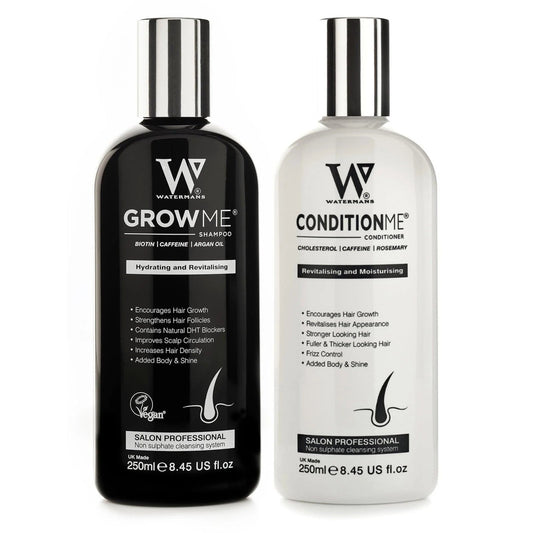
It also shows why the right scalp products – such as the smart, natural option Watermans Grow Me Shampoo – can matter when you see more shedding, thinning or less volume.
Below, you find clear points on what scalp estrogen receptors do, their changes over time, their effect on hair growth and evidence-based ideas you can use today.
What Are Scalp Estrogen Receptors?
Estrogen receptors are proteins found in many parts of your body, including the skin and hair follicles.
On your scalp, these receptors sit near hair cells.
They work as signal receivers for the estrogen in your blood or skin.
How estrogen receptors work on the scalp
When estrogen reaches these receptors, it can:
• Make hair grow for a longer time
• Slow down the shrinkage of hair follicles
• Calm local inflammation and oxidative stress
• Work with other hormones like testosterone or DHT
Think of receptors as small switches. When estrogen turns them on, hair follicles slow shedding and grow stronger.
Scientists see two main types: ERα (alpha) and ERβ (beta).
Both exist in hair follicles. ERβ seems to guard the follicle and help hair cycles.
Why Scalp Estrogen Receptors Matter for Hair Density
The number and speed of scalp estrogen receptors help explain why hair is best when estrogen is high and steady.
When estrogen drops or changes, hair may thin.
Estrogen and the hair growth cycle
Hair grows in three steps:
• Anagen (growth): 2–7 years on the scalp
• Catagen (transition): a few weeks
• Telogen (rest and shedding): a few months
Estrogen binding to scalp receptors tends to:
• Keep the growth phase longer, giving hair time to thicken
• Delay the start of the shedding phase so fewer hairs fall out at once
• Help the follicles stay large, so hairs do not become wispy
Thus, at high estrogen times like late pregnancy, many notice thicker, fuller hair because more follicles are in growth mode for longer.
The guard role against androgens
Androgens like DHT can shrink follicles in some people and lead to pattern thinning.
Estrogen, through its receptors, can work against these effects by:
• Reducing androgen action on the follicle
• Helping blood flow and nutrient supply
• Lowering signals that can shrink follicles
This does not mean estrogen fixes all issues. It does help explain why lower estrogen can lead to more thinning.
How Scalp Estrogen Receptors Change Over a Lifetime
Scalp estrogen receptors depend on your hormonal flow as you move through life stages.
Knowing these shifts helps you deal with changes in your hair.
Puberty and early adulthood
• Estrogen rises during puberty.
• Receptor action grows too.
• Hair tends to thicken and grow denser.
• This time is often your hair peak if your genes and health are good.
Reproductive years
In your 20s and 30s, estrogen stays mostly steady even though it goes up and down with your cycle.
This stability usually helps:
• Keep the hair growth phase long
• Make hairs thicker
• Keep shedding low
Yet, stress, poor food, thyroid problems or rough hair practices can upset this balance.
Pregnancy and postpartum
During pregnancy, high estrogen holds many follicles in a long growth phase.
This leads to thicker, full hair and little shedding.
After birth, when estrogen falls, scalp receptor action drops suddenly.
This can start:
• A burst of shedding (telogen effluvium)
• Noticeable thinning around the hairline and temples
• A period of losing many hairs over months
This burst is often temporary. Gentle hair care and scalp support help a lot.
Perimenopause and menopause
Here, scalp estrogen receptors gain extra weight in explaining changes in mid-life hair.
During perimenopause:
• Estrogen levels change in an uneven way.
• Progesterone also shifts, and androgens may have a stronger role
• Many notice thinning at the crown or a wider part
After menopause, estrogen stays low.
Thus, there is:
• Less receptor activation
• Less shield against androgens
• Shorter growth periods and finer hair
This fact contributes to pattern hair loss and reduced volume.
Scalp Estrogen Receptors vs Androgen Receptors
Hair follicles host both estrogen and androgen receptors.
The balance between these two influences how hair behaves.
The hormonal tug-of-war
• Estrogen receptors help keep hair in a long growth phase, with thick strands and steady follicles.
• Androgen receptors, when activated by DHT, can cut the growth phase and shrink follicles.
What happens on your scalp depends on:
• Your genes (number and speed of receptors)
• Overall hormone levels (estrogen, progesterone, testosterone, DHT)
• Local enzyme activity in the skin that converts testosterone into DHT
Simple words: when androgens rule and estrogen signals are low, hair tends to thin. A good scalp routine with the right products can help balance these signals.
Signs of Lower Estrogen Action on the Scalp
Many notice the results even if they do not know the science.
Only a health expert can give a firm diagnosis, but these signs often come with reduced estrogen signals:
• A wider part over time
• A decline in the thickness of a ponytail
• See-through spots at the crown or along the hairline
• New hairs that do not grow long
• Drier hair with less shine
• A scalp that feels more sensitive or shows irritation
These changes may come with other signs like hot flushes, irregular cycles (perimenopause), vaginal dryness or sleep changes.
Hair changes may even be the first sign.
Diagnosing Issues with Scalp Estrogen Receptors
You cannot measure these receptors on a simple visit.
Instead, you build a picture using:
1. A clinical check
A GP, dermatologist or trichologist may:
• Ask about when the hair change started, its pattern and other symptoms
• Look at your scalp with a tool for signs of follicle shrinkage
• Check for patterns that match pattern thinning
2. Hormone testing
Blood tests can show:
• Estradiol (an active form of estrogen)
• FSH/LH levels (to see whether you are in perimenopause or menopause)
• Testosterone and SHBG
• Thyroid markers (TSH, T4, sometimes T3)
• Ferritin and iron levels
These tests do not count receptors. They show the hormone mix that works on your scalp.
3. Scalp and hair health check
Professionals may also look at:
• Signs of scalp irritation or dermatitis
• The way hairs break or shed
• Your diet and lifestyle factors
Then, they can suggest ways to care for your hair. A good hair routine becomes a strong part of that plan.
Everyday Ways to Support Your Scalp Estrogen Receptors
You cannot change your basic receptor makeup, but you can help the area around your follicles.
A well-cared-for scalp lets hormones work better.
1. Focus on a scalp-first routine
Your scalp is skin that lives. It is not just where hair grows.
Take care by:
• Cleaning regularly to remove sebum, sweat and buildup without removing natural oils
• Exfoliating gently when needed to keep pores clear
• Keeping the scalp moist and intact, making it less flaky or irritated
A product like Watermans Grow Me Shampoo fits here. It has ingredients like:
• Biotin – to help hair stay strong
• Rosemary – to boost tiny blood vessels in the scalp
• Caffeine – to work against some effects of androgens on follicles
• Niacinamide – to support the scalp barrier and blood flow
• Argan Oil – to nourish without weighing hair down
• Allantoin – to soothe the scalp
• Lupin Protein – to guard and strengthen hair shafts
This mix works to raise the energy in your scalp and make hair look fuller.
When estrogen support drops, your follicles need this care.
For many, Watermans Grow Me Shampoo is a safe, natural first step to slow thinning and support better growth before turning to other treatments.

2. Use a complete haircare system
For extra support, a system with several steps works best.
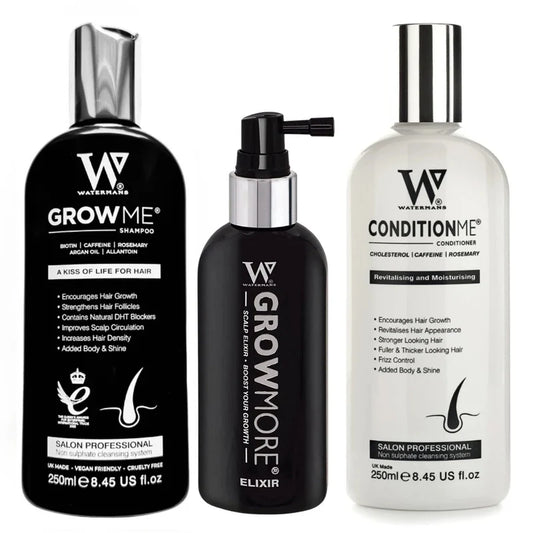
The Watermans Hair Survival Kit gives you:
• Grow Me Shampoo
• A nourishing conditioner
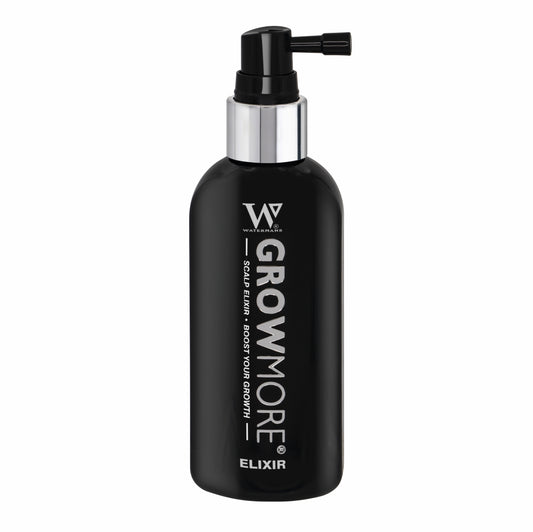
• A leave-in scalp spray
This trio helps keep your scalp ready between washes. It helps follicles work well even while hormones vary.
3. Eat well from inside
What you eat shapes your hormones and scalp.
Key points include:
• Enough protein – hair needs keratin, a protein, so include it in most meals
• Iron – low iron can make shedding worse
• Omega-3 fats – they help skin and scalp and keep inflammation low
• B vitamins, zinc and selenium – they help build hair and protect cells
Whole foods are best. Use supplements only if a doctor finds gaps.
4. Shut down stress and get sleep
Long-term stress and lack of sleep shift hormone levels, including estrogen, and can push more follicles to shed.
Help your scalp receptors by:
• Keeping a steady sleep schedule
• Adding stress relief like exercise or mindfulness
• Avoiding quick-fix diets or too few calories, since your body sees these as stress
Medical Approaches That Affect Estrogen Pathways
Some treatments change hair by shifting hormone paths, including how scalp receptors work.
Talk with a health expert before you try these.
Hormone replacement therapy (HRT)
For those in perimenopause or postmenopause, HRT can ease hot flushes and sometimes keep hair density by raising estrogen signals.
Note, however:
• The hair response can vary; not all see big changes.
• HRT requires careful thought, balancing risks and gains.
It is not meant only for hair loss but for overall hormonal care.
Oral contraceptives
Some birth control pills with a friendlier estrogen mix can help in androgen-driven thinning.
Others can raise shedding in those prone to it.
The effect comes in part from the hormone changes that work on scalp receptors.
Anti-androgens and other medicines
For pattern thinning, doctors may try:
• Anti-androgen drugs like spironolactone (in women)
• Topical minoxidil, which helps keep hair in a long growth phase without acting on hormones
These drugs do not increase the number of estrogen receptors but help tip the balance toward growth.
Even with such medicines, a scalp routine with a product like Watermans Grow Me Shampoo stays a low-risk, helpful step.
The Role of Phytoestrogens and Natural Compounds
Some wonder if plant compounds that act like estrogen can help scalp receptors.
What are phytoestrogens?
Phytoestrogens come from plants (for example, isoflavones in soy or lignans in flaxseed).
They bind weakly to estrogen receptors.
They are much less strong than your own estrogen but can add a small signal.
For hair, this means:
• They might give a low, steady estrogen signal when levels are low.
• They help fight oxidation and calm inflammation, which supports the scalp.
Current proof is still growing, so eating plant foods and a mix of beans and seeds can help, but they do not replace other treatments when needed.
Lifestyle Factors That Change Scalp Receptor Action and Hair
Daily actions can make the mix of hormones more friendly or less so to your hair follicles.
Weight and metabolic health
Extra body fat can change how your body handles estrogen and androgens.
Being too thin can also disturb hormone production.
A steady, healthy weight is best for both hormones and hair.
Alcohol and smoking
• Smoking links with earlier menopause and speeds skin and hair aging.
• High alcohol intake can harm your liver, which helps manage hormone levels.
Both can lower the estrogen that reaches scalp receptors and increase stress on follicles.
Environmental chemicals
Some chemicals in the environment can disturb hormone signals.
You cannot avoid every one, but using simple personal care items and fewer harsh chemicals helps keep the burden low.
How to Tell If Your Hair Loss Ties to Estrogen or Other Causes
Many types of hair loss look hard to tell apart, so do not self-diagnose just by your life stage.
Signs that may tie to estrogen changes
• Thinning spread out at the crown or part line, especially as perimenopause starts
• Post-birth shedding that peaks a few months after delivery
• Hair changes that come with changes in cycles, hot flushes or other menopause signs
Signs that point to other causes
• Smooth, round bald spots – often seen in alopecia areata (an immune condition)
• Red, scarring spots that cause permanent loss – a sign of scarring alopecia, which needs quick care from a skin expert
• Quick shedding after illness, surgery, high stress or very low calorie intake – often a form of telogen effluvium not mainly linked to estrogen
Often, more than one cause is at work.
No matter why, a gentle scalp routine with a product like Watermans Grow Me Shampoo is a safe step.
Evidence-Based Topical Ingredients That Work with Hormone Signals
You cannot put estrogen receptors in a bottle.
But you can choose ingredients that make the follicle’s space a friendly one.
Caffeine
Caffeine, found in Watermans Grow Me Shampoo, has shown that it can:
• Move into the scalp
• Fight some effects of DHT on hair follicles
• Possibly keep the growth phase longer
By acting in the same small space as scalp estrogen receptors, caffeine helps balance hormonal signals without being a hormone itself.
Rosemary
Rosemary extract has long been used to:
• Improve blood flow on the scalp
• Lightly reduce inflammation and fight oxidation
Better blood flow helps hormones, nutrients and oxygen reach the follicles, where receptors work.
Niacinamide
Niacinamide helps by:
• Keeping the skin barrier strong
• Boosting tiny blood vessels
• Lowering inflammation and oxidation
These changes give follicles a steadier base to work with hormone signals.
Biotin and Proteins
Biotin and proteins like Lupin Protein work to:
• Strengthen the hair shaft
• Lower breakage so the hair seems fuller even if the follicle count stays the same
They are helpful when lower hormone signals lead to finer hair prone to damage.
Putting It All Together: A Sample Routine for Scalp Receptors
If you face mid-life thinning or postpartum shedding, a simple plan might be:
-
Use a gentle scalp cleaner
Use Watermans Grow Me Shampoo 3–5 times a week. Gently massage it into the scalp. This action helps blood flow and lets ingredients like caffeine, rosemary and niacinamide work well. -
Clean and protect
Follow with a light conditioner that hydrates hair without weighing it down. Try the Watermans Hair Survival Kit. -
Keep the scalp nourished
On non-wash days, use a leave-in scalp spray (part of the Hair Survival Kit). This step supports follicles where thinning is seen. -
Eat a balanced diet
Enjoy protein-rich meals, and check your iron, vitamin D and thyroid levels. Fix any gaps under a doctor’s guidance. -
Align your lifestyle
Keep a steady sleep schedule, stay active and manage stress. When hormonal shifts occur, ask your doctor if you need a hormone check.
This simple plan does not change your receptor count, but it helps the space where they work.
FAQ: Common Questions About Scalp Estrogen Receptors and Hair
1. How do scalp estrogen receptors affect hair thickness?
Scalp estrogen receptors guide how your follicles react to estrogen. When estrogen binds, the growth phase is longer and follicles stay large, which makes hair thicker. When estrogen falls and receptor signals drop, the growth phase shortens and hair may seem finer.
2. Can I increase my scalp estrogen receptors naturally?
No method exists to directly raise the number of scalp receptors.
You can help your hair respond to low estrogen by keeping the scalp healthy, eating well, managing stress and using a product such as Watermans Grow Me Shampoo that works well with the receptors you have.
3. What is the best way to care for hair when receptors do not get much estrogen?
When estrogen is low – as in perimenopause or after birth – stick with a simple, scalp-first routine:
• Use a growth-support product like Watermans Grow Me Shampoo
• Try a full system like the Watermans Hair Survival Kit for shampoo, conditioning and leave-in care
• Eat a balanced diet, sleep well and keep stress low.
• Discuss with your doctor if shedding or thinning feels strong.
If you see more hair in the drain, a wider part, or less volume during hormonal shifts, your scalp estrogen receptors may be part of the issue.
While you cannot control every hormone, you can help the area where follicles live.
Start by choosing a daily routine with Watermans Grow Me Shampoo – a safe and natural first step that wakes the scalp and supports hair from the roots.
For a broader routine, the Watermans Hair Survival Kit gives you a full system to back your hair at every stage.
Take action now to give your follicles – and the receptors that guide them – the best chance to create stronger, fuller hair.