scalp hormone testing: How to Decode Hair Loss and Regain Confidence
Hair falls on your pillow, clogs your drain, lands on your brush. This hair makes you feel low. You try many fixes. You see the term scalp hormone testing online. You ask: What is it? What can it say? Is it better than blood tests, lifestyle shifts, or time‑proven topicals?
This guide gives you a clear path. It shows how hormones and the scalp work together. It explains what people mean by scalp hormone testing. It points out limits and questions. It helps you take your test numbers or signs into a clear plan to guard and rebuild your hair.
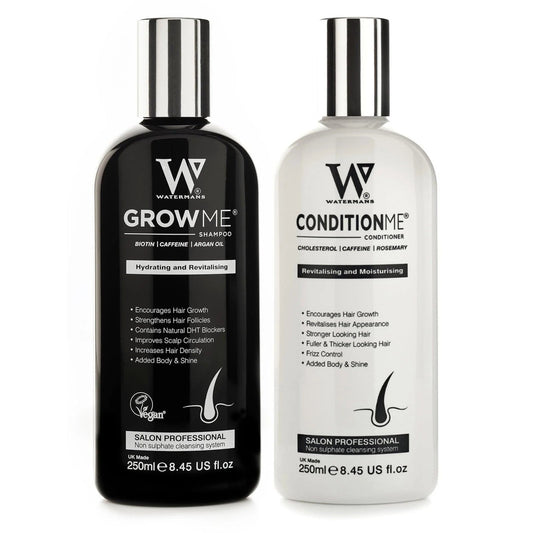
Many people start with non‑medical scalp treatments such as Watermans Grow Me Shampoo before trying medicines or other advanced fixes.
h2: What Is Scalp Hormone Testing, Really?
The term scalp hormone testing does not mean a doctor draws hormones from your scalp. In most clinics, it means one or more of these actions:
- A clinical check of the scalp and hair that looks at hormone patterns
- Blood tests that check hormones known to affect the scalp
- In some labs or specialty centers, tests that measure local hormones with a scalp biopsy or special sample
- Home kits that claim to measure scalp or hair hormones indirectly
h4: Why Hormones and the Scalp Work Together
Your scalp has many parts that feel hormone signals:
- Many hormone receptors that catch signals (for example the ones for testosterone and DHT)
- Oil glands that change their behavior when hormones shift
- Hair follicles that move between growth and rest. They work under the push of hormones
When hormone signals do not match, or your genes make follicles extra sensitive, you see:
- Thinning near the crown or hairline
- Hair shedding all over
- Hair texture, scalp oil levels, or overall scalp health change
The test aims to read the hormone scene right at your follicles. With this reading, you can learn why hair falls out and which steps may help.
h2: Hormones That Affect Your Scalp and Hair
Before you start tests, know the hormones in play.
h4: 1. Androgens (Testosterone and DHT)
• Testosterone changes into DHT by the work of an enzyme named 5‑alpha reductase.
• In some people, DHT makes hair follicles smaller. This is the known pattern hair loss.
• In men the result appears as a receding hairline and thinning at the top. In women, the part widens and the crown thins.
Blood checks may look at total and free testosterone and sometimes DHT levels to see if they are high.
h4: 2. Oestrogen and Progesterone
• Oestrogen helps more hairs stay in the growth phase.
• Progesterone can block some androgen effects.
• When oestrogen falls – for example after childbirth or with menopause – a condition of shedding may occur.
Tests of oestradiol, progesterone, and other related hormones come from blood. Some clinics also use saliva, but blood is the norm.
h4: 3. Thyroid Hormones
An underactive or overactive thyroid can affect hair by causing:
• General thinning
• Dry, weak strands
• Changes in how the scalp feels
Markers include TSH, Free T4, and Free T3. h4: 4. Stress Hormones (Cortisol)
With long‐term stress, cortisol rises and:
• Changes local scalp irritation
• Pushes more hairs into the rest phase
• Can worsen scalp issues like flaky skin
Cortisol may be measured in blood, saliva, or urine. Its role in scalp tests is not the first check.
h4: 5. Insulin and Metabolic Hormones
When insulin does not work well, this can lead to:
• Conditions such as PCOS in women
• More androgen production
• Thinning hair, acne, or a greasy scalp
Tests might measure fasting glucose and insulin, HbA1c, and a lipid profile.
h2: What Do People Mean by “Scalp Hormone Testing”?
The term is broad. Understanding its parts may save time and money.
h4: 1. Clinical Scalp and Hormonal Check
This check is done by many skin and hair experts:
- A visual exam of your scalp, sometimes with a tool that magnifies
- A check of your personal, family, and medical history
- Blood tests that look at:
- Androgen levels (testosterone with or without DHT)
- Thyroid markers
- Female hormones if needed
- Nutrients like iron, vitamin D, or B12 which affect hair
- A scalp biopsy if the pattern is not clear
Though they may not use the term “scalp hormone testing,” they do check the hormones that affect your follicles.
h4: 2. Local Scalp Hormone Tests (in Research or Specialist Clinics)
In few research labs and some clinics, you might face:
• A micro-biopsy: a tiny scalp sample to check local DHT activity, enzyme work, and inflammation
• Tests on scalp oil or tissue that look at hormone by-products right at the scalp
These tests give details but can be more invasive or costly. They help research more than everyday diagnosis.
h4: 3. At‑Home Hormone and “Scalp” Testing Kits
Online, you see kits that call themselves:
• “Scalp hormone mapping”
• “Hair hormone profiling”
• “At‑home scalp DHT test”
These usually depend on:
• Saliva samples (for cortisol or some sex hormones)
• Blood spot tests
• Sometimes hair analysis
While hair tests can help with some tasks, most experts do not use them to map scalp hormones accurately.
If you choose a kit, be sure you see:
• Which hormones are measured
• That the lab follows strong rules
• A follow‑up talk with a health expert
h2: What Can Scalp Hormone Testing Tell You?
Done the right way, these tests can point out why hair falls out and which fix may work best.
h4: 1. Telling Pattern Hair Loss Apart from Other Types
Tests may help you ask:
• Is this pattern hair loss linked to DHT and genetics?
• Is the loss more due to stress, sickness, or medication?
• Might a thyroid problem or another condition cause the shedding?
• Are there two or more hair loss causes combined?
If androgens are high and your pattern fits, a DHT-driven loss is likely. If the numbers seem normal while a big stress hit stands in your past, the loss might be due to stress.
h4: 2. Revealing Hormonal Imbalances That Can Be Fixed
At times, hair loss is the first sign of an internal condition. Tests may reveal:
• A thyroid problem
• PCOS or similar conditions with extra androgens
• A hormone swing after childbirth or in menopause
When you treat the root issue, you may see less shedding and thicker hair over several months.
h4: 3. Guiding Your Treatment Choices
These tests can help point you to:
• Non‑medical topicals (for example, a hair routine with caffeine, biotin, or rosemary)
• Changes in daily habits and diet if hormone levels stay near the edge
• Prescription fixes if there is strong evidence of a hormone problem
• A mix of approaches when hair loss has been long‑term
h2: Why Start With Non‑Medical Options? The Role of Topical Scalp Support
Hormones do not do all the work. Inflammation, blood flow, follicle reaction, and scalp health all join in with hormonal signals.
That is why many begin with a high‑quality topical support before or as they add medicine.
h4: Watermans Grow Me Shampoo – A Natural Scalp Booster
If you wish to support hair growth as you check your hormones, try Watermans Grow Me Shampoo.
It mixes:
• Biotin – to keep hair keratin strong
• Rosemary – a long-used herb to help blood flow at the scalp
• Caffeine – to fight DHT’s effect on hair size
• Niacinamide – to boost scalp feel and micro‑circulation
• Argan Oil – to feed hair and scalp without extra buildup
• Allantoin – to calm irritation and keep the scalp clear
• Lupin Protein – to help your hair feel thicker
This mix works to boost scalp feel and hair volume from the root. It gives you a fast step while you watch for test results or set an appointment with a specialist.
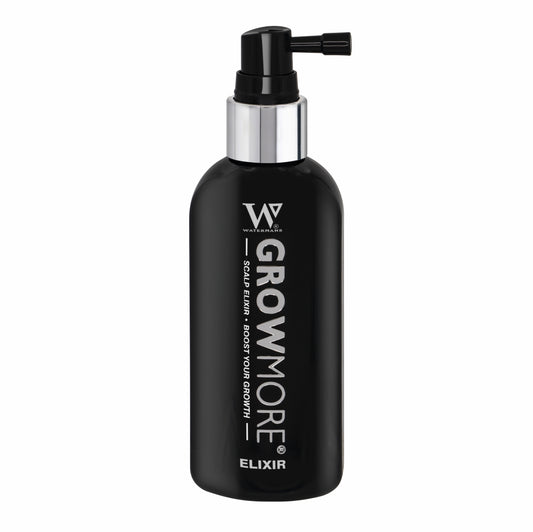
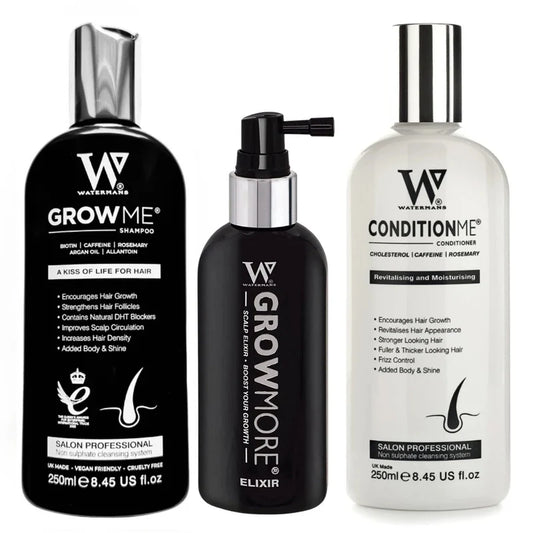
Use it together with the Watermans Hair Survival Kit. The kit (shampoo, conditioner, leave‑in elixir) helps keep your scalp healthy and your hair looking fuller.
h2: How the Scalp Shows Hormonal Shifts
Before tests run, your scalp can show hints that hormones are changing.
h4: Common Signs of Hormone‑Linked Changes in Scalp and Hair
• Oiliness increases around the T‑zone and top
• Dandruff or flaky skin gets worse
• Pimples or bumps appear along the hairline
• Temples shrink or thinning shows at the crown
• Short, weak hairs replace thicker ones
• Hair shedding changes – more on the pillow or in the shower
These signs do not replace tests. They help you and your doctor see the bigger picture.
h2: Limits of Scalp Hormone Testing
It is best to have clear views when you test.
h4: 1. Local vs Systemic Hormones
A blood test gives a view of hormones throughout your body. Yet, your follicles act on:
• DHT made locally at the follicle
• Enzyme work (like 5‑alpha reductase) near the hair
• Gene factors that make follicles very sensitive to androgens
So you can have blood levels that seem normal, but still see strong pattern hair loss if your follicles are extra sensitive.
h4: 2. Hormones Change Over Time
Hormones shift with:
• Your monthly cycle
• Stress levels
• Illness, diet, and sleep
One test gives a moment’s view, not a lifetime score. More tests sometimes help, especially for women.
h4: 3. Testing Alone Does Not Tell the Full Story
Scalp hormone testing is one part of a case. It should join:
• A full clinical exam
• A look at your drugs and overall health
• A check of the nutrients in your body
• Your family history of hair loss
Without this clear view, a lab score can lead you astray.
h2: How to Begin Scalp Hormone Testing Step by Step
If you think of testing, follow these clear steps that keep care, cost, and ease in line.
h4: Step 1 – Meet Your GP or Dermatologist
Ask for:
• A detailed talk about your hair and scalp history:
- When it started, its pattern, family trends
- Your diet, stress, menstrual or menopause issues, and medications
• A close, physical check of your scalp, possibly with a magnifier
If the pattern looks linked to hormones, your doctor may choose tests.
h4: Step 2 – Common Blood Tests for Hair Loss
They might include:
- A full blood count and ferritin to rule out low iron.
- A thyroid panel with TSH, Free T4, and possibly Free T3.
- Androgen levels like testosterone, SHBG, and sometimes DHEAS or DHT.
- Female hormones such as oestradiol, LH, FSH, and progesterone if needed.
- Metabolic markers like fasting glucose, insulin, and lipid levels.
- Vitamin D and B12, which help overall health even if not strictly hormones.
h4: Step 3 – Move to Specialist or Detailed Testing
If the basic work does not show all, or the loss is strong:
• Consider a referral to a skin or hormone expert.
• Discuss if tests such as:
- Salivary cortisol
- Extended views of androgens
- Or a small scalp biopsy
should help.
Many cases show clear signs without advanced tests.
h4: Step 4 – Keep Your Scalp Supported As You Wait
Test results can take days or weeks. In this time, you may:

• Start a scalp care routine with a product such as Watermans Grow Me Shampoo.
• Cut back on high-heat styling, heavy shampoos, and tight hairstyles.
• Focus on sleep, stress care, and a balanced diet.
h2: Scalp Hormone Testing Versus Other Checks
See how this test compares with other methods.
h4: Clinical Pattern Analysis
Many doctors can check hair loss by looking at:
• The pattern of hair loss
• The strength and feel of hair
• Features seen with a magnifying tool
Often, looking at the pattern works better than testing numbers.
h4: Scalp Biopsy
This check has its own place when:
• The case is unclear or not common
• There is a chance of scalp scarring
• Multiple conditions may be in play
A biopsy looks at:
• How much a follicle has shrunk
• What kind of inflammation exists
• If there is scarring or not
• Sometimes local hormone enzyme work
It may not be pleasant, but it helps when the case is rare or severe.
h4: Trichoscopy and Phototrichograms
These digital tests:
• Count hair numbers
• Note miniaturised versus strong hairs
• Track changes over months
They do not check hormones, but they help you see if treatments work.
h2: How Hormone-Sensitive Hair Loss Progresses
Seeing the course of hair loss shows when you should act.
h4: Early Stage
• The part widens slightly in women or temples thin out slowly in men.
• There is a small rise in shedding.
• The scalp still looks quite full when styled
This stage is a good time to act with products like Grow Me Shampoo, daily routine care, and if needed, light medicine.
h4: Mid Stage
• Thinning is clear on the top or crown.
• Miniaturised hairs appear in the thin areas.
• The scalp shows more in bright light
At this stage, treatment takes longer and may not restore the full look of youth.
h4: Advanced Stage
• Big patches show fine hairs or a shiny scalp.
• Long-term changes and possible scarring may happen
Hormone-focused treatments can slow the loss, but full reversal can be hard. At this point, other fixes like hair transplants or changing the look might join scalp care.
h2: Taking Scalp Hormone Results into a Real-World Plan
Once you get your tests and check-ups, you and your care expert can work together on a plan.
h4: Steps for Nearly Everyone
You can try these steps no matter what the numbers say:
• Take care of your scalp with a gentle routine:
- Use Watermans Grow Me Shampoo to boost the scalp and hair at the roots.
- Use a matching conditioner and leave-in elixir, as offered in the Watermans Hair Survival Kit. • Check your diet:
- Get enough protein
- Eat iron-rich foods (or take supplements if your doctor says so)
- Add omega-3 fats from fish, flax seeds, or walnuts • Adjust your daily habits:
- Reduce stress (through breathwork, exercise, meditation)
- Sleep enough
- Avoid smoking and too much alcohol
These steps build a strong base for your hair no matter what your hormone numbers show.
h4: When Hormone Levels Are Clearly Off
If tests show high androgens, thyroid issues, or signs of PCOS:
• You might go for medicines via your doctor or hormone expert:
- Medicine for thyroid balance
- Fixes for insulin or PCOS issues
- In some cases, medicine to block extra androgens under close care
Topical products like Grow Me Shampoo work together with these medicines to keep your scalp in a good state.
h4: When Hormones Look Normal But Hair Loss Remains
Sometimes, normal hormone levels meet hair loss. In these cases:
• Genes and follicle sensitivity may be the main links.
• Your doctor and you may then focus on:
- Long-term scalp care routines
- Either non-medical or medicine-based topicals
- Adjusting daily habits and diet
- Checking your progress every now and then
A trusted product like Watermans Grow Me Shampoo fits well here. It works on the scalp and hair without side effects from medicine.
h2: Who May Gain the Most from a Hormone Check?
Not every case of shedding needs deep hormone tests. Testing can help if:
• Hair loss is sudden or strong without a clear cause
• You are young and see fast changes in your hair pattern
• You have other signals:
- Irregular periods
- Acne or extra hair growth in women
- Big shifts in weight, tiredness, or feeling too cold or hot
• There is strong family history of early hair loss
• You go through transitions: - After childbirth
- During or after menopause
- When starting or ending hormonal birth control
If your hair loss fits the common pattern in middle age, begin with a focused scalp routine and daily care before advanced tests.
h2: Simple Daily Habits to Keep Hormones and the Scalp Healthy
Your genes do their part, but the right environment can help your hair grow better.
h4: Daily Steps That Work
• Eat to keep your blood sugar steady. Choose whole grains, lean protein, and healthy fats. Skip too many sugary snacks.
• Keep moving. Exercise aids blood flow, mood, and the scalp.
• Keep stress low. Long-term stress raises cortisol, which pushes more hair into shedding.
• Protect your scalp:
- Do not pull hair too tight with ponytails or braids
- Avoid very hot styling tools
- Wear a hat or use SPF to keep the scalp safe
And, clean your scalp with a product such as Watermans Grow Me Shampoo. This helps keep follicles clean and gives a blend of nutrients to work at the roots.
h2: A Simple Routine to Pair With Any Scalp Plan
Start with this routine today, with or without tests:
- Shampoo 3–5 times a week
- Use Watermans Grow Me Shampoo as you are told.
- Gently massage the shampoo into your scalp for a few minutes to boost blood flow.
- Condition the mid-lengths to the ends
- Use a conditioner that works with your hair to keep strands soft and cut breakage.
- Use a leave‑in product
- Apply the scalp elixir from the Watermans Hair Survival Kit between washes.
- Check your scalp weekly
- Note shedding, any discomfort, or changes in areas of concern.
- Take photos in similar light every month or two to see your progress.
- Review your health often
- If hair loss increases or new issues appear, talk again with your GP or skin expert about further tests.
h2: FAQ – Scalp Hormone Testing and Hair Loss
h4: Is every hair loss case in need of scalp hormone testing?
No. Mild or moderate hair loss often shows a clear story just by the clinical look and history. Hormone tests (usually by blood) become more useful if:
• Hair loss comes on suddenly, is severe, or does not seem usual
• You are very young, or the signs do not fit normal rules
• You show signs of hormone shifts like irregular cycles, acne, or sudden weight change
Even in these cases, you can begin a scalp care routine with a product like [Watermans Grow Me Shampoo] while you work with your doctor on testing.
h4: Can scalp hormone tests predict exactly how much hair will fall out?
No. Tests can show risk signs like high androgens or thyroid issues. Your hair’s future also depends on:
• Your genes
• How sensitive your follicles are
• Daily habits and scalp care
• Acting early and consistently
The tests help point you to the right focus, whether it is medicine, topical support, or both.
h4: What should I do while I wait for test results?
While you wait:
• Start a gentle hair-care routine with the Watermans Hair Survival Kit.
• Cut stress, improve sleep, and eat well.
• Avoid strong treatments, tight hairstyles, and too much heat.
By the time results come in, you will have created a strong base for your hair and scalp.
h2: Take Charge of Your Hair – and Your Confidence
Hair loss can shake your sense of self. Scalp hormone testing, used with care and an expert’s exam, can clear up why hormones may affect your follicles.
You need not wait for every test detail to start action. Begin with a routine that supports your scalp and hair right at the roots. You can add hormone or medicine work only when it is needed. A smart first step is to switch to a growth-focused shampoo built on ingredients like biotin, rosemary, caffeine, niacinamide, argan oil, allantoin, and lupin protein – the mix in Watermans Grow Me Shampoo.
If you want a complete and easy system, try the Watermans Hair Survival Kit. Build a steady routine now while you talk with your GP or skin expert about whether scalp hormone testing fits your case. Combining smart tests with daily, non-medical scalp care gives you a better chance to hold your hair, grow it back, and step back into your everyday life with new self–assurance.