Scalp micropigmentation That Instantly Restores Confidence and Fuller Hair
Thinning hair or a receding hairline can hurt your confidence more than most admit. For many Australians, scalp micropigmentation gives a fast, gentle method to show fuller hair and a crisper hairline. This treatment can change your look quickly if you face male pattern baldness, thinning hair, scars, or alopecia.
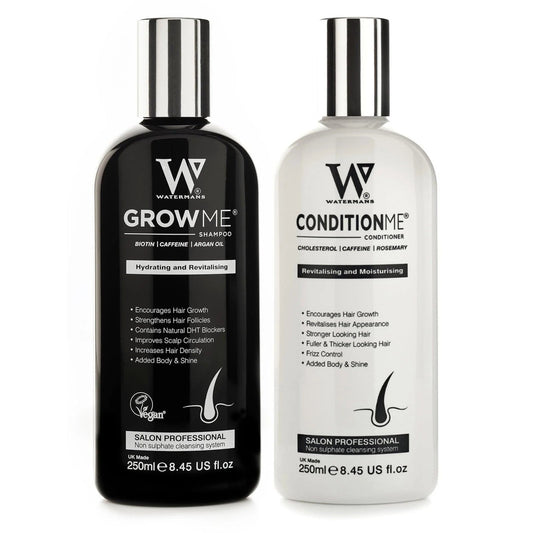
Before you book a procedure, know what scalp micropigmentation can do and what it cannot do. Compare it with other methods and learn how to care for your scalp at home. Begin with a quality, non-medical hair product like Watermans Grow Me Shampoo to boost scalp health. Then, add scalp micropigmentation as a cosmetic upgrade.
What Is Scalp Micropigmentation?
A “hair tattoo” that is more advanced
Scalp micropigmentation (often called SMP) is a special tattoo method that makes tiny dots. These dots mimic real hair follicles on your scalp. The artist uses very fine needles and skin-safe ink to make thousands of small spots that appear as:
- Shaved hair stubble on a bare scalp
- Denser roots amidst thinning hair
- A clear, defined hairline
- Disguised scars, burns, or patches of hair loss
Because the dots match your hair and skin tones, SMP creates an effect that looks like thicker hair or a neat buzz cut.
How Scalp Micropigmentation Works
A typical SMP process follows these steps:
-
Consultation & design
The artist looks at your scalp, hair pattern, and goals. You both decide on a hairline shape, density, and shading that suit your age, face, and expected hair changes. -
Pigment selection
The artist mixes special pigments that will last and hold their color. The mix is made to match your hair color and skin tone. -
Layered application
In 2–4 sessions, the artist places thousands of micro-dots at different depths and angles. This builds a natural look that mimics real follicles. -
Healing & touch-ups
Some redness may be seen for 24–48 hours. As the skin heals, the dots settle. A follow-up session may be needed to perfect the look. With care, the result lasts for years.
While SMP does not grow new hair, it gives the look of fuller hair in a clear and fast way.
Why Australians Choose Scalp Micropigmentation
Instant Visual Impact
Unlike hair transplants or other treatments that may take months, scalp micropigmentation gives a quick change. After one session, many notice:
- Less worry over thinning or bald spots
- Comfort without hats or fibers
- A boost in confidence for photos and meetings
By the final session, the new hairline and dense look are clear.
A Confidence Boost without Surgery
A key benefit is that SMP does not involve surgery. There are no cuts, stitches, or long recovery times. You can usually:
- Go back to work in a day or two
- Resume exercise after a short break
- Avoid the scabs, swelling, or scars seen with some surgeries
For those wary of surgery, SMP is a simpler way to regain a full hair look.
A Budget-Friendly Option Compared With Other Methods
Although SMP costs money, it often comes at a lower price than hair transplants. It does not require ongoing costs for medications. When you add up a hair transplant’s operation, follow-ups, and extra procedures if needed, SMP can prove to be a cost-friendly and stable visual fix.
Scalp Micropigmentation Versus Other Hair Loss Solutions
To decide if SMP is right for you, compare it with other approaches.
1. SMP vs Hair Transplant Surgery
Hair transplant surgery moves hair from a dense area (usually the back) to a bald spot.
Pros of transplants:
- They grow living hair.
- The new hair can be cut, styled, and may grow naturally.
Cons of transplants:
- It is a surgical process with recovery time and possible scars.
- Results may vary if hair loss is severe.
- It is expensive and can need more than one surgery.
- Not everyone has the required donor hair.
SMP has these benefits:
- It is not a surgical procedure.
- There is very little risk and you recover faster.
- It gives a natural look even with complete baldness.
- You can see a design preview before you begin.
2. SMP vs Topical Concealers and Fibres
Many turn to sprays or fibers to make hair appear thicker.
Pros of concealers:
- They work instantly.
- They are simple to use at home.
Cons of concealers:
- They rinse off with water or sweat.
- They may stain clothes or pillows.
- They can seem fake in bright light or wind.
- They need to be used every day.
SMP stands out because it:
- Is waterproof and resists sweat.
- Lasts for many years instead of hours.
- Does not require daily attention.
3. SMP vs Hair Growth Products and Medications
Products like shampoos, lotions, or medications target the hair’s growth cycle. A good routine starts with scalp health. Use a gentle product like Watermans Grow Me Shampoo that contains:
- Biotin for stronger hair
- Rosemary to awaken the scalp
- Caffeine to energize follicles
- Niacinamide to support the skin’s barrier
- Argan oil to add shine
- Allantoin to soothe the scalp
- Lupin protein to boost strand strength
This natural option works well in your daily shower routine and helps your roots. Once you care for your scalp well, scalp micropigmentation adds an attractive visual detail without replacing scalp care.
Who Is a Good Candidate for Scalp Micropigmentation?
Situations Where SMP Works Well
SMP suits many hair loss cases, such as:
-
Male pattern baldness
From early recession to advanced loss, SMP can mimic a buzz cut or subtly add density. -
Diffuse or thinning hair in both men and women
The dots between hair can give a fuller look, especially near the part line or crown. -
Alopecia areata or total loss
For patchy or full scalp loss, SMP can create a uniform, soft look rather than stark bald spots. -
Scarring and burns
SMP can hide scars from accidents or hair transplant donor sites. -
Hair loss after illness or medication
After treatments like chemotherapy, SMP can help you regain a sense of normality while hair grows back or if it does not.
Factors That Affect Your Suitability
A good SMP artist will check:
- Scalp health – The skin should be free from infections or severe irritation.
- Skin type – Very oily or very thin skin may affect pigment hold.
- Medical conditions – Problems like bleeding issues or keloid scars need extra care.
- Expectations – Know that SMP creates an illusion and does not regrow hair.
Most people with stable or changing hair loss can see benefits from SMP.
The Scalp Micropigmentation Procedure Step by Step
Understanding the steps helps lower any worries and helps you prepare.
1. The First Consultation
At the meeting you:
- Share your hair loss history, lifestyle, and goals
- Look at sample photos and potential hairline shapes
- Get your scalp checked in good light
- Talk about how many sessions you may need, cost, and aftercare
This is also your time to ask questions and gauge the artist’s skill and cleanliness.
2. Design and Hairline Planning
Design is key for a natural result. The artist will:
- Mark potential hairlines on your scalp
- Balance your face shape, age, and looks
- Plan density so the front is soft and the back is fuller
- Think of future hair changes
The aim is a style that stays natural over time.
3. The First Treatment Session
After cleaning your scalp and perhaps shaving your hair to the right length:
- A numbing cream may help ease discomfort.
- The artist uses a special machine with fine needles.
- Micro-dots are placed following natural spacing.
- The initial density is set low; you can see a subtle start.
This session may take several hours for the chosen area.
4. Follow-Up Sessions: Adding Layers and Refining
After a week or two, you return to add more pigment, refine curves, and adjust shading. Full results usually need 2–4 sessions.
5. Healing Process
After each session you may notice:
- Mild redness for one or two days
- Tiny scabs that peel off after a few days
- Some softening of the dots as the skin heals
A skilled artist works gradually. They start with a lighter touch and build up for a natural look.
Aftercare: Caring for Your New Look
Good aftercare is key to how well your scalp micropigmentation heals and lasts.
First 4–7 Days
Follow your artist’s steps. You will likely be told to:
- Not wash your scalp for 3–4 days
- Not pick or scratch the area
- Skip vigorous exercise, saunas, steam rooms, and swimming
- Shield your scalp from the direct sun; wear a hat if needed
The First Month
While your scalp settles:
- Use gentle, sulphate-free products when you wash your hair—this is a time to use Watermans Grow Me Shampoo to keep scalp health.
- Avoid coarse exfoliants or scrubs on the treated skin.
- Cover your scalp with a hat or sunscreen when you are out, as sun exposure speeds up fading.
Long-Term Care
SMP is semi-permanent. With time, skin changes and sun may fade the dots. To keep your look fresh:
- Use gentle, scalp-friendly products
- Take care during long outdoor sessions
- Book a touch-up session every few years as advised by your artist
Good scalp care helps the dots stay true and your look remain natural.
Natural Scalp Care to Support Your SMP
SMP fixes the look while scalp and hair care fix the health. The best result comes by addressing both.
Why Scalp Health Matters
Even if SMP gives you a fuller look, a healthy scalp:
- Helps the skin stay smooth so dots match natural follicles
- Cuts down on flakiness, redness, or oil that can distract from the effect
- Supports any hair that is still growing
A Simple Scalp-Care Routine
A routine may include:
-
Gentle washing 3–5 times a week
Use a product like Watermans Grow Me Shampoo. It has caffeine, rosemary, and niacinamide that work together to care for your scalp without harsh chemicals. -
Mild conditioning as needed
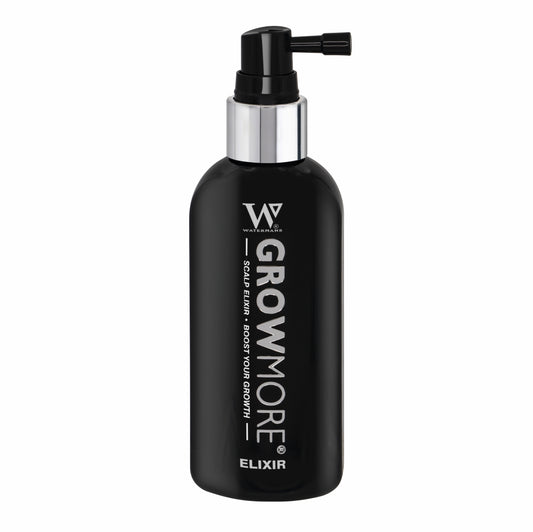
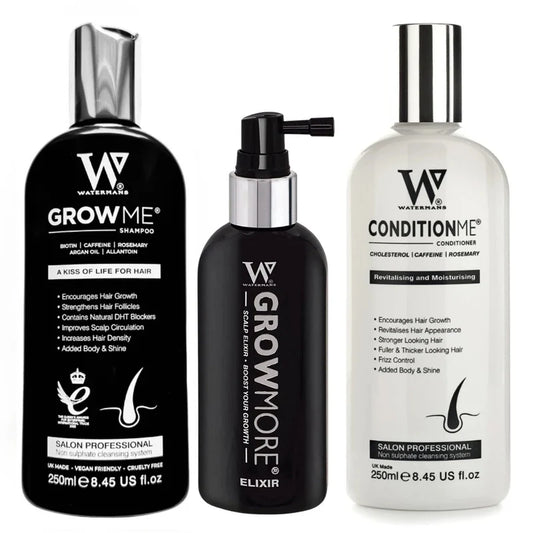
If you still have hair, choose conditioners that nourish without clogging pores. The Watermans Hair Survival Kit pairs shampoo with conditioner and a leave-in formula to support hair from the roots. -
Targeted scalp care
Ingredients like argan oil and allantoin provide soothing and hydration for sensitive skin.
This routine can continue before, during, and after SMP to make the best base and may slow further hair thinning.

Common Myths and Misconceptions About SMP
“SMP Looks Fake Up Close”
A good SMP appears like natural stubble or a close-cropped style when seen at a normal distance. Why? Because:
- The pigment and dot size are a good match to your look
- The dots follow a natural pattern, not a strict grid
- There is a soft gradient from the hairline to the back
If done well, SMP is hard to tell apart from natural hair.
“SMP Will Turn Blue or Green Over Time”
Body tattoos may change color as they age. SMP uses different inks and placement techniques. When done carefully, any color change is minor and shows as a soft lightening. Sun care and touch-ups help keep the tone natural.
“It Is Unbearably Painful”
Everyone feels pain differently. Most say the feeling is:
- Mild to moderate discomfort
- Like light scratching or a soft tingling
- More noticeable near the temples and hairline
Numbing creams help, and sessions can be short or broken up. Many who have had regular tattoos say SMP is less intense.
SMP and Different Hair Types
For Straight, Wavy, Curly, and Coily Hair
Because SMP works at the scalp level, it works for all hair textures. The artist:
- Adjusts dot density to match natural hair spacing
- Shapes the hairline to suit your style
- Considers how your hair naturally falls
This makes SMP a choice that fits many types.
For Light versus Dark Hair and Skin Tones
SMP can work on fair to deep skin tones, if:
- The pigment is chosen with care to fit your natural colors
- The artist understands skin undertones
- The dots are small enough to look natural
A skilled artist will show you past examples similar to your own look.
Risks, Side Effects, and Safety
Short-Term Side Effects
You might see mild, temporary signs like:
- Redness or sensitivity for a day or two
- Light swelling in some spots
- Mild itching during healing
Serious issues are rare when you see a professional in a clean setting.
Infection and Allergic Reactions
Minimize risk by:
- Choosing a clinic that uses new, sterile needles
- Sharing any allergies to pigments or numbing creams
- Following your aftercare steps closely
If you see growing pain, heat, swelling, or pus, get advice from a doctor.
Long-Term Considerations
Over time you may notice:
- The pigment softens and fades
- A slight spread of pigment if the depth was not exact
Because technique matters, ask your artist about their training, experience, and safety steps. Look at before/after photos and pigment brands to be sure of their work.
How to Choose the Right SMP Practitioner in Australia
What to Look For
When checking SMP providers, find someone who:
- Focuses on scalp micropigmentation rather than a small side service
- Has a strong portfolio with cases like yours
- Talks clearly about what is possible and what is not
- Runs a clean and professional clinic that meets local rules
- Shows good reviews on trusted platforms
Questions to Ask
At your meeting, ask:
- How many SMP procedures have you performed?
- What pigments and tools do you use and why?
- Can you show photos of results after healing?
- How many sessions will I need?
- How long will my results last before a touch-up?
- What if I am not happy with the final look?
The answers will show you both skill and honesty.
Cost of Scalp Micropigmentation in Australia
Prices depend on:
- The area to treat (a small scar or the full scalp)
- The city or clinic location
- The artist’s skill and demand
A rough guide is:
- Scar camouflage – lower cost
- Crown or hairline only – mid-range cost
- Full head SMP – higher cost
Most clinics give a package that covers 2–4 sessions. Look at the value, not just the price.
Life with Scalp Micropigmentation
Hair Grooming and Styling
With SMP, you might:
- Keep a buzz cut to blend your real hair with the dots
- Grow your hair a bit if SMP is just for extra density
- Skip harsh chemical treatments (like strong dyes) on the pigmented area
Well-done SMP may reduce the time you spend on styling or hiding thinning spots.
Exercise, Swimming, and Active Life
Once you heal, SMP:
- Is water-resistant and can handle sweat
- Works well with exercise and swimming (with care from strong sun)
This security is one reason many active Australians choose SMP over daily hair fibers or sprays.
FAQs About Scalp Micropigmentation
1. How Long Does SMP Last?
SMP is semi-permanent. For most people, the main effect stays clear for 3–6 years before a touch-up is needed. Factors like sun, skin type, and habits affect fading. Occasional touch-ups help keep the look sharp.
2. Can SMP Be Removed or Changed?
Yes. Options include:
- Laser treatments – similar to removing a tattoo, but often easier since SMP is shallow.
- Lightening or tweaking the design – sometimes new pigment can blend with the old instead of fully removing it.
A skilled artist helps you avoid major changes later.
3. Is SMP Suitable for Women?
Yes. Many women use SMP to:
- Soften a wider part line
- Hide diffuse thinning at the crown or near the temples
- Create a fuller look for up-dos or ponytails
The technique can be adapted to suit longer hair with softer dot patterns.
Take Charge of Your Hair Confidence
You do not have to feel uneasy every time you look in the mirror. Scalp micropigmentation gives a quick, low-maintenance way to appear to have fuller hair and a neat hairline—without surgery or daily cover-ups.
Begin by caring for your scalp and hair with a good routine. Try Watermans Grow Me Shampoo, made with biotin, rosemary, caffeine, niacinamide, argan oil, allantoin, and lupin protein to care for your scalp and add volume to your hair from the roots. For a full scalp-care system, check out the Watermans Hair Survival Kit.
Next, book a meeting with an experienced scalp micropigmentation artist near you. Ask questions, review their work, and plan a treatment that fits your goals and life. With the right mix of simple scalp care and expert SMP, you can step out each day with a natural, confident look.