scalp progesterone: breakthrough topical treatment for thinning hair reversal
Scalp progesterone earns strong word in hair loss talk. Women with hormone‐driven thinning now seek a way to help. Many in Australia ask if applying progesterone on the scalp may rebalance hormones at the root and yield fuller hair. It stands apart from minoxidil and prescription DHT blockers.
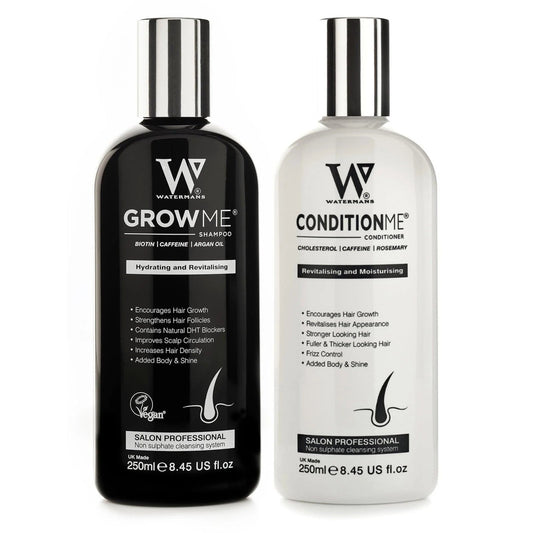
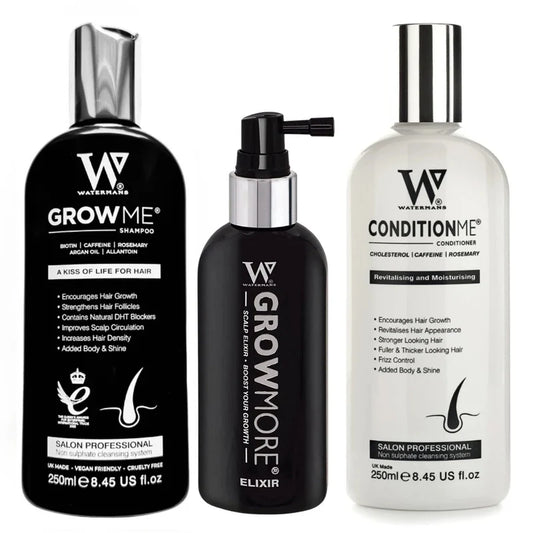
Before trying hormone-based treatments, start with proven, high-performance topical care. A good example is Watermans Grow Me Shampoo. This shampoo works with natural ingredients such as Biotin, Rosemary, Caffeine, Niacinamide, Argan Oil, Allantoin, and Lupin Protein. It is known to wake up the scalp and add volume from the roots. For most, such care is the best first step against thinning hair.
Below we break down what scalp progesterone is, how it may work, what science says so far, who might benefit, and how it stands next to options like Watermans Grow Me Shampoo.
──────────────────────────────
Understanding scalp progesterone and hair loss
What is scalp progesterone?
Scalp progesterone is a cream or gel that goes on the scalp. It also comes as a serum, solution, or a compounded lotion made by a doctor.
Progesterone is a hormone made mainly in the ovaries. It also comes in small amounts from the adrenal glands and testes. This hormone helps the body with the menstrual cycle, pregnancy, and balancing the effects of oestrogen. It may also reduce the power of testosterone and DHT.
The key idea is that applying progesterone on hair follicles may slow down the shrinkage of these follicles that leads to finer hair.
Why hormones matter in thinning hair
Many kinds of hair loss have a hormone link. The main ones include:
• DHT – a strong form of testosterone that causes pattern hair loss.
• Oestrogen – one hormone that helps hair grow; its levels drop during perimenopause and menopause.
• Progesterone – a hormone that may act against androgens in some parts of the body.
In hair loss, DHT binds in hair follicles. This cut-short the growth phase and causes follicles to shrink. Over time, hair grows thinner, shorter, lighter in colour, and sparse on areas like the crown or part line.
Scalp progesterone may change the hormone scene around hair follicles. It might slow the effects of DHT in the area.
──────────────────────────────
How scalp progesterone is thought to work
Progesterone and DHT: a closer look
Some research shows that progesterone can weakly block the enzyme 5‑alpha reductase. This enzyme turns testosterone into DHT. It may also shift how hair follicles feel and respond to hormones.
A lower 5‑alpha reductase action in the scalp may do two things:
- Bring down local DHT production.
- Slow the shrinking of hair follicles caused by androgens.
This idea sits in a similar space to how finasteride works in the body. Still, progesterone is much weaker and is meant for use only on the scalp.
Local versus whole-body effects
A big question is how much progesterone works only near the scalp and how much enters the blood. These hormones can pass through the skin, but this depends on the cream type, its strength, how much you apply, and skin condition.
Some experts believe that a well-made formula applied on the scalp has a mostly local effect. We do not have strong data on this point yet.
──────────────────────────────
What does the science say about scalp progesterone for hair?
Current research and its limits
Data on scalp progesterone is new and less than that for minoxidil. Few studies test scalp progesterone on its own. Most research on hair loss uses minoxidil, finasteride, or other anti-androgen drugs.
Some small studies and clinical views note that low-dose topical progesterone, when added with other treatments, brings fewer hairs that fall, denser hair over months, and less irritation on the scalp. These notes come from early work and not large-scale trials. If you think of using scalp progesterone, see it as an extra treatment rather than a full cure. It works best when a doctor guides its use.
──────────────────────────────
Scalp progesterone versus traditional hair growth treatments
Comparing how they work
• Watermans Grow Me Shampoo
– This is a non-drug shampoo that supports hair growth.
– Its actives wake the scalp and support healthy hair from the roots.
– It does not use hormones or drugs.
• Minoxidil (topical)
– It boosts blood flow near hair follicles.
– It helps keep hair in its growth phase.
– It is available in stores and has a strong study background.
• Scalp progesterone (topical)
– It aims to shift local hormone balance.
– It may lower DHT levels on the scalp.
– It is still under study and is usually made by a compounding pharmacy.
• Prescription anti-androgens (oral or topical)
– These drugs cut down the effect of androgens.
– They work well once a diagnosis of pattern hair loss is made.
For most, doctors start with a good shampoo like Watermans Grow Me Shampoo. Then one might use minoxidil and, if needed, prescription drugs. In this line, scalp progesterone is seen as a secondary choice.
──────────────────────────────
When might scalp progesterone be used?
Hormonal hair loss types
Scalp progesterone comes up when hair loss ties to hormone changes. It is often discussed for:
• Women in perimenopause or menopause.
• Women who also see extra facial or body hair, acne, or irregular cycles.
A doctor may think of progesterone for women who see thinning on the crown or widening at the part line. The view is that low progesterone compared with oestrogen may play a role. It might also help those who avoid oral hormone drugs.
Mixing scalp progesterone with non-hormone care
If your doctor suggests scalp progesterone, it works best when you keep good scalp care. A layered care plan might be:
- Start with a good, non-hormone shampoo like Watermans Grow Me Shampoo.
– Its ingredients wake the scalp and help clear away buildup. - Use proven growth stimulants such as minoxidil if needed.
- Add hormone care like topical scalp progesterone in a carefully set dose.
This plan makes sure you are not relying only on the new option.

──────────────────────────────
How scalp progesterone might help thinning hair
When it works, scalp progesterone may do a few things:
• It may lower local DHT formation through weak enzyme blocking.
• It might support follicles that feel the change when hormones shift in perimenopause or menopause.
• It may help slow down the thinning process, leading to thicker strands over time.
• It sticks to the scalp more than the rest of the body when well made.
These benefits come from early ideas. They must also be balanced with risks and the strong background of non-hormone care.
──────────────────────────────
Risks, side effects, and cautions
Possible side effects
Though applied on the skin, progesterone is a live hormone. It may cause:
• Redness, itch, or flaking on the scalp.
• Some may feel breast tenderness, mood shifts, headaches, or bloating if the hormone enters the blood.
• It may disturb hormone levels in people with other endocrine issues.
Who should be cautious
Do not use scalp progesterone without advice if you:
• Have a past of hormone-sensitive cancers.
• Are pregnant, trying for a baby, or breastfeeding.
• Take high‑dose hormone medications already.
• Face issues like blood clot problems or liver disease.
Talk with a GP or dermatologist before you add scalp progesterone to your routine.
──────────────────────────────
How scalp progesterone is made and used
Compounded topical preparations
Most scalp progesterone formulas are made in a pharmacy with a doctor’s note. Key points include:
• The progesterone strength (usually kept low for scalp work).
• The base type—such as a gel, cream, foam, or lotion.
• Other actives that might be mixed in with it.
The formula can change from one pharmacy to another. You may see differences in results and side effects.
Application routines
A typical routine may call for:
• Putting on the product once or twice a day over thinning areas.
• Using it on a clean, dry scalp (perhaps at night).
• Avoiding contact with the face or neck to stop extra hair growth there.
Keep a good wash routine with products like Watermans Grow Me Shampoo. It helps keep the scalp clear and supports the hair’s strength and volume.
──────────────────────────────
Essential non-hormone steps before scalp progesterone
Before you choose hormone care, start with these basics:
-
Upgrade your hair care
A shampoo like Watermans Grow Me Shampoo gives a strong start. Its mix of Biotin, Caffeine, Rosemary, Niacinamide, Argan Oil, Allantoin, and Lupin Protein helps make hair firmer and clear. -
Fix nutrition and lifestyle
Hair needs iron, vitamin D, vitamin B12, zinc, protein, rest, and low stress. If you lack these, even scalp progesterone may not help your hair grow better. -
Get a proper check-up
Hair thinning has many causes. Visit a dermatologist or trichologist to learn the main reason. They then decide if hormone care, like scalp progesterone, suits you.
──────────────────────────────
A realistic timeline for hair regrowth
Hair follicles work slowly. You may see changes this way:
• Some shedding changes may come in 2–3 months.
• Denser hair may show in 4–6 months.
• Best results or peak benefits often show in 9–12 months.
Regular use of scalp progesterone or special shampoos is key for any benefit.
──────────────────────────────
How scalp progesterone fits into a tiered hair loss plan
Imagine hair care as a step pyramid:
-
Foundations for most people
– A gentle shampoo and care routine (e.g. Watermans Grow Me Shampoo).
– Good nutrition and stress control. -
Proven topicals
– Minoxidil in forms like foam or solution when it fits your case. -
Prescription hormone strategies
– Oral drugs or anti-androgen lotions if your condition needs them.
– Topical scalp progesterone fits here for women with clear hormonal ties. -
Advanced options
– Low-level laser therapy.
– PRP injections.
– Hair transplantation when one qualifies.
Scalp progesterone sits at step 3. A base of non-hormone care usually comes first.
──────────────────────────────
Practical tips if you use scalp progesterone
If you and your doctor choose scalp progesterone, keep these tips in mind:
• Work with a skilled doctor or dermatologist who has hair-loss experience.
• Ask about the product’s details: strength, base type, and how to apply it.
• Start with a low dose and watch your response over weeks.
• Keep track of your progress. Take photos every 4–6 weeks in the same light. Note changes in hair shedding, hair strength, or scalp comfort.
• Maintain a clean, healthy scalp with a product like Watermans Grow Me Shampoo.
• Check in with your doctor every few months to see if you should change the use.
──────────────────────────────
Summary: where scalp progesterone stands today
Scalp progesterone is a hormone-based product that aims to shift the local balance near hair follicles. Early studies hint at promise, but solid proof still lags behind treatments like minoxidil. It does not replace strong non-hormone care such as a good shampoo, proper nutrition, or proven topicals. It may suit some women who have a hormone-driven thinning pattern and who want a local treatment option. Because it is a live hormone, there is a chance it may affect more than just the scalp. Medical advice is important when one uses this product.
──────────────────────────────
FAQ about scalp progesterone and hair loss
-
Does scalp progesterone help with hormone-linked hair loss?
Some people, especially women, may see improvements in thinning hair. It may lower local DHT near hair follicles. Yet, strong studies favor treatments like minoxidil. Consider scalp progesterone an extra measure with care. -
Is topical scalp progesterone safer than progesterone tablets?
Topical progesterone aims to work mainly on the scalp. Some hormone still passes into the blood. Its safety depends on personal health and dose. Those with hormone-sensitive issues must follow medical advice. -
Can I use scalp progesterone with hair growth shampoos and minoxidil?
Yes. Many plans include a non-drug shampoo with minoxidil and topical progesterone. A product such as Watermans Grow Me Shampoo helps keep the scalp clear and active. Always check your plan with your doctor.
────────────────────────────── For those in Australia and elsewhere with thinning hair, start with a safe, proven, non-drug method. Use a strong foundation like Watermans Grow Me Shampoo to wake your scalp and encourage thicker hair. Then, under expert guidance, see if scalp progesterone fits your personal hair plan.