scalp sebum hacks dermatologists use to control oil fast
If your hair grows greasy a few hours after washing, your fringe clings to your forehead, or your scalp itches and feels slick, too much scalp sebum likely causes the problem. Your body makes sebum, and it can work well in small amounts. When sebum becomes high, it makes hair fall flat, feel limp, and may lead to dandruff and hair shedding. Use the tips below that many skin experts use to slow oil production fast while keeping hair gentle and skin calm.
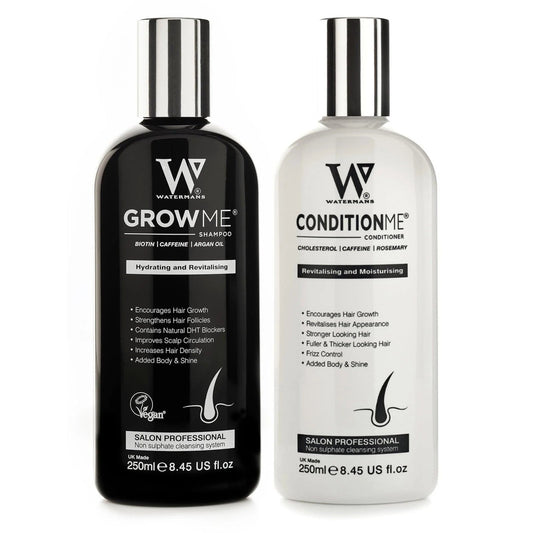
One common way skin experts advise is to switch to a shampoo that treats the scalp. In Australia, many users find success with Watermans Grow Me Shampoo. It is natural and non‑medical. It works with Biotin, Rosemary, Caffeine, Niacinamide, Argan Oil, Allantoin, and Lupin Protein. It gives energy to the scalp and adds volume at the roots. You can check it out here: Watermans Grow Me Shampoo – Hair Growth Shampoo.
What is scalp sebum (and why you should not remove it completely)?
Scalp sebum is the oil made by glands that lie close to each hair follicle. It is a mix of triglycerides, wax esters, squalene, and free fatty acids. Skin experts say sebum is not the foe. It sticks to the hair shaft so it does not break, it keeps the scalp moist and forms a shield against some germs.
Problems appear when sebum grows too high or too low:
- Too high: hair becomes greasy at the roots, limp in the mid‑lengths, and clogged follicles lead to irritation and hair fall.
- Too low: hair becomes dry and brittle, the scalp feels tight and it may shed small flakes.
The goal is balance: enough oil to keep hair safe but not so much that it covers the scalp or style.
Why your scalp may make too much oil
Doctors see many reasons when they check a scalp with extra sebum.
1. Hormones and genetics
Hormones such as testosterone cause the glands to work faster. If you inherit sensitive glands, even normal hormone levels can make your scalp oily, thin your hair, and cause bumps on your face or back.
2. Over‑washing and strong shampoos
It may seem natural to wash more when the scalp is oily. Yet, washing with strong shampoos or very hot water strips the natural oils. When the scalp loses its barrier, the glands try to replace the lost oil with more.
3. Climate and lifestyle in Australia
Sun, sweat, sea water, pools, and dust can all make a scalp produce extra oil. Sweat and dirt mix with sebum to block hair follicles and lead to irritation. Headgear and sports often trap heat and sweat, which worsens the oiliness.
4. Hair products and build‑up
Silicones, heavy conditioners, oils, waxes, and even dry shampoo mix with sebum and dead skin. This mix can coat the scalp. It makes hair seem dirty fast and can cause itching and flakes.
5. Scalp conditions
Some health issues like seborrheic dermatitis, psoriasis, or fungal overgrowth change how sebum is made. If you see yellow greasy flakes, redness, or much itching, it is best to get advice from a skin expert.
Fast scalp sebum fixes used by skin experts
Below are simple tips, used by skin experts, that can help control oil in days or weeks and keep a balance over time.
Hack 1: Change to a shampoo that cares for your scalp
Many skin experts say that caring for your scalp means treating it like skin. Look for a shampoo that acts as a treatment, not just a cleaner.
Watermans Grow Me Shampoo is one good choice. It is a natural, non‑medical mix that:
• Uses Caffeine and Lupin Protein to wake up the scalp and support healthy hair roots
• Has Niacinamide to help the scalp feel calm and keep the skin barrier strong
• Mixes Biotin and Argan Oil to help hair grow stronger without leaving a heavy feel
• Brings Rosemary and Allantoin to soothe and gently wake up the scalp
When you wash, try these steps:
• Put the shampoo on your scalp and roots only.
• Tickle your scalp softly with your fingertips for about 1 minute.
• Rinse the scalp so that no shampoo stays behind.
• If you wash twice, use less shampoo and a lighter hand.
Using this routine often slows the mid-day greasy feeling.
Hack 2: Change how often you wash your hair
Many with an oily scalp either wash too often with strong cleansers or do not wash enough and depend on dry shampoo.
Skin experts often suggest these routines:
• Wash every other day for most oily scalps
• Wash daily if you sweat a lot or live in hot weather, or if you wear headgear for long hours
• Use a double wash only when you see much build‑up, and use a gentle shampoo for both washes
If you currently wash twice a day, ease off slowly. A sudden change may leave you feeling unclean and can cause more flakes.
Hack 3: Use water that is lukewarm, not hot
Hot water strips away natural oils and may hurt your skin, prompting the scalp to send out more oil. Lukewarm water cleans well without hurting the scalp. At the end of the rinse, use cool water on your scalp for 30 seconds. It may reduce redness and help your roots feel fresh.
Hack 4: Condition only the hair lengths
Adding conditioner to the scalp may weigh down hair and trap oil.
Try these tips:
• Do not use conditioner on your scalp. Let it work only on mid‑lengths to ends.
• Use a light formula that rinses off easily.
• If your hair is fine or thinning, use just a small amount for shoulder‑length hair.
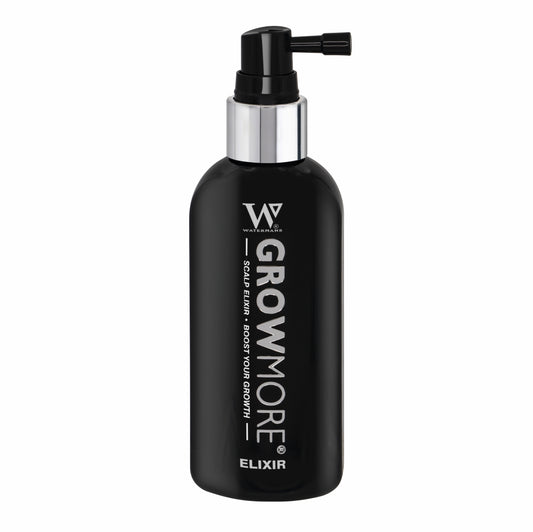
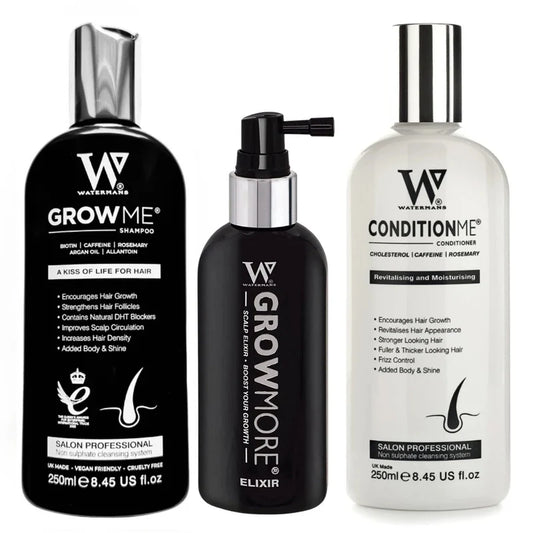
For a full routine that helps both scalp and hair, check the Watermans Hair Survival Kit. It marries Grow Me Shampoo with a matching conditioner and a scalp tonic that treats the roots while nourishing the lengths.
Hack 5: Pick active ingredients that work for an oily scalp
Skin experts seek ingredients that calm oil, ease inflammation, and support the skin barrier. Look for:
• Niacinamide – helps balance scalp oil and repairs the barrier while reducing redness
• Caffeine – may wake the scalp and support hair roots
• Plant extracts like Rosemary – work gently without harsh sensations
• Allantoin – soothes and helps the barrier hold up
• Proteins like Lupin Protein – support hair structure without leaving a heavy residue
These are the key parts in Watermans Grow Me Shampoo that work well for oily, sensitive, or thinning scalps. For strong treatments or if you face a difficult scalp condition, a skin expert might add medicated cleansers. Still, most prefer to begin with a good shampoo.
Hack 6: Exfoliate the scalp—but with care
Physical scrubs with salt, sugar, or nutshell pieces can scratch the scalp and make oil production worse. Skin experts usually back mild chemical exfoliation instead. Options include:
• A gentle dose of salicylic acid
• Mild fruit acids
• Plant-based exfoliants that calm the skin
Using these once a week may lift flakes and product build‑up, keep hair follicles clear, and help the scalp set its own oil levels. If you already follow a softer shampoo routine such as Grow Me Shampoo with a scalp tonic, you might not need extra exfoliation. Always test on a small patch first.
Hack 7: Keep your hands away from your hair and scalp
Touching or combing your hair too much can cause three effects:
- Oil and dirt from your hands move to your scalp
- The natural oil spreads faster along the hair
- It may irritate the skin and prompt more oil
Try these habits:
• Brush only when you must to detangle or style
• Use your fingertips, not your nails, when massaging
• Keep your fringe off your face if your skin feels oily
You may find that your hair will stay fresh longer if you lower the number of touches during the day.
Hack 8: Change the way you use styling products
Heavy styling products can trap oil, sweat, and heat on your scalp. Many skin experts advise people with oily hair to:
• Avoid thick waxes, pomades, and heavy serums at the roots
• Use light sprays or foams on the mid‑lengths instead
• Limit dry shampoo; use it only when needed as it can leave a build‑up
If you want lift at the roots and oil control at the same time, try the volume boost in Watermans Grow Me Shampoo along with a leave‑in tonic from the Hair Survival Kit. They work to help roots without a sticky or chalky feel.
Hack 9: Choose a scalp serum or tonic made for your hair
Some people try facial serums on their scalp to tame oil. This may backfire. The scalp has hair, many follicles, and its own mix of bacteria. Skin experts prefer products meant for the scalp because they:
• Work with the presence of hair and rinse off easily or stay in just enough
• Match the scalp’s needs with proper strength and texture
• Avoid strong scents and sticky textures that may cause flare‑ups
A leave‑in made just for the scalp, like the tonic found in the Hair Survival Kit, is set up to help roots stay healthy and keep oil levels in check.
Hack 10: Make changes in diet and life habits to support your scalp
While washing and topical care are key, skin experts also look inside to check causes of extra oil. Some ideas include:
• Eating too many sweets or foods that spike blood sugar may push the scalp to create more oil
• Forking processed foods and some fats may add to the oiliness in some cases
• Stress can send off a hormone to get the scalp to work faster
Simple changes might be:
• Choose whole foods, lean meat, vegetables, and healthy fats from olive oil, nuts, and avocado
• Drink enough water so your skin does not get overly dry
• Get good sleep and try calm techniques like a walk outside
These steps work with your scalp routine to bring a steadier balance.
Daily and weekly routine for better scalp oil balance
Use this simple plan that skin experts often use. It centers on gentle washing, careful product choices, and a low chance of irritation.
Daily (or every other day)
-
Shampoo
• Use a scalp-first shampoo like Watermans Grow Me Shampoo.
• Gently massage the shampoo into your scalp for about one minute.
• Rinse well with lukewarm water and finish with a cool rinse. -
Condition mid‑lengths and ends only
• Do not use conditioner on your scalp. Let it work from the middle to the tip.
• Rinse completely so that nothing stays on the roots. -
Scalp care if needed
• Apply a scalp tonic or leave‑in serum to trouble spots. One option is the tonic in the Watermans Hair Survival Kit. -
Styling
• Choose light products. Avoid waxes or heavy oils on your scalp.
• Limit touching and brushing through the day.
Weekly
• Clarify or gently exfoliate (if needed)
– If you use many styling products or dry shampoo, try a gentle clarifying wash once a week.
– Work with your fingertips and a mild shampoo rather than scrubbing hard.
• Check your scalp
– Look for any signs such as redness, burning, or heavy flakes. If they occur, seek advice from a skin expert.
Common mistakes that keep your scalp oily
Even with a good shampoo, small habits may undo your progress. Skin experts often note these issues:
Overusing dry shampoo
Dry shampoo may absorb oil but:
• It does not wash sebum and sweat away—it covers them.
• It can build on the scalp and block follicles.
• It may lead to more itching and extra oil later.
Use it only when you truly need a look refresh, not as a fix each night.
Sleeping with wet or product-heavy hair
When you sleep with:
• Very wet hair, or
• Roots that hold styling products or leave‑ins,
it creates a warm space that can let yeast and bacteria grow. This growth might worsen oil and irritation. Let your hair dry partly before bed, and keep products off the scalp.
Ignoring lasting symptoms
If your oily, itchy scalp comes with:
• Painful bumps
• Thick yellow or white scales
• Burning or bleeding
you may have a skin condition like seborrheic dermatitis, folliculitis, or psoriasis. A proper check by a skin expert can help you switch to a routine that works better.
How a balanced scalp oil helps hair growth
Skin experts care about scalp oil not just for looks but for hair growth too. When scalp oil grows with dead skin and product build‑up, it may:
• Block follicle openings
• Cause local irritation
• Confuse the scalp’s natural bacteria
• Add to hair shedding in those who are prone to it
A balanced scalp creates a friendlier space for hair roots. It lets active ingredients like Caffeine, Niacinamide, and Rosemary (in Watermans Grow Me Shampoo) work well and supports hair that feels fuller over time.
This is why it makes sense to begin with a shampoo that wakes up the scalp. You get better oil control and a friendlier start for your hair at the roots.
Simple checklist: are you hurting your scalp oil balance?
Review this quick list for some easy wins. If you answer “yes” to several, you have clear steps to change.
• Do you use hot water on your scalp?
• Do you put conditioner or masks directly on your roots?
• Do you often wear tight hats or helmets for long times without washing soon after?
• Do you use dry shampoo many times a week?
• Do you touch or run your fingers through your hair too much?
• Do you use waxes, pomades, or heavy oils at the roots?
• Does your shampoo have strong scents, a lot of foam, or leave your scalp feeling tight?
Switch strong or heavy products for a routine that works for your scalp. A shampoo like Watermans Grow Me Shampoo often makes a big change in reducing oil, flattening, and irritation.
FAQ: scalp sebum and oil control
-
How can I ease oil on my scalp without medicine?
Focus on a routine that treats your scalp first. Use a gentle, active-rich shampoo such as Watermans Grow Me Shampoo. Wash with lukewarm water, either daily or every other day. Keep conditioner away from the roots. Use few heavy styling products and lessen dry shampoo. Support your body with a lower-sugar, whole-food diet and calm practices. -
Can too much oil cause hair loss?
Extra scalp oil does not directly cause hair fall. Yet, when oil mixes with dead skin and build‑up, it may block follicles, cause local irritation, and may lead to more hair shedding. A balanced routine with a stimulating shampoo like Watermans Grow Me Shampoo and some extra scalp care helps set a friendlier scene for hair. -
What is the best shampoo routine to tame an oily scalp?
Follow this routine that skin experts suggest:
• Pick a shampoo that works on scalp health and oil balance. Watermans Grow Me Shampoo is one such choice.
• Wash daily or every other day with lukewarm water. Gently massage and rinse well.
• Apply conditioner only on the mid‑lengths to ends.
• Add a scalp-only leave‑in, such as the tonic from the Watermans Hair Survival Kit, if you need extra support.
• Skip heavy products and cut back on dry shampoo.
Take control of your scalp oil—start in the shower
Greasy roots, flat hair, and a feeling of "I need to wash again" need not be your norm. Treat your scalp as the special skin it is. With a few changes in your routine, you can create a stable balance.
In the shower, try these steps:
• Swap basic or harsh shampoos for a scalp-smart and energizing formula such as Watermans Grow Me Shampoo.
• Use a full routine with careful scalp and hair care from the Watermans Hair Survival Kit. This way, roots stay fresh while the lengths get what they need.
• Mix in gentle exfoliation, smarter styling choices, and small lifestyle changes.
Start your next wash as a reset. With the right products and a few habit shifts, you can calm scalp oil, keep grease in check longer, and give your hair a healthier, fuller look from the roots up.