SERMs hair loss: Surprising Treatments That May Promote Hair Regrowth
When people hear SERMs hair loss claims, they feel surprised. SERMs treat breast cancer, bone loss, or menopause. SERMs also affect hair. New research in skin and hormone science finds SERMs may change the hair cycle for both men and women.
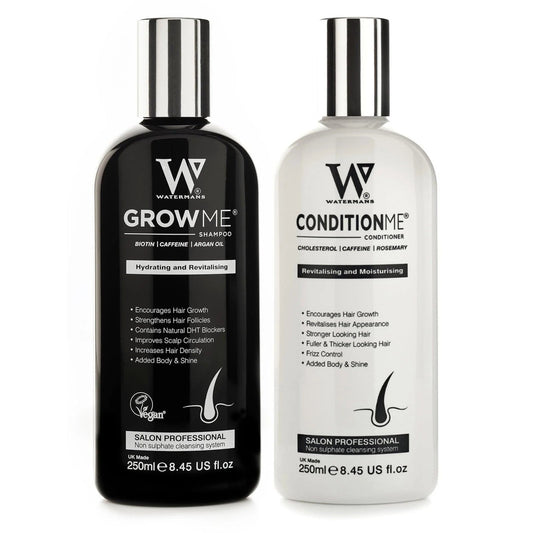
Before new treatments, start with simple, user‑friendly care. In Australia and other lands, most choose a non‑drug, scalp‑top method first. That is why many use Watermans Grow Me Shampoo as a daily routine. Its formula—Biotin, Rosemary, Caffeine, Niacinamide, Argan Oil, Allantoin and Lupin Protein—works at the roots to boost hair and support growth. You can see details here: Watermans Grow Me Shampoo.
What Are SERMs – And Why Do They Matter for Hair?
SERMs work by binding to estrogen receptors with care. They act as an activator in some cells and a blocker in others. This split action lets SERMs help bones, treat breast cancer that needs estrogen or weaken hormone signals in other parts.
For hair, this matters because hair follicles are small organs that sense hormones. Both estrogen and androgens guide hair growth and form. Changes in estrogen signals can stretch the growth phase or shorten the resting phase.
Different SERMs work in different scalp areas. A person’s hormone state (such as menopause, PCOS, or anti‑androgen use) also shapes the effect.
How Hormones Shape Hair Growth and Hair Loss
To see the SERMs link to hair loss, first look at the hormone–hair tie.
Estrogen’s Role in Hair
Estrogen makes scalp hair grow well. In pregnancy, estrogen helps hair appear fuller. When estrogen falls in menopause, hair may thin and shed.
Estrogen makes hair grow longer. It calms skin around the follicle. It helps feed the scalp. When estrogen drops fast, many women face a loss of volume, extra shedding in the shower, or less bounce in their ponytail.
Androgens and Hair Follicles
Androgens are hormones like testosterone and DHT. On scalp hair they may shrink follicles, leading to pattern loss. On body hair, they build thicker, darker hair.
Thus, hair loss patterns in men and women depend on hormone sensitivity. SERMs work amid these hormone signals. Their effects on estrogen receptors can help or hurt hair, depending on the drug and a person’s body.
The Link Between SERMs and Hair Loss: Why It Is Complicated
Search for SERMs hair loss, and you will see different reports. Some notice more shedding; some see thicker hair. SERMs differ in how they act. In some skin areas they mimic estrogen; in others they block it.
This means a SERM can work favorably, leave hair unchanged, or work unfavorably. The dose and the person’s hormone profile matter greatly. Any plan using a SERM for hair must be planned with a doctor. Never start on your own.
Common SERMs and Their Reported Hair Effects
Tamoxifen and Hair Loss
Tamoxifen is known for treating cancer and lowering risk in high‑risk women.
Hair effects can vary. Some report a rise in shedding or thinning; others see stable hair or even post‑chemotherapy improvement when tamoxifen is added later.
Tamoxifen blocks estrogen in breast tissue but may show mild estrogen signals elsewhere. For some, this low estrogen state can cause hair thinning. For others, steady hormone swings help hair recover. Many reports come from personal accounts, and hair loss is a listed side effect.
Raloxifene and Hair
Raloxifene helps protect bones in postmenopausal women.
For hair, reports show few side effects. Some users see stable hair, or a slight boost when they switch from other drugs. In a steadier hormone state, its action may be less strong than other SERMs.
Clomiphene (Clomid) and Hair Loss or Regrowth
Clomiphene treats fertility problems.
Some users face large shifts in hormones. Fast changes in estrogen can start a short phase of shedding. The response differs in each person, and hair changes often mix with other fertility effects.
Can SERMs Promote Hair Regrowth?
The thought behind SERMs and hair treatments rests on a few ideas:
- Estrogen helps hair grow well before menopause.
- Some SERMs can send signals like estrogen to hair follicles without affecting breast or womb.
- There is growing interest in local, scalp‑focused hormone treatments.
Even though SERMs were not made for hair, skin experts study whether partial receptor action on the scalp can extend the growth phase. Lab models show hope, but large human tests are few.
As of now, any use of SERMs for hair remains off‑label and experimental. Only a specialist should plan such a treatment.
SERMs Hair Loss vs. Traditional Hair Loss Treatments
Anyone curious about SERMs for hair must know how they compare with other options.
Non‑Drug, Topical Approaches
Many people with early hair loss start with scalp care and direct stimulation by using non‑drug products.
In Australia, Watermans Grow Me Shampoo is popular. It works with Biotin, Rosemary, Caffeine, Niacinamide, Argan Oil, Allantoin and Lupin Protein to boost the scalp and build volume. Find more details here:
Watermans Grow Me Shampoo – Hair Growth Shampoo.
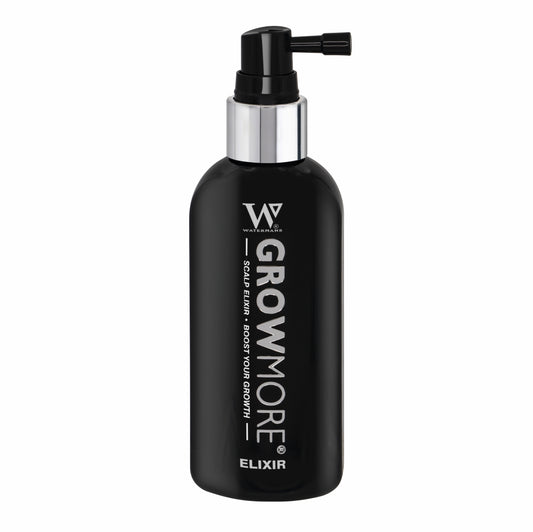
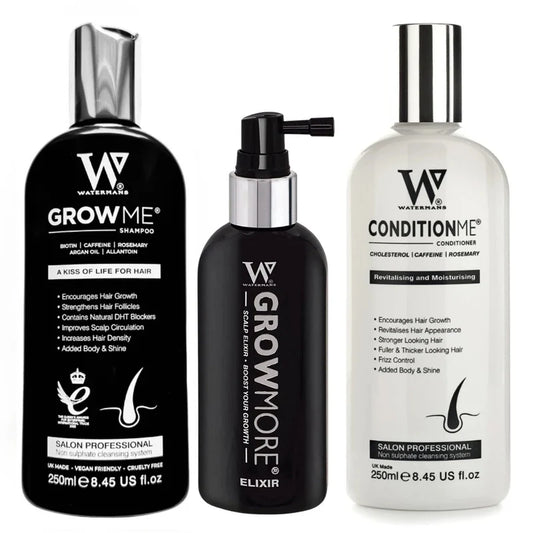
For a full routine that cares for both the hair and scalp, many choose the Watermans Hair Survival Kit. This kit bundles shampoo, conditioner, and a scalp‑boosting leave‑in product.
Medical Treatments: A Brief Overview
Under a doctor’s care, one may try:
• Minoxidil (topical) to keep hair in the growth phase.
• Finasteride or Dutasteride (oral) to cut DHT in male pattern loss.
• Anti‑androgens (such as spironolactone or cyproterone acetate for women) which block hormone signals.
• Hormone treatments that aim to balance the body’s levels.
SERMs are hormone modulators. They work nearer to hormone treatments than to simple topical products. Studies may combine a SERM with other drugs for hormone issues. For now, SERMs are not the first drug for hair loss.
How SERMs Might Affect Hair Follicles
Understanding how SERMs affect hair means knowing the receptors in follicles.
Estrogen Receptor Action in the Follicle
Hair follicles hold two main estrogen receptors. When a SERM binds:
• It may partly turn the receptor on, acting similarly to estrogen.
• It may block activation, like a low estrogen status.
If the receptor keeps a low state in the scalp, hair may thin. If it stays partly active, hair may hold its growth phase and get thicker over time.
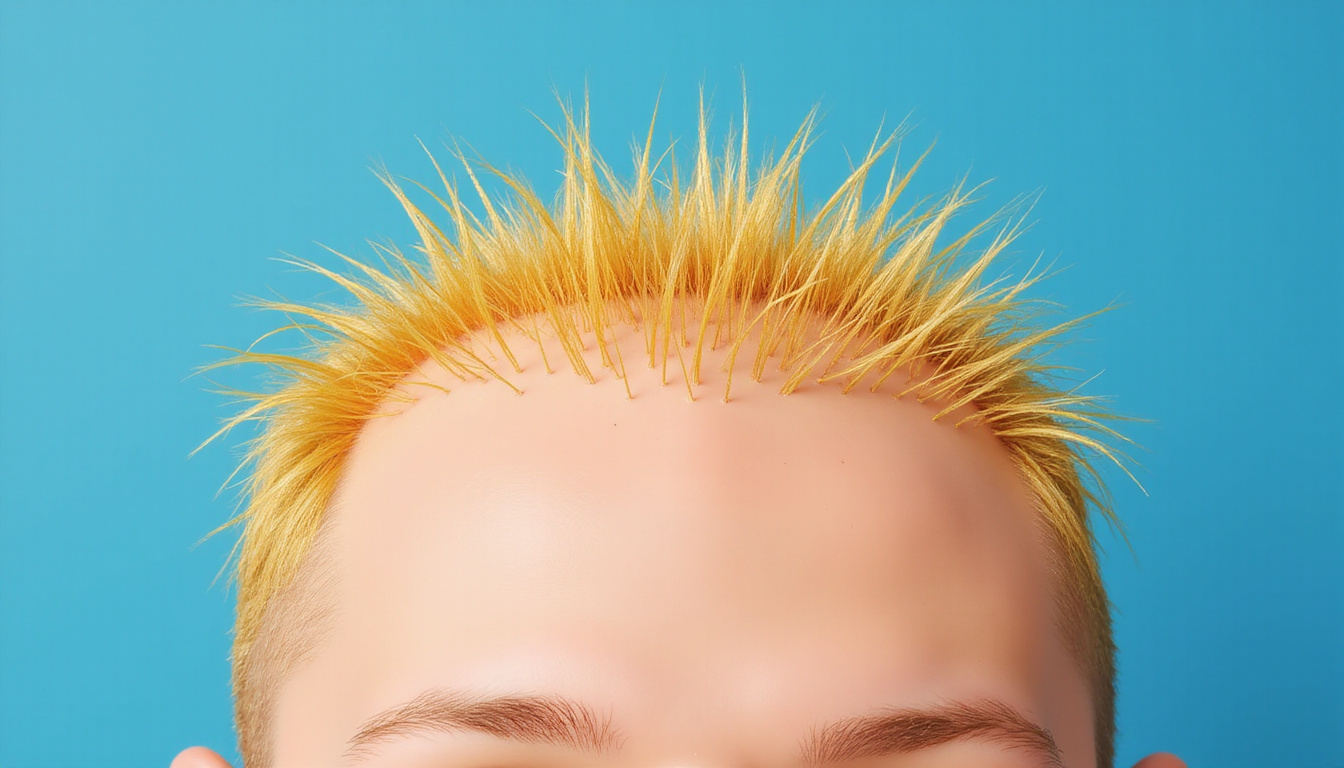
The effect depends on whether the SERM acts mostly by carrying a signal or stopping one. Local treatments might reduce whole‑body effects, but most SERMs are taken oral, which means the results on hair can vary.
When SERMs Might Contribute to Hair Loss
Observations from clinics show some trends.
After Major Treatments
After major treatments such as chemotherapy or cancer care, the body shifts its hormones rapidly. When a SERM is present, the body may work like it has low estrogen. After a few months, shedding may start. Hair can grow thin, feel weak, or lose its shine. These signs appear all over the scalp and often come and go as hormones settle.
In Sensitive People
Some have a genetic or hormonal make‑up that feels even small changes. In these cases, even a tiny drop in estrogen signals may bring thinning. If you have pattern hair loss, a hormone change can make the condition seem worse.
If you notice new or worse hair loss while on a SERM, record the timing and take photos. Then speak with your doctor. Never change your treatment without advice, especially when SERMs work for cancer or similar issues.
When SERMs Might Help Hair Regrowth
Even though SERMs are not used only for hair regrowth, there are cases when they may join a wider plan.
Helping Postmenopausal Hair
In some postmenopausal women, low bones or hormone signs come with thin hair. A chosen SERM might send a weak estrogen signal for bones and scalp. It may help calm hormone swings that can worsen hair loss. The risks and benefits—cancer, heart issues, and quality of life—must all be weighed.
In Complex Hormone Cases
For those with PCOS, strong hormone shifts, or who face long term hormone therapy, a team of experts (hormone and skin specialists) may use a SERM as part of a bigger plan. Any gain in hair is secondary to balancing hormones overall.
Simple, At-Home Steps Before Prescription SERMs
Before thinking about hormone drugs for hair, start with steps that build a safe base.
1. Scalp-Focused Haircare Routine
Good care can shape your hair’s future. A product like Watermans Grow Me Shampoo targets your scalp. It builds support from the roots and helps hair look thicker. Find it here:
Watermans Grow Me Shampoo.
For a full set, try the Watermans Hair Survival Kit. It bundles shampoo, conditioner and a leave‑in product that work together.
2. Lifestyle and Nutritional Support
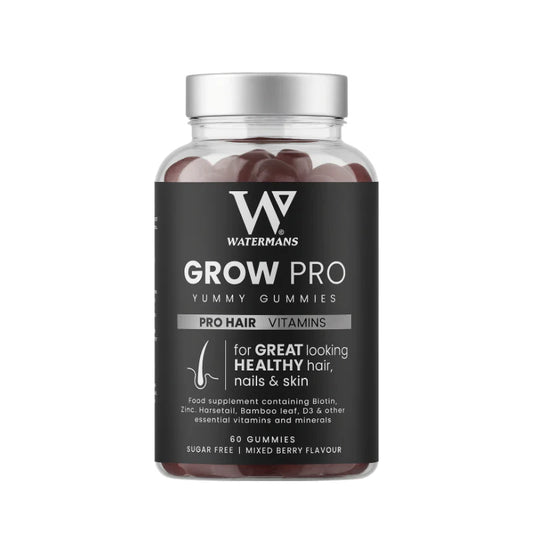
No single food can stop hair loss, but a good diet helps overall health. A check on iron, enough protein, and good fats like omega‑3s can help your follicles. Also, B‑vitamins, zinc, and vitamin D play supporting roles. Always talk to your doctor before adding new supplements.
3. Managing Stress and Sleep
High stress and poor sleep can push hair into a resting phase faster. Routine sleep, calm moments, and daily movement can cut stress. These small steps build a strong base for hair care.
Once you have set these foundations, you can look at stronger or new treatments, including SERMs, with clear guidance.
Talking to Your Doctor About SERMs and Hair Loss
If you use a SERM (like Tamoxifen or Raloxifene) and worry about your hair, meet your doctor with clear notes.
Before your visit, track when you began the SERM and when hair changes started. Note if you see more shedding, wider parts, or a thinner line. List your shampoos, supplements, styling products, and all medications.
Ask your doctor:
• Is hair loss known with this SERM?
• Could the shedding be a short phase due to stress or another drug?
• Are there non‑drug scalp treatments I should start?
• Can I mix in any other hair-loss drugs with my current plan?
• Should I visit a hair specialist for more checks?
Keep in mind that in some conditions—especially cancer—SERMs save lives. Never change your treatment without a doctor’s advice.
Practical Home Tips While on SERMs
If you use a SERM and want to protect your hair, try these home ideas:
• Be kind when styling. Avoid very tight ponytails or braids.
• Limit heat and harsh chemical treatments.
• Use pillowcases made of soft fabrics like silk or satin blends.
• Pick shampoos and conditioners that treat your scalp gently and help volume. Watermans Grow Me Shampoo is one product many choose for a natural routine while handling hormone treatments.
• Take photos each month in similar light to track progress. Note if hair feels better or worse, and share with your doctor.
Frequently Asked Questions About SERMs Hair Loss
-
Do SERMs always cause hair loss?
No. SERMs do not always bring hair loss. Their effect depends on the drug, your hormone balance, other treatments, and your genes. Some see more shedding. Others notice no change. A few may even see better hair. -
Can SERMs treat female pattern hair loss?
Right now, SERMs are not a standard fix for female pattern hair loss. Studies into hair thinning and SERMs are in early work. A specialist may include SERMs as one small part of a broader hormone plan. Often, starting with scalp care (like using Watermans Grow Me Shampoo) is best. -
Should I stop my SERM if I see hair loss?
Do not stop your SERM on your own. If you notice more hair loss, write down when it began and how severe it is. Talk with your doctor. They will help decide if the hair loss is temporary or if a change in treatment is needed.
Taking the Next Step for Your Hair
If you research SERMs and hair loss, you face complex issues with your hair. This work is hard, but you do not have to try aggressive methods at once.
A wise first step is to boost your daily haircare routine with products that care for your scalp and build volume in a simple, non‑drug way. In Australia, many turn to Watermans Grow Me Shampoo. Its mix of Biotin, Rosemary, Caffeine, Niacinamide, Argan Oil, Allantoin and Lupin Protein works at the roots to support thick hair.
For those who need a complete system, the Watermans Hair Survival Kit combines a shampoo, conditioner, and a leave‑in scalp product that work as one.
Start with a supportive routine. Then, talk with your doctor about your hormone care and hair. A specialist can help you plan safely. This way, you keep control as you work through the choices around SERMs and hair loss.