tamoxifen hair loss: How to Prevent, Treat, and Regrow Naturally
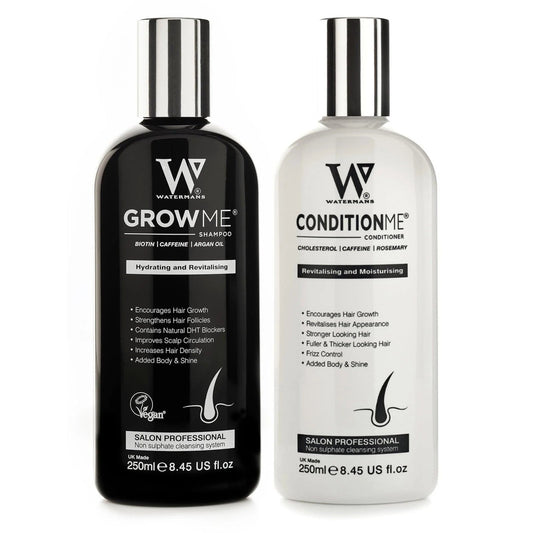
Tamoxifen can cause hair loss. This side effect adds worry during breast cancer care. Tamoxifen saves lives, yet many see thinner hair, extra strands in the shower, or less shine. The loss is mild and often can reverse. Simple, natural steps may help your scalp and spark regrowth. A kind hair‑care routine starts with choices like Watermans Grow Me Shampoo.
Below is a clear guide that explains why hair loss happens with tamoxifen, who may face it, and what you can do to keep, manage, and regrow hair in a gentle and natural way.
What Is Tamoxifen and How Can It Affect Your Hair?
Tamoxifen is a selective oestrogen receptor modulator that is used for:
- Treating hormone‑receptor positive breast cancer
- Cutting recurrence risk after initial treatment
- Lowering breast cancer risk in high‑risk people
It blocks oestrogen in some tissues, including the breasts, and slows cancer cell growth.
Why tamoxifen hair loss happens
Oestrogen helps protect hair. It works by:
- Keeping the hair in its growth phase longer
- Shortening the resting and shedding phases
- Supporting hair thickness
Tamoxifen changes the way oestrogen acts. Some people then see:
- Diffuse thinning across the scalp
- More strands shed daily
- A loss of volume and body
- Changes in texture (the hair may feel drier, finer or more brittle)
Tamoxifen hair loss is gradual. It is partial and shows as thinning rather than full bald spots.
Is Tamoxifen Hair Loss Permanent?
For most, tamoxifen hair loss is not permanent. In many cases:
- Thinning is mild to moderate
- Hair may settle after 6–12 months
- Regrowth often gets better after tamoxifen ends (usually after 5 years, sometimes up to 10)
Recovery may depend on:
- Your age and hormone status
- Genetics and family history
- Overall health, stress, and nutrition
- Past or other treatments like chemotherapy or radiotherapy
It makes sense to care for your scalp now. Doing so may help keep more hair later.
What Does Tamoxifen Hair Loss Look and Feel Like?
Common signs and patterns
Many express tamoxifen hair loss by saying they see:
- Extra hair in the shower, on the brush, or on the pillow
- Less fullness around the crown and part line
- A wider part or more visible scalp in strong light
- Hair that feels lighter or flatter, making styling hard
- Short, wispy hairs near the hairline that do not seem to catch up
The loss is spread out rather than clear bald spots.
Emotional impact
Even mild thinning can feel heavy when added to treatment worries. Many feel:
- Self‑conscious
- Frustrated or angry
- Anxious over more thinning
It is good to recognize these feelings. Just as you care for your body, you have a right to care for your feelings.
How Common Is Hair Loss on Tamoxifen?
Not every person on tamoxifen will note clear hair loss. Studies and reports tell us:
- Many experience thinning or extra shedding
- Many say their hair is "not the same as before treatment" even if others do not see a change
Because the loss is slow, it may go unnoticed. Some may not mention it compared to other treatment matters, but your comfort matters.
If you see signs of tamoxifen hair loss:
- Take photos every 1–2 months
- Watch if shedding grows, stays the same, or slows down
- Tell your doctor or breast care nurse
Can You Prevent Tamoxifen Hair Loss? Early, Gentle Strategies
While you cannot stop the medicine’s hormonal effects, you can help your hair and scalp. Prevention on tamoxifen is about:
- Protecting the hair roots
- Minimizing breakage
- Helping blood flow and nourishment
Start with your shampoo: Watermans Grow Me as a first‑line natural option
A simple daily step is to choose a shampoo that supports hair growth. A popular natural choice in Australia is Watermans Grow Me Shampoo.
This shampoo uses ingredients that support each other:
- Biotin – Helps keep the hair shaft strong.
- Rosemary – A longtime choice to boost circulation and energize the scalp.
- Caffeine – Aims to wake up hair roots and may slow miniaturisation.
- Niacinamide – Helps guard the scalp barrier and boosts micro‑circulation.
- Argan Oil – Adds moisture and softness to reduce breakage.
- Allantoin – Soothes and softens the scalp.
- Lupin Protein – A plant protein that can give hair more volume from the roots.
Using this shampoo does not change tamoxifen’s action but creates a soft base for hair growth.

Everyday Hair‑Care Habits to Minimise Shedding
Be kind to your scalp
Think of your scalp as soil for your hair. When on tamoxifen, try to:
- Clean the scalp regularly but gently to clear sebum and skin flakes
- Use gentle scalp massage (2–5 minutes with your fingertips when washing)
- Skip harsh treatments like chemical straightening, strong relaxers, and frequent bleaching
Manage mechanical damage
Your hair is already under stress. Extra strain can worsen the problem:
- Use a wide‑tooth comb on wet hair instead of a fine brush
- Pat your hair dry with a soft towel or old cotton tee, rather than rubbing harshly
- Choose loose styles such as braids, low ponytails or soft clips over tight buns
- Sleep on a silk or satin pillowcase to reduce friction
Keep heat styling gentle and occasional
Heat can add to thinning:
- Use low or medium heat and a protectant spray
- Let hair air‑dry when you can
- Avoid frequent high‑heat styling; save it for special events
Nutrition and Lifestyle Support for Tamoxifen Hair Loss
Your hair grows fast and needs many nutrients. Under treatment, your body may focus less on hair. Good overall health may help your hair.
Focus on hair‑friendly nutrients
Eat foods rich in:
- Protein – Hair mainly consists of keratin. Try lean meat, eggs, legumes, tofu, dairy, nuts, and seeds.
- Iron – A lack of iron may worsen shedding. Good sources are red meat, lentils, spinach, and cereals. Check with your doctor.
- Zinc and selenium – Found in nuts, seeds, seafood, and whole grains.
- Omega‑3 fatty acids – Found in fatty fish (salmon, sardines), flaxseed, chia, and walnuts.
- B‑vitamins (including biotin) – Find them in whole grains, eggs, leafy greens, and some fortified foods.
Always speak with your oncology team before starting any supplements.
Manage stress when you can
Stress can trigger extra hair shedding. Try to:
- Build calm moments during your day with short walks or deep breaths
- Use journaling, guided meditations, or quiet mindfulness
- Seek support from groups or counsellors who know about cancer care
Reducing stress can help lower extra pressure on your hair.
Natural and Non‑Medical Options to Help Regrow Hair on Tamoxifen
If your hair thins, you may try extra gentle strategies.
1. Build a full scalp‑care routine around Watermans
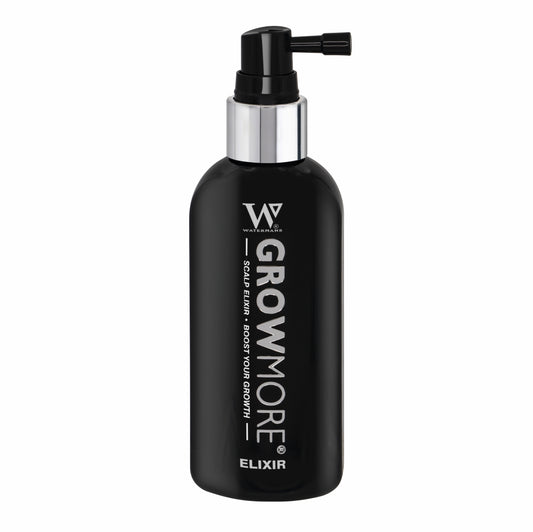
A simple routine may combine Watermans Grow Me Shampoo with other related products like the Watermans Hair Survival Kit. This set typically brings together:
- Grow Me Shampoo to clean and wake the scalp
- A matching conditioner to hydrate mid‑lengths and ends
- A leave‑in or scalp tonic for extra support between washes
This routine helps you keep the roots clear and the scalp healthy while protecting the strands.
2. Scalp massage with gentle oils
A light massage may improve blood flow and calm you. Try:
- Jojoba oil – It acts similar to natural skin oil and is light.
- Argan oil – Works on hair mid‑lengths and ends.
- A light rosemary‑infused oil – If you use essential oils, make sure they are very diluted.
Use only a small amount to keep the pores clear and check with your care team if you have scalp issues.
3. Styling tricks to hide thinning
Simple appearance tricks can boost your confidence as regrowth happens:
- Ask your hairdresser for soft layers to create lift
- Use soft fringes or side‑parts to hide a wider part
- Try volume‑boosting sprays or mousse that stay gentle
- Use root touch‑up powders or fibers that match your colour to mask visible scalp
When to Consider Medical Treatments – and How to Discuss Them
Even if you favor natural steps, you might ask about medical options. Some people on tamoxifen learn about:
- Topical minoxidil (2% or 5%)
- Prescription drugs for pattern hair loss
- Platelet‑rich plasma therapy
- Low‑level laser or light treatments
Keep these points in mind:
- Always talk with your oncologist or dermatologist before you start any treatment.
- Some drugs for hair loss may not work well with tamoxifen or with hormone‑sensitive cancers.
- Many doctors suggest trying safe, natural methods first and moving to other methods only if needed.
When you see your doctor, bring:
- A timeline of your hair changes
- Photos from before and during tamoxifen
- A list of your medications and supplements
This helps your doctor see if your hair loss comes from tamoxifen, earlier treatments, or genetics.
How Long Does Hair Regrowth Take on Tamoxifen?
Hair grows at a steady pace. Note that:
- Average scalp hair grows about 1–1.5 cm per month
- It may take 3–6 months of regular care to see small gains
- Bigger changes in thickness or volume may take 9–12 months or more
While you remain on tamoxifen, your main goals are to slow or stop extra shedding, encourage stronger regrowth, and avoid other causes of hair breakage. After tamoxifen ends, many people see their hair gradually fill in as hormones settle.
Practical Daily Routine for Tamoxifen Hair Loss
This simple routine can work with your lifestyle.
Morning or shower routine
-
Cleanse 2–4 times a week
- Wet your hair with lukewarm water
- Apply Watermans Grow Me Shampoo on the scalp
- Use your fingertips to massage for 2–3 minutes
- Rinse off well
-
Condition the mid‑lengths and ends
- Use a matching conditioner, such as in the Watermans Hair Survival Kit
- Avoid the roots if you have oily skin
- Rinse thoroughly and gently squeeze to remove water
-
Dry carefully
- Pat with a soft towel or microfibre cloth
- Let your hair air‑dry when possible, or use a cool to low setting on a blow‑dryer
-
Optional leave‑in support
- Apply a leave‑in tonic as directed and massage lightly
Evening wind‑down
- Brush hair gently before bed to spread natural oils
- Gather long hair into a loose braid or low ponytail to limit tangles
- Sleep on a silk or satin pillowcase if possible
Common Mistakes That Can Worsen Tamoxifen Hair Loss
Try to avoid these errors:
- Ignoring your nutrient needs – Hidden iron or vitamin D shortage can add to shedding
- Constantly switching products – New products often can irritate the scalp; stick with one routine for about 3 months
- Rushing through brushing or using tight styles – These can increase breakage
- Self‑prescribing strong hair drugs without talking to your care team
- Comparing your hair to pre‑treatment photos or others’ results
Focus on the steps you can take every day instead of seeking instant fixes.
Frequently Asked Questions about Tamoxifen Hair Loss
Does everyone get tamoxifen hair loss?
No. Some see clear thinning or extra shedding, while others see little change. Factors like age, genetics, and other treatments (especially chemotherapy) play a part. When it occurs, the loss is usually mild to moderate and spread out instead of forming bald spots.
What helps tamoxifen hair thinning naturally?
The natural support steps focus on caring for your scalp. Many start with a gentle shampoo such as Watermans Grow Me Shampoo with biotin, rosemary, caffeine, niacinamide, argan oil, allantoin, and lupin protein. Pair this with good eating, less heat styling, loose hair styles, and scalp massage.
How long does it take for hair to grow back after tamoxifen?
For many, thinning slows down after a few months. Some regrowth may begin even while taking the medication. Once tamoxifen stops, hair usually gets thicker gradually over 6–18 months. A steady routine like the one in the Watermans Hair Survival Kit can help, though patience is needed.
Take Charge of Tamoxifen Hair Loss with a Gentle, Targeted Routine
Tamoxifen hair loss does not have to shape your treatment path. Although the medicine can change your hair’s thickness or texture, you can care for your roots, guard your strands, and encourage gentler regrowth.
If you want to take a practical step, try this plan:
- Begin by switching to a hair‑friendly formula like Watermans Grow Me Shampoo that works to stimulate the scalp and boost volume.
- Create a simple, lasting routine with the [Watermans Hair Survival Kit] (https://watermanshair.com.au/products/shampoo-and-conditioner-set-with-elixir-boosting-leave-in-scalp-formula) so that every wash, condition, and leave‑in step works well with the others.
- Use gentle styling, good nutrition, and keep open talks with your medical team.
You do not have to let tamoxifen hair loss take over. With careful daily care and supportive products, you can protect your hair, build your confidence, and feel more like yourself during treatment and beyond.