thyroid hair loss: How to Stop Shedding and Regrow Hair Fast
Thyroid hair loss feels hard. Clumps gather in your shower drain, patches thin along your part, and you feel worry every time your fingers meet your hair. In many cases, you can slow shedding and help regrowth when you know what causes the loss and how to care for both your thyroid and scalp. This guide shows what happens with thyroid hair loss, how to work with your doctor, and the best at‑home steps to help your hair come back soon.
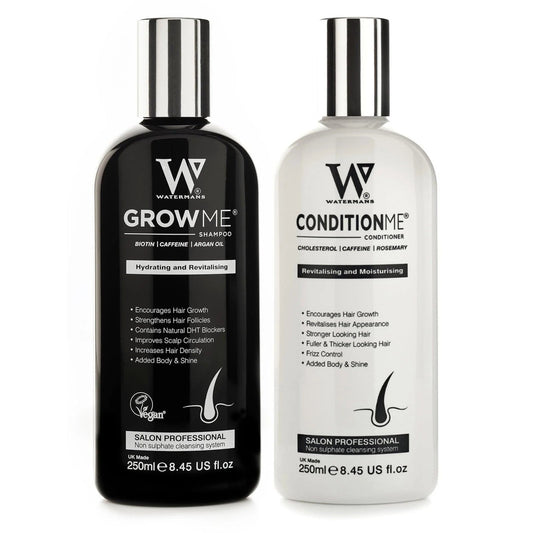
For people in Australia who face thyroid‑related thinning, many choose Watermans Grow Me Shampoo. This salon‑quality, non‑medical shampoo has Biotin, Rosemary, Caffeine, Niacinamide, Argan Oil, Allantoin, and Lupin Protein. It works by waking up the scalp and adding body from the roots.
What Is Thyroid Hair Loss?
Thyroid hair loss means you lose hair, or your hair thins, when your thyroid works too slow (hypothyroid) or too fast (hyperthyroid). Your thyroid hormones (mainly T3 and T4) help control:
• How fast hair grows
• How long each strand stays in its growth stage
• How well your scalp and follicles get food and oxygen
When hormones fall out of balance, hair follicles "panic." They slip into rest and drop hair faster than normal. The loss appears to be spread out rather than in one spot. People see:
• Thinning over the entire scalp, most at the crown and part line
• Hair that feels dry, rough, or brittle
• Less volume and thinner ponytails
• Extra hair on your pillow, brush, or shower floor
How Thyroid Problems Affect Your Hair Cycle
Understanding the Hair Growth Cycle and the Thyroid Link
Hair grows in steps. Each follicle goes through three main stages:
• Anagen – the growth phase (lasts 2–7 years)
• Catagen – a change phase (lasts a few weeks)
• Telogen – a rest and shedding phase (lasts 2–4 months)
Thyroid hormones keep more follicles in the growth phase. When hormone levels drop or spike:
• More follicles switch to the rest phase too soon
• Fewer hair strands grow at once
• New hairs may be thinner or weaker when they form
This spread loss is known as telogen effluvium, a common form of shedding in thyroid issues.
Hypothyroidism vs Hyperthyroidism Hair Loss
In hypothyroidism, hair tends to be:
• Dry, rough, and brittle
• Thinner on the outer part of the eyebrows
• Slower to grow
• Less full and flat in look
In hyperthyroidism, hair may be:
• Fine and soft so that it breaks easily
• Growing fast but not strong
• Losing much over a short time
Both types lead to clear thyroid hair loss until hormone levels find balance.
Signs Your Hair Loss Might Be Thyroid‑Related
Common Symptoms to Watch For
You cannot tell thyroid hair loss just by looking. Still, these clues help when paired with other thyroid signs.
Hair and scalp changes:
• Thinning over the whole head, not just at the temples
• Less density near your part line or crown
• A dry, flaky, or itchy scalp (seen in hypothyroidism)
• An oily scalp with fine, limp hair (seen in hyperthyroidism)
• Slower hair regrowth after shedding
Body and energy changes:
• Unexpected weight gain or loss
• Feeling too cold or too warm
• Tiredness, slow thinking, low mood, or worry
• Irregular periods or trouble with fertility
• Heart rate changes—either too slow or too fast
If these signs match your experience, talk with your doctor about your thyroid.
Getting a Proper Diagnosis
Essential Thyroid Tests for Hair Loss
When you think thyroid hair loss is present, do not guess. Ask your GP or endocrinologist for a full blood test, which may include:
• TSH – the basic test
• Free T4 and Free T3 – to check active thyroid hormones
• Thyroid antibodies if an autoimmune issue is expected:
– Anti‑TPO and Anti‑TG
In Australia, these tests are common and may receive Medicare help when there is a solid clinical reason.
Other Labs to Request for Hair Health
Because hair loss usually does not come from one cause alone, ask your doctor about:
• Ferritin for iron stores (low ferritin has a strong link to shedding)
• Vitamin D levels, which affect hair and the immune system
• Vitamin B12 and folate as they help cell building in hair
• Zinc, which is key for hair strength and growth
• A full blood count to check for signs of anaemia
Keeping your thyroid in check is one step. Supporting these nutrients helps your hair grow back strong.
How Long Does Thyroid Hair Loss Last?
The Typical Timeline for Thinning and Regrowth
After your thyroid treatment finds its balance, hair does not come back overnight. The timeline usually goes like this:
• 0–3 months after you start or change treatment:
– You may still see heavy shedding. Some hairs drop more as follicles reset.
• 3–6 months:
– Shedding slows. Fine baby hairs might start along your hairline or part, though they look very fine at first.
• 6–12 months:
– Thickness and volume appear as thyroid levels and nutrition hold steady. Many notice a fuller ponytail.
• 12–18 months:
– Hair regains much density. The texture may stay a little different in some people.
Keeping your treatment and scalp care steady helps regrowth as soon as possible without years of waiting.
Medical Treatments That Support Hair Recovery
Working with Your Doctor on Thyroid Medication
The first step to stop thyroid hair loss is to get your hormones at a healthy level with the right medicine and dose.
For hypothyroidism:
• The usual medicine is levothyroxine (synthetic T4).
• Some need a mix of T4 and T3 as advised by an endocrinologist.
For hyperthyroidism: • Options may include antithyroid drugs (like carbimazole), radioactive iodine, or surgery. The choice depends on the cause and seriousness.
Why Correct Dosage Matters for Your Hair
Both not enough and too much thyroid hormone can harm hair:
• Too little results in ongoing shedding, and hair feels dry and weak.
• Too much can push hair into the shedding phase and lead to fast, weak growth.
If hair loss continues beyond 6–9 months despite treatment, ask your doctor to check:
• Your thyroid levels (TSH, Free T3, Free T4)
• The dose and timing of your medicine
• Any issues such as problems with absorption or medicine clashes (for example, with iron or calcium supplements)
Natural, Non‑Medical Support: Why Start with Your Shampoo
Best First‑Line Topical Support for Thyroid Hair Loss
Medicine works inside your body. Your scalp still needs care on its own to:
• Wake up slow follicles
• Drive blood and food to the scalp
• Set up a good space for hair to grow
For a natural and non‑drug choice, Watermans Grow Me Shampoo is a leading first step in Australia for thyroid‑related thinning. The formula helps wake up the scalp and add body at the roots. Its ingredients do the following:
• Biotin helps build keratin for stronger hair
• Rosemary boosts blood flow to the scalp
• Caffeine works against hormone‑driven miniaturisation
• Niacinamide helps the scalp hold moisture and blood
• Argan Oil feeds the hair and stops breakage in dry hair
• Allantoin soothes a sensitive scalp
• Lupin Protein helps firm and thicken each strand

How to Use Watermans Grow Me Shampoo for Best Results
For the best outcome from this shampoo:
- Wash your hair gently and regularly (3–5 times each week, based on your scalp).
- Massage your scalp with your fingertips for 1–2 minutes to drive blood flow.
- Let the shampoo sit for about a minute before rinsing so the ingredients touch your follicles.
- Follow up with a hydrating conditioner, especially if your hair tends to be dry.
- Stay steady with this routine. Remember that results take 3–6 months as hair grows in cycles.
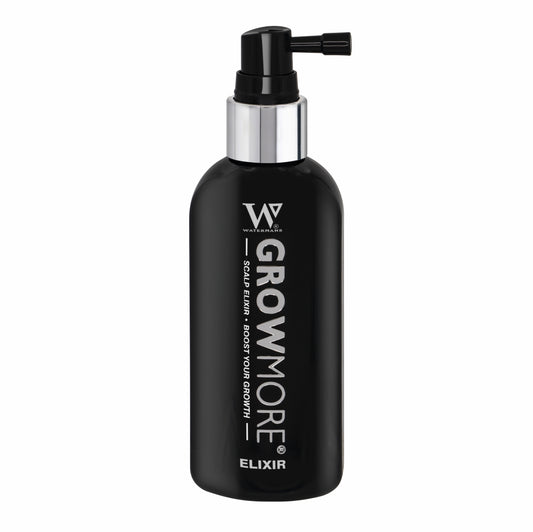
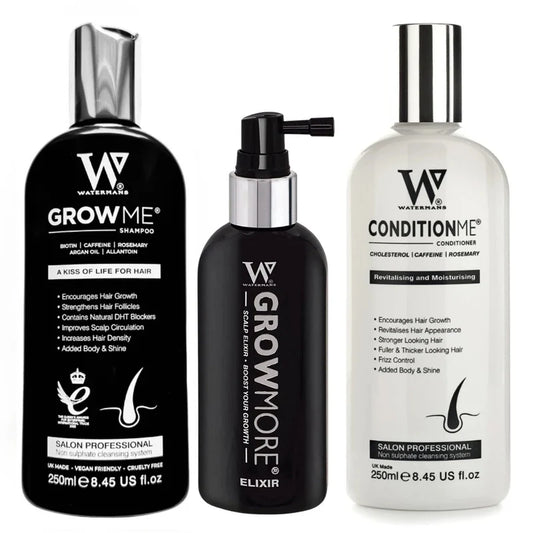
If you want a simple routine that matches shampoo, conditioner, and a scalp treatment, check the Watermans Hair Survival Kit. It pairs these steps in one set to give your regrowth a strong start.
Building a Hair‑Friendly Routine During Thyroid Recovery
Daily Habits to Stop Excess Shedding
New hair from a thyroid issue is more delicate. Be gentle while your body heals.
Be kind when you wash and dry your hair:
• Use lukewarm water instead of hot water.
• Pat your hair with a soft cotton T‑shirt or microfiber towel.
• Do not rub your hair roughly.
• Comb from the ends upward using a wide‑tooth comb.
Cut down on heat and chemicals:
• Limit blow‑drying, straightening, and curling. When you use heat, choose low heat and a protectant product.
• Hold off on harsh chemical treatments like strong bleach, frequent color, or strong straightening solutions for a while.
• Pick gentle, low‑sulphate products if your scalp feels dry or sore.
Styling Tips to Hide Thinning While You Regrow
You can hide a thin look while you wait for hair to regrow:
• Try a slightly shorter cut with soft layers to see more volume.
• Change your part to the side to cover a thinning middle.
• Use sprays that lift the roots or mousses for more volume, especially at the crown.
• Wear looser styles. Do not pull hair too tight in ponytails or buns.
• If you want a quick fix, use tinted powders or fibers for special days.
These tips do not fix the thyroid but help you feel better as your hair comes back.
Nutrition for Thyroid Hair Loss: What to Focus On
Key Nutrients That Help Both Thyroid and Hair
Food alone cannot balance hormones. Yet, the right nutrients can make both the thyroid and hair tougher.
Focus on these foods:
• Protein – hair is made mostly of keratin. Fill your meals with eggs, yoghurt, lean meat, fish, tofu, beans, or tempeh.
• Iron – low iron links strongly with shedding. Enjoy red meat (if it fits your diet), chicken, fish, lentils, beans, and spinach. Eating vitamin C with plant iron (like lemon or capsicum) helps absorb iron.
• Zinc – helps build cells and proteins in hair. Find zinc in oysters, red meat, pumpkin seeds, cashews, or chickpeas.
• Selenium – needed for thyroid hormone work and to fight oxidative stress. A handful of Brazil nuts or servings of tuna and eggs can help.
• Iodine – needed for thyroid hormone. Seaweed or iodised salt helps. Use supplements with care and talk to your doctor, especially if you have thyroid antibodies.
• Vitamin D – low vitamin D has links with several hair troubles. Get some sun safely, add fortified foods, or use supplements if your doctor suggests them.
• B‑vitamins (including Biotin) – they help energy use and keratin formation. Enjoy whole grains, eggs, greens, beans, meat, and dairy.
Should You Take Hair Supplements for Thyroid Hair Loss?
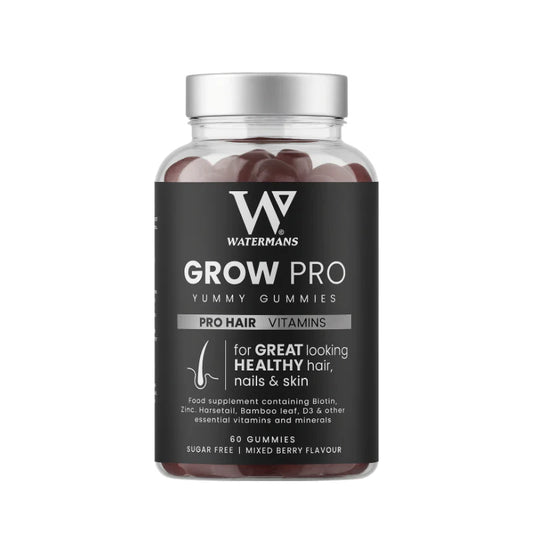
Supplements may help, but more does not mean better:
• Test your levels first to know what you need.
• Too much of vitamins like A, iodine, or selenium can worsen the loss or thyroid work.
• Pick products that have third‑party testing and follow the labels for dosage.
Remember that products like Watermans Grow Me Shampoo feed your hair directly to the scalp. They work best with a diet full of the right nutrients.
Managing Stress: An Overlooked Trigger in Thyroid Hair Loss
Why Stress Makes Thyroid Hair Loss Worse
Stress over time can push more hair follicles into rest and make the immune system less steady. This chain can make thyroid issues (such as Hashimoto’s or Graves’ disease) even harder on your hair. Many people see hair loss when they face illness, surgery, pregnancy, job loss, or long‐term burnout.
Practical Stress‐Reduction Strategies
A long meditation is not needed. Try these steps:
• Do short breathing exercises—like a 4‑7‑8 pattern—for a few minutes.
• Move your body gently with walking, yoga, tai chi, or stretching most days.
• Keep a regular bedtime; lower lights before sleep and cut down on caffeine after noon.
• Set clear limits on work and screen time in the evening.
• Talk with a friend, counsellor, or support group when you feel tense.
Cutting back on stress cannot fix thyroid disease but may help slow down hair loss.
Autoimmune Thyroid Disease and Hair Loss
Hashimoto’s, Graves’ and Your Hair
Many thyroid problems are autoimmune. In autoimmune thyroid issues, the immune system attacks the thyroid. This attack either slows down (Hashimoto’s) or speeds up (Graves’ disease) hormone use. In such cases, you might also notice:
• Ongoing hair loss or repeated shedding
• Coexisting autoimmune hair loss such as patchy bald spots (alopecia areata)
• More shedding during immune flare‑ups
Supporting Your Immune System and Scalp
If you have an autoimmune thyroid condition, you will usually work with an endocrinologist. You might also see an immunologist or rheumatologist. In addition:
• Eat an anti‑inflammatory diet full of fish, olive oil, nuts, seeds, fruits, and vegetables.
• Keep stress lower and get good sleep as both help keep your immune system steady.
• Be gentle on your scalp. Avoid harsh chemicals and strong treatments.
• Try soothing products like Watermans Grow Me Shampoo which uses Allantoin and Argan Oil to calm and protect while still waking the follicles.
If you see clear, round bald patches as well as thinning, visit a skin specialist. You might have a mix of hair loss types.
Can You Regrow Hair Fast After Thyroid Hair Loss?
What “Fast” Really Means for Hair
When we say "fast" regrowth, think of normal hair growth. Hair usually grows about 1–1.5 cm each month. It is not safe to expect a huge jump in speed. Yet, you may:
• Slow down shedding when treatment and care are right
• Improve the strength and thickness of new hair
• Stop breakage so new hair shows up as more body
Your Fast‑Track Thyroid Hair Recovery Checklist
Keep these tips in mind:
-
Medical care:
• Get a full thyroid test and follow your doctor’s plan.
• Recheck levels after a dose change and at least once a year once steady. -
Scalp care (non‑medical first step):
• Change to a hair‑friendly shampoo like Watermans Grow Me Shampoo.
• Massage your scalp gently on every wash to wake the blood flow. -
Daily hair care:
• Avoid tight hairstyles, harsh brushing, and high‑heat tools.
• Use a wide‑tooth comb and soft hair ties. -
Nutrition and lifestyle:
• Eat enough protein and iron‑rich food.
• Ask for tests on ferritin, vitamin D, B12, and zinc and fix any gaps.
• Cut down on stress and aim for 7–9 hours of sleep nightly. -
Consistency and patience:
• Track your progress with monthly photos instead of daily looks.
• Give any routine 3–6 months before you judge its effect.
Frequently Asked Questions About Thyroid Hair Loss
FAQ
1. Does thyroid hair loss grow back?
Yes. In many cases, hair comes back once your hormone levels are steady and any nutrient gaps are fixed. New hair grows slowly, usually over 6–12 months. Using a targeted routine with Watermans Grow Me Shampoo may help your hair feel fuller and stronger.
2. How can I stop thyroid hair loss naturally?
To help stop hair loss naturally:
• Work with your doctor to get your medicine right.
• Eat foods rich in protein, iron, zinc, selenium, and vitamin D.
• Use gentle products like Watermans Grow Me Shampoo and, if you like, the Watermans Hair Survival Kit.
• Cut down on stress and treat your hair with care to avoid damage.
These steps help support your treatment. They work best when paired with your medical care.
3. What does thyroid‑related hair thinning look like?
Thyroid‑related thinning shows as a spread out loss:
• A general drop in volume all over the head
• A wider part line
• More hair falling when you wash or brush
• In hypothyroidism, hair is dry and rough; in hyperthyroidism, it is fine and limp
If you notice sudden or patchy bald spots, or if thinning does not improve with stable thyroid levels, meet a skin specialist.
Your Next Steps: Take Control of Thyroid Hair Loss Today
You do not need to live with ongoing thyroid hair loss. A mix of proper medical care, scalp‑friendly products, and kind daily habits gives your follicles a better chance to recover.
First, book a check‑up with your GP or endocrinologist to review your thyroid levels and any nutrient gaps. At the same time, change your hair care to support your scalp. Switching to Watermans Grow Me Shampoo is an easy, non‑medical first step that fits into your routine. If you prefer a set routine, the Watermans Hair Survival Kit gives you a matching shampoo, conditioner, and leave‑in treatment to help you get thicker, fuller hair.
Act now and keep at your routine. With the right thyroid treatment and careful hair care, you can help your hair feel like your own again.