Understanding Thyroid Nodules: Causes, Symptoms, and Treatment Options for a Healthier You

Thyroid Nodules: Causes, Symptoms, and Treatment Options for a Healthier You
When it comes to thyroid health, many people hear about conditions like hypothyroidism or hyperthyroidism, but thyroid nodules are less commonly discussed. Yet, understanding thyroid nodules is essential since they affect millions worldwide. This article will help you learn about thyroid nodules in a simple, easy-to-understand way, covering their causes, symptoms, and treatment options.
What Are Thyroid Nodules?
Thyroid nodules are small lumps or growths that develop in the thyroid gland, a butterfly-shaped gland located at the front of your neck. The thyroid produces hormones that regulate metabolism, energy, and many other body functions.
Nodules can be solid or filled with fluid (cysts). Most thyroid nodules are benign (noncancerous), but some can be cancerous, which is why it's important to get them checked out.
Causes of Thyroid Nodules
Several factors can cause thyroid nodules, including:
- Iodine Deficiency: Iodine is crucial for thyroid health. Low iodine intake may cause the thyroid to grow abnormally.
- Thyroiditis: Inflammation of the thyroid, sometimes due to autoimmune diseases such as Hashimoto’s thyroiditis.
- Genetic Factors: Nodules can run in families, indicating a hereditary component.
- Radiation Exposure: Past exposure to radiation, especially to the head and neck area, can increase the risk.
- Overgrowth of Normal Thyroid Tissue: Thyroid cells can cluster together and form lumps even without other risk factors.
Knowing the cause can lead to better treatment and prevention strategies, so regular checkups with your healthcare provider are important.
Recognizing Symptoms of Thyroid Nodules
Many people with thyroid nodules have no symptoms at all and only discover them during routine medical exams. However, when symptoms do occur, they may include:
- A noticeable lump or swelling in your neck
- Difficulty swallowing or breathing if the nodule is large enough to press on the throat
- Hoarseness or voice changes
- Pain in the throat or neck area (rare)
- Symptoms related to hormone changes such as unexplained weight loss or gain, anxiety, or fatigue if the nodule affects hormone production
If you notice any swelling or changes in your neck or experience these symptoms, it's best to see a doctor for evaluation.
How Are Thyroid Nodules Diagnosed?
Your doctor may use several methods to determine if you have thyroid nodules and whether they need treatment:
- Physical Examination: Feeling your neck for lumps or swelling.
- Ultrasound: This imaging test helps to see the size, number, and type (solid or cystic) of nodules.
- Blood Tests: To evaluate thyroid hormone levels and ensure the gland is functioning properly.
- Fine-Needle Aspiration Biopsy (FNA): A quick, painless procedure where a small needle collects cells from the nodule for examination.
- Thyroid Scan: Using radioactive iodine to check the function of thyroid nodules.
These tests help your doctor decide if a nodule is benign or needs further action.
Treatment Options for Thyroid Nodules
Treatment depends on the type of nodule and whether it causes symptoms or hormone imbalances.
Watchful Waiting
If your thyroid nodules are benign and causing no symptoms, your doctor might recommend regular monitoring through ultrasounds and checkups without immediate treatment.
Medications
If nodules cause overproduction of thyroid hormones (toxic nodules), medications like antithyroid drugs may be prescribed. In cases of hypothyroidism from nodules, hormone replacement therapies can help.
Surgery
Surgical removal is considered if:
- The nodule is large and causes difficulty swallowing or breathing
- The nodule is cancerous or suspicious
- Cosmetic reasons or patient preference
Radioactive Iodine Therapy
This treatment helps shrink nodules that produce excess hormones by targeting thyroid tissue.
How Thyroid Nodules Relate to Hair Loss
Thyroid problems often impact hair health. Both hypothyroidism (low thyroid hormone) and hyperthyroidism (high thyroid hormone) can cause hair thinning or hair loss. Thyroid nodules, especially if they affect hormone production, may contribute to this problem.
If you’re experiencing hair loss along with thyroid issues, it’s essential to manage your thyroid condition properly along with hair care.
Natural Hair Care Solutions for Thyroid-Related Hair Loss
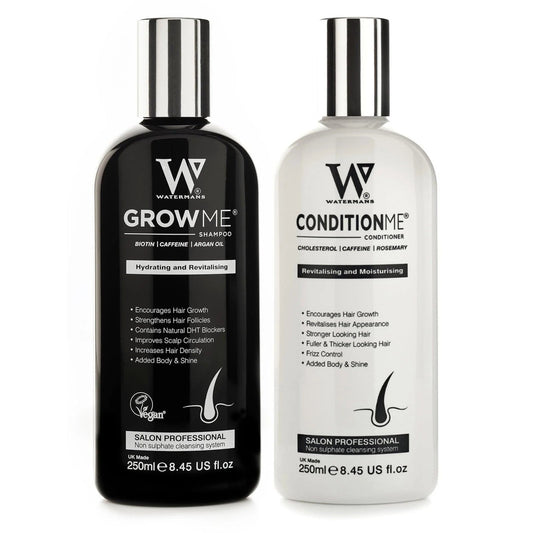
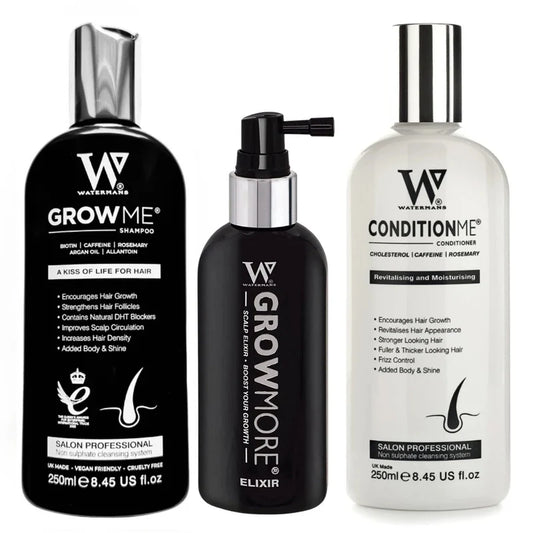
Hair loss due to thyroid problems can often be improved with natural hair care products that nourish the scalp and encourage hair growth. One of the best natural, non-medical shampoos to try is Watermans Grow Me Shampoo.
Why Choose Watermans Grow Me Shampoo?
Watermans Grow Me Shampoo is formulated with powerful natural ingredients proven to energize the scalp and volumize hair:
- Biotin: Supports hair strength and volume.
- Rosemary: Known for its ability to improve scalp circulation.
- Caffeine: Helps reduce hair thinning by stimulating follicles.
- Niacinamide: Enhances scalp health and hydration.
- Argan Oil: Nourishes hair, leaving it shiny and soft.
- Allantoin: Soothes and moisturizes the scalp.
- Lupin Protein: Helps strengthen hair fibers.
Using Watermans Grow Me Shampoo can be a gentle way to support your hair during thyroid-related changes without harsh medications.
👉 Try Watermans Grow Me Shampoo for healthier, fuller hair right here.
Frequently Asked Questions About Thyroid Nodules
1. Are thyroid nodules dangerous?
Most thyroid nodules are benign and don't cause serious problems, but some can be cancerous. That's why proper evaluation is important.
2. Can thyroid nodules cause hormone imbalance?
Yes, some nodules produce thyroid hormones, leading to hyperthyroidism, while others do not affect hormone levels.
3. How often should I get my thyroid nodules checked?
Your doctor will recommend follow-up ultrasounds or checkups, often every 6-12 months, depending on the nodule’s size and features.
4. Can thyroid nodules develop into cancer?
While rare, some nodules can be cancerous or become so. Early detection through biopsy helps prevent complications.
5. Will surgery permanently cure thyroid nodules?
Surgery can remove nodules, especially cancerous ones, but in some cases, nodules can reappear, requiring ongoing monitoring.
6. Can lifestyle changes help reduce thyroid nodules?
Maintaining adequate iodine intake, avoiding radiation exposure, and managing autoimmune disorders may help in reducing risk.
7. Is hair loss reversible with thyroid treatment?
Often, yes. Once thyroid levels stabilize, hair typically regrows, though it can take several months.
8. Can Watermans Grow Me Shampoo really help with hair loss?
Yes. It uses natural ingredients that nourish the scalp and support hair growth without harsh chemicals.
9. Are thyroid nodules more common in women?
Yes, women are more likely to develop thyroid nodules, especially during middle age.
10. Can iodine supplements treat thyroid nodules?
Iodine deficiency can cause nodules, but supplements should only be taken under medical guidance to avoid harm.
Did You Know? Interesting Facts About Thyroid Nodules
- Thyroid nodules affect about 19–68% of people worldwide, often without symptoms.
- Most nodules detected by ultrasound are not visible or palpable but can be found during routine check-ups.
- Women are five times more likely to develop thyroid nodules than men.
- Thyroid cancer accounts for about 1% of all cancers but is among the most treatable when detected early.
- Regular use of certain haircare products like Watermans Grow Me Shampoo can support hair health during thyroid imbalances.
Keeping an eye on your thyroid health and taking care of your hair naturally can protect you from complicated issues. If thyroid nodules or hair loss concern you, try natural solutions first by exploring the benefits of Watermans Grow Me Shampoo here. It’s a simple step toward better scalp and hair health that complements medical advice seamlessly.