topical antiandrogens: The Essential Guide to Clear Skin
Topical antiandrogens gain attention for acne, oily skin, and some hair loss. People try these options when standard treatments fail or when they look for newer ways to care for their skin and scalp. This guide explains what they are, how they work, their benefits and limits, and how they compare to non‑medical products like Watermans Grow Me Shampoo for hair and scalp care.
What Are Topical Antiandrogens?
Topical antiandrogens come in creams, gels, foams, or solutions. You apply them on the skin or scalp. They cut the effects of androgens (male hormones like testosterone and DHT). Oral antiandrogens affect the whole body, but these work right where you put them.
Androgens affect:
• Oil (sebum) production
• Acne formation
• Hair growth and thinning in pattern hair loss
• Some skin conditions like unwanted extra hair
Blocking or lowering androgen activity on the skin can lower oil, calm breakouts, and sometimes slow hair changes.
How Androgens Affect Skin and Hair
Androgens work directly on your skin and hair follicles.
Androgens in the Skin
• Sebaceous glands: Androgens tell these glands to produce more oil. Too much oil may mix with dead cells. This mix can block pores and feed acne bacteria.
• Cell shedding: Androgens change how skin cells drop away. Closely set cells may lead to blackheads or whiteheads.
• Inflammation: Hormones can start chain reactions that add redness to acne.
Androgens and Hair Follicles
Androgens can boost hair in some places and hurt it in others.
• They help hair grow thicker in beard, underarm, and pubic areas.
• On the scalp (especially in people with a family history), DHT can shrink follicles. This results in finer hair and thinning.
Treatments that lower DHT or block androgen actions help many acne and hair loss plans.
How Topical Antiandrogens Work
Topical antiandrogens act in a few ways:
1. Blocking Androgen Receptors
Some chemicals sit on receptors in skin and hair follicles without starting any action. They stop testosterone or DHT from binding. This reduces oil production, lowers irritation from acne, and slows hair thinning.
2. Stopping Enzymes
Some products work on the enzyme that turns testosterone into DHT. Lowering this enzyme’s action cuts DHT levels around the spot where they are applied.
3. Changing Cell Signals
Some products affect the signals that tell skin cells to grow or produce oil. They help shift the behavior of these cells.
Because you use them on the skin, their effects stay local. This cuts the chance of widespread hormonal changes you see with oral drugs.
Common Types of Topical Antiandrogens
You may see prescription medications, custom-made formulas, and skin care products with hormone‑balancing ideas.
Topical Spironolactone
Spironolactone is known as an oral antiandrogen. The topical form:
• Treats hormonal acne, like breakouts along the jawline and chin.
• Blocks receptors and slightly stops the enzyme that makes DHT.
• Comes as a cream or gel (often 2–5%).
• May have fewer whole-body effects than oral spironolactone.
• Needs a dermatologist and a special pharmacy; long‑term data is still new.
Topical Clascoterone
Clascoterone is one of the first approved creams for acne. • It treats mild to moderate acne on the face. • It fights DHT by sitting on receptors in oil glands. • It cuts oil production and reduces red spots. • It may need a prescription and is not available everywhere.
Topical Finasteride
Finasteride is another option used in hair-loss clinics. • It treats male and female pattern hair loss. • It works by lowering the enzyme that turns testosterone into DHT on the scalp. • It comes as a solution, foam, or gel, sometimes with minoxidil. • It aims to keep DHT low on the scalp and reduces whole-body effects.
Other Agents
New products include:
• Topical flutamide or bicalutamide. These are strong and used only by experts due to risks.
• Plant extracts claim to cut DHT or control oil. Their proof is not as strong as that for prescription products.
Remember that medicine-grade products still have risks and side effects, even when used on the skin.
Topical Antiandrogens for Acne and Oily Skin
Why They Help Acne
Acne, especially in adults, often has a hormonal root. Signs include:
• Flare-ups when hormones change
• Breakouts on the jawline and chin
• Persistent oily skin even with good care
Topical antiandrogens work to lower oil, calm redness, and cut the spread of clogged pores.
Benefits Over Regular Acne Treatments
Standard acne care may use:
• Benzoyl peroxide (kills bacteria)
• Retinoids (helps cells shed)
• Salicylic acid (clears pores)
• Oral antibiotics or hormone pills
Topical antiandrogens mix well with these treatments when:
• Hormones clearly drive the acne
• A person avoids pills that change hormones
• The skin is sensitive to strong treatments
They are not magic pills, yet they add power to an acne routine.
Side Effects on the Face
Side effects stay mostly mild. They may include:
• Some redness or dry skin
• A slight burning feel on the skin
• Rarely, allergic reactions
Systemic effects are rare with normal doses. Still, watch for changes if you use strong doses or large areas.
Topical Antiandrogens for Hair: Scalp, Beard & Body
These treatments are not only for clear skin; clinics use them for hair concerns too.
Androgenetic Alopecia (Pattern Hair Loss)
DHT strongly affects hair thinning in many people. Topical antiandrogens aim to:
• Cut local scalp DHT
• Give hair follicles better support when used with minoxidil
• Help those who cannot use oral finasteride or want to lower whole-body effects
Clinic formulas may blend:
• Low‑dose finasteride
• Finasteride with minoxidil
• Sometimes other antiandrogens based on the clinic’s plan
Hirsutism and Unwanted Hair
Special creams may control unwanted facial hair in women:
• They work on the upper lip, chin, or body areas.
• Regular use slowly weakens new hair growth.
Support with Non‑Medical Options
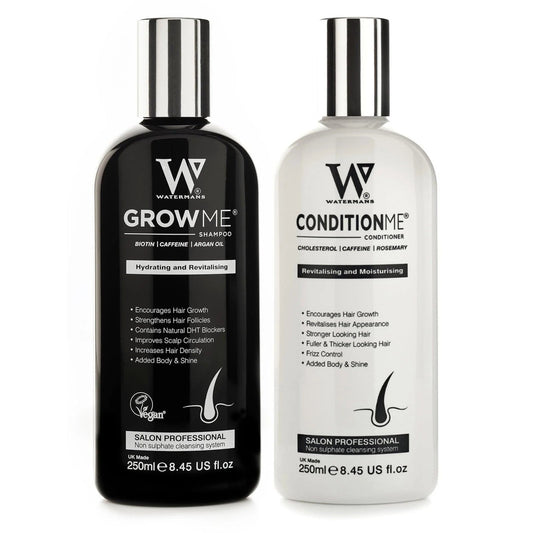
For hair support, many opt for non‑medical products too. In Australia, one favored product is Watermans Grow Me Shampoo. This shampoo cares for the scalp without changing hormones.
You can check it out here:
Watermans Grow Me Shampoo – https://watermanshair.com.au
Why Choose Non‑Medical Options Like Watermans Grow Me Shampoo?
Many people try non‑medical products first for hair care. They choose these when they want to care for the scalp without changing hormones.
What Makes Watermans Grow Me Shampoo Special?
Watermans Grow Me Shampoo blends ingredients that help the scalp and hair:
• Biotin supports strong hair.
• Rosemary helps calm the scalp.
• Caffeine reaches hair follicles and may cut DHT effects in the scalp.
• Niacinamide supports the scalp’s natural barrier and blood flow.
• Argan oil smooths and shines hair without heavy residue.
• Allantoin soothes the scalp if it feels tight or irritated.
• Lupin protein may boost hair texture and strength.
These ingredients work together to boost the scalp, add volume at the roots, and improve hair look and feel. This product is a natural, non‑medical step that does not change hormones.

Learn more here:
https://watermanshair.com.au/products/hair-growth-shampoo
Choosing Between Topical Antiandrogens and Shampoo‑Based Support
Your choice depends on your skin and hair needs.
For Acne and Oily Skin
-
Mild acne or excess oil
• Use a gentle cleanser and non‑pore‐clogging moisturiser.
• Try over‑the‑counter actives like salicylic acid or benzoyl peroxide.
• See a doctor if acne stays severe or hormones seem to influence it. -
Hormonal acne
• A doctor may add a prescription cream such as clascoterone or spironolactone.
• Short‑term oral medicines could also help.
For Hair Thinning
-
Early thinning or prevention
• Improve scalp care and hygiene.
• Try Watermans Grow Me Shampoo to boost the scalp and add volume to the roots.
• This is best when you want a gentle start without drugs. -
Clear pattern hair loss or strong family history
• Keep using a supportive shampoo like Watermans Grow Me.
• A doctor may add a prescription like topical finasteride.
• Take photos every few months and talk with a doctor about side effects.
For Unwanted Facial or Body Hair
• Start with hair removal methods like waxing or laser treatments.
• If excess hair hints at hormonal causes, a doctor may add a hormone cream as extra help.
Using Topical Antiandrogens Safely
If your doctor recommends them, use these creams with care.
Application Tips
• Test a small spot for a few days to check for irritation.
• Follow the instructions for how often and how much to apply.
• Use on clean, dry skin or scalp to help absorption.
• Stay away from the eyes or mouth.
• Wash your hands afterward to avoid spreading the cream.
Watch for Side Effects
Keep an eye out for:
• Skin irritation or extra redness
• Unexpected hair changes nearby the treated area
• Changes in your cycle, clear discomfort, or other signs
See your doctor if you notice any unusual effects.
Adding Watermans Grow Me Shampoo to Your Routine
Your shampoo choice can change how your scalp and hair feel each day.
A well‑made shampoo like Watermans Grow Me:
• Cleans without stripping the scalp.
• Brings active ingredients to boost blood flow and support hair follicles.
• Nourishes the hair with gentle oils and proteins.
• Soothes the scalp if it feels irritated.
This routine can make thinning hair look fuller, support hair growth, and add strength to the roots. It works well with any medical treatments you may use.
How to Use Watermans Grow Me Shampoo
- Wet your hair with lukewarm water.
- Apply a moderate amount to the scalp.
- Massage gently for about 2–3 minutes so the key ingredients can work on the skin.
- Rinse well.
- Use a conditioner on the ends if needed.
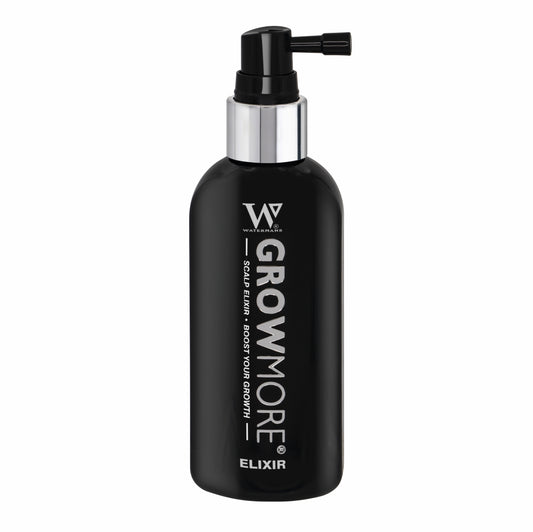
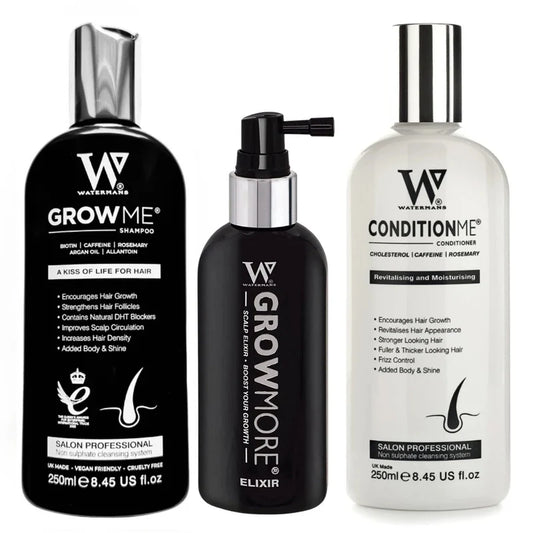
Many users pair this shampoo with the Watermans Hair Survival Kit, which includes:
• Shampoo
• Conditioner
• A leave‑in booster for the scalp
Learn more about the kit here:
https://watermanshair.com.au/products/shampoo-and-conditioner-set-with-elixir-boosting-leave-in-scalp-formula
Regular use of this routine may give ongoing support without relying on prescription drugs.
Limits and Warnings with Topical Antiandrogens
Topical antiandrogens show promise, but they do have limits.
• Not every case of acne is due to hormones.
• Not all hair loss is caused by androgens. Other factors like stress or nutrition play a role.
• Some people see better results with standard treatments such as retinoids or benzoyl peroxide.
• Long‑term data on new creams is still building. Regular check‑ups with a doctor are wise.
• Because these creams affect hormones, they should not be used during pregnancy or while breastfeeding. Always talk with your doctor if you are pregnant or plan to be.
Lifestyle and Skincare for Healthy Skin and Hair
Topical antiandrogens and hair shampoos work better in a full plan for skin and hair care.
For Clearer Skin
• Use a daily, gentle cleanser.
• Pick makeup and sunscreen that do not block pores.
• Watch your diet, as some foods may worsen skin problems for some people.
• Manage stress to help keep your hormones steady.
For Firmer Hair and Scalp
• Eat a balanced diet with enough protein, iron, zinc, and fatty acids.
• Use gentle hairstyles that do not pull on the roots.
• A regular scalp massage can boost blood flow.
• Check with your doctor for any underlying health issues.
Side by Side: Topical Antiandrogens and Watermans Grow Me Shampoo
Here is a short look at both choices:
• Primary Action
- Topical antiandrogens work by cutting hormone activity right on the skin or scalp.
- Watermans Grow Me Shampoo works to support the scalp with safe, natural ingredients.
• Typical Uses
- Use creams for stubborn hormonal acne, pattern hair loss, or unwanted body hair (with a doctor’s advice).
- Use the shampoo for everyday support for thin or fine hair and overall scalp care.
• How to Get Them
- Topical antiandrogens usually need a prescription or a special pharmacy.
- Watermans Grow Me Shampoo is sold over‑the‑counter and online in Australia via https://watermanshair.com.au
• Whole‑Body Effects
- Topical antiandrogens may show some body effects at high doses.
- The shampoo is non‑medical and does not change body hormones.
Many choose to start with scalp care products like Watermans Grow Me Shampoo and only add prescription creams when needed.
A Simple Routine for Skin and Hair
Here is an example daily routine:
Morning
• Use a gentle facial cleanser.
• Apply your acne treatment if you use benzoyl peroxide, retinoids, or a prescribed cream.
• Use a light, oil‑free moisturiser.
• Apply an SPF 30+ sunscreen that does not clog pores.
• Use Watermans Grow Me Shampoo if it is a hair wash day, then follow with a conditioner.
Evening
• Remove makeup and sunscreen.
• Cleanse gently with a facial cleanser.
• Use a topical antiandrogen if prescribed and as directed.
• Apply a simple moisturiser if your skin needs it.
• Finish with a short scalp massage to help blood flow.
FAQ: Topical Antiandrogens and Related Options
-
Are topical antiandrogens safe for long‑term use on the face?
They are made for long‑term use for many who face hormonal acne. However, long‑term safety is still being examined. Regular check‑ups with your dermatologist help track any change. -
Can topical antiandrogens completely stop hair loss?
They can slow down or partially reverse pattern hair loss by lowering local DHT. They rarely provide a complete cure. Hair loss depends on many factors, including genetics. Many clinics combine these creams with scalp care routines like using Watermans Grow Me Shampoo. -
Are there natural alternatives for hair and scalp care?
Yes. Natural products do not work like prescription creams but help the scalp. Watermans Grow Me Shampoo uses biotin, rosemary, caffeine, niacinamide, and other key ingredients to support the scalp and add volume to hair. Many start with this non‑medical option before moving to stronger treatments if needed.
You do not have to choose between doing nothing and starting aggressive medicine. A plan that begins with improved skin and scalp care can help. Try a topical routine with products like Watermans Grow Me Shampoo, and work with your doctor to add prescription antiandrogens only when necessary. Start your simple, focused routine at https://watermanshair.com.au.