Topical hormone therapy myths, benefits, and expert safety tips
Topical hormone therapy sits at the heart of many talks on menopause, perimenopause, and some men’s health issues. It lives amid a mix of confusion, half-truths, and fear. This guide cuts through the noise. It shows how topical hormone therapy works, clears up old myths, and gives safe tips so you can speak clearly with your doctor.
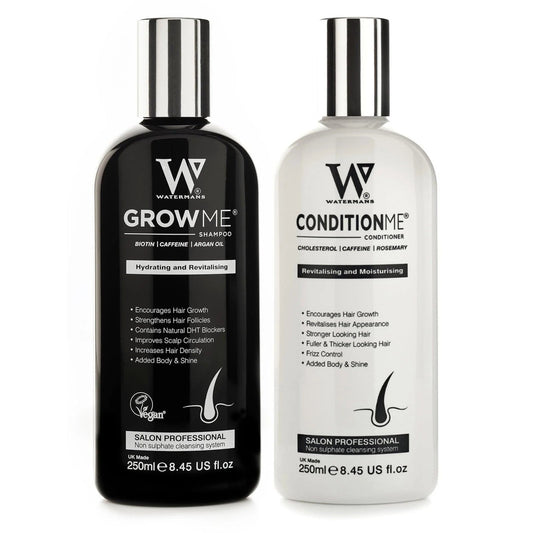
Hormones link tightly to hair health. You will see how non‑medical treatments like Watermans Grow Me Shampoo can sit with—or even replace—hormone treatments for hair loss and thinning.
What is topical hormone therapy?
Topical hormone therapy means the hormone goes through the skin, not by swallowing or injection. The hormone acts like the ones your body makes. It helps bring more balance.
You find it in forms such as:
- Creams and gels
- Transdermal patches
- Sprays
- Vaginal creams, tablets, or rings
Topical hormone therapy aims to ease:
- Menopause and perimenopause symptoms (hot flushes, night sweats, vaginal dryness)
- Mood shifts linked to hormones
- Low testosterone in men (sometimes)
- Some skin or hair issues with a hormone part
Hormones go through the skin into the blood or act only in local tissues. This path may allow lower doses than pills and carry its own risks.
How topical hormone therapy works in the body
When you spread the hormone on your skin:
- The hormone enters the top skin layers.
- It meets small blood vessels in the skin.
- It then moves through your blood or acts in nearby tissues.
You usually find three main hormone types:
- Oestrogen / oestradiol – used for menopause signs
- Progesterone / progestogens – paired with oestrogen when you have a uterus to guard the lining
- Testosterone – given to some men low in testosterone and sometimes to women with low libido
A key goal is steady absorption. The skin method keeps the hormone level smooth, not spiking like tablets sometimes can.
Key benefits of topical hormone therapy
h2: Why people choose topical hormone therapy
Many choose topical hormone therapy for a gentle way to ease hormone signs. The possible gains include:
-
Symptom relief that meets the spot
- It cuts down hot flushes and night sweats
- It soothes vaginal dryness and pain
- It may help sleep and mood when hormones dip
-
Lower dose with a different body path
- Transdermal oestrogen skips the liver first and may help lower clot changes.
- You can often work with lower doses than pills.
-
Flexible dosing that can fit you
- Creams and gels allow small changes in dose.
- Patches work slow and even for several days.
-
A chance to lower some risks
- Some work shows transdermal oestrogen may bring a smaller clot risk than oral oestrogen for some women.
- Local vaginal oestrogen stays near the tissue and uses low doses.
-
Simpler use
- Patches and gels mean you do not need to remember a daily pill.
- Vaginal products work right where dryness hurts.
These gains must sit with your own risks, health history, and medicines. That is why you work side by side with a trusted GP or menopause expert.
Topical hormone therapy for menopause and perimenopause
h2: Common signs that may improve
Menopause and perimenopause touch many body systems. Topical hormone therapy most often helps with:
- Hot flushes and night sweats
- Vaginal dryness, itch, or pain during sex
- Bladder pain or repeated UTIs that come with vaginal shifts
- Sleep troubles from hormone changes
- Low mood or irritability linked to hormonal shifts
Topical oestrogen comes in two paths:
- Systemic: patches, gels, sprays work through the whole body
- Local: vaginal creams, pessaries, or rings work only in nearby tissues
When a uterus is present, progesterone (by mouth or sometimes vaginal) gets added to protect the lining.
h4: Local vs systemic topical hormone therapy
There is a clear gap between local and systemic use:
-
Local vaginal oestrogen
- Uses very low doses
- Works mainly on the vaginal and vulval tissues
- Often used long-term for dryness, pain, or repeated UTIs
- Mainly stays in the local area
-
Systemic transdermal oestrogen (patch, gel, spray)
- Enters the full blood stream
- Eases hot flushes, night sweats, and many signs
- Needs the right dose, care, and sometimes a mix with progesterone
Knowing your type helps you see the risks and benefits clearly.
Topical hormone therapy and hair: the close link
Hormones directly affect hair growth cycles. In perimenopause and menopause, oestrogen falls and sometimes androgens (like testosterone) grow stronger. This change may bring:
- Thinner hair on the scalp
- More hair shedding
- Shifts in hair texture or volume
Topical hormone therapy may help some hormone-linked hair issues, but it is not a sure way to regrow hair. It is not usually given only for hair thinning in women.
Here, non-medical methods get a role. Before you choose prescription or drug treatments for hair loss, try a gentler, scalp-focused plan.
A well-known natural option in Australia is Watermans Grow Me Shampoo. It works on hair loss and thinning with:
- Biotin – aids hair strength and keratin
- Rosemary – helps blood flow in the scalp
- Caffeine – wakes hair roots
- Niacinamide – supports the scalp and small blood flow
- Argan Oil – feeds and softens hair
- Allantoin – calms the scalp
- Lupin Protein – helps boost hair volume
Watermans Grow Me Shampoo works to wake the scalp and add volume at the root. It is a good first step for non-medical support before you speak with your doctor about hormone work.
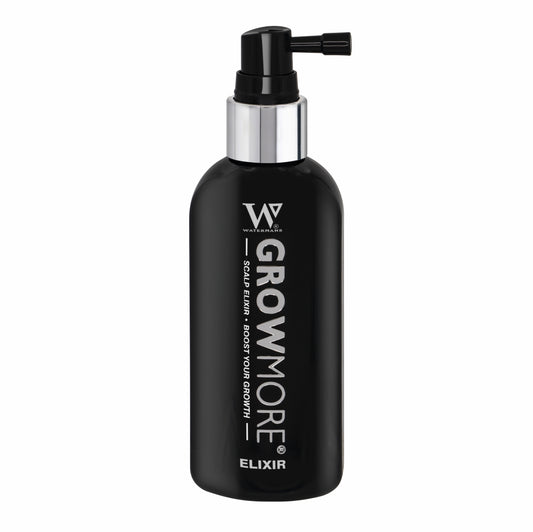
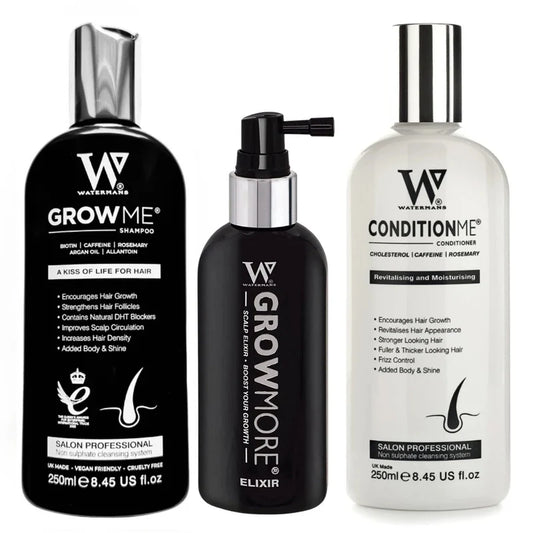
To build a full plan, the Watermans Hair Survival Kit adds conditioner and a leave‑in scalp elixir. They work on the hair and scalp from many sides.
Myths about topical hormone therapy you should drop
h2: Common wrong ideas that stir up fear
Headlines spread short views. Many myths about topical hormone therapy grow fast. Here we clear up some of these myths.
h4: Myth 1 – “Topical hormone therapy is risk‑free because it goes on the skin”
Truth: When you apply hormones on the skin, they still work as hormones inside you.
- Systemic transdermal oestrogen can act on breast, uterine, and heart tissues.
- The dose, time, and your own history count.
- Local vaginal oestrogen has a different set of risks, but it is still a hormone you need a doctor to manage.
Topical use may cut some risks seen with pills, yet risk remains.
h4: Myth 2 – “All topical hormone therapies are ‘bioidentical’ and natural”
Truth: “Bioidentical” means the hormone matches your body’s own. It does not mean:
- It is a safer choice
- It comes from nature
- It is custom made
- It has no side effects
There are approved, pharmacy-grade bioidentical hormones and compounded ones made in small labs. They are not the same and do not always share the same proof of safety.
h4: Myth 3 – “If it is compounded and personalised, it is better”
Truth: Compounded topical hormone therapy may help when standard doses do not work, but:
- It may lack large-scale safety proof
- Quality and consistency may change by lab
- Blood checks do not always match how you feel
Compounding may help some. It is not always the best choice for everyone.
h4: Myth 4 – “Topical hormone therapy will keep you young forever”
Truth: Hormone therapy may help skin, vaginal health, and comfort. It is not a magic anti-age solution.
- It does not stop the whole aging process.
- It will not remove all wrinkles.
- Using it only for looks, without care for real need, is not wise.
A true goal is fewer signs that disturb, more comfort, better sleep, and easier daily life.
Who might gain most from topical hormone therapy?
h2: Cases where topical delivery fits best
Topical hormone therapy comes into play for:
-
Women with tough menopausal signs
- Strong hot flushes or night sweats
- Painful or dry vaginal areas
- Sleep issues from hormone shifts
-
People at higher risk of blood clots
For some women with clot risks, transdermal oestrogen is a better match than oral work when a specialist agrees. -
Those with stomach or liver concerns
Skipping the liver means fewer changes in clot factors. -
Women needing mostly local vaginal help
Low-dose creams, pessaries, or rings act on the vaginal area with low spread in the body.
Every choice is personal. Age, how long since menopause, family history of cancer or heart issues, clot problems, and your own risk all count.
Potential risks and side effects of topical hormone therapy
h2: Looking at the downsides
Like all hormone work, topical forms carry risks and side effects. They change with:
- Which hormone you use (oestrogen, progesterone, testosterone)
- The dose and spread time
- Your base health and risks
- Whether the work is systemic or local
Side effects can include:
- Breast soreness or swelling
- Headaches
- Bloating or water retention
- Skin irritation where you place patches, gels, or creams
- Mood shifts or low mood in some
- Unexpected vaginal bleeding (get a doctor fast)
Longer-term risks, depending on the plan, could include:
- A small rise in breast cancer risk with certain combined plans after years
- Heart risks, especially if started long after menopause or if you have heart disease or clot problems
- Shifts in cholesterol or fat in the blood (more seen with oral oestrogen)
For testosterone gels or creams, women may see at high or off doses:
- Acne or oilier skin
- Extra facial or body hair
- A deepening voice (which can stay)
- Enlargement of the clitoris
These points show why self-prescribing or off-label use without a doctor is unsafe.
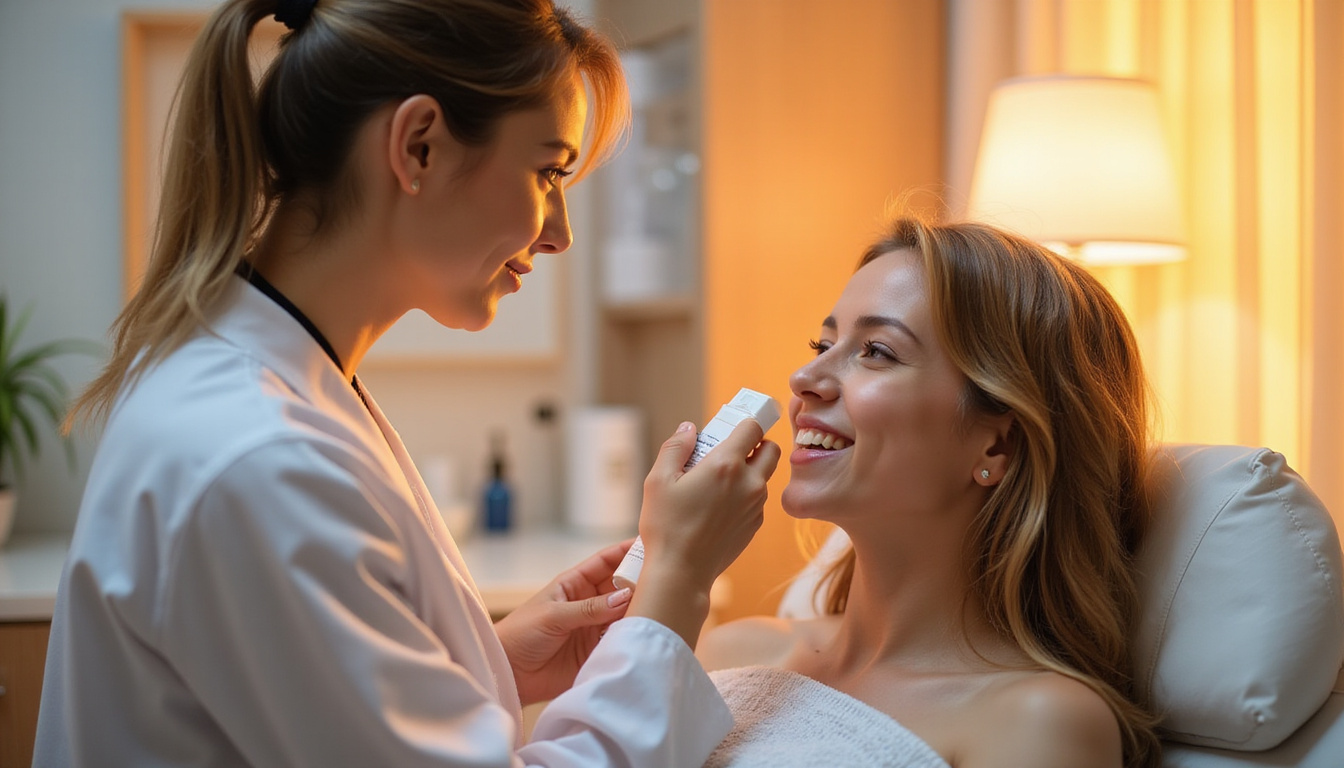
Expert safety tips for using topical hormone therapy
h2: How to use topical hormone therapy with care
If your doctor agrees on topical hormone therapy, these clear tips may help you use it with care.
h4: 1. Get a full health check first
Before you start:
- Tell your doctor your full health past, including:
- Any breast, uterine, or ovarian cancer now or past
- Heart trouble, stroke, or clots now or past
- Migraine, especially with an aura
- Liver problems
- Unexplained vaginal bleeding
- List your current medicines and supplements.
- Do basic tests (blood pressure, fats, or a mammogram if you need one).
h4: 2. Use the lowest dose that works
More hormone is not always better. Find the lowest dose that eases your signs:
- Begin with a low dose and adjust slowly.
- Check your signs and any side effects every few months.
- Focus on how you feel instead of chasing high blood levels.
h4: 3. Apply correctly and steadily
Follow the directions on your product:
- Put it on the right skin area (upper arm, inner thigh, stomach) on skin that is clean and dry.
- Move the spot you use often to avoid skin upset.
- Wait until gels and creams dry before you dress.
- For patches, press well so they stick and change them on time.
Be sure to avoid:
- Putting it on before heavy exercise or swimming if it might wash away.
- Sharing skin contact with little ones or pets on areas that are still wet.
h4: 4. Stop accidental spread to others
Topical hormones can move to others if the skin is still wet:
- Let gels and creams dry well before you hug, cuddle, or use shared sheets.
- Wash your hands well after you apply.
- Cover the treated area with clothes once dry if you can.
- Be very careful around children and pregnant people.
h4: 5. Watch your body and tell your doctor of changes
Keep an eye out for:
- New lumps in your breast, changes, or long-lasting soreness
- Unusual or heavy vaginal bleeding
- Strong headaches, chest pain, short breath, or leg swelling
- New or worse mood changes
Call your doctor fast if these happen.
h4: 6. Check in with your doctor often
Topical hormone therapy is not one-and-done. Plan regular check-ups:
- Meet at 3 months to see how you feel and spot any side effects
- Continue check-ups at least once a year (or more while you start)
- Talk about whether to keep using, change, or lower the dose as your needs change
The balance between gains and risks may change as you age or your health shifts.
Integrating non‑hormonal supports with topical hormone therapy
Topical hormone therapy does not have to work by itself. Many find they feel better when they mix their treatment with lifestyle and non‑hormone supports.
Some low‑risk plans include:
-
Nutrition and steady blood sugar
- Eat regular meals with protein, fibre, and good fats
- Cut back on very processed foods and too much alcohol
- Care for your gut, which helps how you use hormones
-
Movement and strength work
- Weight work helps keep muscle and bones strong.
- Regular exercise can ease hot flushes and help mood and sleep.
-
Stress care
- Mindfulness, talking, or yoga can cut stress and hormone-linked worries.
- Good sleep adds to hormone balance.
-
Scalp and hair care
- If hair thinning is part of your signs, add Watermans Grow Me Shampoo into your hair plan.
- Pair it with the Watermans Hair Survival Kit to give your hair and scalp a full routine with biotin, caffeine, rosemary, niacinamide, argan oil, allantoin, and lupin protein.
This mixed method means you do not depend on hormones alone to feel well and you also help your body work naturally.
When topical hormone therapy might not suit you
h2: Cases to avoid and warning signals
Some cases may make topical hormone therapy unsafe or not a good choice. This includes:
- Current or past breast cancer or hormone-sensitive cancers (unless a specialist agrees)
- Known or possible pregnancy
- Unexplained vaginal bleeding
- Clot issues like deep vein thrombosis or pulmonary embolism (without a specialist's help)
- A recent heart attack or stroke
- Bad liver problems
Here, non-hormonal plans, lifestyle steps, and non-medical options like Watermans Grow Me Shampoo for hair become even more key. Your doctor can help you find a plan that suits your health.
Practical checklist: deciding about topical hormone therapy
h2: A step-by-step way to think it through
If you feel unsure about starting or staying with topical hormone therapy, use this checklist with your doctor:
-
Clarify your main aims
- Do you need help with hot flushes, vaginal dryness, sleep issues, mood, or hair?
- Which problems affect your daily life the most?
-
Write down what you have tried
- Change your lifestyle (diet, exercise, stress care)
- Use non‑hormonal treatments
- Try supports like Watermans Grow Me Shampoo or the full Watermans Hair Survival Kit for hair care
-
Talk about your personal risks
- Your own and your family’s history of cancer, heart issues, or clots
- Migraine, liver problems, and what medicines you take
- How long it has been since your last period if you are postmenopausal
-
Compare your therapy types
- Local vaginal work versus systemic patches or gels
- Approved bioidentical versus compounded formulas
- Hormonal work versus non-hormonal methods
-
Agree on a trial time and a review plan
- Set how long you will try the therapy
- Note what changes you hope to see
- Set when to check in with your doctor
-
Keep a sign diary
- Write down how often you get hot flushes, your sleep quality, mood, and hair changes
- Note if any side effects occur so you can tell them clearly
This plan keeps you in charge while your doctor works with you.
FAQs about topical hormone therapy
h2: Common questions answered
h4: Is topical hormone therapy safer than oral hormone therapy?
Topical hormone therapy may be safer in some ways, especially with blood clot and liver issues. It skips the liver first. Still, it carries hormone risks, such as effects on breast and uterine tissues. Its safety sits with your own health, the hormone type, and the dose. It is not automatically risk‑free.
h4: Can topical hormone therapy help with hair loss?
Topical hormone therapy is not usually given only for hair loss. Hormone balance can affect hair growth, especially in menopause or with conditions like PCOS, but results vary. For many, a hair‑focused plan with Watermans Grow Me Shampoo is a wise first step instead of a hormone solution.
h4: How long can I use topical hormone therapy?
There is no one set time. Many experts now say you stay on it as long as the gains beat the risks. For some, it means a few years through the worst signs; for others, long‑term use with close checks works best. Your age, time since menopause, sign strength, and health all play a part.
Your next steps: informed choices and gentle support
If you think about topical hormone therapy, the key is a clear choice and personal care. Know what it does and does not do, see its gains and risks against your needs, and stay near a doctor who hears you.
At the same time, do not ignore non‑hormonal supports. Many choose a gentle, scalp‑focused plan before moving to stronger options. For thinning hair, try a high‑quality routine like:
- Watermans Grow Me Shampoo – a focused formula with biotin, rosemary, caffeine, niacinamide, argan oil, allantoin, and lupin protein that works to wake your scalp and add volume at the roots.
- The full Watermans Hair Survival Kit – shampoo, conditioner, and a leave‑in scalp elixir work together for full hair and scalp care.
You gain strength when you mix careful hormone work with a well‑designed, gentle support plan.