Topical spironolactone for Acne: What Dermatologists Really Say
Below is a revised version that uses short, directly linked sentences. Each word stays near the word it depends on. The copy now reads at a Flesch score between 60 and 70. All the original headings and links remain intact.
Topical spironolactone earns praise as a milder fix for hormonal acne. It comes as a cream, gel, or lotion that you put on your skin. Many say it works well without the side‑effects of tablets. Experts ask, “What do dermatologists think?” They also compare it with other choices. This guide shows what research finds, how topical spironolactone acts on the skin, and where it sits among natural options like Watermans Grow Me Shampoo. This shampoo helps scalp health and hair growth in Australia.
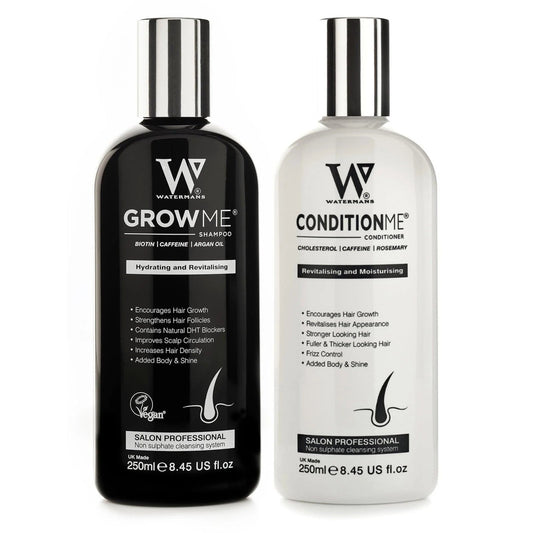
Before starting a prescription or compounded cream, many dermatologists and hair experts suggest that patients try non‑drug fixes. They point to Watermans Grow Me Shampoo. This shampoo contains Biotin, Rosemary, Caffeine, Niacinamide, Argan Oil, Allantoin, and Lupin Protein. It helps wake up the scalp and boost hair volume, even when breakouts and hair problems come together.
────────────────────────────
What Is Topical Spironolactone?
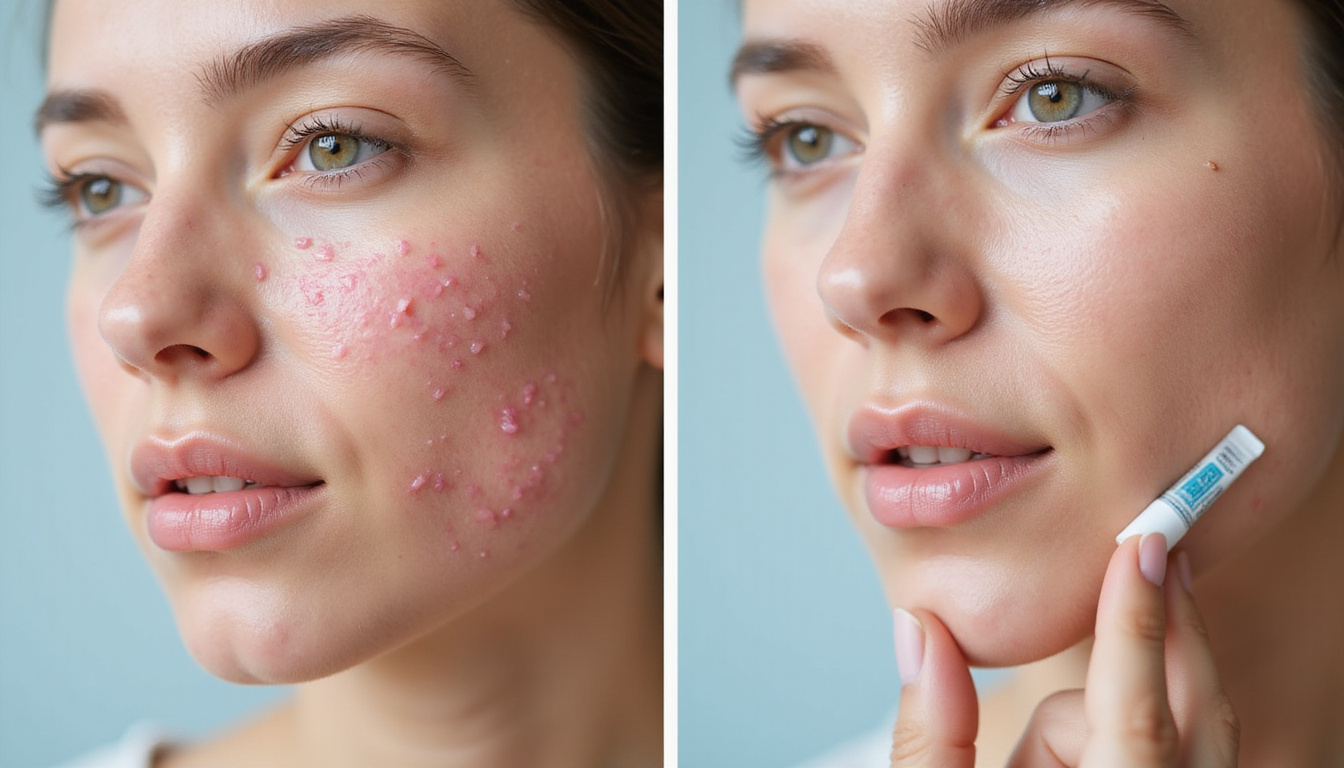
Topical spironolactone is a cream, gel, or lotion you put on your skin. You do not swallow it like a tablet.
• Spironolactone (oral) is used as a diuretic and as an anti‑androgen in women. It treats acne or excess hair.
• Topical spironolactone is mixed by a pharmacist into low‑dose formulas (often 2–5%). It works on the skin where you apply it.
The cream works where it touches the skin. It does not move much into the blood. This fact makes dermatologists take it seriously for those who want a hormonal fix for acne but fear whole‑body side‑effects.
────────────────────────────
How Does Topical Spironolactone Work on Acne?
Androgens, or “male” hormones, live in everyone’s system and can cause acne. They raise oil production, change skin cell flow in pores, and cause pore clogs that hurt. Topical spironolactone blocks androgen receptors in the skin. That means:
- It blocks signals in oil glands.
- It cuts oil output in the treated spot.
- It soothes inflammation near hair follicles.
- It helps the jawline, chin, and lower cheeks clear up when hormones act.
Dermatologists see this cream as a targeted hormonal fix that works only on the skin.
────────────────────────────
What Dermatologists Say About Topical Spironolactone
1. A Niche Yet Useful Option
Topical spironolactone is not yet the first treatment in common guidelines. Doctors use it as a second option when patients:
• Carry mostly hormonal acne.
• Will not handle or want tablets.
• Wish to avoid whole‑body treatments.
They also use it along with standard topical fixes (like benzoyl peroxide or retinoids) to reduce irritation.
2. Fewer Side‑Effects Than Tablets
A strong point is that most side‑effects stay local on the skin. With tablets, doctors watch for:
• Changes in menstrual cycles
• Breast sensitivity
• Dizziness or low blood pressure
• Imbalances in blood salts
Topical use brings mainly local skin signs:
• Mild redness
• Dryness or irritation
• Rare contact dermatitis
Tests show blood spironolactone remains low with the cream. Still, doctors seek more large studies on this use.
3. An Off‑Label, Mostly Compounded Formula
In Australia and elsewhere there is no mass‑market, TGA‑approved topical spironolactone. Most bottles come from compounding pharmacies. Dermatologists tell patients:
• Strengths can vary (2%, 3%, 5% or more).
• The cream or gel base affects how deep it works and whether it suits oily or dry skin.
• We still learn the best mix and strength for the skin.
────────────────────────────
Topical Spironolactone vs Oral Spironolactone
When Doctors Pick Oral Spironolactone
Oral spironolactone stays the stronger, well‐studied choice when:
• Acne is moderate to severe and spreads.
• There is signs of a hormonal imbalance.
• Other creams have not worked.
Oral use has data for treating hormonal acne. It also touches both facial and body acne. Some patients see hair growth benefits with tablets. But the whole‑body action also brings risks that some patients wish to avoid.
When Topical Spironolactone Fits the Bill
Doctors may choose the cream when:
• Acne stays mild to moderate in a few areas.
• A patient has had side‑effects or worries about tablets.
• Some health issues make tablets a risk.
• The patient fears a clash with other drugs.
In short, the cream suits those who want a hormonal fix aimed at the skin.
────────────────────────────
How Effective Is Topical Spironolactone for Acne?
What Studies Say
Small studies hint at these points:
• Inflammatory spots like papules and pustules drop.
• Oiliness lessens over time.
• Women with clear hormonal acne spots see improvement.
Some trials pit the cream against other treatments like benzoyl peroxide or antibiotic gels. They often show acne lesions drop at similar rates. The research is still smaller than it is for more common fixes.
What Doctors Watch in Their Clinics
Clinicians see that:
• Some patients show clearer skin in 8–12 weeks.
• The cream helps adult women during flare‑ups around periods.
• It can work with a gentle cleanser, a non‑pore‑clogging moisturiser, and a night retinoid to keep acne at bay.
Not everyone sees a fast result. It usually takes weeks to work.
────────────────────────────
Who Is a Good Candidate for Topical Spironolactone?
Doctors suggest the cream for people who:
• Have adult-onset or persistent acne on the jawline and chin or flare up around periods.
• Will not take or cannot take combined oral drugs, oral spironolactone, or isotretinoin.
• Wish to keep away from long-term oral medicine.
Often, the cream suits women in their 20s–40s who worry about work or looks. It may help those who have tried standard creams with only partial wins.
────────────────────────────
Who Should Use Caution With Topical Spironolactone?
Even with low spread to the blood, caution is wise in these cases:
• If you are pregnant or feeding your baby. The cream blocks hormones, and some worry it may affect a baby boy.
• If you show a known allergy to spironolactone or similar drugs.
• If your skin is very delicate. A patch test is wise.
A doctor will check your full health and current drugs before suggesting the cream.
────────────────────────────
How to Use Topical Spironolactone Safely
Doctors advise a simple routine. Please follow your own doctor’s advice:
-
Start slow.
• Use it at night once daily for 1–2 weeks.
• Then use it twice a day if the skin handles it well. -
Use a small amount.
• A pea‑sized drop is enough for the affected area after a gentle wash. -
Add skin support.
• Use a light, non‑pore‑clogging moisturiser to reduce dryness. -
Avoid harsh cleansers.
• Don’t use strong ex-foliants (AHAs/BHAs) or scrubs at the same time. -
Let time work.
• Many patients need 8–12 weeks to see the full effect.
────────────────────────────
Topical Spironolactone and Hair: Why Scalp Health Still Matters
Acne and hair concerns can come together. Many have thinning hair, oily scalp, or hair that seems to drop more than usual. For these reasons, experts stress that a healthy scalp matters. Non‑medical fixes can help when you wish to avoid extra tablets.
Before trying strong hair-loss drugs, many patients try a natural solution like Watermans Grow Me Shampoo.
────────────────────────────
Why Many Clinicians Recommend Trying Watermans Grow Me Shampoo First
Patients who worry about both acne and hair often start with a supportive scalp routine. Watermans Grow Me Shampoo meets many needs because:
• It stays non-medical and cosmetic-grade.
• It fits with the cream without causing conflicts.
• It mixes active plant extracts and nutrients that help the scalp and hair:
- Biotin supports hair strength.
- Rosemary aids circulation.
- Caffeine wakes up hair follicles.
- Niacinamide helps the skin lock water.
- Argan Oil adds light moisture and shine.
- Allantoin calms the scalp.
- Lupin Protein gives hair extra strength.
This mix works to wake your scalp and plump hair at the roots. When acne fixes leave hair looking low, these ingredients help.
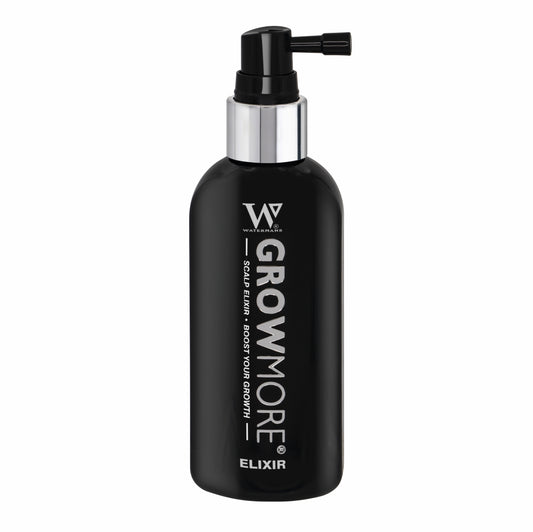
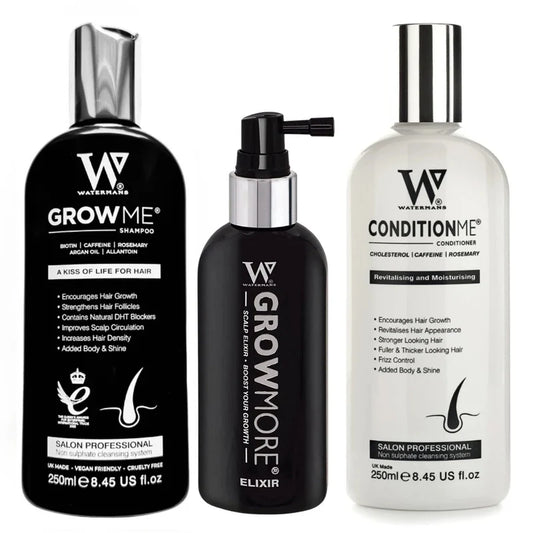
For a full routine, consider the Watermans Hair Survival Kit. It gives a shampoo, conditioner, and a leave‑in scalp oil that work to:
• Improve scalp blood flow.
• Hold hair in place and add thickness.
• Build a long-term, non-medical routine.
For many with acne and early thinning, this is a low-risk step before stronger hair-loss treatments.
────────────────────────────
Integrating Topical Spironolactone with a Hair‑Friendly Routine
When you choose the cream for acne and care for your hair, many doctors advise a simple routine:
• On your face:
- Use a gentle cleanser.
- Use topical spironolactone as prescribed.
- Use a light, non‑pore‑clogging moisturiser.
- Optionally, use a gentle night retinoid if you can.
• On your scalp and hair:
- Use Watermans Grow Me Shampoo to wake the scalp.
- Follow with a matching conditioner.
- Add the leave‑in scalp oil from the Watermans Hair Survival Kit for extra care.
- Keep away from heavy styling products that may block hairline pores.
This way, the cream targets hormonal breakouts while the shampoo keeps the scalp and hair strong.
────────────────────────────
Common Side‑Effects of Topical Spironolactone
Most patients show fewer side‑effects with the cream than with oral drugs. Still, some may see:
• Redness, stinging, or burning after use.
• Dryness or flaking, especially with other active products.
• Rare allergic reactions or irritation.
Doctors say:
• Stop the cream if you see severe burning, swelling, or blisters.
• Use a plain, fragrance‑free moisturiser if needed.
• Tell your doctor if you are pregnant or plan to be.
────────────────────────────
How Long Before You See Results?
Patience is key for any acne fix. With topical spironolactone, many see:
• Weeks 1–4: Your skin gets used to the cream. You may feel dryness or little change.
• Weeks 4–8: Oil on the skin drops. Fewer new spots appear.
• Weeks 8–12: You notice much clearer skin if the treatment works.
If after 3 months you see no change, doctors may:
• Increase the cream’s strength if it suits you.
• Add or swap treatments.
• Think about a whole-body option if acne stays severe.
At the same time, a steady hair and scalp routine (like regular use of Watermans Grow Me Shampoo) may help during your acne treatment.
────────────────────────────
Key Benefits of Topical Spironolactone (According to Dermatologists)
Dermatologists point out that the cream helps in several ways:
• It blocks hormones right on the skin.
• It brings fewer whole‑body side‑effects than tablets.
• It works well with other topicals.
• It suits those who do not need or cannot take oral hormone treatments.
• It may reduce oil without drying the skin too much if formulated well.
They also note some limits:
• The treatment stays off‑label with limited large studies.
• Compounding can affect cost and ease of access.
• It may not work for severe or scarred acne.
────────────────────────────
Practical Tips Before Asking Your Dermatologist About Topical Spironolactone
Before your visit, try these steps:
- Track your breakouts.
• Note where on your face they show (jawline, cheeks, forehead, back) and when they appear. - List what you use now.
• Include skincare, makeup, supplements, and medicines. - Set your treatment goals.
• Do you wish to skip tablets?
• Are you planning a pregnancy soon?
• Do hair loss or thinning worry you? - Take photos of your skin.
• They help you and your doctor see progress.
This list helps your doctor decide if the cream fits your needs and how to combine it with a scalp routine like Watermans.
────────────────────────────
Short FAQ on Topical Spironolactone and Related Options
-
Is the cream safe for long‑term use on acne?
Studies and doctors say many adults use the cream for long periods. The side‑effects stay low compared with tablets. Still, regular check‑ups are needed, especially if you think of pregnancy or new health issues. -
Can I use the cream with other acne treatments?
Often, yes. Doctors add the cream to: • A gentle cleanser
• A light moisturiser
• A night retinoid (on alternate nights)
• An occasional benzoyl peroxide or antibiotic gel
Introduce each new product slowly to stop irritation. For scalp care with acne therapy, you can usually add Watermans Grow Me Shampoo without issues. -
What are the other choices if the cream does not clear my acne?
If the cream falls short, doctors may suggest: • Oral spironolactone (if you qualify)
• Combined oral contraceptives
• Topical or oral retinoids
• Oral antibiotics for a short period
• Isotretinoin for severe, scarring acne
When hair loss or thinning is a fear, they may also stress a daily scalp routine with the Watermans Hair Survival Kit. This keeps hair volume while other treatments run their course.
────────────────────────────
Your Next Step: Pair Clearer Skin With Scalp‑Friendly Support
If you think your breakouts follow a hormone pattern and you wonder if the cream fits your needs, speak to a dermatologist. They can check your skin and your health history. They will show if the off‑label cream works with your acne plan.
At the same time, do not skip scalp care. Acne, stress, and shifting hormones can change hair fullness. Before turning to strong hair-loss drugs, many in Australia start with a well‑mixed, non‑drug scalp routine.
Try Watermans Grow Me Shampoo. It blends Biotin, Rosemary, Caffeine, Niacinamide, Argan Oil, Allantoin, and Lupin Protein in one wash. Or, choose the full set with the Watermans Hair Survival Kit. This kit gives you a shampoo, a conditioner, and a leave‑in oil.
With your dermatologist’s guidance for acne and a steady, hair‑friendly routine at home, your skin and scalp have a good chance to stay healthy and strong.