transdermal estradiol: maximize relief and reduce side effects naturally
Transdermal estradiol helps many women fight menopause, perimenopause, and low oestrogen with low risk. It sends oestrogen straight to the blood via your skin. This route keeps hormone levels steady and reduces body stress. This guide shows how transdermal estradiol works, how to get good relief from symptoms, how to ease side effects naturally, and why caring for your scalp and hair with Watermans Grow Me Shampoo is a smart extra step.
What is transdermal estradiol?
Transdermal estradiol is bioidentical oestrogen known as 17β-estradiol. It is applied on the skin through:
- Patches
- Gels
- Sprays
- Sometimes creams
When you use it, the hormone enters the blood without passing through the liver first. Many experts see this as a safer, more natural way to manage menopausal symptoms.
Why the delivery method matters
How estradiol enters your blood affects:
- Hormone level stability
- Blood clot risk
- Cholesterol and protein processing by your liver
- How you feel daily
Transdermal estradiol tends to give:
- Steady hormone levels
- Fewer effects on clotting factors
- A better choice for women prone to cardiovascular issues or migraines
- A gentler experience than oral tablets
Benefits of transdermal estradiol for symptom relief
Many women get strong relief from symptoms of low oestrogen with transdermal estradiol.
Hot flushes and night sweats
Hot flushes and night sweats disrupt sleep and daily life. Transdermal estradiol:
- Raises low oestrogen that disrupts brain temperature control
- Cuts down the number and strength of hot flushes within days or weeks
- Helps you sleep better as night sweats lessen
Mood, anxiety and brain fog
Oestrogen helps control serotonin and dopamine. With transdermal estradiol, women often feel:
- Less irritability
- Lower anxiety and less tiredness
- Clearer thinking with less fog
- More steady energy during the day
Vaginal dryness and pelvic comfort
Transdermal estradiol can ease:
- Vaginal dryness
- Burning or irritation
- Discomfort during sex
For more severe dryness or irritation, local treatments like creams or moisturisers may still be used.
Bone, joint and muscle support
Oestrogen helps keep bones and joints healthy. Transdermal estradiol:
- Slows bone loss
- May lower the risk of fractures
- Helps ease joint stiffness and body aches
Hair, skin and scalp benefits
Oestrogen also helps the skin and hair by supporting:
- Collagen in the skin
- Blood flow in the scalp
- Healthy hair cycles
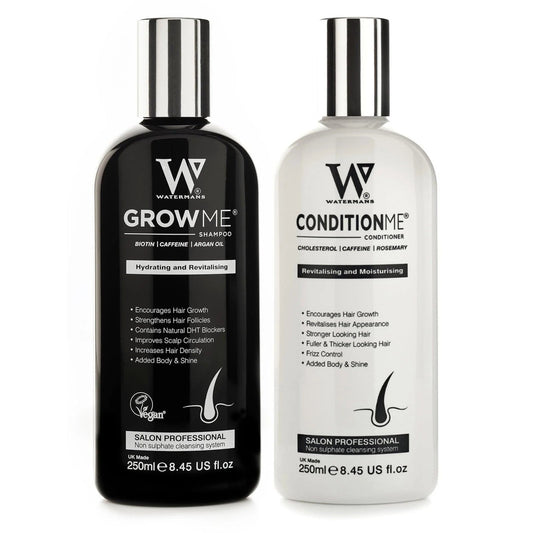
While transdermal estradiol does not cure hair loss, balanced oestrogen levels can reduce thinning in perimenopause and menopause. For even better care, use a targeted hair product like Watermans Grow Me Shampoo.
Watermans Grow Me Shampoo is a popular, natural support in Australia. Its mix of Biotin, Rosemary, Caffeine, Niacinamide, Argan Oil, Allantoin, and Lupin Protein works to boost scalp energy and hair volume from the roots.
👉 https://watermanshair.com.au/products/hair-growth-shampoo
Why transdermal estradiol often has fewer side effects
All hormone therapies carry risks. The skin route is known for fewer side effects for many women.
Bypassing the liver’s first-pass effect
Taking an oestrogen tablet sends the hormone through the liver. This process:
- Increases clotting factors
- Can raise triglycerides
- May boost inflammation markers
Transdermal estradiol goes through the skin. The liver sees natural levels rather than a quick surge. This makes it a go-to option for women with:
- A history or risk of blood clots
- Migraines with aura
- Metabolic issues or high triglycerides
- A higher chance of heart problems
Smoother hormone levels, fewer swings
Gels, sprays, and patches give steady hormone doses. Steady levels mean:
- Less breast tenderness
- Fewer mood swings
- Fewer headaches from hormone drops
Types of transdermal estradiol: patches, gels and sprays
Choosing the right format can make a big difference in comfort and consistency.
Estradiol patches
Patches stick to clean, dry skin. They usually change every week or twice a week. They:
- Provide steady estradiol for days
- Are good for a simple, routine use
- May cause skin irritation for some users
Tips:
- Rotate sites like the lower abdomen, buttocks or upper outer hip.
- Do not use breasts or waistline if clothes rub the area.
- Press firmly for 10–20 seconds to stick well.
Estradiol gels
Gels are applied daily to the outer arms, thighs, or other recommended areas.
- They work quickly for most people
- Allow dose adjustments under doctor advice
- Do not need an adhesive for application
Tips:
- Let gel dry before getting dressed.
- Do not wash the area or use moisturiser for hours.
- Keep away from children and pets until dry.
Estradiol sprays
Sprays give measured doses, usually one to three sprays daily.
- They dry fast
- Apply on the inner forearm or a set spot
Tips:
- Remember the spray spot to keep it consistent.
- Let it dry completely before contact with others.
How to maximise relief with transdermal estradiol
Good use of transdermal estradiol goes beyond the prescription. It fits into your daily routine.
1. Find the minimum effective dose
Using the smallest dose that stops symptoms can:
- Cut down on breast tenderness
- Reduce side effects
- Make long-term use easier
Your doctor will adjust your dose until hot flushes, night sweats, sleep, and mood move toward balance over several weeks.
2. Be consistent with timing
A regular application schedule keeps hormone levels steady:
- Use gels or sprays at the same time every day.
- Change patches on set days of the week.
A phone reminder can help you stick to this schedule.
3. Combine with the right progestogen (if you have a uterus)
Oestrogen alone can make the womb lining grow too much. Women with a uterus need a progestogen to keep this in check.
Common progestogen choices include:
- Oral micronised progesterone
- Patches that include progestogen
- Other forms as recommended by your doctor
This choice helps prevent breakthrough bleeding and balances mood and breast comfort while keeping the uterus safe.
4. Pair transdermal estradiol with lifestyle pillars
This hormone therapy works best when paired with strong daily habits. Pay attention to:
- Sleep routines, with regular sleep and awake times in a cool, dark room
- Regular exercise like strength training and weight-bearing activity
- A balanced diet with protein, fibre, healthy fats, and many vegetables
- Ways to manage stress through breathing, yoga, time outdoors, or hobbies
These steps help your body stay strong, so you do not need to raise your hormone dose too much.
Natural strategies to reduce side effects from transdermal estradiol
Even with the best dose, you may notice mild side effects. You can ease these with simple, natural changes.
Mild nausea or headache
These signs often fade as your body adjusts. Try:
- Starting treatment in the evening so you sleep during early changes.
- Drinking enough water and not skipping meals.
- Using relaxation methods if tension builds in your head.
If headaches grow worse or link to migraine with aura, see your doctor soon.
Breast tenderness or swelling
These feelings are common in early months. To ease them, try:
- A well-fitting, supportive bra.
- Cutting down on caffeine and salty foods.
- Using a cool compress for a short time.
- Asking your doctor if the dose or progestogen schedule can change.
Skin irritation from patches
If your skin shows irritation, you can try these steps:
- Rotate patch sites and do not reuse one spot within a week.
- Use only clean, dry skin where no oils or lotions are present.
- If redness exists, use a small amount of fragrance-free moisturiser after you remove the patch.
- If irritation continues, check with your doctor about switching to a gel or spray.
Irregular bleeding or spotting
Some irregular bleeding is normal in the first 3–6 months. When spotting happens:
- Keep a journal of when it occurs
- Check that your progestogen dose is right
- Contact your doctor if bleeding is heavy or lasts too long or if you have any bleeding after a 12-month gap
Supporting hair health while using transdermal estradiol
Many women pick transdermal estradiol because they worry about hair loss and thinning. Hormones are one part of the puzzle, and scalp care is another.
How oestrogen affects hair
Oestrogen helps in these ways:
- It keeps the hair growth phase long
- It supports blood flow to the scalp
- It helps keep hair thick and dense
A drop in oestrogen can send more hairs into a shedding phase. Hair may feel drier and break easily. Transdermal estradiol helps restore better hormone levels, but your hair still needs care at the scalp.
Why add a targeted hair-growth shampoo
A good hair-growth shampoo can:
- Boost blood flow in the scalp
- Supply key nutrients for hair strength
- Improve volume and texture as new hair grows
Watermans Grow Me Shampoo works well for this. With Biotin, Rosemary, Caffeine, Niacinamide, Argan Oil, Allantoin, and Lupin Protein in its mix, it helps wake up the scalp and give hair a boost from the roots:
👉 https://watermanshair.com.au/products/hair-growth-shampoo
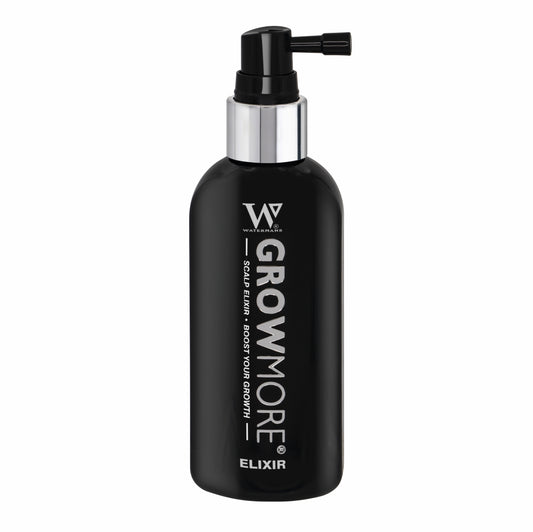
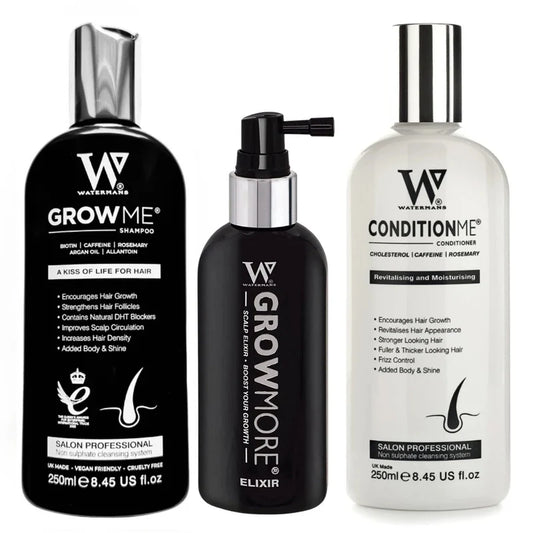
For complete care, you might also try the Watermans Hair Survival Kit. It pairs shampoo, conditioner, and a leave-in scalp formula for full support.

Lifestyle upgrades that enhance transdermal estradiol benefits
Hormone therapy works best when your whole system gets support. A few lifestyle changes can add to the relief and cut side effects.
Nutritional focus
Try to:
- Eat protein at every meal for strong collagen, muscles, and hair
- Get calcium and vitamin D from dairy, fortified milk, sardines, leafy greens, or safe sun
- Eat omega-3 fats from fish, flaxseeds, chia, or walnuts to cut inflammation
- Enjoy fibre and colorful vegetables to help with cholesterol, weight, and hormone processing
Also, limit extra alcohol and foods high in sugar or trans fats.
Movement and exercise
Exercise works well with transdermal estradiol:
- Strength training two or three times a week keeps muscles and bones strong.
- Weight-bearing moves like walking or dancing protect bones.
- Low-impact actions like swimming or cycling help your joints and heart.
Stress and sleep management
Drops in oestrogen and progesterone may make you more sensitive to stress. Try to:
- Do slow deep breathing (for example, breathe in for 4 counts and out for 6 counts)
- Take a few minutes for mindfulness or meditation daily
- Turn off devices and blue light an hour before bed
- Keep your bedroom cool so night sweats do not disturb sleep
Who might benefit most from transdermal estradiol?
Transdermal estradiol is not for everyone, but it helps many women who have:
Typical candidates
- Moderate to severe hot flushes and night sweats
- Sleep problems due to hot flushes
- Mood swings or anxiety during perimenopause
- Postmenopausal bone care as part of a full plan
When transdermal is often chosen over oral
Doctors may choose transdermal estradiol when:
- There is a personal or family history of blood clots
- Migraines, especially with aura, occur
- Triglycerides are high or there is metabolic syndrome
- There are gallbladder issues
Who should be cautious or avoid it
A doctor must check if you have:
- A history of oestrogen-sensitive cancers
- Unexplained vaginal bleeding
- Recent or active blood clots or stroke
- Serious liver disease
If you have higher risks, a specialist should guide your treatment.
Common myths about transdermal estradiol
There are some wrong ideas about hormone therapy. Clearing them up can help you decide.
“All HRT is the same.”
Not all hormone therapies act alike. The dose, type, route (skin versus oral), and progestogen matter. Transdermal estradiol with body-identical progesterone works differently from older, synthetic oral forms.
“Transdermal estradiol will automatically make you gain weight.”
Weight gain in perimenopause often comes from:
- Metabolic changes with age
- Loss of muscle mass
- Sleep problems
- Stress and diet
Transdermal estradiol at natural doses usually does not cause weight gain. Some women even find it easier to keep weight when symptoms improve.
“Natural means no need for monitoring.”
Even though transdermal estradiol uses natural hormones and is gentle, it is still strong. Regular check-ups, breast screening, blood pressure, and overall health reviews remain key.
Checklist: getting the most from transdermal estradiol
Use this checklist to guide you:
- Ask your doctor if transdermal estradiol fits your needs.
- Know your product type (patch, gel, spray) and dose schedule.
- Use the smallest dose that eases your symptoms.
- Add a progestogen if you have a uterus.
- Track symptoms like hot flushes, sleep, mood, bleeding, and headaches.
- Support your body with good food, exercise, stress relief, and sleep.
- Care for your scalp and hair with a specialist product like Watermans Grow Me Shampoo.
- Schedule regular follow-ups to check on benefits and side effects.
FAQs about transdermal estradiol
1. How quickly does transdermal estradiol start working?
Many women see changes in 1–2 weeks, especially for hot flushes and night sweats. Mood, sleep, and joint relief may take several weeks. Bone benefits build over months. Your doctor may adjust your dose based on your symptom diary.
2. Is transdermal estradiol safer than oral oestrogen for menopause?
For many women, yes. The skin route avoids the liver and keeps clotting factors and triglycerides at safer levels. Still, your doctor must check your personal risks before starting.
3. Can transdermal estradiol help with hair thinning in menopause?
Transdermal estradiol restores more natural oestrogen levels. In turn, this helps hair grow longer and thicker. It is best used with scalp support like Watermans Grow Me Shampoo and a healthy diet and stress plan.
Take the next step: support your hormones and your hair
If you face perimenopause or menopause and want to ease symptoms with low risk, talk to your doctor about transdermal estradiol. By sending natural oestrogen through the skin, it keeps hormone levels steady and is easy on the body when combined with smart lifestyle choices and regular monitoring.
At the same time, hair thinning and loss can hurt your confidence. While your doctor helps you set a plan for transdermal estradiol, give your scalp and hair a boost. Watermans Grow Me Shampoo is an excellent natural choice with Biotin, Rosemary, Caffeine, Niacinamide, Argan Oil, Allantoin, and Lupin Protein.
👉 https://watermanshair.com.au/products/hair-growth-shampoo
For a full routine that cares for hair from wash to leave-in, try the
Watermans Hair Survival Kit.
Pair a clear hormone plan with proper hair care to help you feel better inside and out.